HOW-TO GUIDES
How to build a Shed Base: Step-by-Step guide for a strong, level foundation
Updated 06/26
By: Content Team
Reviewed: Alex Peters

The prospect of building a base for garden shed construction can seem like a daunting task, and there are a number of things to consider if you are thinking of constructing a base.
A shed is only as good as the base it sits on. Whether you're installing a small garden storage shed, a workshop or a garden office, learning how to build a shed base properly is one of the most important parts of the project.
Do you need a shed base?
What is the best type of shed base?
Step-by-Step - How to build your shed base
Common mistakes to avoid
Shed base FAQs
A well-built shed base creates a stable, level foundation that helps prevent movement, water damage, warped doors and structural problems. Get it right from the start and your shed can last for decades.
In this guide, we'll explain everything you need to know about building a shed base, including choosing the right location, selecting the best foundation type and following a simple step-by-step process.
Do you need a shed base?
Yes. Installing a shed directly onto soil, grass or uneven ground can cause a range of issues, including:
Water damage and timber rot
Sinking or uneven floors
Misaligned doors and windows
Structural movement over time
Reduced lifespan of the shed
A proper garden shed base raises the structure off the ground, improves drainage and distributes weight evenly.
Before you build a shed base
Before breaking ground, spend time planning the location carefully.
Access
Think about how you'll transport materials, tools and the shed itself into position.
You'll also need enough space around the shed for:
Assembly
Maintenance
Painting or timber treatment
Future repairs
Sunlight and Shade
Consider how you plan to use the shed.
For example:
Workshops benefit from natural light
Storage sheds may be better positioned in partial shade
Garden offices often require maximum daylight
Trees and Foliage
Check for:
Overhanging branches
Tree roots
Future growth from nearby plants
These can affect drainage, access and the long-term stability of your shed base.
Services and Utilities
If you plan to install:
Lighting
Power sockets
Internet cables
Heating
It's much easier to plan cable routes before building the base.
Planning Permission
Most garden sheds fall under permitted development rights and won't require planning permission.
However, you may need approval if:
You live in a conservation area
The shed is unusually large
The building could impact neighbouring properties
Always check with your local authority if you're unsure.
Find a local shed base installer
What is the best type of shed base?
The best shed base depends on the size of the shed, the ground conditions and your budget.
Concrete Shed Base
A concrete base is the strongest and most durable option.
Best for:
Large sheds
Workshops
Garden rooms
Heavy equipment storage
Benefits include:
Long lifespan
Excellent load-bearing capacity
Minimal movement over time
Paving Slab Shed Base
Paving slabs are one of the most popular shed foundations in UK gardens.
Best for:
Small to medium-sized sheds
DIY installation
Budget-conscious projects
Benefits include:
Good drainage
Easier installation than concrete
Lower material costs
Plastic Shed Base Grids
Modern shed base grids are increasingly popular.
These interlocking systems create a strong load-spreading foundation without the need for extensive concrete work.
Benefits include:
Quick installation
Good drainage
Lightweight materials
Eco-friendly options available
Gravel Shed Base
A gravel shed base can work well for lightweight structures and helps with drainage.
However, it typically requires a suitable frame or grid system to ensure long-term stability.
Find shed builders near me
If you need secure storage, a workspace, or a custom garden building, search for a checked shed builder near you with Checkatrade.

Tools and materials you'll need
Depending on the base type, you may need:
Tape measure
String line and pegs
Spirit level
Shovel or spade
Wheelbarrow
Timber for formwork
MOT Type 1 sub-base
Sharp sand
Paving slabs or concrete
Plate compactor or tamper
Weed membrane
Protective gloves and safety equipment
Heavier sheds or garden offices usually benefit from a more robust base, while smaller storage sheds can often use simpler foundations.

Want to make the most of your outdoor space? At Checkatrade, we're here to help, whether it's with planning your shed conversion budget, researching the best roof material, or gathering ideas for a 'She Shed', we've got you covered.
How to build a shed base: step-by-step
Step 1: Mark out the area
Measure the dimensions of your shed and add approximately 50mm (2 inches) around each side.
Mark the perimeter using:
Wooden pegs
String lines
Spray marker
Measure the diagonals to ensure the area is perfectly square.
Step 2: Excavate the ground
Remove:
Grass
Topsoil
Roots
Stones
Debris
The excavation depth will depend on the type of shed base you're installing, but most projects require approximately 150-200mm of ground preparation.
Step 3: Install a sub-base
Lay a compacted layer of MOT Type 1 hardcore.
This creates a stable foundation and improves drainage.
Compact thoroughly using a plate compactor or hand tamper.
Step 4: Check levels
Use a spirit level throughout the project.
A shed base must be completely level to prevent:
Water pooling
Structural stress
Doors sticking
Floor movement
Step 5: Build formwork (concrete bases only)
For concrete shed bases, install timber formwork around the perimeter.
Check measurements regularly and ensure everything remains square and level.
Step 6: Lay the base material
Depending on your chosen foundation:
Concrete base
Pour concrete evenly
Level using a straight edge
Cover during wet weather
Leave to cure
Paving slab base
Lay slabs onto a prepared bedding layer
Check levels continuously
Tap into position using a rubber mallet
Plastic shed base grid
Assemble according to manufacturer instructions
Secure and fill if required
Step 7: Allow the base to set
Avoid installing the shed immediately.
As a general guide:
Concrete should cure for at least 24-48 hours before use
Full concrete strength develops over several weeks
Paving slabs should be checked for movement before construction begins
Find shed installers in my area
Enter your postcode to find a top tradesperson near you
IRONCLAD CONSTRUCT LTD
10.00
(2 reviews)Services & skills
LandscaperShed BasesShedsPlay AreasGarden DesignBS Landscapes
10.00
(108 reviews)Services & skills
LandscaperShed BasesGarden StructuresTurfingSleepersDigs Gardens Limited
10.00
(40 reviews)Services & skills
LandscaperShed BasesSleepersTurfingPond ConstructionAll Seasons Tree Surgeons
10.00
(215 reviews)Services & skills
LandscaperShed BasesGarden StructuresPond ConstructionArtificial GrassEL LANDSCAPE BUILD
10.00
(32 reviews)Services & skills
LandscaperShed BasesPlay AreasDeckingComposite DeckingHerts & Essex Landscapes
10.00
(99 reviews)Services & skills
LandscaperShed BasesPond ConstructionGolf / Bowls GreensAviaries


Common shed base mistakes to avoid
Many shed problems start with poor groundwork.
Avoid these common mistakes:
Building directly on grass or soil
Skipping the sub-base layer
Not checking levels frequently
Choosing a base that's too small
Ignoring drainage issues
Building too close to fences or hedges
Failing to plan electrical connections
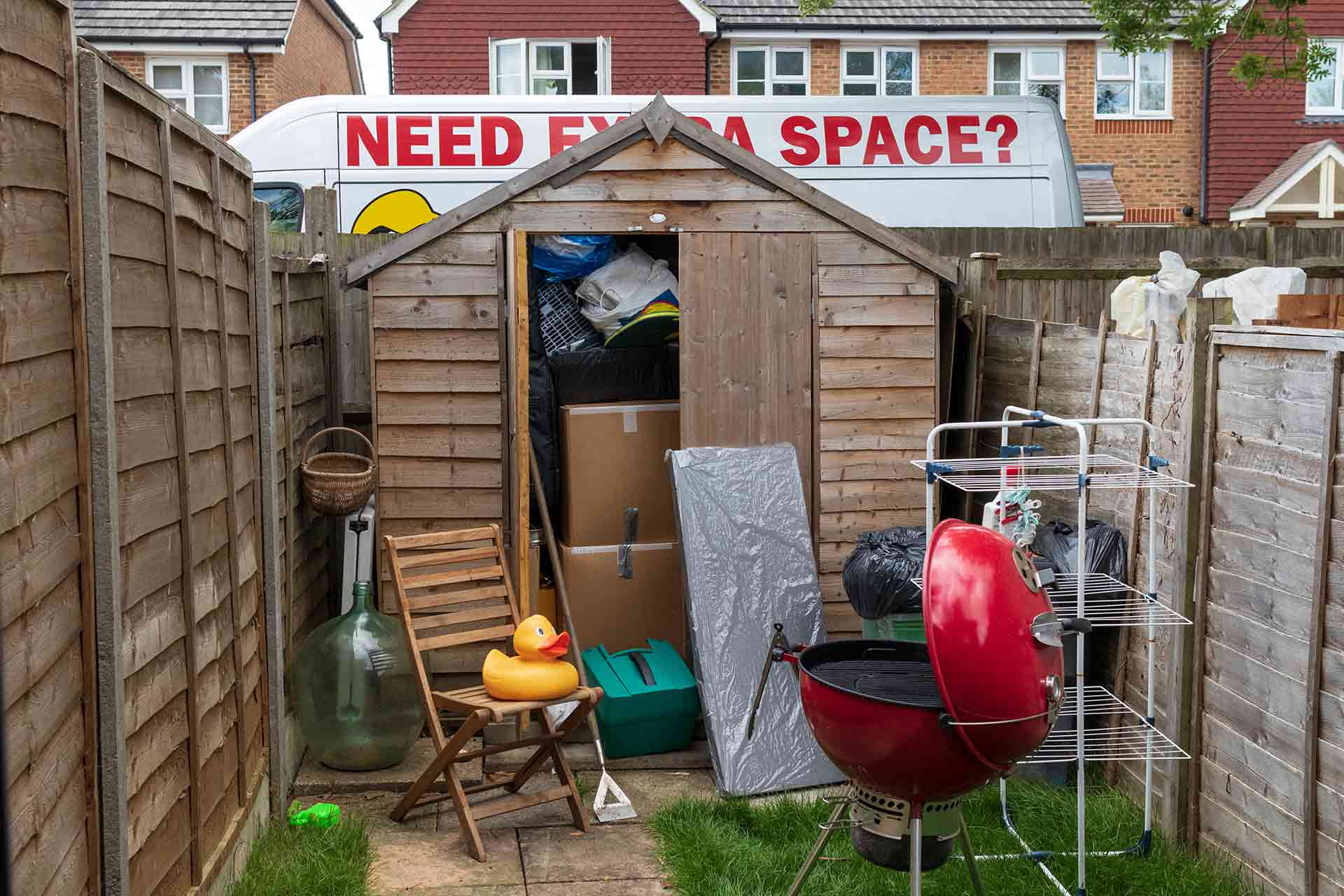
Cost to remove an old shed
Old garden sheds can become damaged, unattractive and dangerous. With our cost to remove old shed guide, we look further into the world of sheds, prices and FAQs.
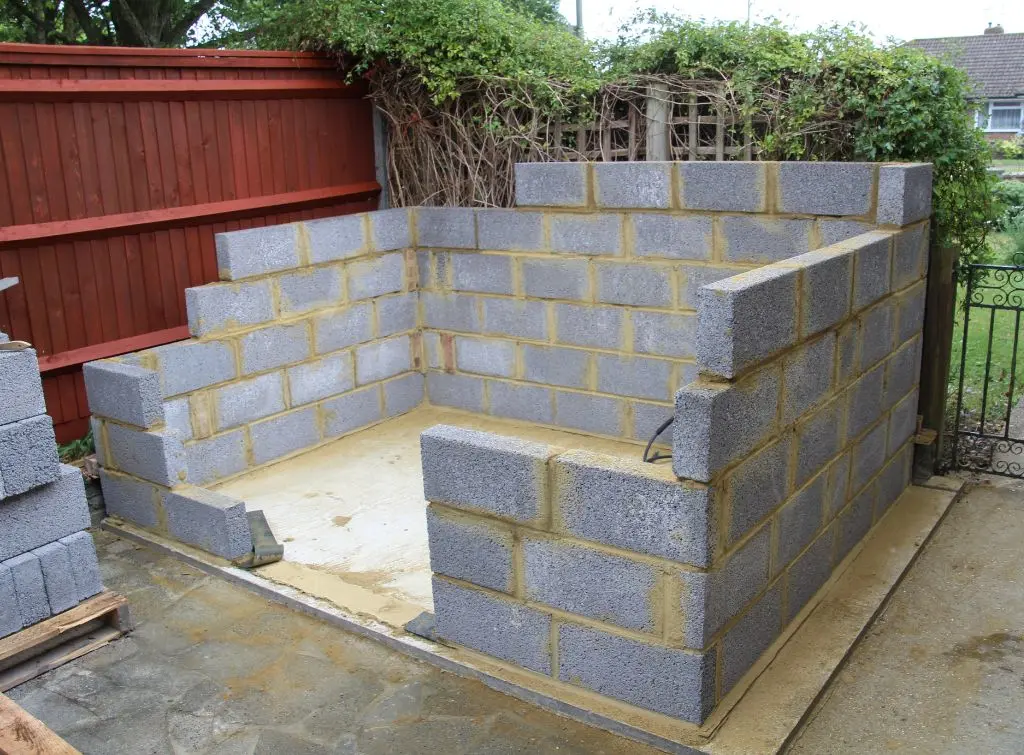
Should you build a shed base yourself?
Building a shed base can be a rewarding DIY project if you have the right tools, time and confidence.
However, larger projects often benefit from professional installation.
A local specialist can help with:
Ground preparation
Levelling
Concrete pouring
Drainage solutions
Access challenges
Heavy-duty foundations
A professionally installed shed base can provide peace of mind and help prevent costly repairs later.
If you're planning to use your shed as a bedroom, annexe, bathroom or independent living space, planning permission is required.

Find a local shed base installer
If you'd rather leave the heavy lifting to an expert, Checkatrade can help.
All Checkatrade tradespeople pass up to 12 checks, and you can read verified reviews from homeowners before hiring.
Find trusted shed base installers near you today.
Find a local shed base installer
Frequently asked questions
What is the cheapest way to build a shed base?
A paving slab shed base is usually the most cost-effective option for small and medium-sized sheds. It provides a solid, level surface without the higher material costs associated with concrete.
How deep should a shed base be?
Most shed bases require around 150-200mm of excavation, including the sub-base and foundation material. Larger or heavier sheds may require deeper foundations.
Can I put a shed directly onto grass?
No. Placing a shed directly on grass can lead to sinking, moisture damage, rot and structural movement.
Is a concrete base better than paving slabs?
Concrete is generally stronger and better suited to large sheds, workshops and garden rooms. Paving slabs are often sufficient for standard garden sheds and can be easier to install.
Do I need planning permission for a garden shed?
Most sheds do not require planning permission under permitted development rules. However, restrictions may apply in conservation areas or for unusually large structures.
How long does it take to build a shed base?
A simple paving slab shed base can often be completed in a day. Concrete shed bases typically require additional preparation and curing time.
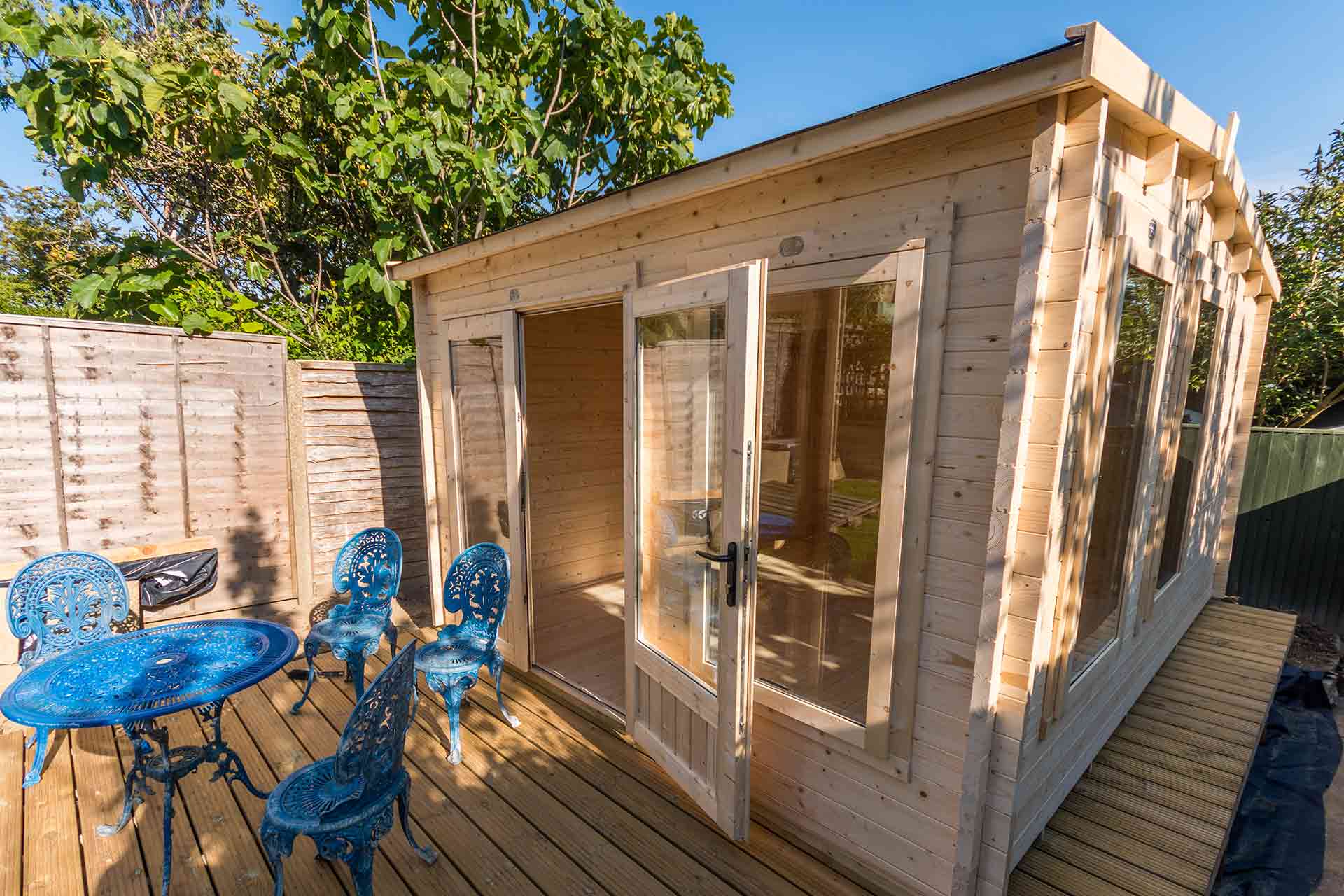
Shed conversion cost guide
Explore the limitless potential of your garden shed. From creating a home office to an entire tiny home, our shed conversion cost guide is packed with tips & tricks.
Final thoughts
Learning how to build a shed base properly is the key to creating a shed that stays level, secure and weather-resistant for years to come.
Whether you choose a concrete shed base, paving slab foundation or modern shed base grid, careful planning and preparation will help you achieve the best results. And if you'd rather avoid the hard work, a trusted local professional can ensure the job is completed quickly and correctly.
Ready to get started? Find experienced shed base installers near you through Checkatrade.


See the tradespeople we've checked for your job