EXPERT ADVICE
Has a water pipe burst in your house? Here's what to do
Updated 07/26
By: Emma Potter
Reviewed: Content Team
A burst pipe needs fast, calm action, but the order you act in matters. Electrical safety comes before mopping up, and water containment comes before deciding on a permanent fix.
What to do immediately, in the right order
Why pipes actually burst, especially in cold weather
Temporary DIY fixes and their real limits
How to prevent it happening again
Roughly what a repair costs
Who's responsible for what
Ready to get help? Here's where to start.
Hire an emergency plumber near you
Is it an emergency? Call an emergency plumber
If water is actively flowing, get an emergency plumber moving while you work through the steps below yourself.
What to do immediately, in order
Safety first: If water is anywhere near sockets, switches, or any electrical appliance, turn off the electricity at your consumer unit before doing anything else, and don't touch any electrics while standing in or near water. This takes priority over everything else on this list.
Check for electrical risk. If water is near any electrics, switch off the power at the consumer unit immediately.
Turn off your water supply. Locate your stopcock (usually under the kitchen sink) and turn it clockwise to shut off the mains.
Drain the system. Turn off your heating and open all taps in the house to drain remaining water out of the pipes. This reduces further flow from the burst itself.
Contain the water. Use towels, old sheets, or a wet vacuum to soak up standing water and limit damage to flooring and belongings.
Photograph the damage before you start cleaning up. This helps if you need to make an insurance claim.
Check your home insurance to see if it covers burst pipes and resulting damage.
Call a plumber to assess and repair the pipe properly.

What causes a burst water pipe?
Common causes include cold weather, general wear and tear, and blockages, and the right response depends on which applies.
Why do pipes burst when they freeze?
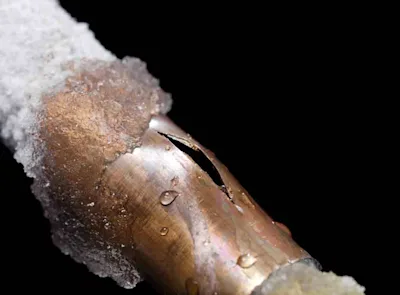
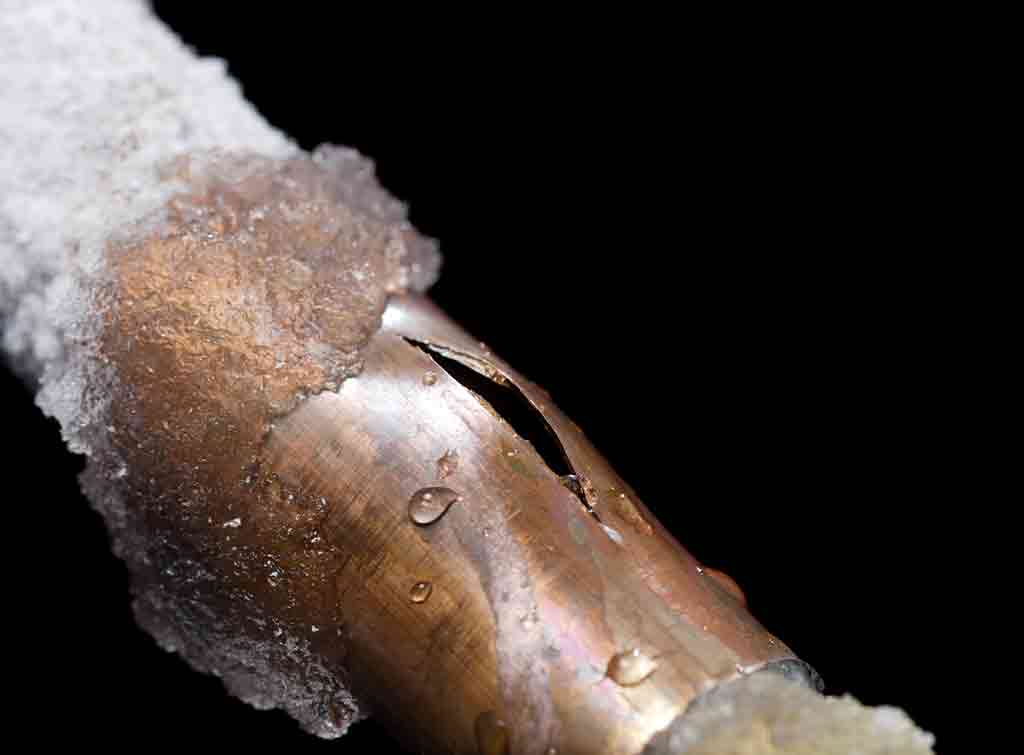
When temperatures drop, frost can coat exposed pipes and restrict water to a trickle. As the pipe later warms and thaws, the sudden temperature change, combined with the expansion that occurs as ice forms, can cause the pipe to crack or burst. See our guide on preventing frozen pipes to reduce the risk of this happening again.

If you've discovered a burst pipe specifically after finding you have no water at all, our guide on what to do if you have no water covers related causes worth ruling out too.
Preventing burst pipes in future
Insulate exposed pipes and taps with external pipe lagging
Leave a trickle of water running through taps fed by an unheated supply during a cold spell
Fix any existing leaks before winter arrives
Drain your system fully if you're going away for an extended period, to stop water sitting and freezing

On Checkatrade, you'll only find trades who meet our high standards and pass up to 12 checks.
Can I fix a burst water pipe myself?
Temporary fixes exist, and can buy you time before a plumber arrives, but treat them as exactly that: temporary.
Epoxy putty: a quick, short-term seal
Fibreglass tape and polyurethane resin: a more durable patch, sometimes combined with epoxy putty
Clamps with sleeves: a common, slightly more involved temporary fix
To fit a clamp and sleeve:
Turn off the mains water supply and open taps to drain and dry the pipe
Confirm you're using a clamp suited to your specific pipe material
Measure the pipe's diameter
Smooth any rough edges around the burst with a metal file
Centre the rubber sleeve over the burst, with the seam facing away from it
Fit the metal clamps around the sleeve
Tighten the clamp screws
Turn the water back on and check closely for leaks, adjusting as needed
A slip coupling with compression capability can offer a longer-lasting temporary repair, but needs the correct diameter for your pipe and confident fitting and soldering. Any mistake here risks the pipe bursting again, so if you're at all unsure, this is one to leave to a professional.
Bear in mind: almost all DIY fixes are temporary. A proper repair, sometimes a full section replacement, is worth arranging even after a temporary fix has stopped the immediate flow.
How much does it cost to repair a leaking water pipe?
A leaking pipe can cost £220–£440 to repair, or less if you catch it early. Find out what affects the price, when to DIY, and how to get a quote from a local plumber.
How much does it cost to fix a burst water pipe?
Most plumbers charge a call-out fee, plus either an hourly or flat rate depending on the job. Our water pipe repair cost guide has current pricing.

In the first few minutes
FAQs
Check for electrical risk first: if water is near sockets or appliances, cut power at the consumer unit before anything else. Then turn off your stopcock and drain the system.
The process is similar to an indoor burst: isolate the water, use a temporary repair kit if appropriate, and call a professional for a permanent fix.
Generally, anything within your property boundary is your responsibility, unless the issue is with the mains supply or drains, which is your water company's responsibility instead.
It can happen surprisingly fast, sometimes within around 6 hours, since expanding ice inside a closed pipe rapidly increases pressure.
More Emergency Plumber Service Articles

See the tradespeople we've checked for your job