COST GUIDES
How much does it cost to repair a leaking water pipe?
Updated 06/26
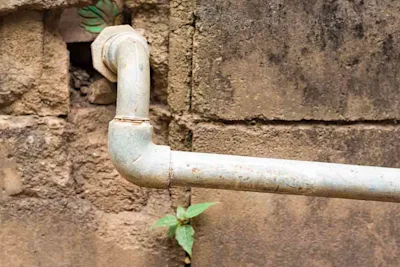
A leaking or burst pipe can cause serious damage fast. Repair costs typically run £220–£440, though emergency call-outs, underground pipes, and follow-on damage can push the total much higher. This guide covers everything you need to know: what drives the cost, how to fix a minor leak yourself, when to call a plumber, and what your insurance might cover.
Fast Facts
Repair of leaking pipe: £220–£440
Emergency call-out fee: £75–£150 per hour
Plumber day rate: £320–£480
Whether you have a burst pipe causing flooding, a slow leak behind a wall, or a drip in the bathroom, here's what you can expect to pay.
Water supply pipe repair cost
| Cost provided item | Unit | Price range - Low | Price range - High | Average UK cost |
|---|---|---|---|---|
| Repair of leaking pipe | Ea | £220 | £440 | £330 |
| Plumbing (emergency call out) | Per hour | £75 | £150 | £112.50 |
| Plumber | Per day | £320 | £480 | £400 |
| Repair of leaking tap | Ea | £95 | £170 | £132.50 |
| Repair of leaking radiator | Ea | £140 | £450 | £295 |
| Last updated: July 2026 Our costs are ballpark averages - get a local tradesperson to quote now | ||||
Repairing a water supply pipe costs an average of £330.
Bear in mind that you may need to pay an emergency plumber call-out fee if the leak is urgent, which will cost an average of £112.50 per hour.
The cost to repair your water supply pipe varies depending on the size and scope of the problem, the level of damage, and how accessible the pipe is.
Your location matters too - plumbers in London and the South East tend to charge more than those in the North or Midlands, for example. Weekends, bank holidays, and out-of-hours call-outs also carry a premium.
Find a plumber near you
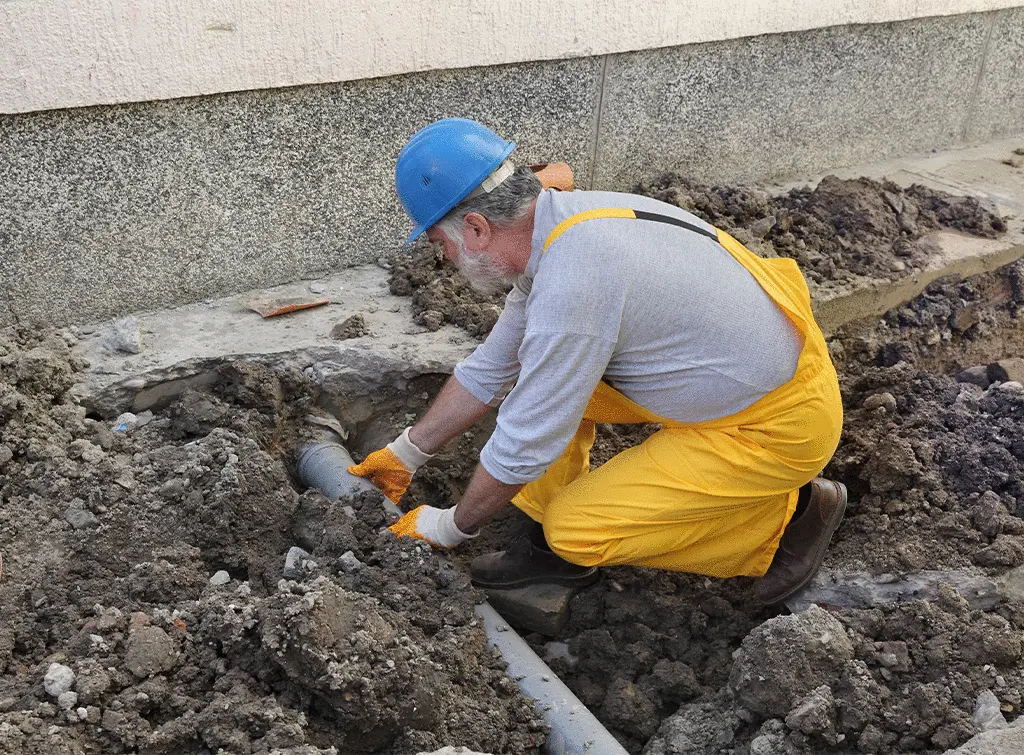
Underground water pipe leak repair cost
Whether an underground water leak is your responsibility depends on where the pipe is. The section from the water main to your property boundary (including the meter) is usually the water company's responsibility to repair. The pipe from that boundary into your home is yours.
If the leak is on your side, costs are higher than a standard repair. You'll need to factor in leak detection (typically anything from £80–£1,600 before any repair work starts), excavation to reach the pipe, the repair itself, and reinstatement of the surface above. The full job can run into thousands of pounds depending on depth and ground conditions.
Underground leaks can also cause subsidence, which is ground movement caused by soil washing away around the pipe. If you notice soft ground, cracking in walls, or sloping floors near where a pipe runs, get it investigated quickly.
If you're unsure whether an underground leak is your responsibility, contact your water company before calling a plumber. They can check their records and may send someone to inspect at no charge. For properties with their own water source, see our well repair cost guide.
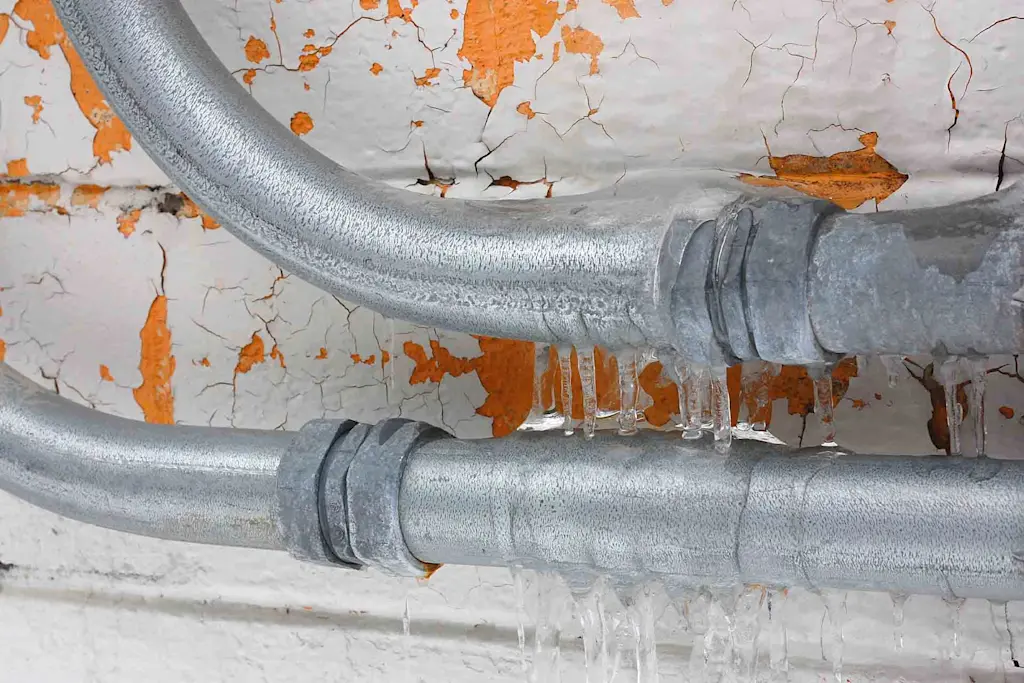
Water main leak repair cost
If your water main pipe is leaking, it needs urgent attention. The main supply pipe that brings water into your home may be the responsibility of your local water company. Contact them first to check.
If the repair falls to you, speak to a plumber. Water main repairs typically cost an average of £330, though the final figure can vary significantly based on the extent of the damage and access difficulty.
Document everything with photos and get a written plumber's report. You'll need both if you make an insurance claim.
Burst pipe repair cost
A straightforward repair to a burst pipe costs between £220–£440 on average.
If sections of pipe need replacing rather than patching, the cost rises. Full replacement, or relining of a longer run, costs more again. See our guide to main water pipe replacement cost for those figures.
Emergency call-outs, especially out of hours, carry a surcharge. Expect to pay £75–£150 per hour on top of any fixed call-out fee. Check our plumber call-out fee guide for current typical charges.
A burst pipe is one of the pricier plumbing emergencies. It's not because the repair is always complex, but because water damage to walls, floors and ceilings mounts up fast if you don't act quickly.
Find a plumber near you
Plumber cost: job estimator tool
You can get an approximate quote for your water supply pipe repair with our job estimate calculator. Just enter a few details about the issue, and the tool will use Checkatrade data to give you a rough estimate.
Job Estimate Calculator

What causes water supply pipe damage?
Water pipe leaks are usually caused by small fractures or tiny holes that develop with age.
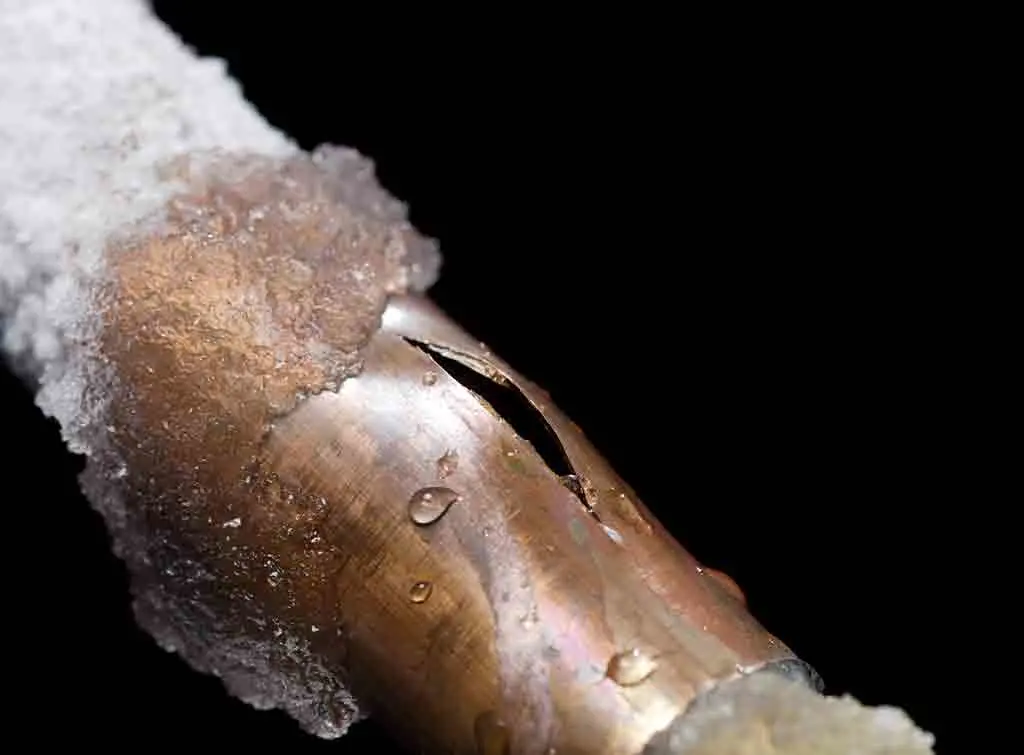
Burst pipes, however, tend to have a different cause. Low temperatures make the water inside freeze and expand, splitting the pipe open.
Old pipework, ground movement, and accidental damage during building work can also cause both types of problem.
How do I know if I have a burst or damaged water pipe?
Signs that suggest you have a leaking water pipe include:
Loss of water pressure at taps or showers
Loss of boiler pressure
Damp patches appearing on walls or ceilings
An unexplained spike in your water bill
The sound of running water when all taps are off
Discoloured or brown water from taps
Wet patches on external walls
A burst pipe is usually more obvious - it causes large volumes of water to pour out quickly. If you can't see water in any rooms, check the crawl space under your ground floor (often accessible from under the stairs).
Some leaks, especially underground ones, show no obvious signs at all until the damage is significant. If you suspect a hidden leak, a water leak detection specialist can locate it precisely before any digging or opening up of walls begins.
What should I do if I have a water pipe leak?
Act quickly to limit the damage:
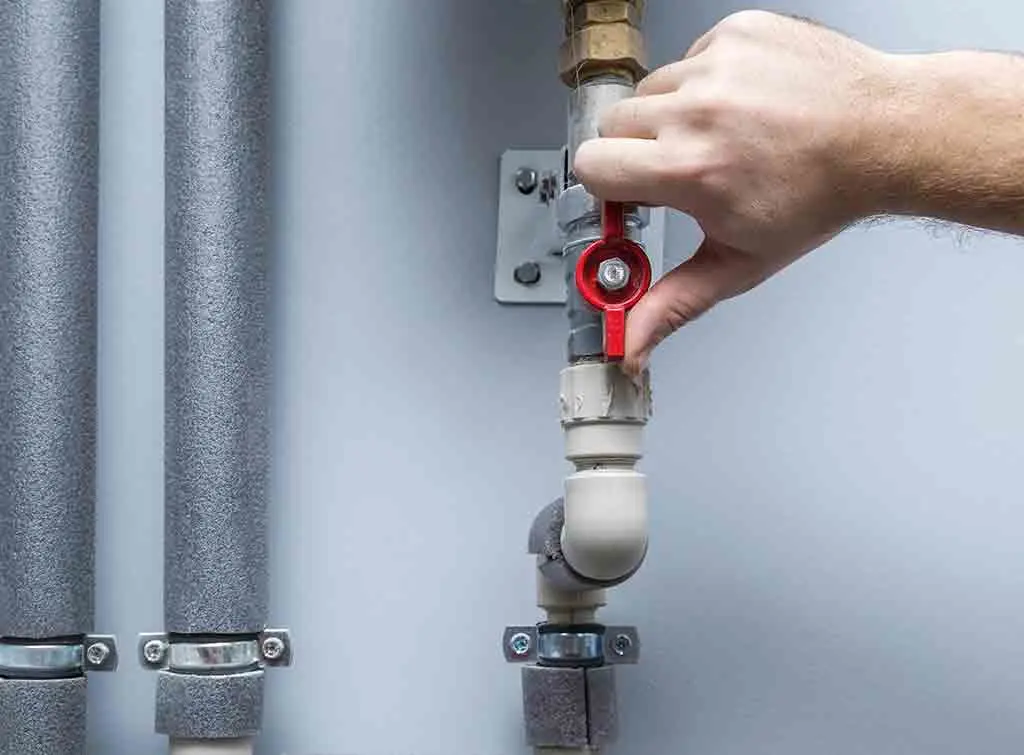
Turn off the water at the stopcock. It's usually under the kitchen sink or near the front door.
If there's any flooding, switch off the electricity at the consumer unit before wading through standing water.
Call a plumber. For burst pipes or active flooding, this is an emergency call-out.
If the leak is minor and under control, get at least three quotes before approving repair work.
Take photos of the damage before any work starts. You'll need these if you make an insurance claim.
Find a plumber near you
How long does it take to repair a burst water pipe?
A simple, visible pipe repair on an accessible section takes a plumber one to two hours.
It can take much longer, however, if access is difficult or if there are complications, such as:
The leaking pipe is behind a wall or under floorboards: Add time for opening up and making good. A full day's work is realistic if plastering or retiling is needed after.
You need an underground pipe repair with excavation: Plan for the best part of a day, sometimes longer depending on the depth and how the ground needs to be reinstated.
Leak detection is needed: Allow 30–60 minutes before any repair work starts if the leak location isn't already known.
Ask your plumber for an estimated time when they quote, especially if you need the water back on quickly.
How to fix a leaking pipe: DIY steps
You can patch a visible, accessible pipe leak temporarily using self-amalgamating tape or epoxy repair putty.
Bear in mind that this only works as a temporary fix, though. A permanent fix usually means calling a plumber, especially if the leak is near the mains, behind a wall, or involves soldered joints.
Here's how to approach it...
Turn off the water at the stopcock. Don't skip this. Trying to patch a pressurised pipe won't work.
Dry the pipe and find the exact leak point. Run a cloth along the length to spot where it's wet.
Self-amalgamating tape (temporary fix): Wrap the tape tightly from 5cm before the leak, overlapping each layer by half. Keep tension on the tape as you go. This works on small pinhole leaks and hairline cracks on accessible pipes.
Epoxy repair putty (temporary fix): Knead the two-part putty until it's a uniform colour, press it firmly over the leak, and smooth it around the pipe. It sets hard in around 10 minutes. Don't turn the water back on until it's fully cured.
Compression fittings or soldering (permanent repairs): These are proper fixes rather than stopgaps. Compression fittings are within reach of a competent DIYer. You'll need to drain the system first and cut out the damaged section. For soldering copper pipes, get a plumber unless you're experienced with a blowtorch and really know what you're doing.
Call a plumber for: any leak on the mains supply pipe, any pipe under the floor or behind a wall, anything on the boiler circuit, or if your temporary patch isn't holding.
Will my home insurance cover a leaking pipe?
Buildings insurance will usually cover the damage caused by a burst pipe (e.g. ruined flooring, damp walls, a soaked ceiling) but it won't necessarily pay for the pipe repair itself. That's often treated as maintenance, not an insurable event.
What's typically covered:
Sudden, accidental damage from a burst pipe
Resulting damage to floors, walls, ceilings, and fixtures
What's typically NOT covered:
The pipe repair itself (this is treated as maintenance)
Gradually worsening leaks (insurers expect you to act on signs of damage)
Tracing and access cover is worth checking for specifically. Some policies cover the cost of finding the leak and opening up the pipe to reach it, even when the repair itself isn't covered. This can make a big difference on underground leaks or hidden pipe failures.
Underground supply pipes are a grey area. Many standard home insurance policies don't automatically cover them. Check your policy documents or call your insurer before commissioning any repair work. Starting work without checking first can compromise a claim.
For more on this topic, read our guide to plumbing and drainage cover.
Bathroom leak repair cost
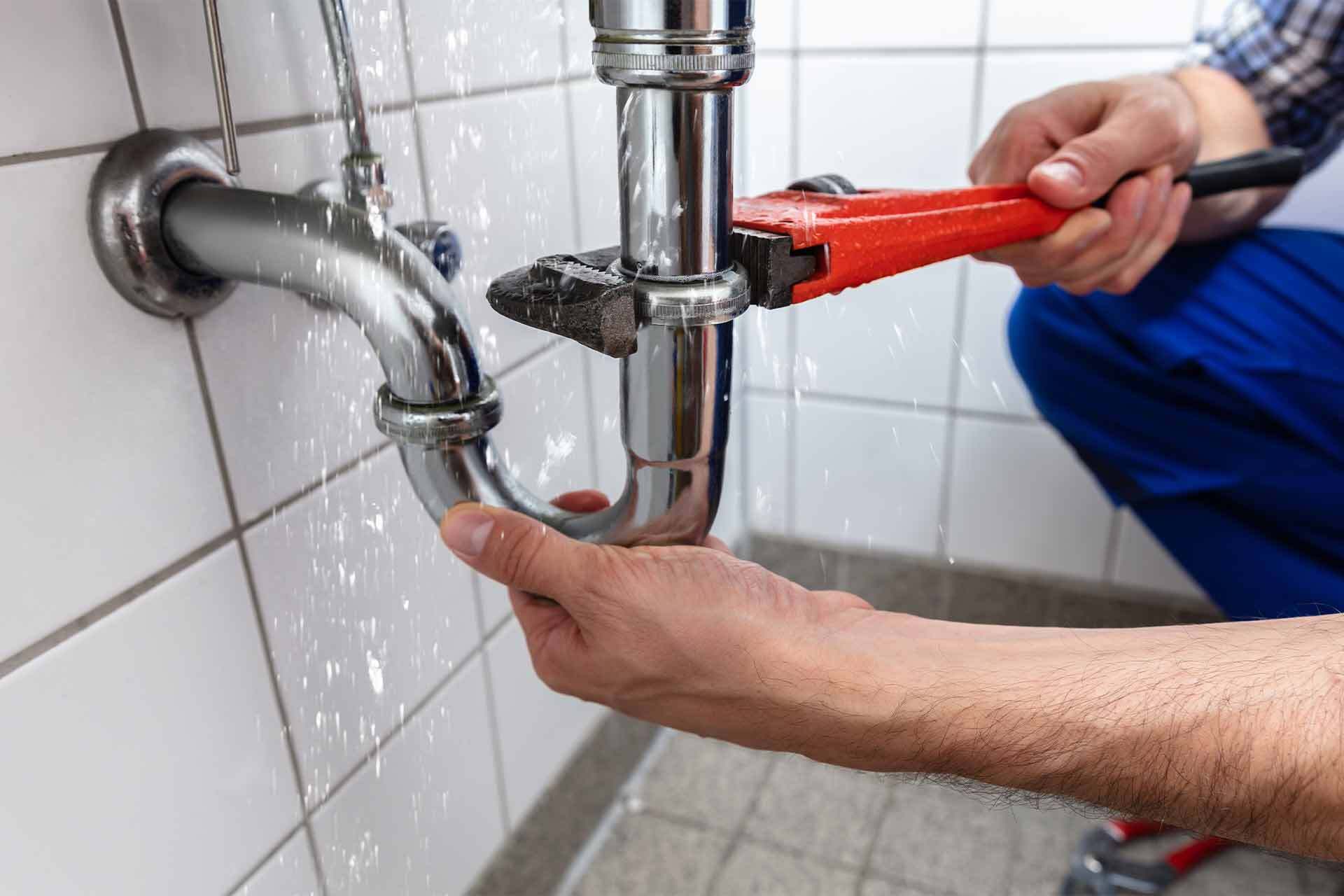
Bathrooms are the most common source of domestic leaks. The usual culprits include tap washers, toilet cistern valves, shower tray seals, waste pipe joints, and overflow pipes. Even small drips cause damage over time, including to floors, joists, and the ceiling below.
Fixing a leaking tap: typically costs around £132.50 on average (ranging from £95–£170)
Fixing a leaking radiator: costs around £295 on average (ranging from £140–£450)
If you've got a dripping overflow pipe rather than a pipe leak, that's a slightly different problem. See our guide to fixing a leaking overflow pipe.
Don't forget to budget for follow-on work. If a bathroom leak has been running for a while, you may need a plasterer and decorator on top of the plumber's bill. Check our ceiling water damage repair cost guide for those figures.
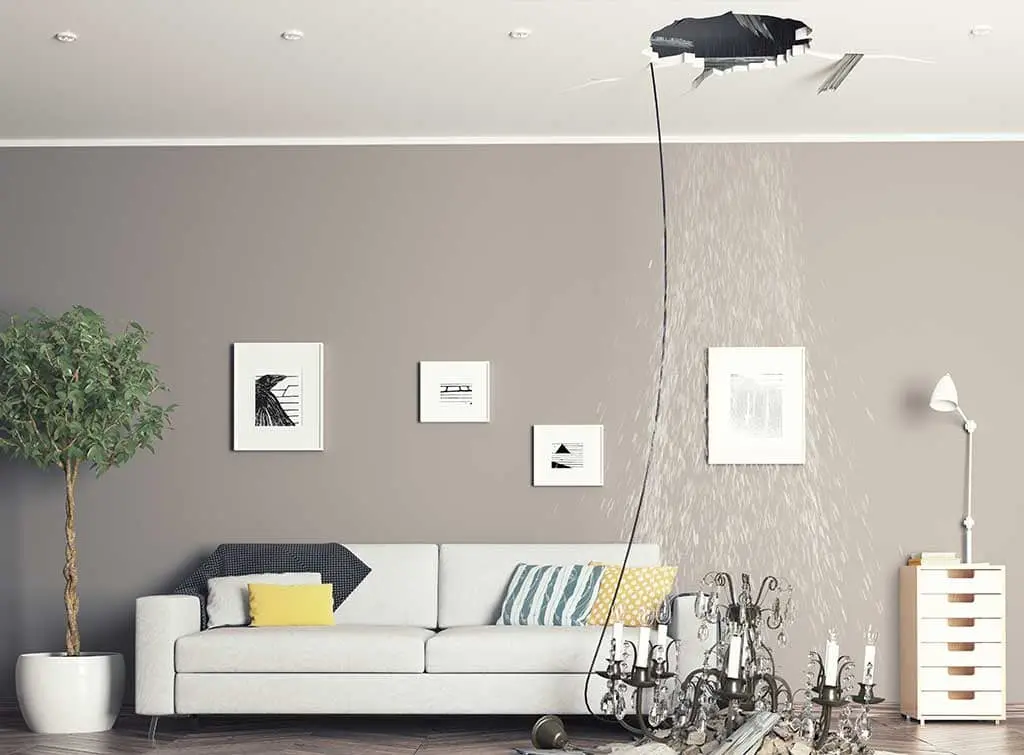
Cost to repair a leaking pipe in the ceiling
Ceiling leaks usually cost more to fix than accessible pipe repairs because of the access challenge. The plumber needs to open up part of the ceiling, make the repair, and then the ceiling needs to be patched. That's typically a separate job for a plasterer.
If the leak has been running for a while, check for structural implications: waterlogged insulation, damaged joists, or weakened ceiling boards. These add cost but are important to address before redecorating.
The cost of returning the ceiling to its original state (including plastering, priming, and painting) can easily match or exceed the plumbing bill itself. Budget for both when you're getting quotes.
Read our ceiling water damage repair cost guide for a full breakdown.
Can I repair my water pipes myself?
A temporary patch on a small, accessible leak is something most homeowners can manage - take a look at the DIY steps above. But a permanent repair to the mains supply, any hidden pipe, or anything on the boiler circuit needs a professional plumber.
Getting it wrong doesn't just risk more water damage. It can also void your home insurance if an insurer decides the repair was inadequate. A plumber knows how to navigate your pipework, pinpoint the source, and use the right method for a lasting fix.
If you're weighing up a DIY attempt versus a call-out, the call-out fee is usually worth it for anything beyond a surface patch with tape or putty.
Find a plumber near you
Benefits of hiring a checked plumber
A checked plumber brings more than just tools. Checkatrade members are fully checked before they join. We verify qualifications, insurance, and identity, and we collect and publish genuine customer reviews.
For work on or near the boiler circuit, your plumber should also be Gas Safe registered. Attempting this work without the right certification is illegal and dangerous.
Hiring a checked plumber also protects your insurance position. If a DIY repair fails and causes further damage, your insurer may refuse the claim. Work by a checked professional, with a receipt, removes that risk.
How to find a plumber
Finding a plumber is easy with Checkatrade. We check and verify all of our members, to make sure everyone in our directory meets our standards.
Request a quote using our quick and easy feature and we'll get experienced local plumbers to contact you directly. To get accurate quotes, be as detailed as you can:
The location and access point of the leak, if you know it
Whether the pipe is underground, in a wall, under the floor, or accessible
Whether it's an emergency or can wait a day or two
Any visible damage to surrounding walls, floors, or ceilings
Your water supply type (mains, combi boiler circuit, tank-fed system)
Find a plumber covering your area
Get started finding a plumber to fix your water supply pipe by typing your postcode into our search tool.
Find a plumber near you
Search by trade, postcode, or job type to find a checked plumber near you.
You can also use our post a job feature to hear back from plumbers working in your area, or download the Checkatrade app.

Plumber cost checklist
Use our handy cost checklist to tick off everything you need to get the best quote for your water supply pipe repair.

Your leaking water supply pipe cost checklist
Leaking pipe repair cost FAQs
A burst pipe repair itself costs around £220–£440 on average, but the real expense is often the follow-on damage. Soaked floors, damp walls, and damaged ceilings can add significantly to the total bill. Getting it fixed quickly keeps those secondary costs down.
Buildings insurance usually covers the water damage caused by a burst pipe (e.g. ruined flooring, damp walls) but not the pipe repair itself, which is often treated as maintenance. Check your policy for tracing and access cover, which can pay for leak detection and opening up the pipe even when the repair isn't covered.
The water company is usually responsible for the pipe from the water main to your property boundary. From the boundary to your home, the pipe is yours, and so is the repair cost. If you're not sure where the boundary is, contact your water company before calling a plumber.
Turn off the water first, then wrap the affected section tightly with self-amalgamating tape, or apply an epoxy repair putty. Both are available at DIY stores.
Be aware that these are stopgap fixes only - you'll need to get a plumber to make a permanent repair as soon as possible.
A simple, accessible pipe repair typically takes a plumber one to two hours. Underground repairs, or pipes inside walls or under floors, take longer. Sometimes the job takes most of a day once access and making good are included. Ask your plumber for an estimated time when they quote, especially if you need the water back on quickly.

See the tradespeople we've checked for your job