HOW-TO GUIDES
How to turn off the water under your sink
Updated 07/26
By: Tom Blake
Reviewed: Alex Peters
Knowing how to turn off the water under your sink is one of those DIY skills you rarely think about - until you really need it.
Where to find the water shut-off valve under your sink
The difference between isolation valves and the main stopcock
How to turn off water to kitchen and bathroom sinks separately
What to do when the valve is stuck or missing
When to call a plumber instead of doing it yourself
How to prevent water damage in an emergency
Whether you've noticed a slow drip, you're replacing a tap, or water is going everywhere, being able to isolate your supply quickly can save you a lot of stress and a lot of damage.
Not every home is set up the same way. Isolation valves, stopcocks, and main stop taps all do slightly different jobs, and knowing which one to use in which situation makes all the difference.
Hire an emergency plumber near you
Why you might need to turn off the water under the sink
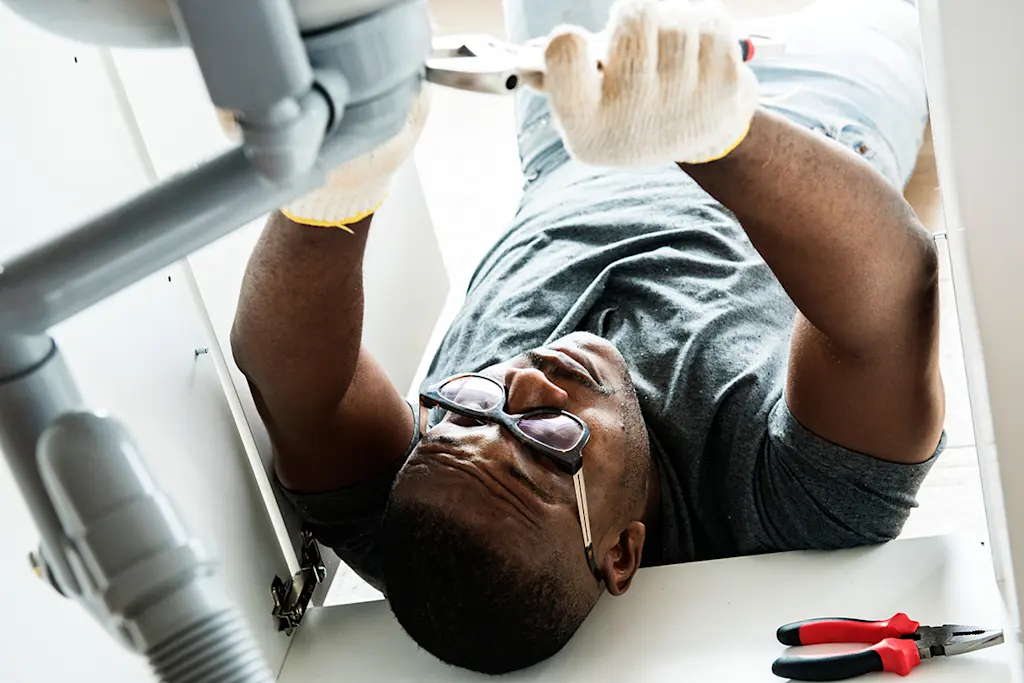
There are plenty of reasons why you'd want to isolate the water supply at your sink - not all of them involve a crisis.
Common reasons include:
Replacing or repairing taps
Fitting a new kitchen or bathroom
Fixing a slow drip or leak
Installing a water filter or appliance
Going away for an extended period
Carrying out routine plumbing maintenance

Leak under kitchen sink: what to do
If you've found a leak under kitchen sink, it's important to get it fixed as soon as possible. Let our guide help you get to the root cause of the problem and what action you should take.
Types of shut-off valves you might find under your sink
Before you start turning anything, it helps to know what you're looking at. There are a few different valve types you're likely to encounter.
Isolation valves
These are small valves attached directly to the pipe feeding each tap. They're the go-to option when you only need to isolate one tap or fixture without cutting off water to the rest of the house.
Under a kitchen sink, you'll usually spot one for the hot supply and one for the cold.
Internal stopcock
Also called a stop tap or stop valve, this controls the cold water supply to your entire property. It looks a bit like a tap with no spout, usually on a horizontal pipe.
Turning this off shuts down water to everything inside - so it's the option for bigger jobs or emergencies.
External stop tap
This stop tap sits outside your property, usually in a small underground box near the pavement. This is generally only for use by water companies or emergency services, though you can access it if all else fails.
Take a few minutes to locate both your isolation valves and your internal stopcock before you ever need them. Knowing where they are in advance means you can act immediately in an emergency rather than hunting around while water spreads across the floor.

How to turn off the water under your kitchen sink
Using isolation valves (for tap repairs or maintenance)
If you're replacing a tap or doing a smaller job, you don't need to shut off the whole house - you just need to isolate the supply to that tap.
Under most kitchen sinks you'll find two isolation valves on the pipes feeding the taps - one for hot, one for cold. They're sometimes colour-coded (red for hot, blue for cold), though not always.
To close an isolation valve:
Find the valve on the pipe below the tap you're working on
Use a flat-head screwdriver to turn the slot 90 degrees, so it runs across the pipe rather than along it
Turn on the tap to check the supply has stopped
The valve is closed when the slot is perpendicular (at a right angle) to the pipe
When the slot runs in line with the pipe, the valve is open. At a right angle, it's closed. That's worth remembering.
Using the internal stopcock (for full water isolation)
If you need to cut off all water to the property - for a bigger job, or if you can't locate the isolation valves - you'll need the internal stopcock.
In most UK homes, the internal stopcock is found under the kitchen sink. It can also be in an airing cupboard, under the stairs, or beneath the floorboards near the front door.
To close the stopcock:
Locate the valve - it looks like a small tap on a pipe, usually brass or occasionally plastic
Turn it clockwise (to the right) slowly and steadily
Don't over-tighten it - turn it until it stops, then back off slightly
Open a tap in the kitchen to confirm water flow has stopped
It may take a minute or two for flow to fully stop as the remaining water in the pipes drains away
Once you're done with your work, turn the stopcock back anti-clockwise (to the left) to restore the supply.
It's worth testing your stopcock once or twice a year to make sure it hasn't seized up. A quick half-turn clockwise and back again keeps it moving and means it'll work when you actually need it.
How to find your stopcock
When a pipe has just burst, what’s the worst that can happen? You can’t find the stopcock.
How to turn off the water under your bathroom sink
The process for a bathroom sink is essentially the same - but accessibility can vary quite a bit depending on your setup.
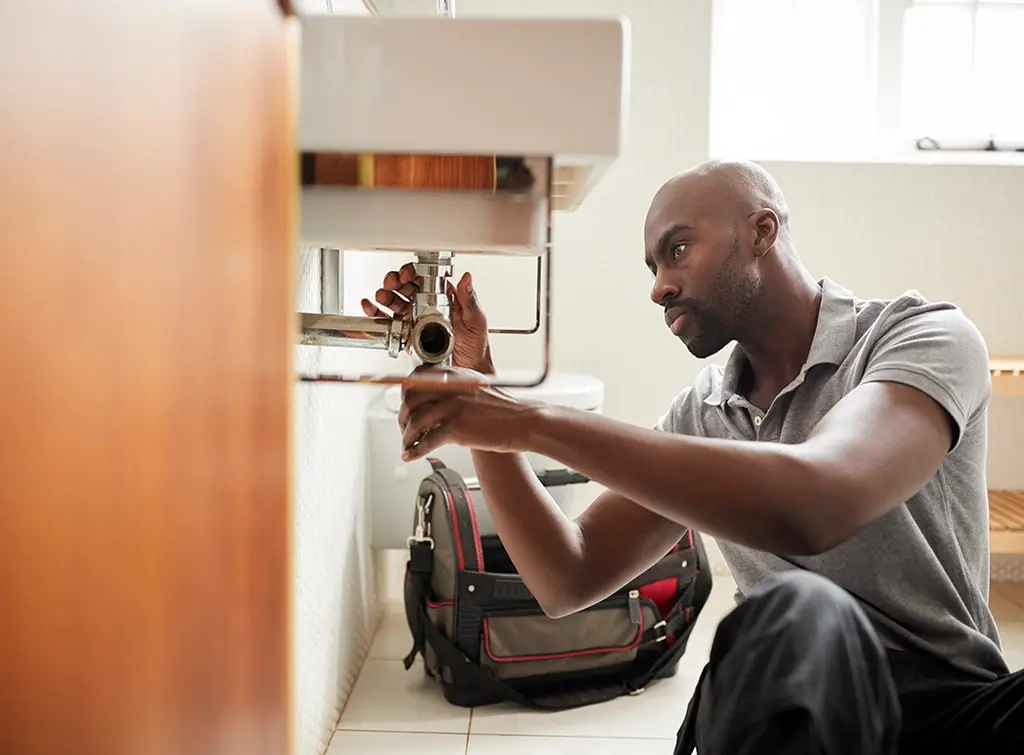
If you have an under-sink cabinet with exposed pipework inside, you should be able to spot and reach the isolation valves easily. Turn them as described above - 90 degrees with a flat-head screwdriver.
If you have a pedestal sink, the pipework runs behind or through the pedestal itself. You may need to remove the pedestal to access the pipes and valves. Whether that's straightforward depends on how the sink is fixed. If you're not sure, it's worth calling a plumber rather than risk damaging the fixture.
If your bathroom doesn't have its own isolation valves - or if it's not an emergency - you can always use the main internal stopcock under the kitchen sink to shut off all water to the property first.
Need an emergency plumber to help you out as quickly as possible?

How to turn off the water under the sink when there's no valve
Every sink and water appliance should have its own isolation valve, but in older properties this isn't always the case.
If there's no isolation valve under your sink, your options are:
Use the main internal stopcock (usually under the kitchen sink) to stop all water to the property
Have isolation valves retrofitted by a plumber - this is a straightforward job and well worth doing
You should avoid touching the external stop tap unless the internal one isn't working and you have no other option. Using the external tap may cut supply to neighbouring properties in some shared setups.

Not sure whether you need a plumber or someone with more specialist drainage expertise? Our guides can help you work out who to call and what to expect to pay.
What to do if the valve is stuck
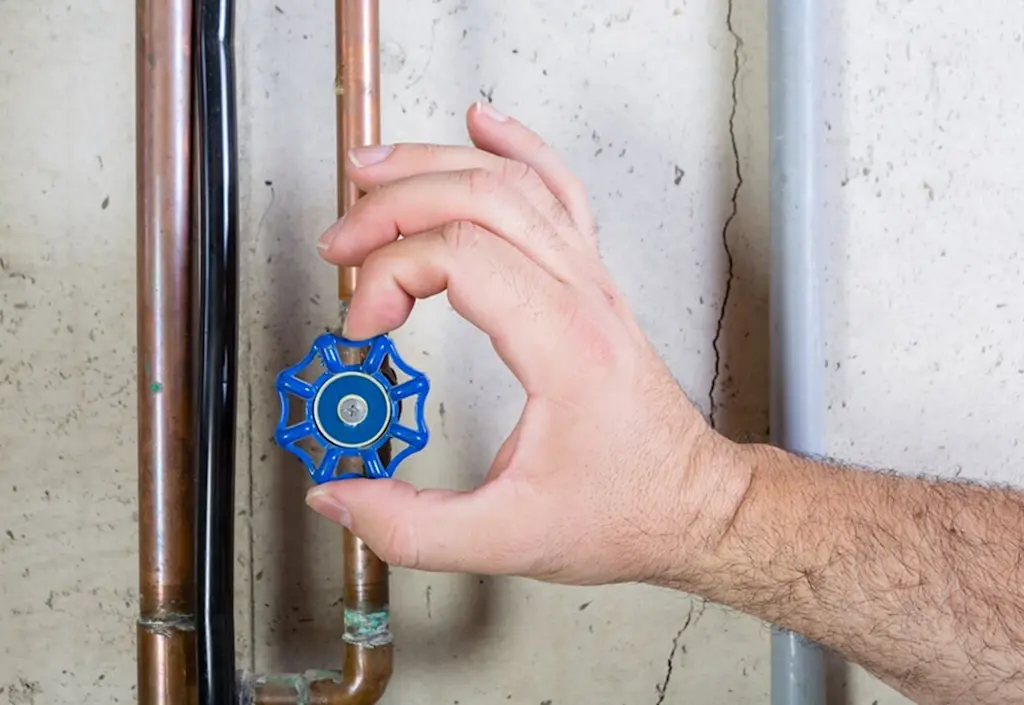
A stuck or stiff isolation valve or stopcock is fairly common, especially if it hasn't been used in years. Here's what to do:
Try applying a small amount of WD-40 or penetrating oil to the valve and leaving it to soak for a few minutes before attempting to turn it again
Try gently rocking the valve a few millimetres in each direction rather than forcing it one way
Never use excessive force, a long spanner, or a hammer - this is a fast route to a cracked fitting and a much bigger problem
If the valve genuinely won't budge, stop and call a plumber. Forcing a seized valve can cause sudden failure and serious flooding.
How to fix a leaking stopcock
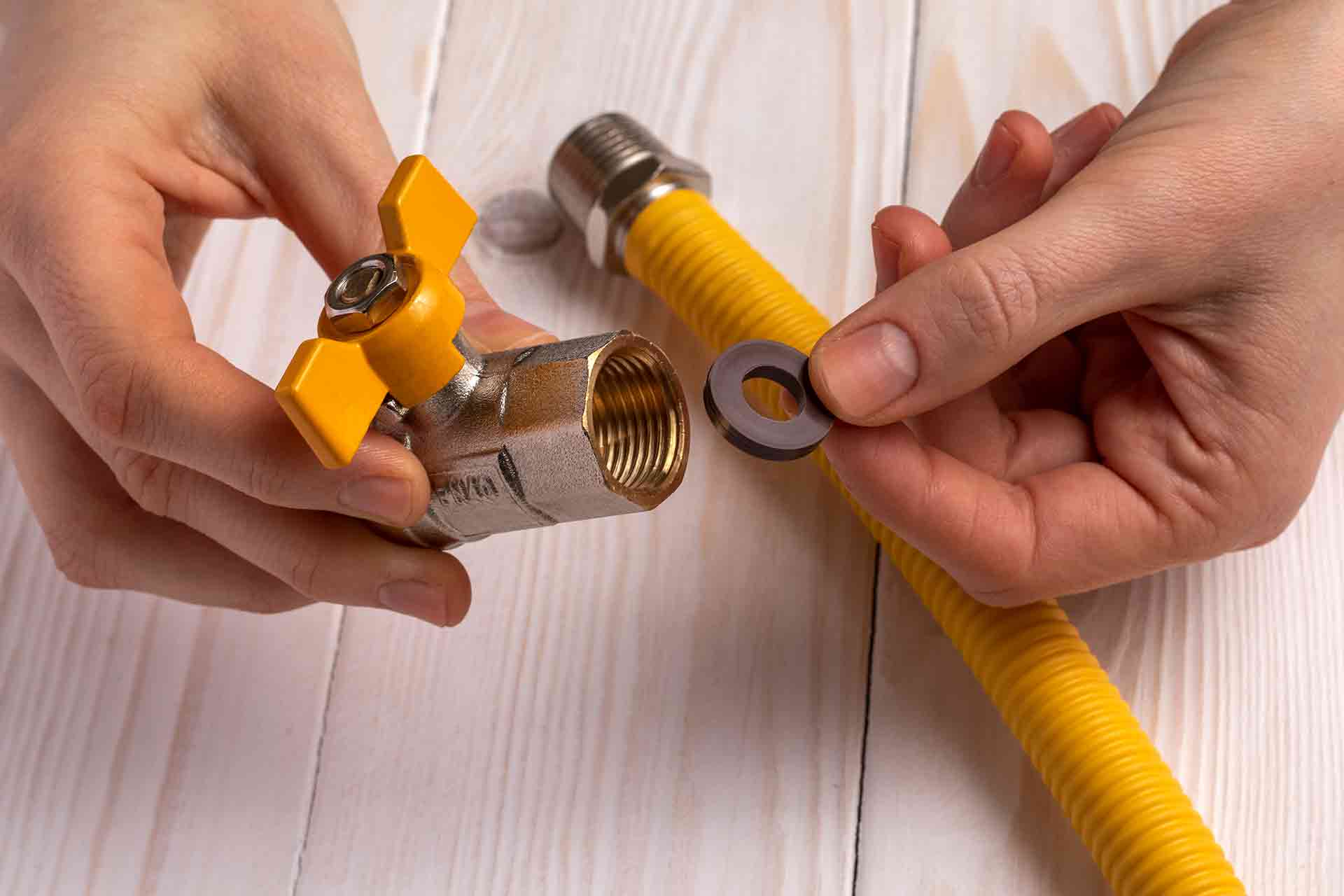
If you want to learn how to fix a leaking stopcock yourself, you've come to the right place. Our guide is going to take a deep dive into the potential issues associated with a leaking stopcock and how you can try to resolve them at home.
How much does a plumber cost?
If you need a plumber to help isolate a supply, fit new isolation valves, or deal with a leak, costs will vary depending on the job.
For guidance on what to expect to pay, take a look at our plumber cost guide and our plumber call-out fee guide.
Alternatively, why not try out our dedicated pricing tool?
Job Estimate Calculator

Finding a plumber you can trust
Whether you need help fitting isolation valves, tracking down a hidden stopcock, or dealing with an active leak, a plumber can sort it quickly and properly.
Hire an emergency plumber near you
Before the plumber arrives - a quick checklist

Things to do before your plumber arrives

On Checkatrade, you'll only find trades who meet our high standards and pass up to 12 checks.
Frequently asked questions
The isolation valves for under-sink taps are usually at the back of the under-sink cupboard, on the pipes feeding up to each tap. The internal stopcock - which controls all water to the property - is most commonly found under the kitchen sink, though it can also be in an airing cupboard or beneath the floorboards near the front door.
Turn the valve clockwise (to the right) to close it and stop the water supply. Turn it anti-clockwise (to the left) to open it again. For isolation valves operated with a screwdriver, turn the slot 90 degrees so it sits across the pipe - that's the closed position.
Yes - isolation valves let you isolate each supply independently. You can turn off just the cold water tap supply or just the hot, without affecting anything else in the house.
If you can't find your internal stopcock under the kitchen sink, check the airing cupboard, hallway, or under the floorboards near the front door. If it's still nowhere to be found, you can temporarily use the external stop tap outside the property boundary - though this is usually a job for a plumber or your water supplier.
In a flat, there may be an isolation valve inside the flat for your unit, or a shared external valve in a communal cupboard or corridor. Check your tenancy agreement or speak to your managing agent if you're unsure which valve is yours.
A stopcock (or stop tap) controls the cold water supply to the whole property. An isolation valve is a smaller valve fitted to an individual pipe, letting you isolate one fixture or appliance without affecting everything else.
Yes - if you're shutting off the main stopcock for any length of time, it's good practice to switch off your boiler first. Running a boiler without an adequate water supply can cause damage to the system.
If the stopcock is closed but water is still flowing, the valve may be worn or faulty. Call a plumber - don't continue to force the valve. You can use the external stop tap as a temporary measure while you wait.


See the tradespeople we've checked for your job