COST GUIDES
Green home grants available in 2026
Updated 06/26
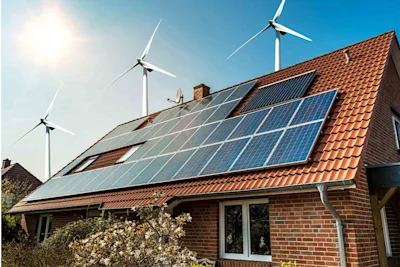
Looking to make your home more energy-efficient? Improving your home's energy efficiency can lower energy bills, reduce carbon emissions, and make your home more comfortable year-round. Some well-known schemes have now closed, including the Green Homes Grant, the Home Upgrade Grant and the Great British Insulation Scheme.
However, there are still grants and schemes available in 2026 that could help towards the cost of insulation, heat pumps, solar panels and other energy-saving home improvements, depending on your circumstances.
The green home grants currently available in 2026
The types of upgrades they can help fund
What to consider when planning an energy-efficiency home improvement
How to find certified installers in your area
Quick snapshot: green home grants in 2026
Several government schemes can help reduce the cost of making your home more energy-efficient. These typically support upgrades such as insulation, heat pumps, solar panels, and heating controls. In 2026, many of these initiatives sit within the government’s wider Warm Homes Plan, a long-term programme designed to upgrade millions of homes and reduce energy bills.
However, grants don't always cover the full cost of the work, so it's worth budgeting for some contribution towards the project and thinking about which improvements will deliver the biggest benefit for your home.
What green home upgrades could I get help with?
Most green home grants support improvements that boost your home's energy efficiency. These upgrades can help:
Lower energy bills
Reduce household carbon emissions
Improve comfort and indoor temperatures
Common improvements supported by funding schemes include:
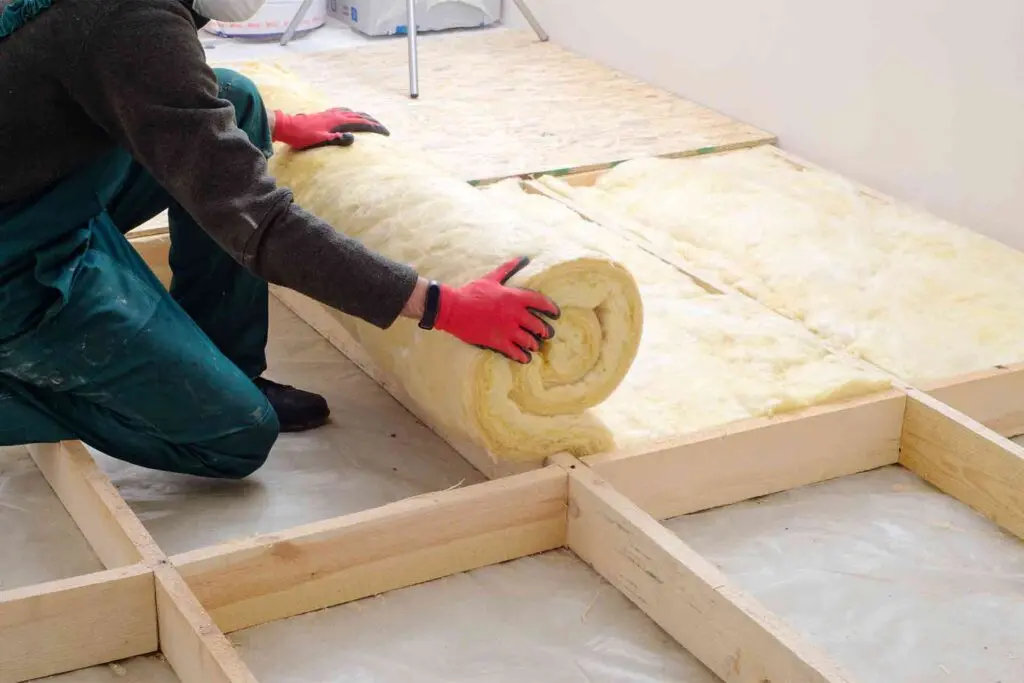
Insulation (such as loft, cavity wall, ceiling, floor insulation)
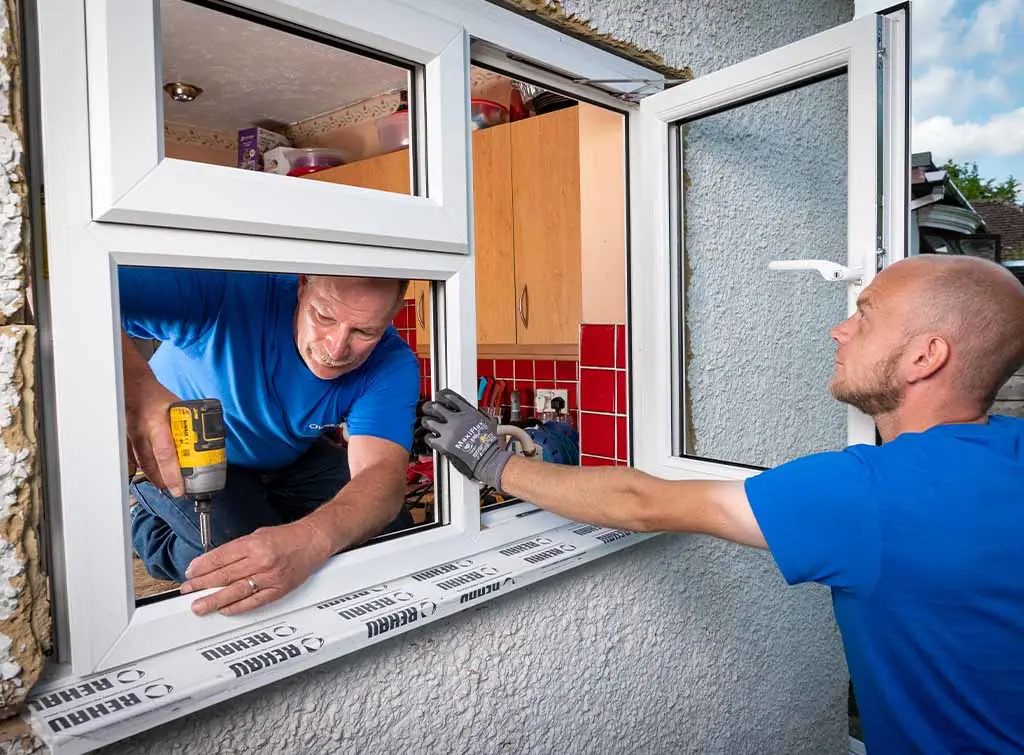
Energy-efficient windows and doors (modern double glazing and draught-proofing)
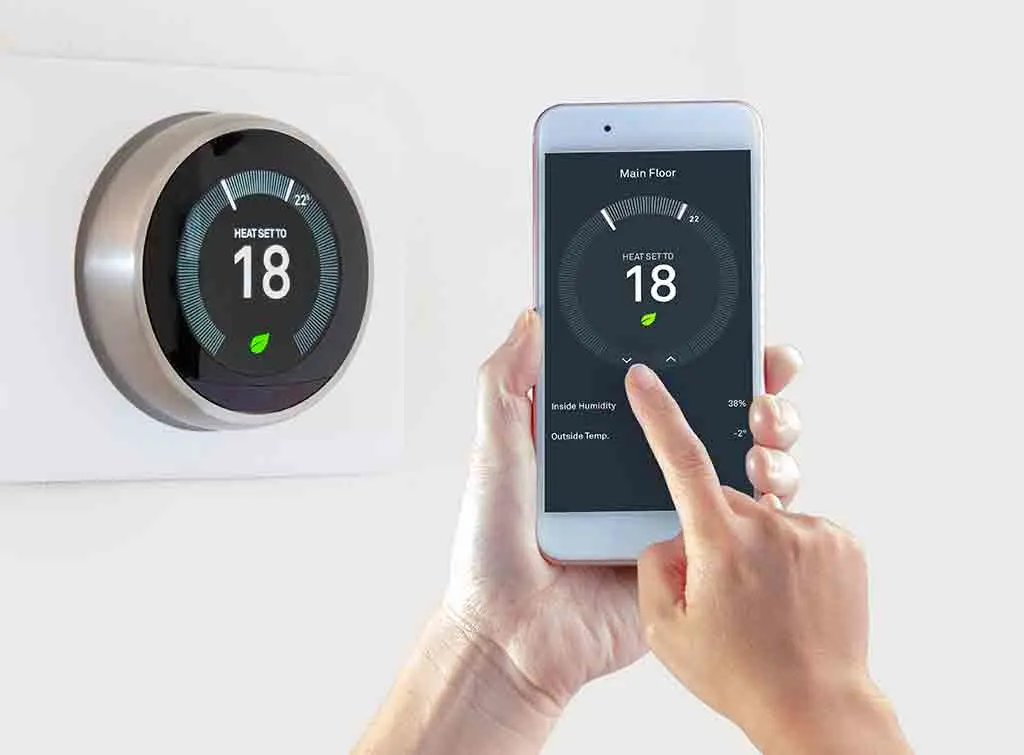
Smart heating controls (for example, smart thermostats, thermostatic radiator valves)
Renewable energy systems (solar panels, air source or ground source heat pumps, and biomass boilers)
Typical costs of green home upgrades (without a grant)
Energy-efficiency improvements can vary widely in price depending on the type of upgrade and the size of your property.
Smaller upgrades like smart thermostats may cost a few hundred pounds, while renewable heating systems, such as heat pumps, can cost several thousand pounds.
Below are typical costs homeowners might expect without grant funding.
| Green home solution | Unit | Range - Low | Range - High | Average cost |
|---|---|---|---|---|
| Retrofit loft insulation (rolls) | Per average semi-detached house | £600 | £1,000 | £800 |
| Retrofit cavity wall insulation | Per average semi-detached house | £800 | £1,200 | £1,000 |
| Retrofit floor insulation (suspended) | Per average semi-detached house | £1,500 | £3,000 | £2,250 |
| Window glazing | 3-bedroom house with 8-12 windows | £5,000 | £7,000 | £6,000 |
| Front door replacement (uPVC) | Supply and installation | £600 | £800 | £700 |
| Smart thermostat | Supply and installation | £170 | £300 | £225 |
| Air source heat pump | Supply and installation | £3,000 | £15,000 | - |
| Ground source heat pump | Supply and installation | £18,000 | £50,000 | - |
| Solar PV system | Supply and installation | £6,000 | £10,000 | £8,000 |
| Biomass boiler | Supply and installation | £19,000 | £31,000 | - |
| Last updated: June 2026 Our costs are ballpark averages - get a local tradesperson to quote now | ||||
Budget reality check
Green home grants can significantly reduce the cost of energy-efficiency upgrades, but they won't always cover the entire project cost.
Even when funding is available, homeowners may still need to pay for:
Preparation work
Redecorating after insulation upgrades
Upgrading radiators or pipework
Electrical upgrades
Finishing work after installations
Because of this, it’s worth thinking carefully about which upgrade will deliver the biggest improvement for your home.
In many properties, improving insulation first can provide the fastest return, as it reduces heat loss and lowers heating demand.
Green home grants and schemes currently available
The Great British Insulation Scheme (GBIS) ended in March 2026 and the government eligibility checker has closed. However, some energy suppliers may still be processing existing applications or enquiries, so it's worth checking directly with your supplier.
There are still several schemes that could help with the cost of making your home warmer, cheaper to run and more energy efficient.
Below, we outline the main options, including eligibility criteria and how to apply.
These schemes are usually delivered through energy suppliers, local authorities, or certified installers.
1. ECO4 (Energy Company Obligation)
The Energy Company Obligation (ECO4) scheme requires large energy suppliers to help improve energy efficiency in low-income homes.
Funding may support improvements such as:
Loft and cavity wall insulation
Heating system upgrades
Glazing improvements
Solar panels and heat pumps
Smart heating controls
ECO4 was originally set to run until March 2026 but has now been extended to December 2026.
Eligibility for ECO4 normally includes:
Homeowners or private tenants (with landlord permission)
Low-income households and those receiving qualifying benefits
Homes with EPC ratings between D and G
Households experiencing fuel poverty
How to apply for the ECO4 scheme:
Contact your local council to find out if they're taking part in the ECO4 scheme
Alternatively, contact an energy supplier directly — visit Ofgem’s website to find an obligated energy supplier
2. Boiler Upgrade Scheme
The Boiler Upgrade Scheme (BUS) helps homeowners replace fossil-fuel heating systems with low-carbon alternatives. The scheme launched in 2022 and is expected to run until 31 December 2027.
Grants currently include:
| Boiler upgrade | Maximum grant |
|---|---|
| Air source heat pump | £7,500 |
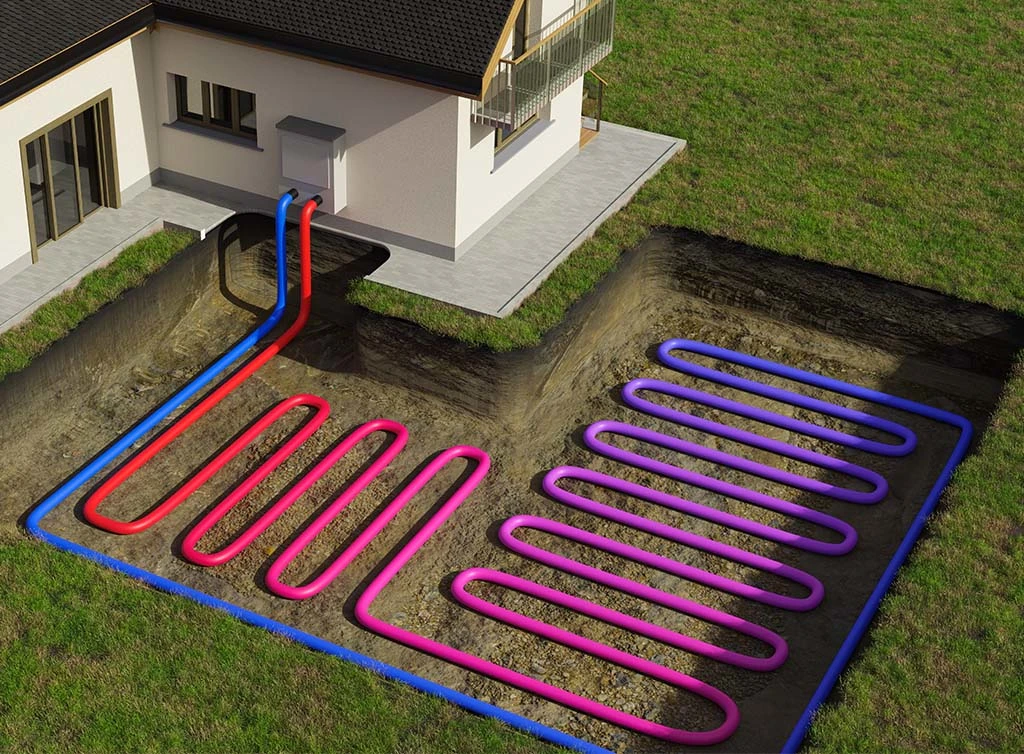
| Ground source heat pump | £7,500 |
| Biomass boiler | £5,000 |
| Last updated: June 2026 Our costs are ballpark averages - get a local tradesperson to quote now | |
Eligibility criteria for the Boiler Upgrade Scheme:
You’ll need a valid EPC with no outstanding loft or cavity wall insulation recommendations
Most new builds are not eligible
Applying for the Boiler Upgrade Scheme:
Contact an MCS-certified installer to get a quote for the work
Your installer will confirm your eligibility for the scheme
Your installer will then apply on your behalf on the Ofgem website
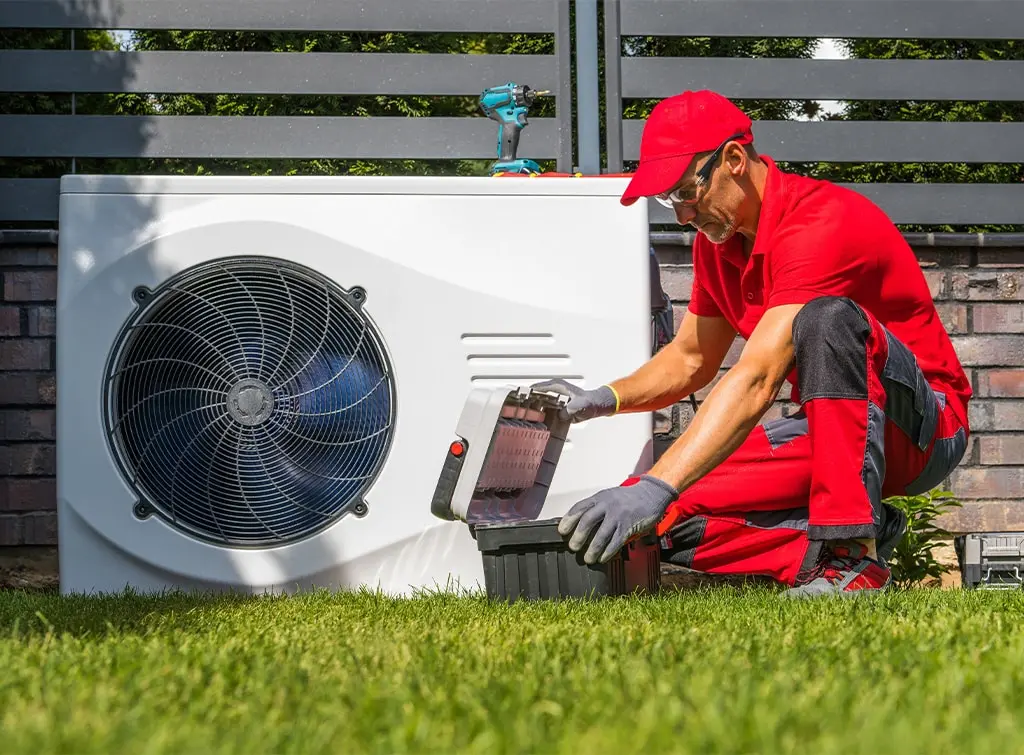
Did you know, air source heat pumps are typically 300–400% efficient, meaning they produce far more energy than they consume?
3. Warm Homes: Local Grant
The Warm Homes: Local Grant is part of the government’s wider Warm Homes Plan, designed to improve energy efficiency in low-income homes with EPC ratings between D and G.
Funding is provided to local authorities to support various upgrades, including:
Insulation improvements
Solar panels
Low-carbon heating systems (such as heat pumps)
According to the Energy Saving Trust, for an average semi-detached home, installing loft insulation in an uninsulated loft with 270mm insulation can save homeowners up to £230 on their annual energy bills, while cavity wall insulation can result in savings of approximately £240 per year.
Eligibility criteria for The Warm Homes Local Grant:
Low-income households in England
EPC between D-G
Privately owned (owner-occupied or privately rented)
Councils decide which upgrades suit each home, so the work is tailored rather than one‑size‑fits‑all.
Applying for The Warm Homes Local Grant:
Eligible low-income households usually won’t need to contribute towards the cost of approved upgrades
Check Gov.uk or contact your local authority to see whether the scheme is available in your area
The expression of interest (EOI) window for local authorities to apply for the Warm Homes: Local Grant closed on 1 December 2024. The upgrades funded by this scheme run from April 2025 to March 2028.
Because the scheme is delivered locally, availability can vary depending on where you live.
4. 0% VAT on energy-saving upgrades
While not a grant, many energy-saving home improvements qualify for 0% VAT until 31 March 2027.
Eligible improvements include:
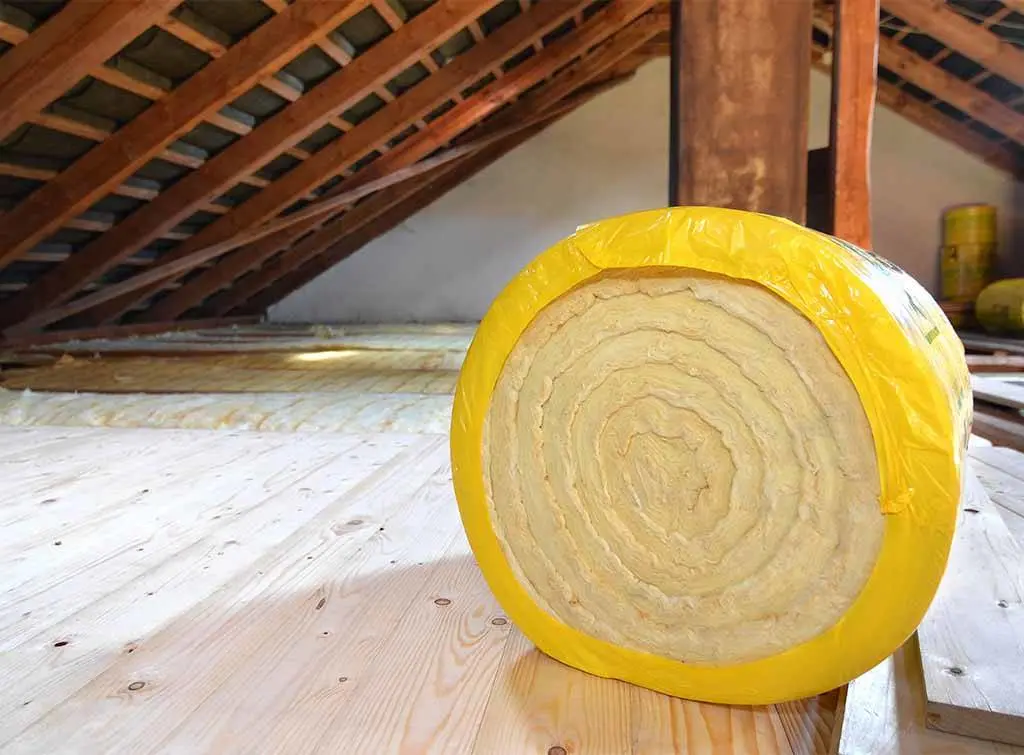
Insulation
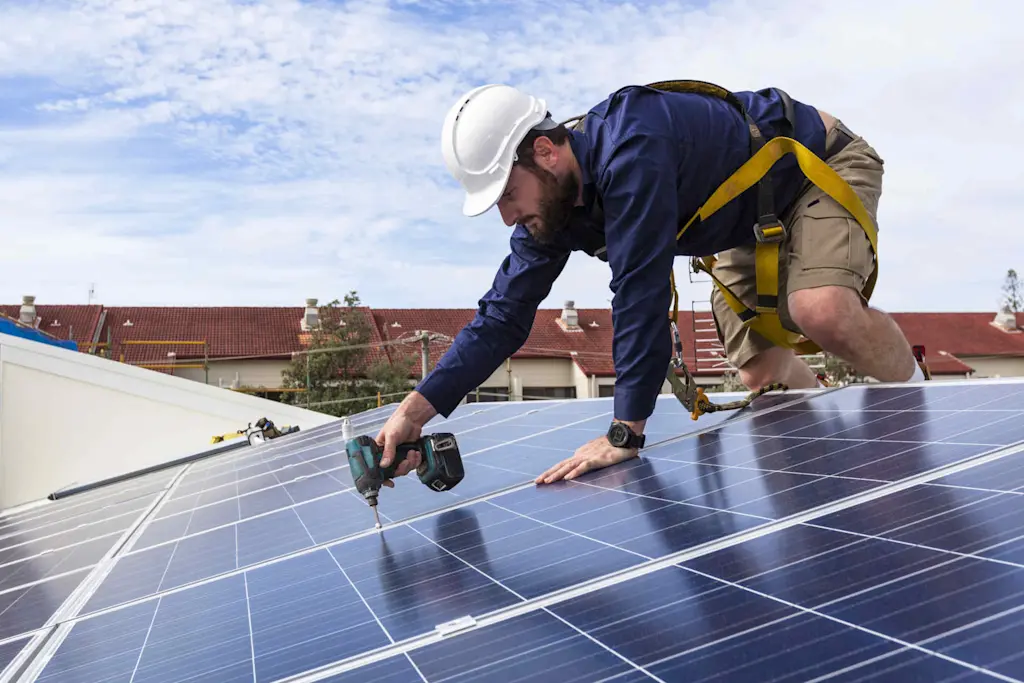
Solar panels
Heat pumps
Draught-proofing
Biomass boilers
Wind turbines
Eligibility for the zero rate on energy-saving upgrades:
The reduced VAT rate usually applies automatically when the same company supplies and installs the product
If you buy from one company and get them installed by another, you’ll need to pay 5% VAT on the cost of installation
Accessing the 0% VAT rate on energy-saving materials:
You don’t have to do anything special to access the 0% VAT on energy-saving upgrades. Rather, the change should be reflected on the quote and invoice you receive from your installer.
Compliance and installer requirements
Many energy-efficiency grants require installations to be carried out by certified installers.
For renewable technologies such as:
Solar panels
Biomass boilers
Installers typically need accreditation under the Microgeneration Certification Scheme (MCS).
However, using a certified installer doesn't just help with grant eligibility. It can also give you confidence that the work meets recognised standards and that you'll receive the right paperwork and warranties afterwards.

Green home upgrade checklist
Is a green home upgrade worth it?
Energy-efficiency improvements can involve upfront investment, but they often bring long-term benefits.
For example, topping up loft insulation is relatively low cost but can cut heat loss quickly, while a heat pump is a bigger investment that may pay off over a longer period.
Many homeowners install green upgrades to:
Reduce energy bills
Improve comfort during winter
Increase property value
Future-proof their home against rising energy costs
The best upgrade will depend on your property and how energy-efficient it currently is. Our guide to making an older home more energy efficient explains this in more detail.

Find a certified installer for your green home upgrades
Whether you’re eligible for grants and schemes or not, choosing an MCS-certified installer to complete the work is key.
They can help to:
Assess your home’s energy performance
Advise on the most suitable upgrades
Confirm whether grant funding is available
Complete installations safely and to recognised standards
Search your postcode to compare checked, reviewed installers working in your area and request quotes with confidence.
Find checked and reviewed tradespeople
Whether you want to know the cost of replastering a wall, redecoration work, or electrical upgrades, our library of cost guides is a great place to start to help with budgeting. Our cost information is verified by our professional estimators (CIOB & RICS members).


See the tradespeople we've checked for your job