COST GUIDES
Flat roof vs pitched roof cost (2026 prices)
Updated 04/26
Average cost:
Flat roofs typically cost between £50–£110 per m², while pitched roofs typically cost more, at between £120–£275 per m². The average flat roof extension costs around £52,500; pitched roof extensions around £60,000
Key cost drivers:
Roof size, materials, structural complexity, access, and location
Good to know:
Flat roofs are usually cheaper to install, while pitched roofs often last longer and may require less maintenance over time
Choosing between a flat roof and a pitched roof often comes down to more than appearance. These all play a role:
Cost
Lifespan
Maintenance
How you plan to use the space
Flat roofs are typically cheaper to install upfront, while pitched roofs tend to last longer and require less maintenance over time.
The right option for your home will depend on your budget, the type of project you’re planning, and how long you expect the roof to last.
This guide explains typical flat roof vs pitched roof costs in the UK, what affects the price, and how to weigh up the pros and cons of each option for your property.
How much does a flat roof vs pitched roof cost?
Flat roofs average around £50–£110 per m², while pitched roofs cost around £120–£275 per m².
In general, flat roofs are more affordable to install than pitched roofs because they use fewer materials and involve less complex construction. However, the final cost will depend on the materials you choose and how complex the design is.
| Item | Unit | Average cost |
|---|---|---|
| Flat roof cost | Per m² | £50–£110 |
| Flat roof extension cost | Per project | £52,500 |
| Pitched roof cost | Per m² | £120–£275 |
| Pitched roof extension cost | Per project | £60,000 |
| Last updated: April 2026 Our costs are ballpark averages - get a local tradesperson to quote now | ||
For a flat roof extension, it’s sensible to budget in the region of £52,500. For a pitched roof extension, the average cost rises to around £60,000.
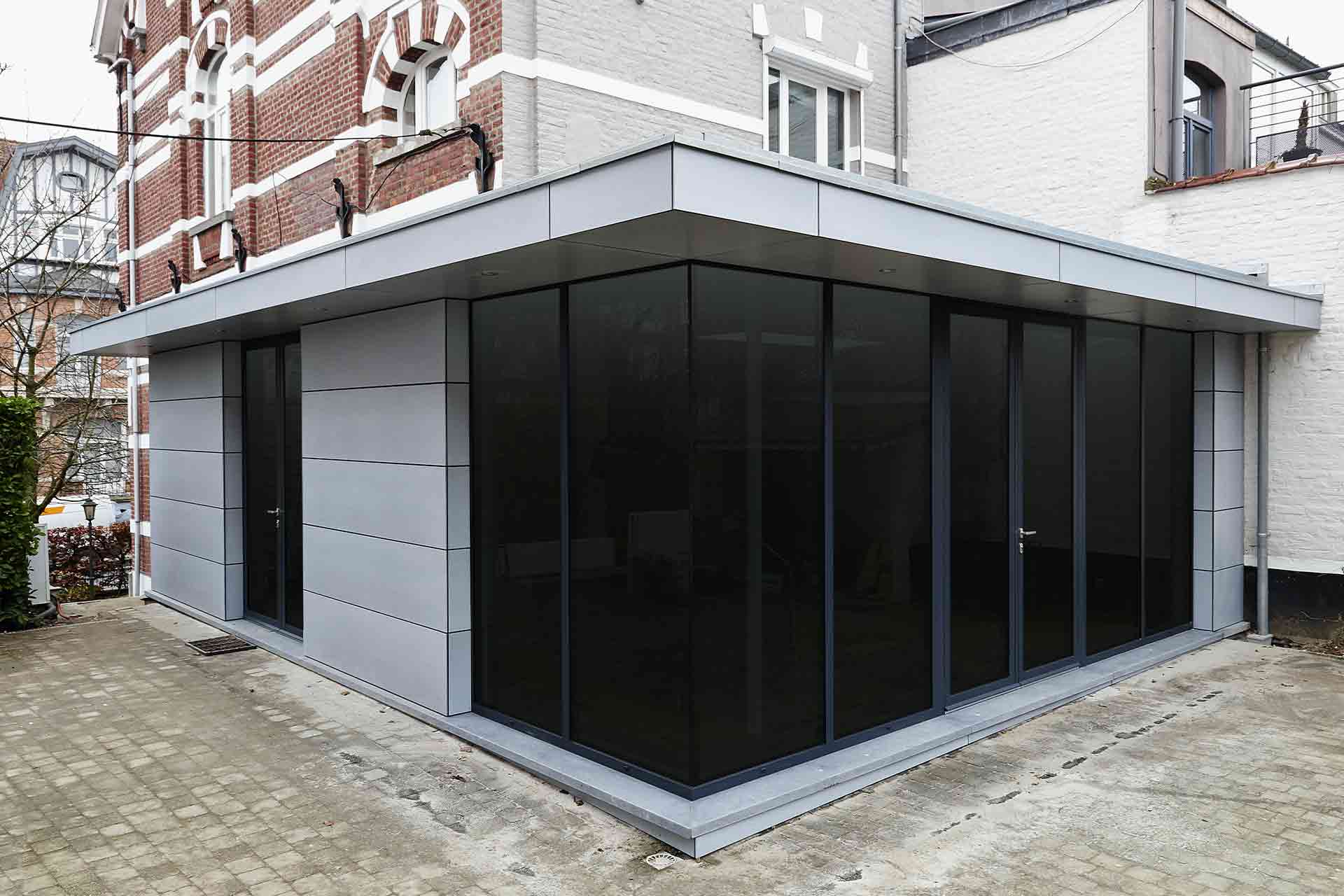
Flat roofs are often used on extensions, garages, and modern homes. Pitched roofs are more common on traditional houses and larger structures where durability and drainage are priorities.
Get a quote for a flat or pitched roof near you
For an accurate idea of costs, it’s always worth speaking to roofers who regularly carry out installations and extensions.
A professional assessment helps confirm the best roof type for your property, identify any structural requirements, and provide a realistic price for the work.
Enter your postcode to compare checked local roofers and request tailored quotes.
Find a checked and approved roofer near you
Flat roof vs pitched roof costs at a glance
Flat roof installation: £50–£110 per m²
Pitched roof installation: £120–£275 per m²
Flat roof extension cost: £52,500
Pitched roof extension cost: £60,000
Flat roofs typically have lower upfront costs
Pitched roofs usually offer a longer lifespan and better long-term durability
Data verified by our professional estimators
Estimators are CIOB & RICS members
Flat roof costs
Flat roofs are typically the most cost-effective option for extensions and smaller buildings, which is one of the main reasons homeowners choose them over pitched roofs.
The cost of a flat roof usually ranges from £50–£110 per m², depending on the materials used.
For example:
Felt roof: around £65 per m²
EPDM rubber roof: typically £80–£100 per m²
Flat roofs are often quicker to install and easier to access for maintenance, which can help keep initial costs lower.
However, they may require more regular inspections and repairs over time, particularly in areas exposed to heavy rainfall or temperature changes.
Pitched roof costs
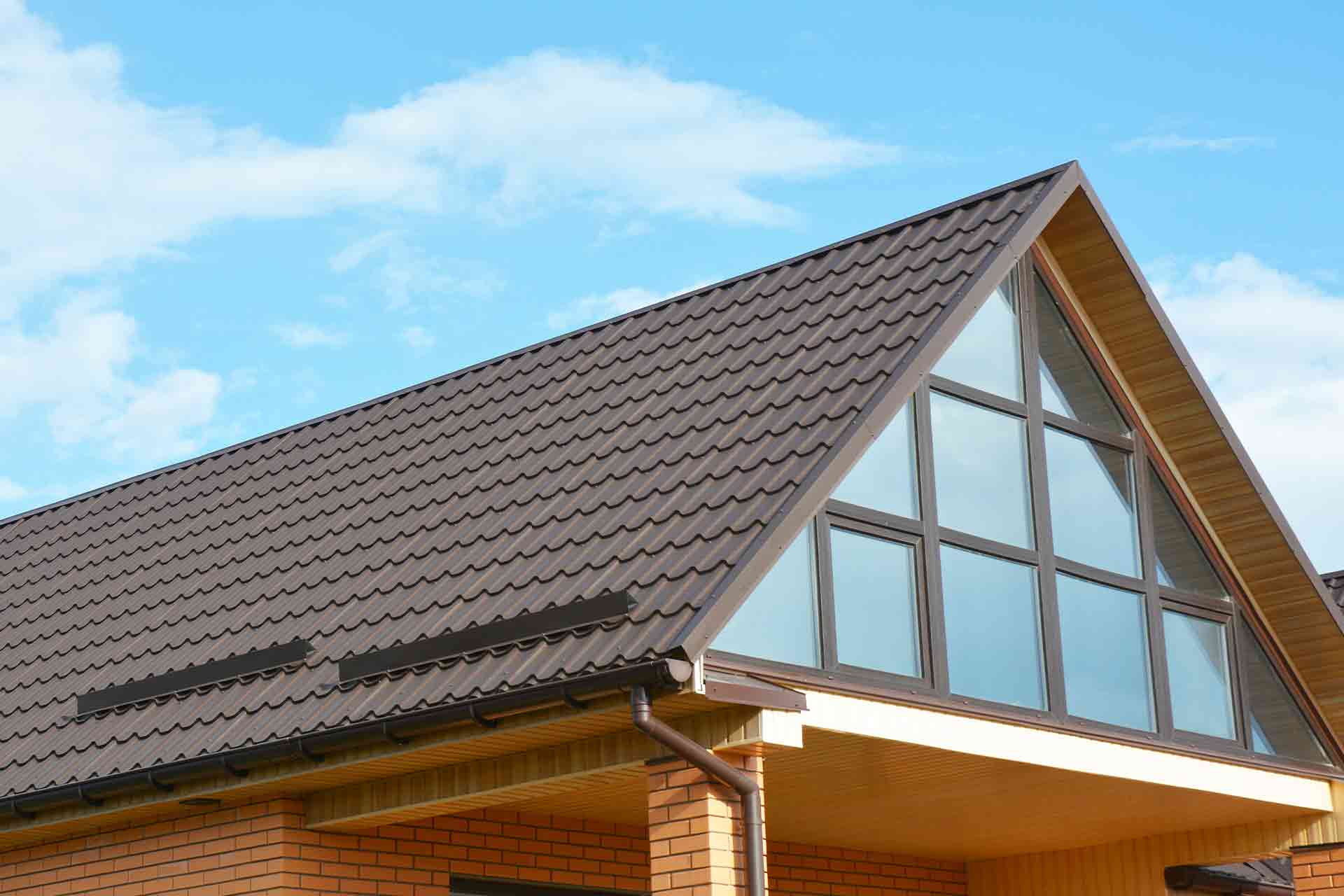
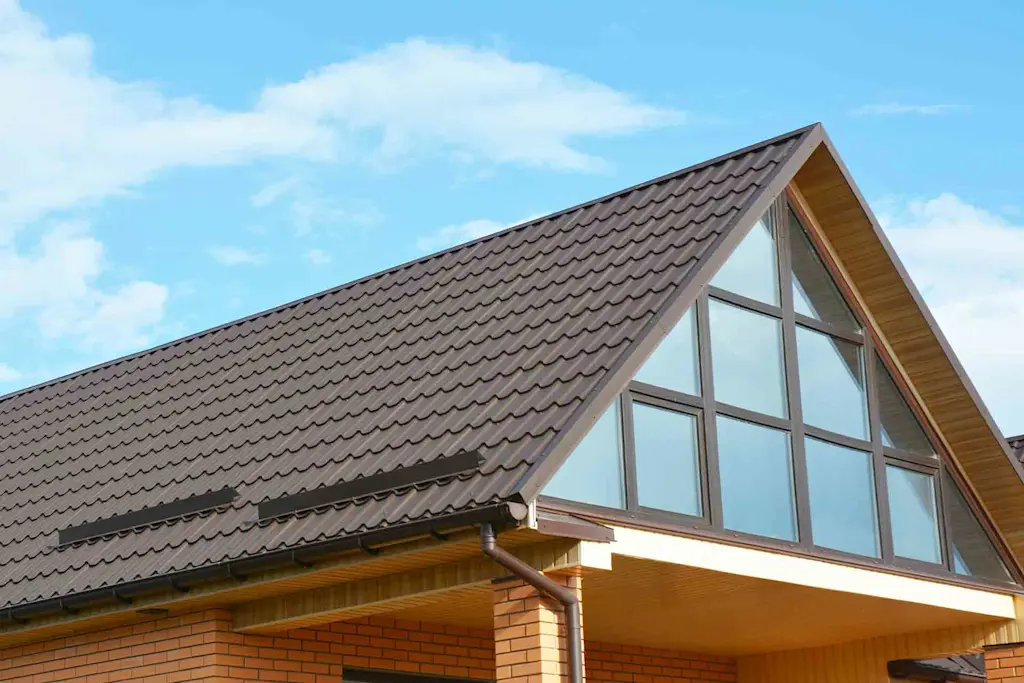
Pitched roofs generally cost more to install than flat roofs because they involve more materials and a more complex structure.
Typical costs range from £120–£275 per m², depending on the materials used.
Common materials include:
Slate (usually the most expensive option): around £160–£275 per m²
Clay or concrete tiles: typically £120–£230 per m²
While the upfront cost is higher, pitched roofs often have a longer lifespan and better drainage, which can reduce maintenance costs over the long term.
Cost to replace flat roof with pitched roof (2026 prices)
Converting a flat roof to a pitched roof is a popular home improvement for British homeowners, for both aesthetic and practical reasons. In this guide we look at the average cost to replace a flat roof with a pitched roof in the UK.
Flat roof vs pitched roof extension cost
If you’re planning an extension, the roof design can make a big difference to both the upfront build cost and the long-term maintenance of the space.
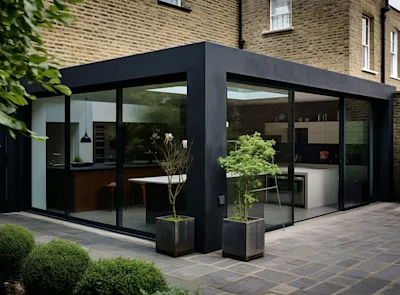
Flat roof extension cost
Extending a flat roof is usually more affordable due to its simpler design and lower material costs.
The average cost of a flat roof extension is around £52,500.
Flat roofs are often chosen for rear extensions and modern designs where keeping costs manageable is a priority.
Pitched roof extension cost
Pitched roof extensions are generally more expensive because they need additional structural work and more materials.
The average cost of a pitched roof extension is around £60,000.
Although the upfront cost is higher, pitched roofs can offer improved durability and can blend more naturally with the existing structure of many traditional homes.
For many people, this is the point where the decision shifts from pure cost to practicality — which roof will work best over time, not just which one is cheaper to build initially.
Pros and cons of flat roofs
Cost is only part of the decision. How long the roof is likely to last, how much upkeep it may need, and how it fits the style of your home all matter too.
Advantages of flat roofs
Lower installation cost
Faster construction time
Easier access for maintenance
Suitable for modern architectural styles
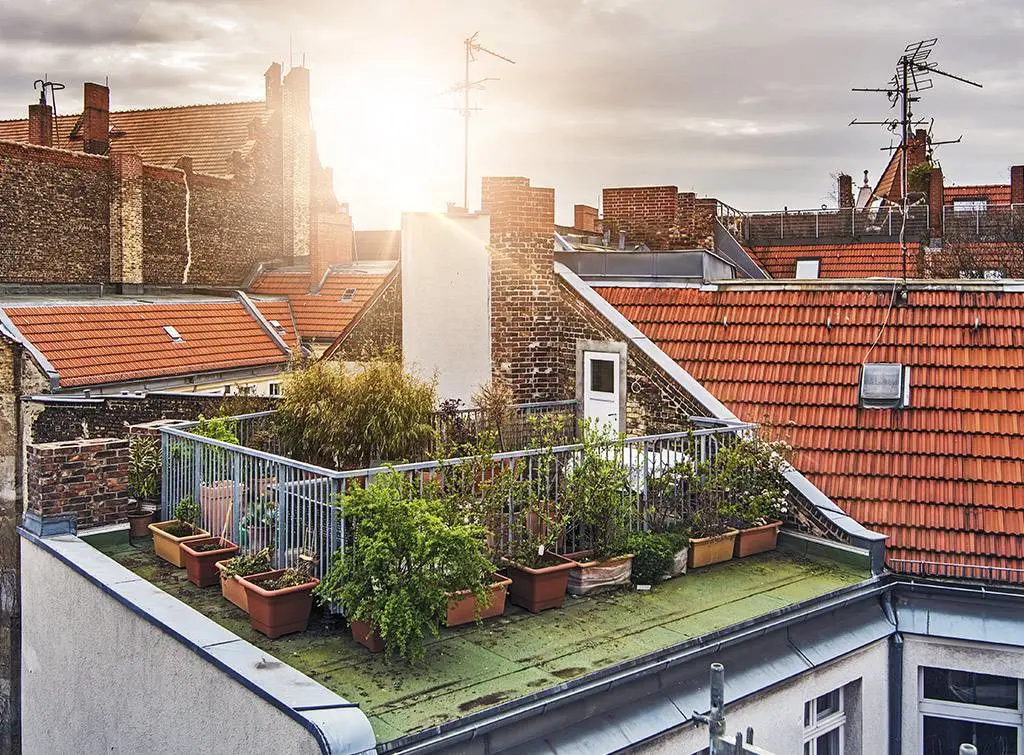
Can be used as outdoor space in some designs
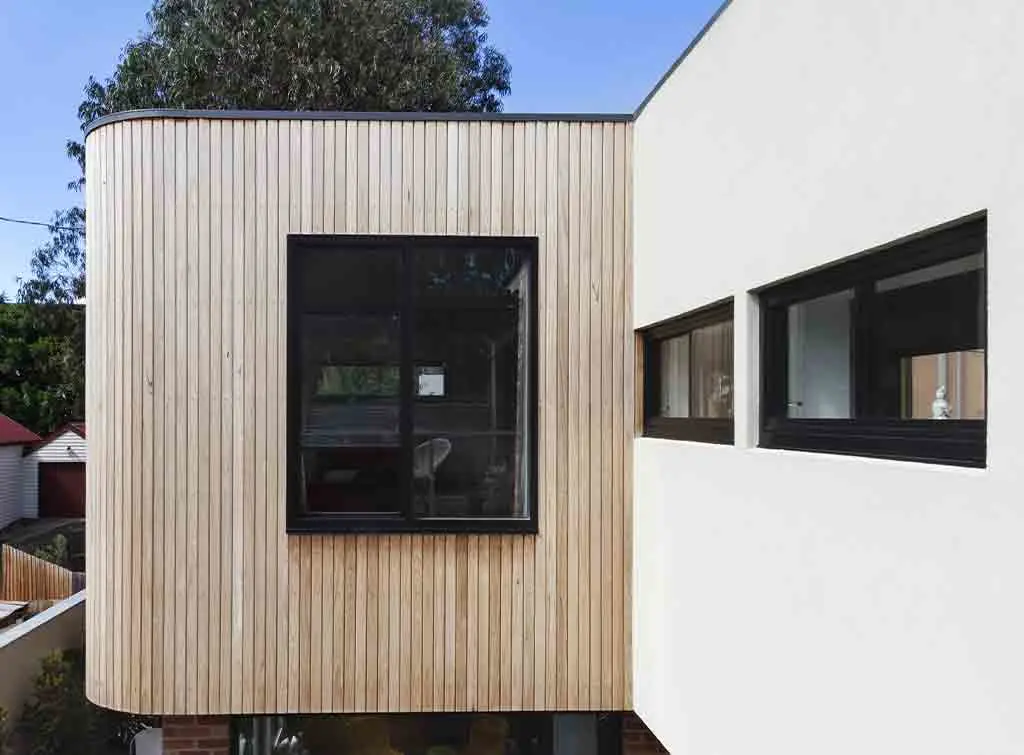
Flat roofs are also often chosen for modern extensions because they suit cleaner, more minimalist designs. In some cases, they can create usable outdoor space too, which adds to both practicality and visual appeal.
Potential drawbacks of flat roofs
Shorter lifespan compared with pitched roofs
Greater risk of leaks if not maintained
May require more frequent repairs
Less effective natural drainage
Pros and cons of pitched roofs
Advantages of pitched roofs
Longer lifespan
Better drainage and weather resistance
Traditional appearance
Often requires less maintenance
Potential drawbacks of pitched roofs
Higher installation cost
Longer construction time
More difficult to access for repairs
Limited suitability for rooftop use
What affects the cost of a flat or pitched roof?
Several practical factors influence how much you’ll pay, regardless of the roof type.
Roof size: Larger roofs require more materials and labour, increasing the total cost
Materials: Felt and EPDM are common for flat roofs, while slate, clay, and concrete tiles are typical for pitched roofs. Higher-quality materials usually cost more but may last longer
Design complexity: Features such as skylights, dormers, or unusual roof shapes can increase installation time and cost
Access to the property: Limited access may require scaffolding or specialist equipment
Structural requirements: Additional support beams or reinforcement may be needed, particularly for extensions
Location: Labour rates vary across the UK
Understanding these factors early can help plan your budget more realistically and compare quotes more confidently.

On Checkatrade, you'll only find trades who meet our high standards and pass up to 12 checks.
Additional costs to budget for
Installing or extending a roof often involves extra costs beyond the basic construction.
These are the common additional costs to be aware of:
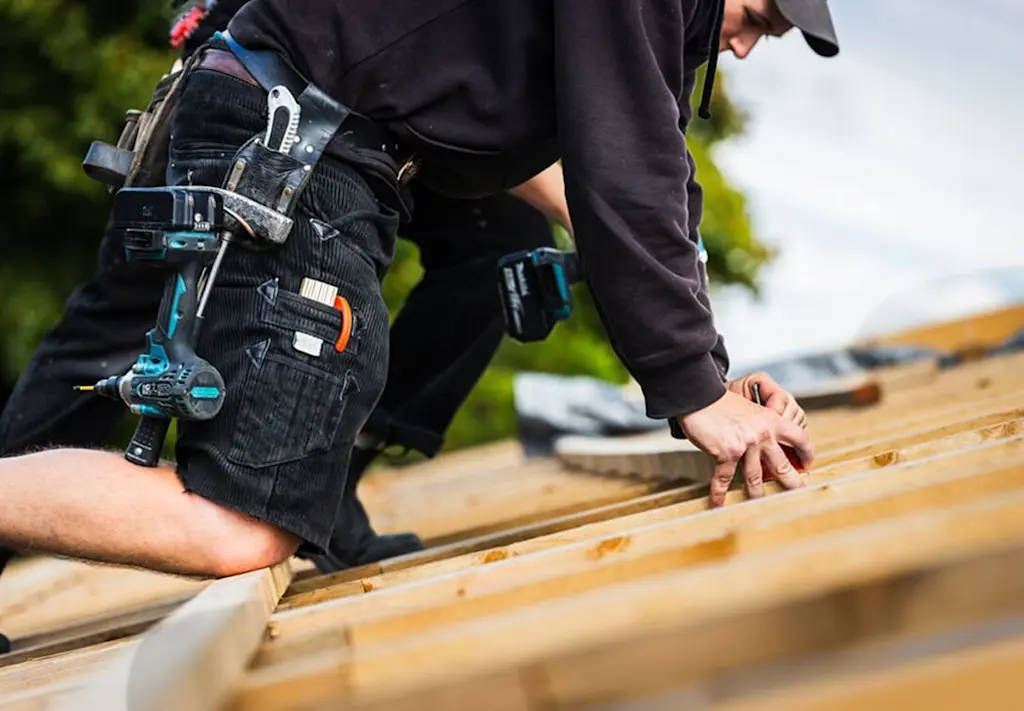
Carpenter (labour): £300 per day
Roofer (labour): £300 per day
Structural design services: £50 per hour
Planning permission (England): £210
Planning permission (Wales): £190
Not every project will include all of these costs, but setting aside a contingency budget can help avoid unwelcome surprises later.
What should be included in a roofing quote?
A roofing quote should set out exactly what you’re paying for. If anything feels unclear, don't hesitate to ask your contractor for clarity. Look for details covering:
Labour costs
Materials
Waste removal
Scaffolding or access equipment
Installation
Any exclusions or optional extras
Comparing itemised quotes from different installers makes it easier to understand where your money is going and helps prevent misunderstandings later.
We check the reviews on Checkatrade are from real people, and that trades meet our high standards.
How long does it take to install a flat or pitched roof?
The timeline for installing a flat or pitched roof will depend on the size and complexity of the project.
As a general guide:
Flat roof installation is usually quicker due to its simpler design
Pitched roof installation may take longer because of the structural work involved
Weather conditions, access, and material availability can also affect the schedule.
Flat roof vs pitched roof cost calculator
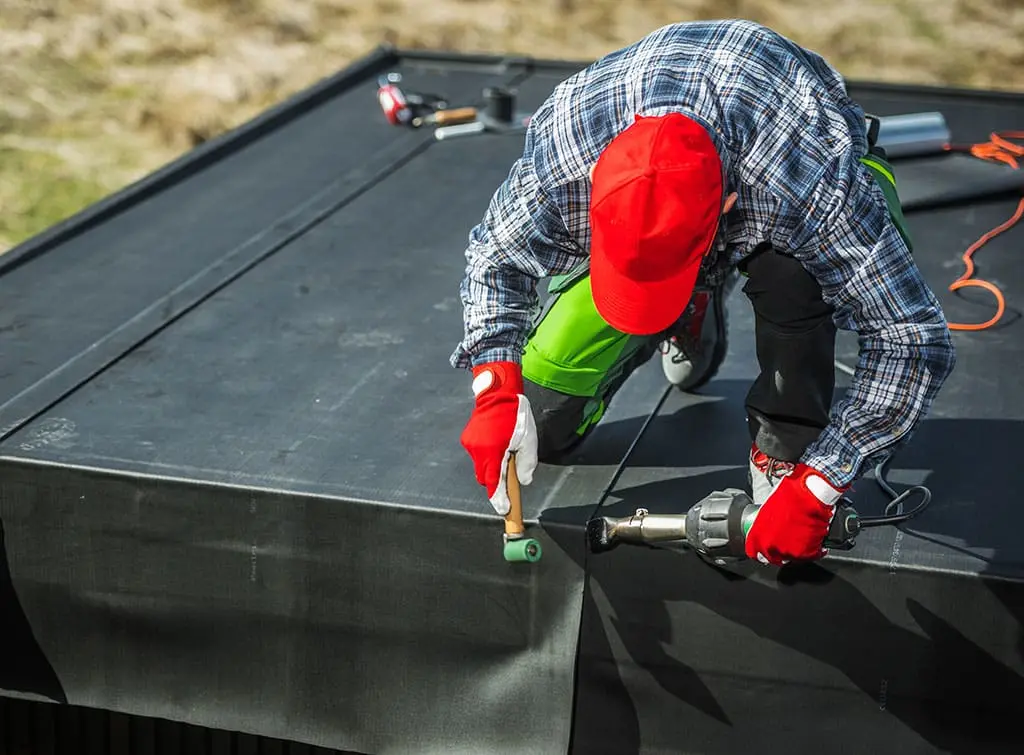
Our cost calculator can help generate a ballpark price for installing a flat or pitched roof before requesting quotes from checked local roofers.
Bear in mind, you’ll need to consider your roof size, materials used, labour time, access to the property, and structural requirements.
Job Estimate Calculator

This calculator provides a guide price only, not a quote. It’s always best to contact a selection of experienced roofing companies to get an accurate quote for your project.
Find a checked and approved roofer near you
Can you install a flat or pitched roof yourself?
Roof installation is rarely a DIY job.
Working at height carries safety risks, and incorrect installation can lead to leaks, structural problems, and costly repairs later on.
Professional installation helps ensure your roof is built safely, performs as expected, and meets building regulations where required.


Flat roof vs pitched roof cost checklist
When should you speak to a roofer?
If you’re planning an extension, replacing an ageing roof, or weighing up different design options, it’s usually worth getting professional advice early.
A good roofer will assess the structure, explain the practical differences between flat and pitched roofs, and help you understand which option will work best for your home and budget.
Speaking to someone with hands-on experience can help you make a more confident decision. After all, a new roof — pitched or flat — is not a small investment.

Find checked local roofers near you
Comparing local installers is one of the best ways to understand what a fair price looks like for your project.
A reputable roofer should be able to assess your property, explain your options clearly, provide a written quote, and outline timelines and materials.
Browse trusted roofers working in your area
Enter your postcode to find a top tradesperson near you
World of Roofing
10.00
(135 reviews)Services & skills
RooferLeadworks InstallationChimney Cowlings RepairSlate / Tiled Roofing InstallationTiled Conservatory Roof InstallationHighverge Ltd
10.00
(172 reviews)Services & skills
RooferLeadworks InstallationFlat Roofing RepairLiquid Plastic Roofing InstallationPitched Roofing InstallationRipley Developments Ltd
10.00
(85 reviews)Services & skills
RooferLeadworks InstallationLeadworks RepairDormer / Roof WindowsRubber Roofing InstallationHenrysRoofing
10.00
(63 reviews)Services & skills
RooferChimney Cowlings InstallationGlass Roof RepairEmergency Roofing ServiceSlate / Tiled Roofing InstallationRidgeline Property Maintenance
10.00
(37 reviews)Services & skills
RooferLeadworks InstallationFibre Glass Roofing RepairDry Ridge RepairPitched Roofing InstallationRoofer UK Network Limited
10.00
(47 reviews)Services & skills
RooferLeadworks InstallationMoss RemovalRoof ReplacementBalcony Roofing Installation


FAQs
Is a flat roof cheaper than a pitched roof?
Flat roofs are usually cheaper to install than pitched roofs because they use fewer materials and involve simpler construction. However, pitched roofs often last longer and may require fewer repairs over time.
Which roof lasts longer — flat or pitched?
Pitched roofs generally have a longer lifespan because their sloped design allows rainwater to drain more effectively. Flat roofs can still last many years, but they typically require more regular maintenance.
Does a pitched roof add value to a property?
A pitched roof can improve durability and appearance, which may make a property more appealing to buyers. However, the impact on value will depend on the overall design and condition of your home.
Is a flat roof suitable for an extension?
Yes, flat roofs are commonly used for extensions because they're cost-effective and easier to build. They're particularly popular for modern rear extensions and smaller projects.

See the tradespeople we've checked for your job