COST GUIDES
Loft conversion cost: 2026 UK price guide & breakdown
Updated 03/26
By: Content Team
Typical cost
Most loft conversions cost between £27,500 and £75,000+ depending on the type of conversion, property structure, and specification.
Key cost drivers
The biggest factors affecting price are the type of conversion, structural changes required, and the size of your loft space.
Compliance requirement
Loft conversions must meet Building Regulations, and some projects require planning permission, structural engineer reports, and Building Control certification.
Creating extra space by converting your loft is one of the most popular home improvements in the UK. It can transform an unused attic into a bedroom, office, or living area, often without the cost and disruption of moving house.
But loft conversions are a significant investment, and costs can vary widely depending on the structure of your home and the type of conversion you choose.
Below, we break down typical loft conversion costs in 2026, what affects pricing, and how to budget for the project realistically.
Quick loft conversion cost snapshot
As a quick guide, most loft conversions in the UK fall within the following ranges:
Velux loft conversion: around £27,500
Dormer loft conversion: around £50,000
Hip-to-gable conversion: around £60,000
Mansard loft conversion: around £65,000
Bungalow loft conversion (50m²): around £75,000
Overall, many homeowners spend in the region of £50,000 on a typical loft conversion, depending on structural changes, materials, and finish.
The most affordable option is usually a Velux (rooflight) conversion, while Mansard conversions tend to be the most expensive because they involve major structural work.
Some projects stay close to the original quote. Others change once builders open the roof and see what they’re working with.
Data verified by our professional estimators
Estimators are CIOB & RICS members
How much does a loft conversion cost in 2026?
In the UK, most loft conversions cost between £27,500 and £75,000, depending on the type of conversion, structural changes, and the size of the loft space.
For a typical 30m² loft conversion, the average UK costs are:
| Type of loft conversion (30m²) | Average cost | Timescale (weeks) | Cost range - Low | Cost range - High |
|---|---|---|---|---|
| Velux | £27,500 | 4-6 | £22,500 | £30,000 |
| Dormer | £50,000 | 10-12 | £40,000 | £60,000 |
| Hip-to-gable | £60,000 | 10-12 | £50,000 | £70,000 |
| Bungalow (50m²) | £75,000 | 10-12 | £62,500 | £87,500 |
| Modular | £45,000 | 2-3 | £30,000 | £60,000 |
| Mansard | £65,000 | 8-10 | £50,000 | £80,000 |
| Shell | £30,000 | 8-10 | £22,500 | £37,500 |
| Last updated: March 2026 Our costs are ballpark averages - get a local tradesperson to quote now | ||||
As a rough guide, many homeowners spend around £50,000 on a typical loft conversion, although simpler projects can cost much less.
Compare loft conversion quotes near you
Loft conversion costs vary widely depending on the design, structure of your roof, and the complexity of the build. For a clearer idea of what your project might cost, search your postcode to compare quotes from checked, reviewed loft conversion specialists working in your area.
Find recommended loft conversion experts
Loft conversion cost breakdown
To understand where your budget goes, here’s a typical cost breakdown for a 30m² dormer loft conversion.
In reality, builders often adjust these figures once they’ve inspected the loft structure — older roofs can need more strengthening than expected.
| Job | Average cost (30m²) |
|---|---|
| Project management | £4,000 |
| Scaffolding (excludes temporary roof) | £4,750 |
| Internal preparation | £7,000 |
| Alterations to roof structure | £5,000 |
| Steelwork to support structural changes | £6,000 |
| Roof coverings | £8,250 |
| Electrics and plumbing | £3,250 |
| Joinery (excludes staircase) | £4,500 |
| Staircase | £2,750 |
| Plastering | £2,750 |
| Decoration | £1,750 |
| Total | £50,000 |
| Last updated: December 2024 Our costs are ballpark averages - get a local tradesperson to quote now | |
One thing many homeowners don’t expect is that finishing work often adds more than anticipated. Decorating, flooring, and built-in storage can push budgets higher if they aren’t planned early.
Loft conversion costs per m²
Another way builders estimate loft conversions is cost per square metre.
Typical averages:
Velux conversion – £920 per m²
Dormer conversion – £1,670 per m²
Hip-to-gable conversion – £2,000 per m²
Modular conversion – £1,500 per m²
Mansard conversion – £2,170 per m²
Shell conversion – £1,000 per m²
This approach helps estimate costs if your loft is larger or smaller than the typical 30m² example.
Costs by type of loft conversion
Velux loft conversion
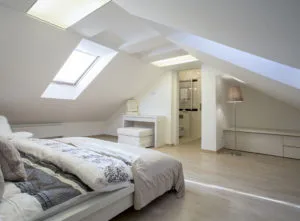
A Velux (rooflight) conversion keeps the existing roof structure and simply adds windows.
Average cost: £27,500
Pros
Most affordable option
Minimal structural work
Faster build time
Cons
Less additional floor space
Dormer loft conversion
Dormer conversions extend the roof to create more usable space and headroom.
Average cost: £50,000
Dormers are one of the most common choices because they work with many property types and create a full-height room.
Hip-to-gable loft conversion
Common on semi-detached or end-terrace houses, this conversion extends the sloping roof to form a vertical wall.
Average cost: £60,000
It’s more expensive because it involves larger structural changes.
Mansard loft conversion
A Mansard conversion reshapes the roof to create a nearly vertical wall and maximum internal space.
Average cost: £65,000
This option creates the largest rooms but usually requires planning permission.
Modular loft conversion
A modular loft conversion uses a prefabricated structure built off-site, which is then delivered and installed on top of the existing roof.
Because much of the construction is completed in advance, installation on site can be quicker and cause less disruption. The average cost of a modular loft conversion is around £45,000.
Shell loft conversion
A shell loft conversion involves completing the main structural work only, such as installing the new floor structure, roof alterations, and dormer if required.
The interior finishes, including plastering, flooring, and decoration, are then completed separately. Because it covers the structural stage only, a shell loft conversion is often one of the more affordable options, costing around £30,000.
Not sure which type of loft conversion is right for you and your home? Take a look at our guide to loft conversion types.
Budget reality check
Before you set a firm budget for your loft conversion, it helps to keep a few practical things in mind:
Every loft is different: Roof structure, access, and head height can all affect the complexity of the build
Structural work often drives the cost: Steel beams, roof alterations, and new staircases can add significantly to the price
Finishing work adds up: Flooring, decoration, and fitted storage are sometimes left out of early estimates
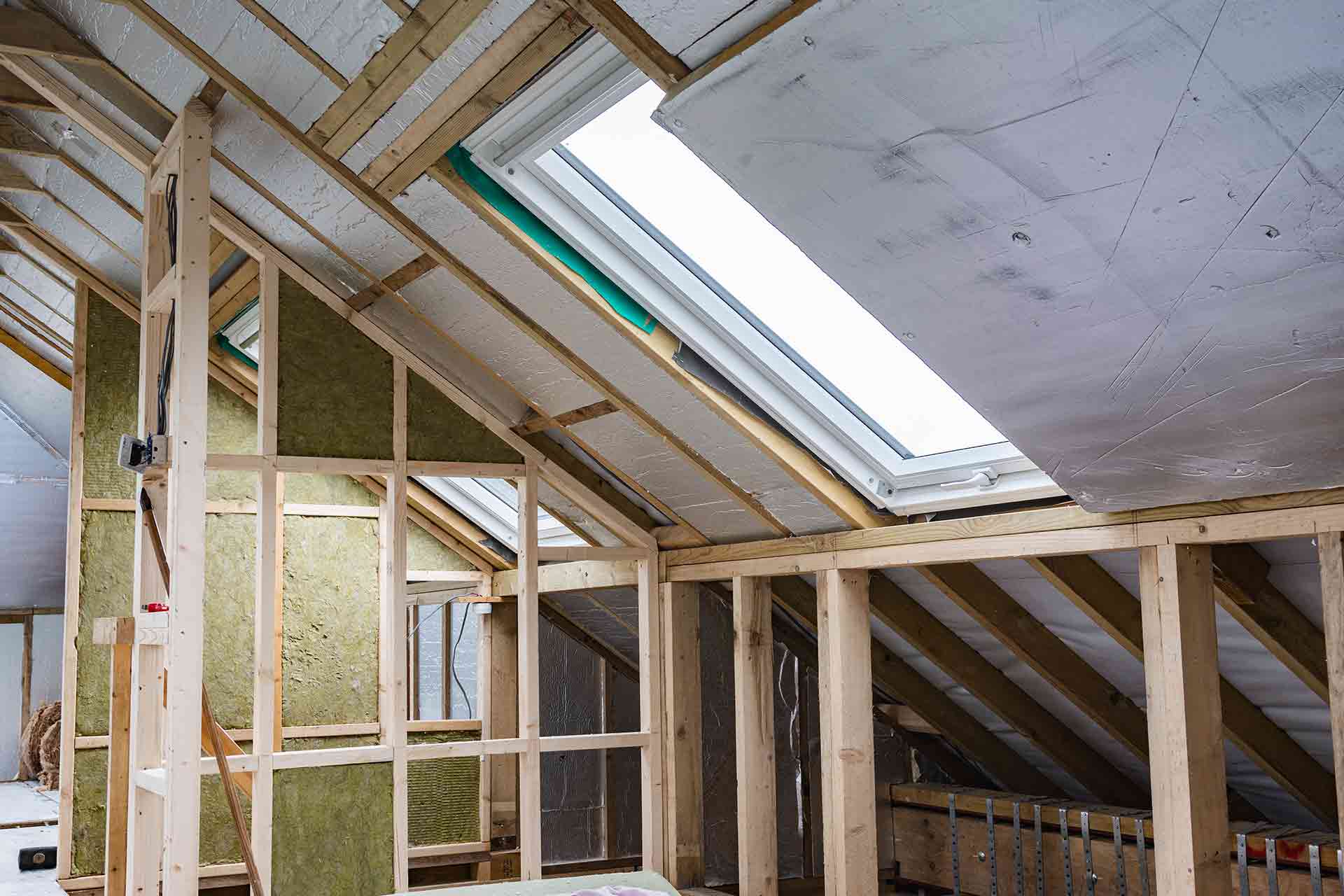
Older homes can reveal surprises: Once builders open the roof, extra strengthening or insulation upgrades may be needed
Because of this, many homeowners plan for a contingency of around 10–15% on top of the initial quote.
Loft conversion costs by property type
The cost of a loft conversion can also vary depending on the type of property you own.
Bungalows
Because bungalows often have larger roof spaces, conversions can create substantial new living areas. However, the larger footprint means costs are often higher, averaging around £75,000.
Semi-detached houses
Velux or dormer conversions are common in semi-detached homes, although hip-to-gable designs are often used to maximise space. Average costs are around £50,000.
Detached houses
Detached properties often allow more flexibility in design, sometimes combining multiple conversion styles such as dormers and gable extensions. Costs are typically around £62,500.
Terraced houses
Dormer conversions are the most common option for terraced homes as they create additional headroom without major structural changes. Typical costs are around £50,000.
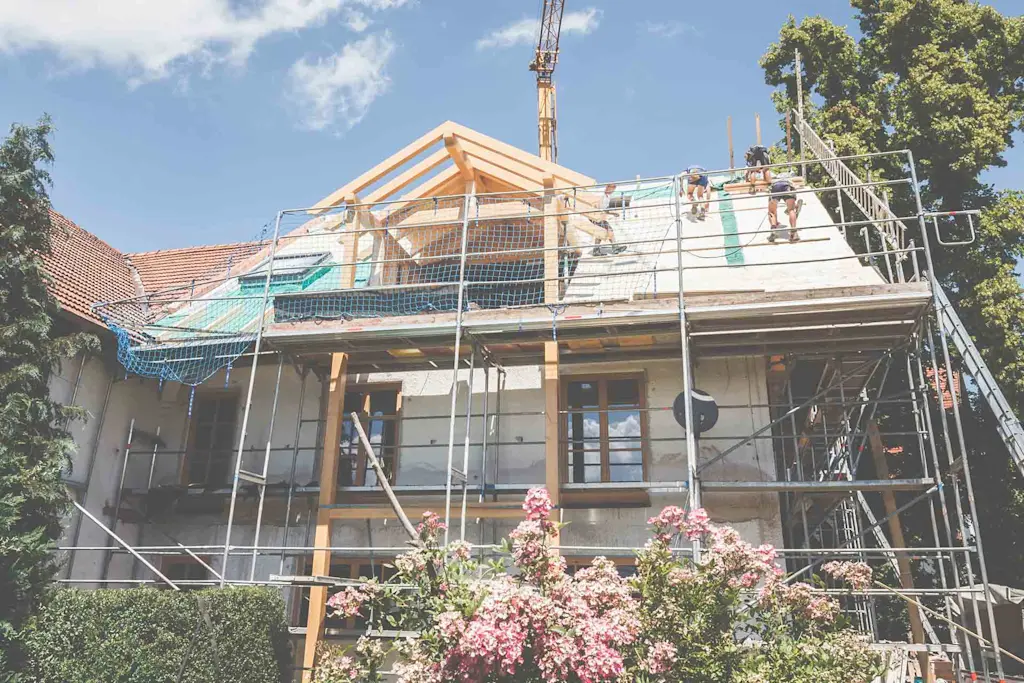
Planning permission and building regulations
Many loft conversions can be carried out under permitted development, meaning you won’t need to apply for full planning permission.
However, that doesn’t mean there are no rules. All loft conversions must still meet building regulations to ensure the space is structurally safe and suitable for living.
Do loft conversions need building regulations approval?
Yes. Even if planning permission isn’t required, loft conversions must comply with building regulations.
These rules cover important aspects of the build, including:
Structural stability of the new floor and roof
Fire safety and escape routes
Staircase access and head height
Insulation and ventilation
Electrical safety
A structural engineer will usually calculate the steel beams required to support the new floor and roof structure.
Once the work is complete, a building control inspector will carry out a final inspection. If everything meets the required standards, you’ll receive a completion certificate.
This certificate is important — you’ll usually need it if you sell your property in the future.
When is planning permission required for a loft conversion?
Planning permission is normally required if:
The conversion exceeds permitted development size limits
The design significantly alters the roofline
The property is listed
The home is located in a conservation area
In December 2024, the government announced plans to make it easier for homeowners to extend upwards in some cases, including certain loft extensions.
Even so, planning rules can vary depending on your property and location, so it’s always worth checking with your local planning authority before starting a loft conversion project.
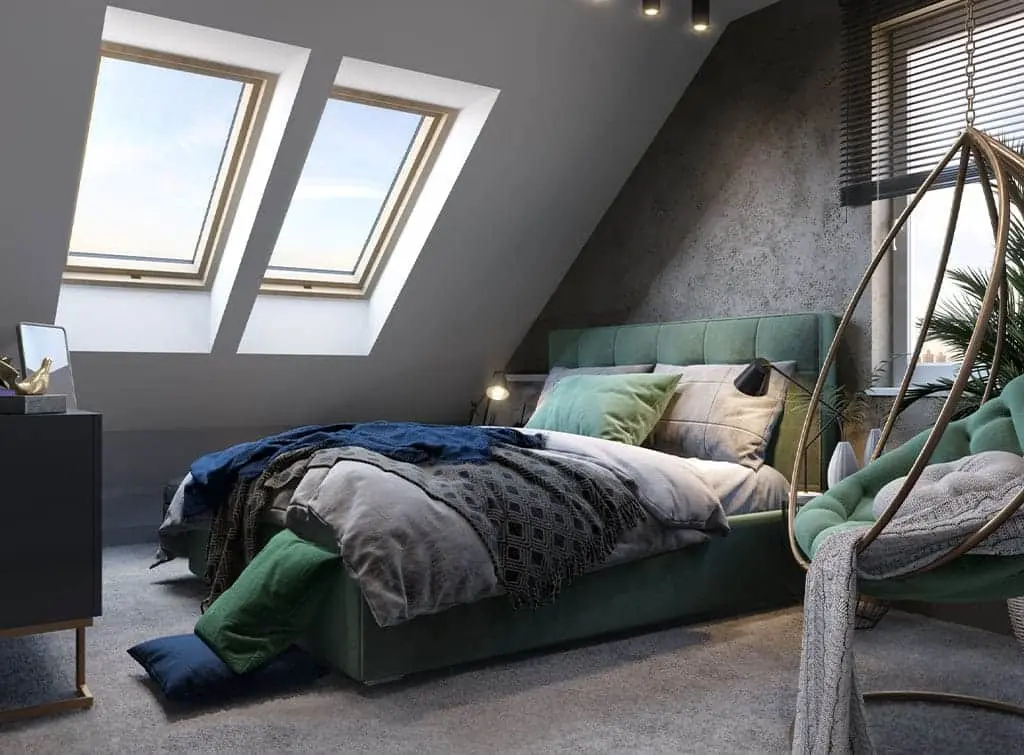
What affects loft conversion costs?
Several factors can significantly influence the final cost of your loft conversion:
Size of the loft – Larger lofts require more materials, structural support, and labour
Type of conversion – A simple rooflight conversion costs far less than a Mansard or hip-to-gable design
Structural changes – Steel beams, roof alterations, and new staircases add significant cost
Fixtures and fittings – Bathrooms, skylights, and bespoke storage can quickly increase budgets
Location – Labour and material costs are usually higher in London and the South East
Access and complexity – Tight loft spaces or older roof structures can require additional strengthening work
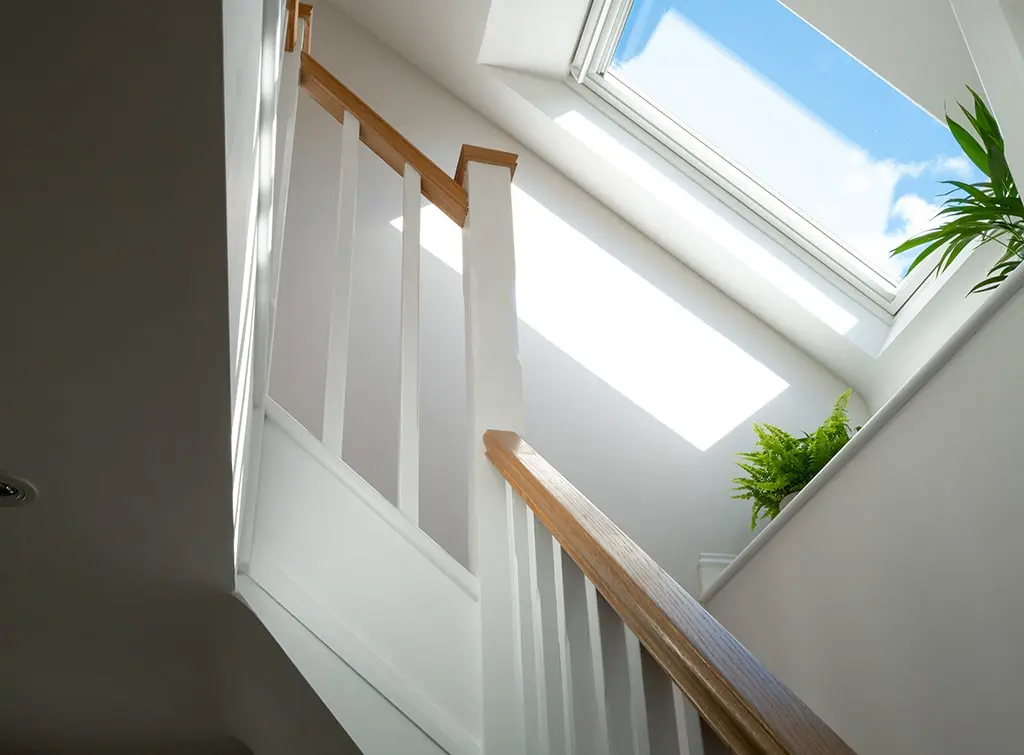

On Checkatrade, you'll only find trades who meet our high standards and pass up to 12 checks.
Hidden costs to budget for
Some costs are easy to overlook during early planning. Potential extras include:
Architect drawings (£1,000 to £2,000)
Structural engineer calculations
Party Wall Agreements
Bat surveys (£400–£750 if required)
Upgrading insulation
Interior finishing and decoration
These additional costs can easily add 10–15% to the overall budget. For many homeowners, it’s the finishing work, including flooring, decorating and built-in storage that pushes the budget higher than expected.
Loft conversion cost calculator
Use our estimator to get a guide price for your loft conversion project based on the type of conversion, structural requirements, and size.
Job Estimate Calculator

This calculator provides a guide price only, not a quote. Always arrange for a trusted local loft conversion company to assess your property and provide a written quote before making any decisions.
For a clearer idea of what you’ll actually pay, it’s worth getting several written quotes from loft conversion specialists working locally to you.
Find recommended loft conversion experts
Ways to reduce loft conversion costs
Loft conversions are a major investment, but there are a few practical ways to keep costs under control.
Plan carefully before starting – Clear plans help avoid unexpected structural changes and delays during construction
Choose a simpler design – Rooflight (Velux) conversions usually require fewer structural alterations and can be significantly cheaper than larger dormer or Mansard conversions
Compare several quotes – Getting multiple quotes from experienced loft conversion specialists helps ensure you receive a fair price for the work
Consider completing finishing work separately – Some homeowners reduce costs by choosing a shell conversion and arranging finishing work themselves
Include a contingency budget – Most builders recommend setting aside around 10% of the total budget for unexpected costs
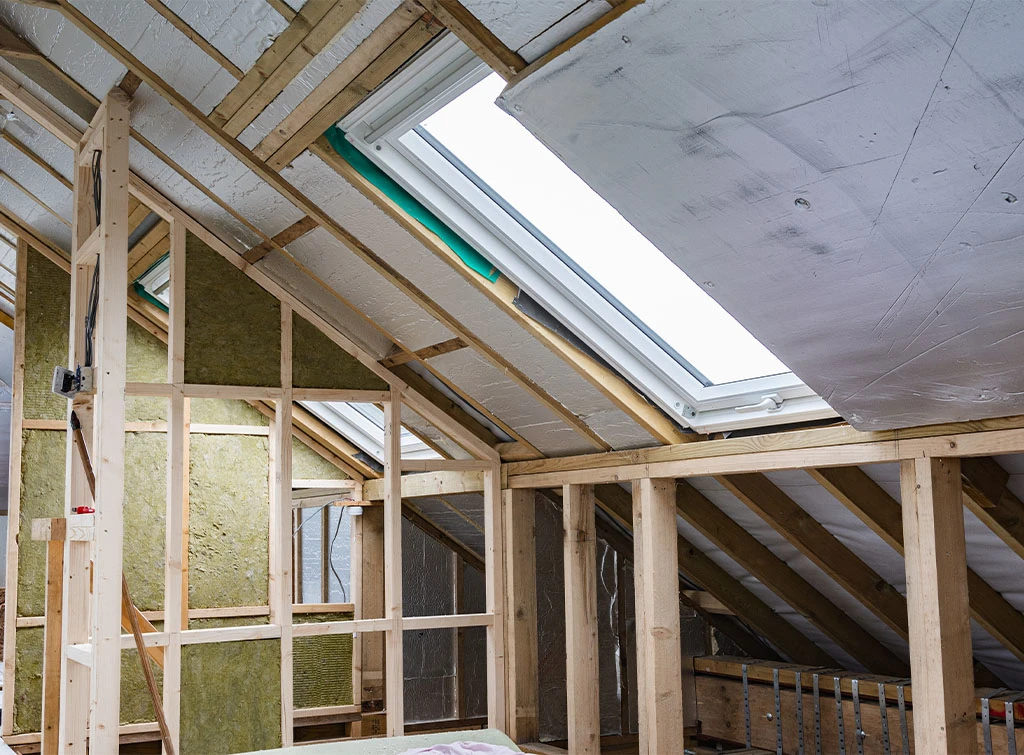
We check the reviews on Checkatrade are from real people, and that trades meet our high standards.
How can I finance my loft conversion?
Because loft conversions can cost tens of thousands of pounds, many homeowners choose to spread the cost rather than paying everything upfront.
Can you finance a loft conversion?
Yes. There are several ways homeowners typically fund a loft conversion project:
Personal savings – Some homeowners choose to use savings to avoid borrowing costs
Remortgaging – Releasing equity from your home to fund larger renovation projects
Home improvement loans – Both secured and unsecured loans are commonly used for home improvements such as loft conversions
Credit cards – Some smaller costs, such as decorating or fixtures, may be paid using credit cards, particularly if they offer promotional interest-free periods
Builder payment schedules – Many loft conversion companies operate staged payment plans, allowing you to spread the cost across the build as work progresses
Before committing to a loft conversion project, it’s always worth making sure the total cost — including finishing work and contingency — fits comfortably within your budget.
Are loft conversions worth it?
A well-designed loft conversion can add up to 20% to your property value, depending on your location and the type of conversion.
Other benefits include:
Extra living space without moving house
Potential for an additional bedroom or office
Improved property value and market appeal
That said, the return on investment can vary depending on local property prices and the quality of the conversion.

Loft conversion cost checklist
When should you speak to a loft conversion specialist?
Once you’ve got a rough idea of costs and the type of conversion you’re considering, it’s usually worth speaking to a specialist.
A good loft conversion company can:
Confirm whether your loft is suitable for conversion
Explain which type of conversion will work best for your home
Provide a realistic estimate based on your roof structure
Flag any planning or building regulation requirements early
Many homeowners find that getting a few early quotes helps clarify what’s possible — and what budget makes sense — before committing to detailed plans.

Find loft conversion specialists near you
Loft conversions involve structural work, planning considerations, and building regulations, so choosing the right specialist is essential.
Search your postcode to compare checked loft conversion companies near you, read verified reviews, and request quotes with confidence.
Find recommended loft conversion experts

Loft conversion FAQs
Do I need planning permission for a loft conversion?
Many loft conversions fall under permitted development, meaning planning permission isn’t required. However, larger conversions such as Mansard designs may require approval. Always check with your local planning authority before starting a loft conversion project.
What is the cheapest type of loft conversion?
A Velux (rooflight) loft conversion is usually the cheapest option at around £27,500, because it involves minimal structural changes.
Can I convert a loft for £10,000?
A full loft conversion is unlikely to cost as little as £10k. However, small attic upgrades used for storage may fall within this range.
What's the most expensive part of a loft conversion?
Labour is usually the largest cost in a loft conversion project, often accounting for around 30% of the total budget. Materials are typically the second biggest cost, making up roughly 20%, although this can vary depending on the quality of finishes and structural requirements.
How much does a loft conversion cost in London?
Loft conversion costs are often higher in London and the South East due to increased labour and material prices. In many cases, homeowners in London should expect to pay towards the upper end of the typical UK price ranges for each type of loft conversion.
How long does a loft conversion take?
Most loft conversions take 6–10 weeks, depending on the size and complexity of the project. This is from when construction starts, once you’ve obtained any necessary planning permission.
Can I stay in my home during a loft conversion?
Yes. Most homeowners remain in their property during loft conversion work, although there may be some disruption.
What type of loft cannot be converted?
Not every loft is suitable for conversion. Common issues include low roof ridge height, structural limitations in the existing roof, or planning restrictions in conservation areas. If you're unsure whether your loft can be converted, a loft conversion specialist or structural survey can assess the space and explain what options may be possible.

See the tradespeople we've checked for your job