HOW-TO GUIDES
How to wire a UK plug: step-by-step & colour guide
Updated 03/26
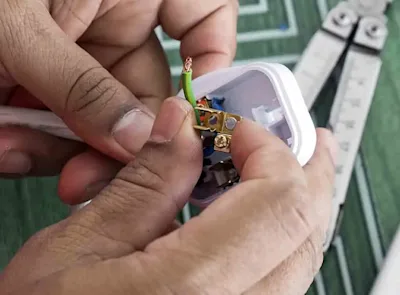
By: Content Team
Reviewed: Laura Macdonald

Wiring a plug is one of those small jobs that most people assume is simple, until they open one up and see the wires inside.
Done properly, it’s quick and straightforward. But it does need a bit of care, as getting it wrong can damage your appliance or create a safety risk.
This guide walks you through how to wire a plug step by step, so you can decide whether it’s something you’re happy to tackle yourself.
What wiring a plug actually involves
UK plug wire colours and what they mean
The safest way to approach the task
Common mistakes to avoid
When to stop and call a professional
Which wire goes where in a UK plug?
In a UK 3-pin plug, each wire connects to a specific terminal:
Brown (Live) goes to the right-hand terminal (L)
Blue (Neutral) goes to the left-hand terminal (N)
Green and yellow (Earth) goes to the top terminal (E)
Getting these connections right is essential for safety, as incorrect wiring can cause overheating, short circuits, or electric shock.
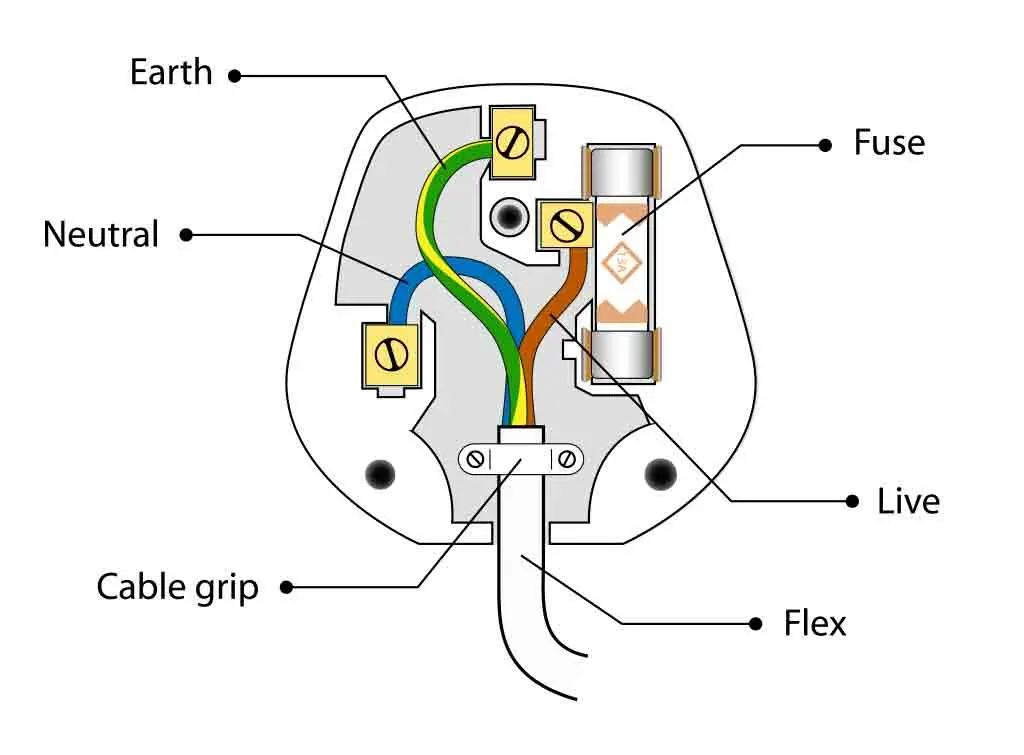
UK plug wiring colours are standardised, but always double-check older cables as colours may differ.
What is wiring a plug?
Wiring a plug means connecting the live, neutral and earth wires inside a cable to the correct terminals in a 3-pin plug. Each wire has a specific role, and they must be connected securely and in the right position for the appliance to work safely.
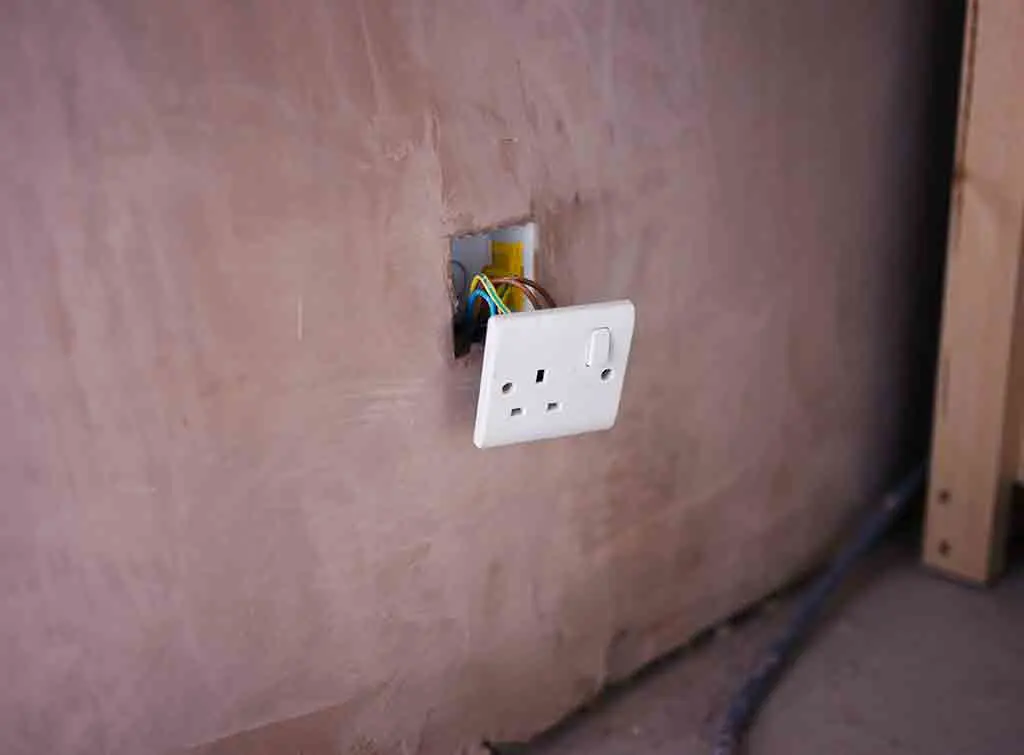
Wiring a plug vs wiring a socket
Wiring a plug is a simple repair job
Wiring a socket involves fixed electrical wiring and must follow stricter regulations
Are there benefits to wiring a plug yourself?
For straightforward repairs, doing it yourself can be useful:
It’s a quick fix for a damaged plug
It avoids the need to replace the appliance
It’s a useful basic DIY skill
But, it doesn’t leave much room for error — and unfortunately, mistakes aren’t always visible until something goes wrong.
Why might you need to wire a plug?
Common reasons for wiring a plug include:
A damaged or broken plug
Replacing a moulded plug
Shortening a cable
Repairing an appliance lead
Most of the time, you’re just fixing or replacing a plug rather than installing anything new.
UK plug wiring colours explained
Understanding the wiring colours is essential before starting:
Live (L): Brown – Right terminal
Neutral (N): Blue – Left terminal
Earth (E): Green/Yellow – Top terminal
Older appliances may use:
Live = Red
Neutral = Black
Earth = Green
If the wire colours don’t match what you expect, stop and double-check before continuing.
How to wire a plug (quick overview)
Wiring a plug involves preparing the cable, connecting each wire to the correct terminal, securing the cable with a clamp, and checking everything is tight before closing the plug.
What are the main steps to wire a plug?
In this guide, we're focusing on how to wire a moulded plug; make sure you have the correct type so that the instructions below make sense.
Before you begin, ensure you have the correct tools. You'll need: screwdrivers, wire cutters, wire strippers, and the new plug.
Step 1: Remove the old plug
First, cut off the old plug carefully without damaging the inner wires.
Step 2: Strip the cable
Next, remove around 40–50mm of the outer insulation from the cut end of the cable, then separate the wires.
Step 3: Prepare the wires
Trim to length and strip a small section of insulation from each wire end.
Step 4: Connect wires to terminals
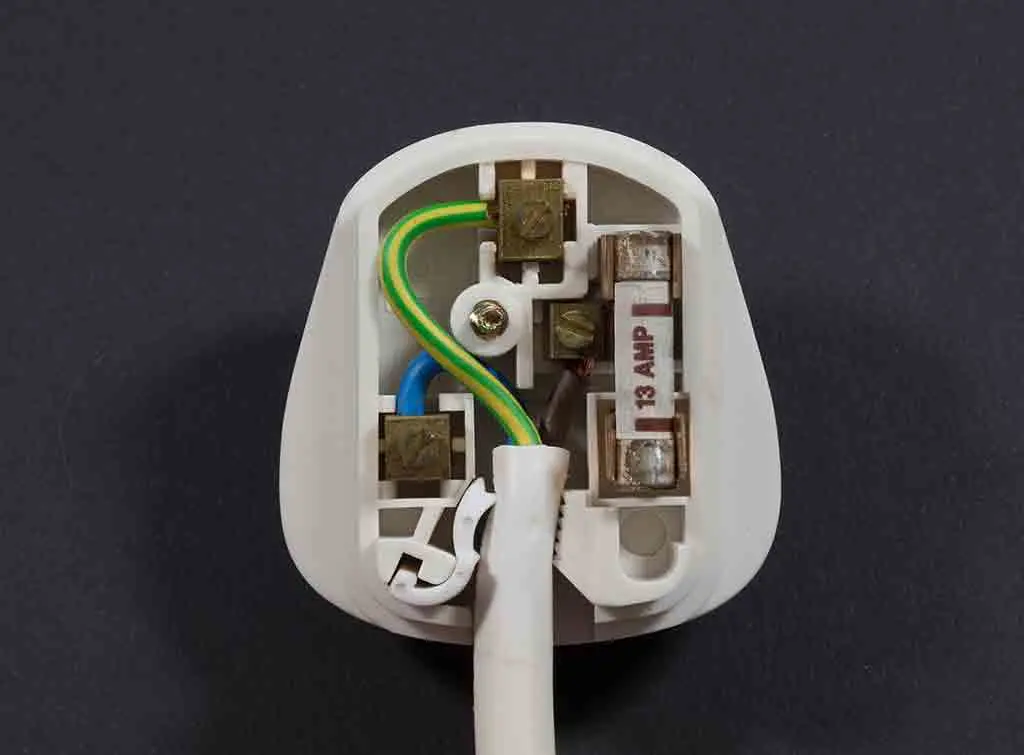
Match each wire to the correct terminal (Live = Brown, Neutral = Blue, Earth = Yellow & Green), then tighten the screws firmly so nothing can move.
Step 5: Secure the cable
Tighten the cord grip so it holds the outer insulation (not the inner wires). This stops the cable from pulling loose if it’s tugged.
Step 6: Check and close
Take a moment to check everything is secure and in the right place — this is where most small mistakes happen. Make sure the correct fuse is fitted (check the manufacturer’s guidelines), then close the plug.
If that process feels unclear or fiddly, it’s usually quicker (and safer) to have a professional handle it.
Find an approved electrician near you

Safety considerations for wiring a plug
Wiring a plug is a straightforward job, but mistakes can be dangerous. Loose wires, incorrect connections or even the wrong fuse can all cause problems, from overheating to electrical faults or worse.
Be aware:
Loose connections can overheat
Incorrect wiring can damage appliances
Faulty plugs can increase fire risk
If something doesn’t look right, or you’re unsure where a wire should go, stop there. It’s much easier to get it checked than to deal with a fault later on.

You have a legal duty of care for anyone in your home. If electrical work is done incorrectly and someone is injured, you could be held responsible. If you’re not confident wiring a plug safely, it’s best to use a qualified electrician.
Can you wire a plug with two wires?
Some appliances don’t have an earth wire. If you open the plug and only see a brown and a blue wire, that’s completely normal for double-insulated items.
You’ll still need to connect them carefully, just without using the earth terminal.
In this case:
Live (brown) – L
Neutral (blue) – N
The earth terminal remains unused.
How much does it cost to hire an electrician?
If you’d prefer not to do it yourself:
Electrician hourly rate: around £50 per hour
Small jobs may be completed quickly
For many people, the cost is worth the reassurance.
Data verified by our professional estimators
Estimators are CIOB & RICS members
Can you wire a plug yourself — and should you?
Yes, you can wire a plug yourself if you follow the correct steps and safety checks. However, if you’re unsure at any stage, it’s safer to stop and ask a qualified electrician, as even small mistakes can cause problems later.
Wiring a plug yourself is only suitable if:
You understand the wiring colours
You feel confident using the tools
The cable and appliance are in good condition
You should call a professional if:
The wiring is unclear or damaged
The appliance is valuable or high-powered
You’re unsure at any stage
A qualified electrician won’t just connect the wires, they’ll check the safety of the whole setup.
Under Part P of the building regulations, certain electrical work must be carried out by a qualified competent person. Simple tasks like wiring a plug are usually fine to do yourself, but installing or replacing sockets should be done by a registered electrician.
Thinking about hiring an electrician for the job?
Here’s what recent Checkatrade customers said about having the job done professionally:
"Great communication and work done quickly and to a high standard by very professional and polite team."
Verified reviewer, SM Electrical Services, (Location AL7)
"Michael was exactly what you want when you book a job - friendly, punctual and did a great job at a good price. Would definitely recommend."
Verified reviewer, Michael White Electrical Services, (Location BN41)
Find qualified electricians near you with Checkatrade
If you’d rather not deal with wiring at all, or just want to be sure everything’s been done properly, a qualified electrician can take care of it quickly.
With Checkatrade, all our tradespeople are:
Checked - Every Checkatrade member must pass up to 12 checks and commit to upholding the Checkatrade Standard
Reviewed - Over 6.2 million reviews have been published on Checkatrade about real jobs, on everything from communication, tidiness, timekeeping, and quality of work
Guaranteed - Jobs booked through Checkatrade are covered up to £1,000 (T&Cs apply)
Search your postcode or request a quote to connect with reputable local electricians working in your area.
Find an approved electrician near you
FAQs
Which wire goes where in a plug?
In a standard UK plug:
Brown (live) connects to the right-hand terminal (L)
Blue (neutral) connects to the left-hand terminal (N)
Green and yellow (earth) connects to the top terminal (E or (⏚))
Always double-check the connections before closing the plug, as incorrect wiring can create a safety risk.
What happens if you wire a plug incorrectly?
Wiring a plug incorrectly can cause electric shock, short circuits, or overheating, and may damage the appliance.
Do you need an electrician to wire a plug?
It’s not a legal requirement to hire an electrician to wire a plug, but if you’re unsure, it’s safer to use a qualified professional.
See the tradespeople we've checked for your job