COST GUIDES
Electrical safety check costs: Price breakdown 2026 (UK)
Updated 02/26
Typical cost
Most electrical safety checks (EICRs) cost between £100–£250, depending on property size and circuit complexity.
Legal requirement
Electrical safety checks are mandatory for landlords and recommended for homeowners every 5–10 years.
Key cost drivers
Property size, number of circuits, and accessibility of electrical systems have the biggest impact on cost.
Electrical safety checks help identify faults, deterioration, or safety risks within your home’s electrical installation. They’re essential for protecting occupants, meeting legal responsibilities, and supporting insurance or property sales.
Here, you'll discover how much electrical safety checks cost in the UK in 2026, what affects pricing, and how to budget accurately before booking a qualified electrician.
How much does an electrical safety check cost in 2026?
Electrical safety checks are usually priced as a fixed inspection cost, rather than hourly labour.
| Electrician rates | Cost + VAT (Range low - high) | Average cost |
|---|---|---|
| Electrician (per hour) | £40–£70 | £55 |
| Electrician (per day) | £250–£500 | £400 |
| EICR | £100–£250 | £200 |
| EICRs for commercial properties | £30–£50 per circuit | £40 per circuit |
| Last updated: September 2024 Our costs are ballpark averages - get a local tradesperson to quote now | ||
The average cost of an electrical safety check is normally between £100–£250.
Compare electrical safety check costs near you
Enter your postcode to compare quotes from checked electricians working in your area.
Find recommended electricians near you
What is an electrical safety check?
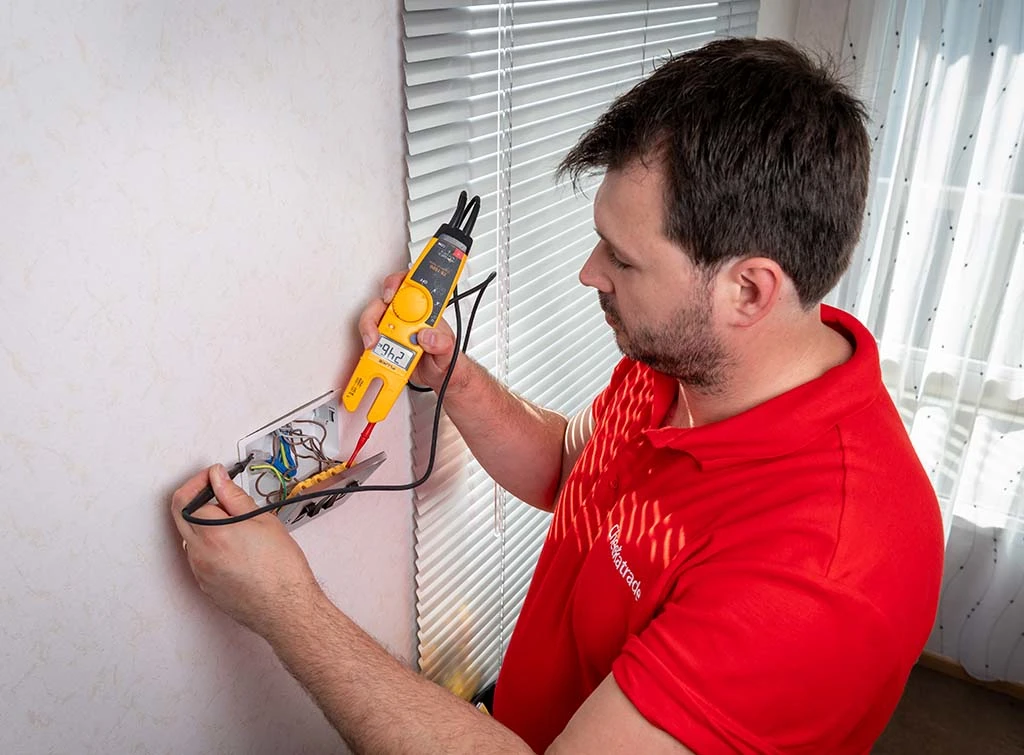
An electrical safety check is a professional inspection of your fixed electrical installations, typically resulting in an Electrical Installation Condition Report (EICR).
It assesses:
Wiring condition
Sockets and switches
Consumer unit (fuse board)
Earthing and bonding
Potential fire or shock risks
Think of it like an MOT for your electrics — it identifies issues, but repairs are charged separately.
What do EICR condition codes mean?
C1: Dangerous — immediate action required
C2: Potentially dangerous — urgent remedial work needed
C3: Improvement recommended, but not unsafe
FI: Further investigation required
An EICR is considered satisfactory only if no C1 or C2 issues are present.
Faulty wiring is responsible for almost half of all accidental house fires in the UK, making regular electrical safety checks an important preventative measure.
What affects the cost of an electrical safety check?
Several factors can influence pricing:
Property size – larger homes have more circuits to test
Age of the wiring – older systems take longer to inspect
Consumer unit complexity – modern boards are quicker to assess
Accessibility – hidden wiring or restricted access increases labour time
Electrician qualifications – experienced, certified electricians may charge more
Understanding these factors can help you compare quotes more accurately.

On Checkatrade, you'll only find trades who meet our high standards and pass up to 12 checks.
How long does an electrical safety check take?
Most electrical safety checks take:
Small flat: 2–4 hours
Average house: Half day
Large or older property: Full day
This is why electricians often quote a half-day or full-day rate for EICRs.
Electrical safety check costs for landlords
Landlords must have a valid EICR for rental properties in England.
Typical landlord costs:
Flat: from around £100
House: £250+
Landlords must:
Renew the EICR at least every 5 years
Provide a copy to tenants
Supply it to local authorities if requested
Failure to comply can result in fines of up to £30,000, and may invalidate landlord insurance in the event of a claim for fire or electrical damage.
How often should electrical safety checks be done?
Homeowners: Every 5–10 years (or sooner if issues arise)
Landlords: Every 5 years, or at tenancy changeover
Commercial properties: Based on risk assessment and usage
We check the reviews on Checkatrade are from real people, and that trades meet our high standards.
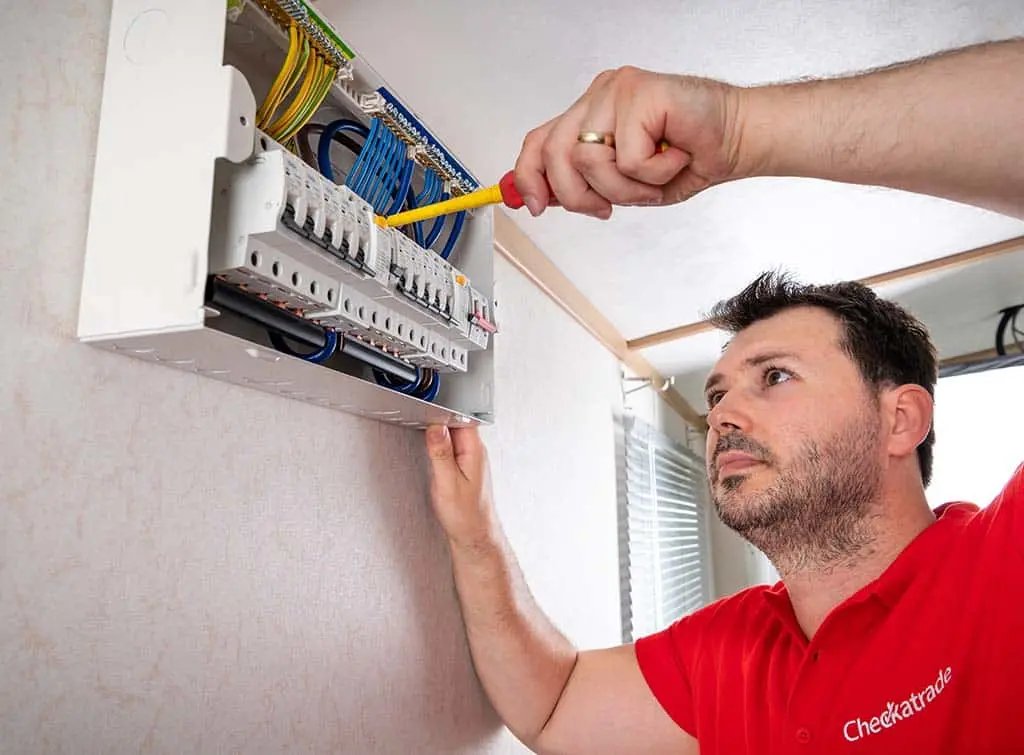
The cost of fixing electrical issues found
Electrical safety checks do not usually include repairs, upgrades, rewiring, or replacement of faulty components — these are quoted separately once issues are identified.
Typical average electrician rates:
£55 per hour
£400 per day

Can I do an electrical safety check myself?
No. Electrical safety checks and EICRs must be carried out by a qualified electrician.
However, homeowners can:
Monitor sockets and appliances
Look out for burning smells, buzzing, or tripping circuits
Arrange inspections early if concerns arise

Electrical safety check cost checklist

Find an electrician near you
Electrical safety is not an area to cut corners. Hiring a qualified electrician for the job is essential.
Search your postcode to compare checked electricians working in your area, read verified reviews about real jobs, and request quotes with confidence.
Find recommended electricians near you
Electrical safety check FAQs
Do I need an EICR if I already have an EIC?
It depends. Check what the EIC is for — whether it's for the entire property or for a specific completed electrical modification, repair, or improvement.
If the EIC covers a full rewire or new build, you’re usually covered for 5 years
If the EIC only covers a partial upgrade (e.g. consumer unit replacement), you’ll still need an EICR for the rest of the property
Is an electrical safety check legally required?
An electrical safety check is only legally required for landlords — but it's still strongly recommended for homeowners.
Does an electrical safety check include PAT testing?
No, an electrical safety check doesn't include PAT testing. PAT testing covers portable appliances; EICRs cover fixed wiring.
Will I get a certificate?
Yes, following your property's electrical safety check you'll receive a written EICR outlining condition codes and recommendations.
Chat to an expert at Xpress Electrical

See the tradespeople we've checked for your job