EXPERT ADVICE
Lawn mowing tips: How to make your grass look great
Updated 04/26
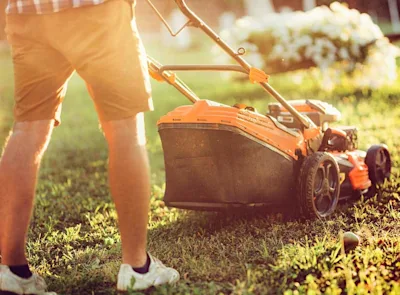
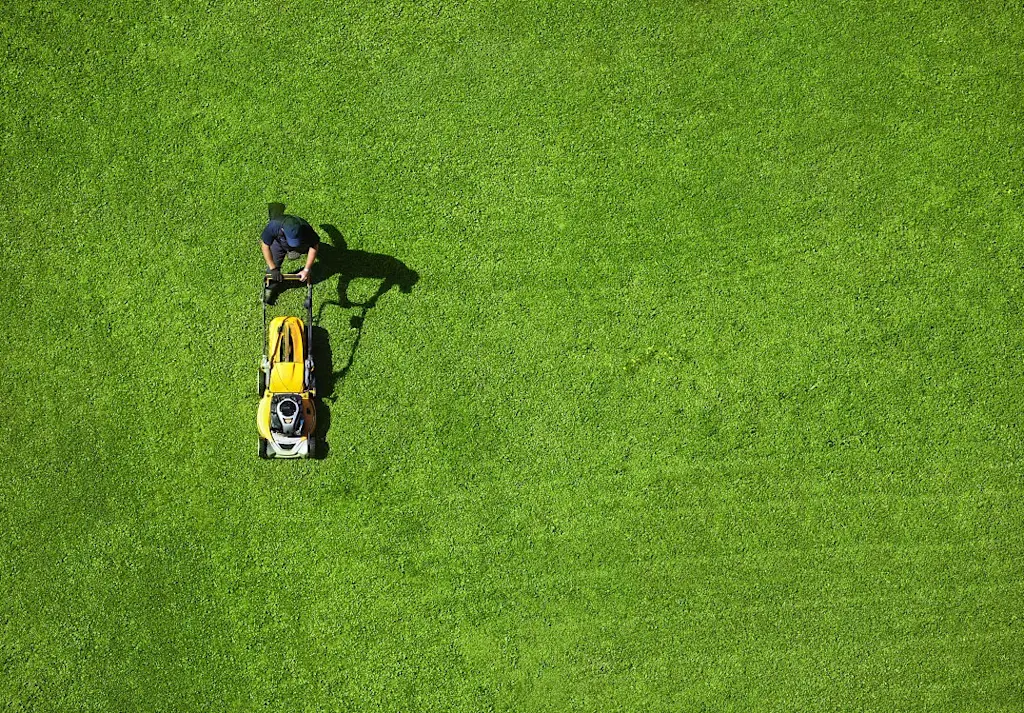
Mowing is the key to a neat, healthy lawn, and during the spring and summer months, it’s one of the most important jobs for keeping your outdoor space looking its best. Regular mowing encourages stronger growth and helps your grass recover from everyday wear and tear. It keeps your lawn looking cared for, supports denser turf, and can help reduce the spread of weeds over time. But lawn mowing doesn’t need to feel like a chore. Think of it as routine maintenance — a bit like trimming a hedge or cleaning a patio. Usually, it’s the small, regular efforts that make the biggest difference. Each cut helps to:
Keep your lawn neat and well-shaped
Encourage denser, healthier grass
Reduce opportunities for weeds to take hold
Improve the lawn’s durability in high-use areas
During the main growing season, mowing can quickly become a regular task. Knowing how to cut grass properly (and when to adjust your approach) makes the job easier and helps protect the long-term health of your lawn.
Why regular mowing is important for lawn health
How often to mow at different times of year
Seasonal approaches to lawn care
Basic mower servicing and maintenance
The right grass length for different conditions
Practical mowing techniques
Tools you may need for lawn care
Common mistakes to avoid
Answers to frequently asked lawn care questions
Prefer to call in a gardener? You can search our directory to find trusted grass cutting services covering your local area.
Find a local tradesperson
Lawn mowing advice
Lawn mowing doesn’t have to be time-consuming or complicated. With a few simple habits — like cutting at the right height, keeping blades sharp, and mowing regularly — you can keep your lawn looking good while saving time and effort. Consider, for example, the importance of:
Frequency
Height
Taking a consistent approach makes a noticeable difference to how your lawn looks and performs throughout the year. If you'd prefer a gardener to take on the job, you can also explore our guide to typical lawn treatment costs to help plan your budget. Read on for the best lawn mowing tips and tricks.
1. Get your mower serviced regularly
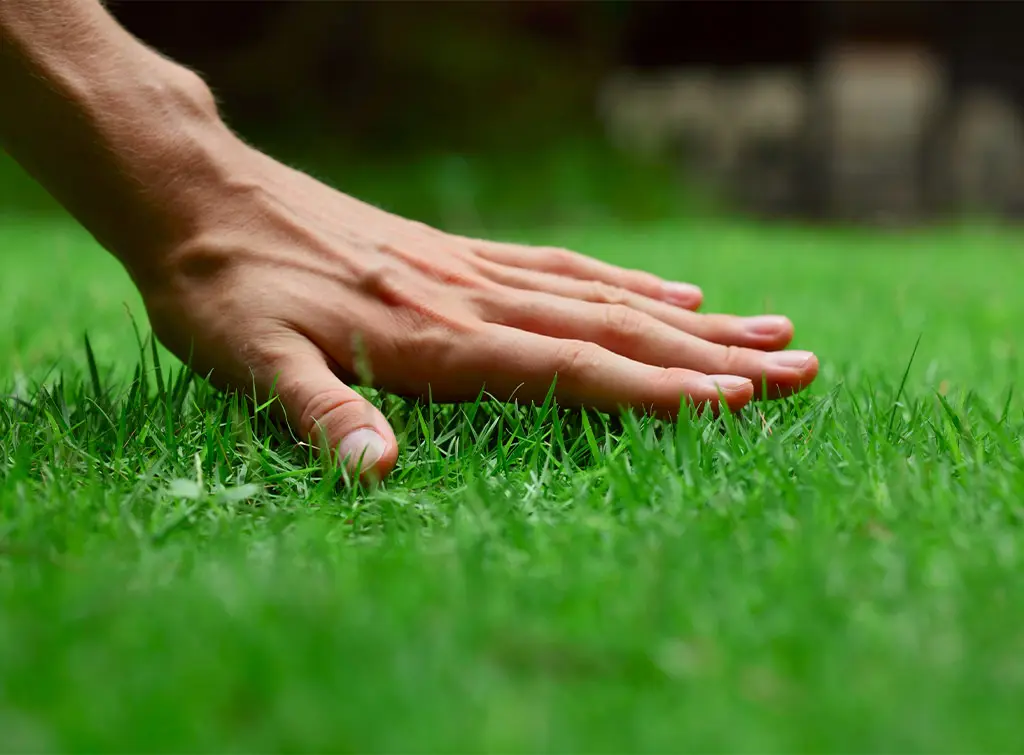
Getting your mower serviced at the start of every growing season is important to ensure a clean, quality cut.
Chipped or blunt blades will bruise the grass and cause a silver sheen or frayed look to the lawn.
Also, don't forget to clean out your mower regularly to avoid a build-up of clippings.
2. Know how often to mow
How often you mow depends on the style of lawn you want, weather conditions and the speed your grass is growing.
Here's some grass cutting advice:
The more frequently you mow, the denser your lawn will be
In early spring, grass needs cutting less frequently as it grows more slowly at this time of year. Cut fortnightly until the weather warms up in late spring
Lawns need cutting weekly in late spring and summer. You may even need to mow twice weekly when growth rates peak in late spring
If you mow less frequently you'll break the 'one third rule' as you'll have to cut off more than a third of the grass height to keep it looking neat
Milder winters mean lawns may benefit from occasional mowing between late autumn and early spring
Let your new lawn grow to 5cm (2in) tall before mowing for the first time. Choose the highest blade setting so the mower doesn't get choked with clippings. If the grass is really long, you may need to strim it first
Dry shady areas under trees may need less frequent mowing than areas in full sun with good moisture levels
Don't mow too short - it affects the health of the grass!
3. Get the grass height right
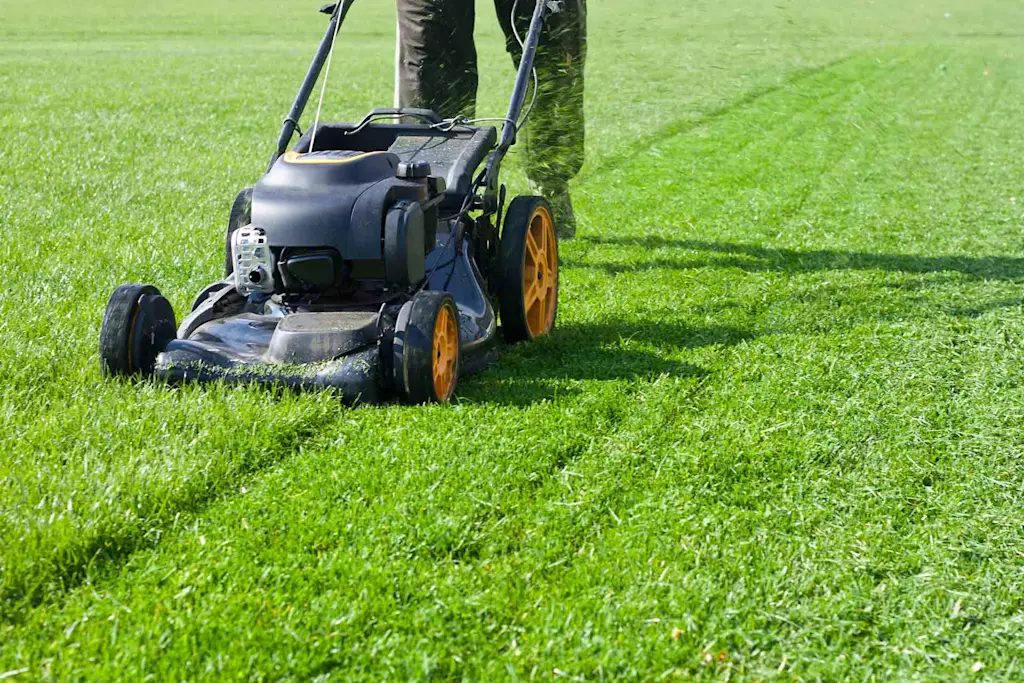
One of the key grass cutting tips to a lush lawn is knowing what height to leave the grass.
Most lawn grass is best kept at 2.5cm–4cm tall. Leave it a little longer in patches that get more wear and are heavily used, say 4cm–5cm.
In the shade, you could leave it still longer, at 7cm–8cm.
Have you thought about... No Mow May?
If you want to encourage wildflowers in your lawn, try No Mow May. As the name suggests, you stop mowing in early May, which allows the wild plants already in your lawn to grow and flower.
Whether you leave your whole lawn uncut or just a section, no mowing will add colour and attracts pollinating insects and other wildlife.
4. Adjust the cutting height
Cutting the grass at the correct height will help your lawn stay dense and healthy.
To do this, you'll need to adjust the mower's cutting height to suit the weather and season. The mower should be on the highest setting for the year's first cut.
After that, aim to keep grass around 4cm tall in spring, autumn, and winter, and about 2.5cm in summer.
If it's a hot summer, it's a good idea to raise the cutting height of your mower blades to leave the lawn longer. This will make it less prone to going brown in dry weather. The longer grass also retains extra moisture, helping to keep the lawn green and offering shade to the soil.
5. Mow in fine weather
Avoid mowing your lawn when it is wet, or temperatures are too cold.
If you cut the grass when the ground is soaked, the mower will smear the soil and grass clippings will clump together.
Mowing should wait until frosts have passed. With milder winters and the grass continuing to grow all year, many of us are now cutting our lawns all year round to some degree.

Mow like a pro — the finer details to perfecting your lawn
These are more advanced grass cutting tips to make your lawn stand out from the crowd!
Earn your stripes: If you want a striped lawn, begin by mowing a straight line down the middle of the lawn. Now mow on either side of it.
Make slight overlaps: Each run up and down the lawn with the mower should slightly overlap with the previous one (make an overlap mark on each side of the mower to make this easier).
Don't forget edging: A final cut or two around the perimeter of the lawn will give your mowing a cleaner, more professional finish.
Change direction: Swap mowing direction at least every month so you don't get tramlines and ruts and to stop grass permanently leaning in one direction.
Create compost: Be sure to compost grass cuttings and mix them with plenty of carbon-rich material. In the summer, leave the clippings on the lawn to help retain moisture.
Let new lawns grow: Avoid mowing newly sown patches of lawn until the grass is 4cm tall, then cut them along with the rest of the lawn.
Read our blog on how to hire lawn care and grass cutting services for loads more advice.
Look after your mower like you look after your motor
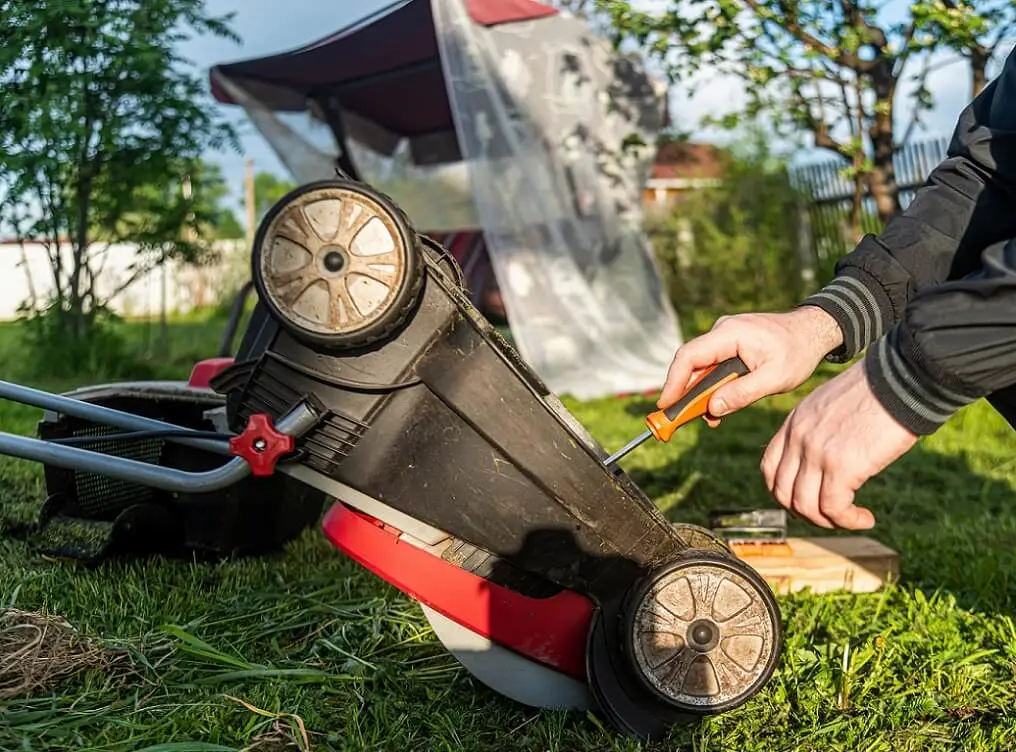
Good mower maintenance is key to a clean, quality grass cut.
You'll need to maintain your mower all year round - a mower isn't just for Christmas!
Gardeners' World estimates the job to maintain your mower will take around 15 minutes. The jobs include:
Checking if the spark plug cap is clean
Checking your oil level using the dipstick
Checking the air filter
Wiping down the metal parts of the mower with oil to help protect them from rust
Wiping the underside of your mower to clear any grass build-up
And finally, a quick wheel check to make sure they are turning ok or whether they need tightening up

Need a job estimate to help with budgeting?
Try our AI powered job estimate calculator

Staying safe when cutting your grass
What you'll need to mow your lawn safely:
For a step-by-step guide on how to cut grass properly, head to our how to mow a lawn blog.
Common grass cutting mistakes to avoid
Despite seeming like a relatively simple task, there's always something to remember. Try to avoid falling into these traps:
Don't mow too short - it affects the health of the grass
Keep your blades sharp - Dull equipment won't work as well
Keep it random - Don't stick to the same pattern every time
Stay dry - Don't mow the lawn when the grass is wet as it clumps
...But not too dry - Avoid the hottest part of the day as it can lead to browning
Don't forget the edges - As well as looking good, neat edging can also benefit the health of the grass
Go slow - You may only have a short amount of time, but rushing makes it worse
Be tidy - Leaving excess clippings can suffocate the lawn underneath
Water afterwards - Like tending to any other plant, make sure your grass is hydrated
Don't leave it too long - Regularly mowing in peak season helps reduce weeds
Think seasonally - Mowing in spring and autumn will be different to summer
Look after your tools - Poorly maintained lawn mowers will lead to patchy results

Whether you're looking for rough costs for lawn care, or want help with specific services like lawn aeration, at Checkatrade we're here to help you get a job done right.
Find a local tradesperson
FAQs
What is the correct way to mow a lawn?
Mow up and down in straight lines and overlap each row slightly so you don't miss bits. If you have any irregularly shaped lawn, start with a line across the middle, and then mow one side at a time.
Check out our step-by-step guide on how to mow a lawn.

Your step-by-step on how to mow a lawn
Regular mowing will help your lawn stay neat, healthy and green. Follow our step by step guide to mowing like a pro!
Do you strim or mow first?
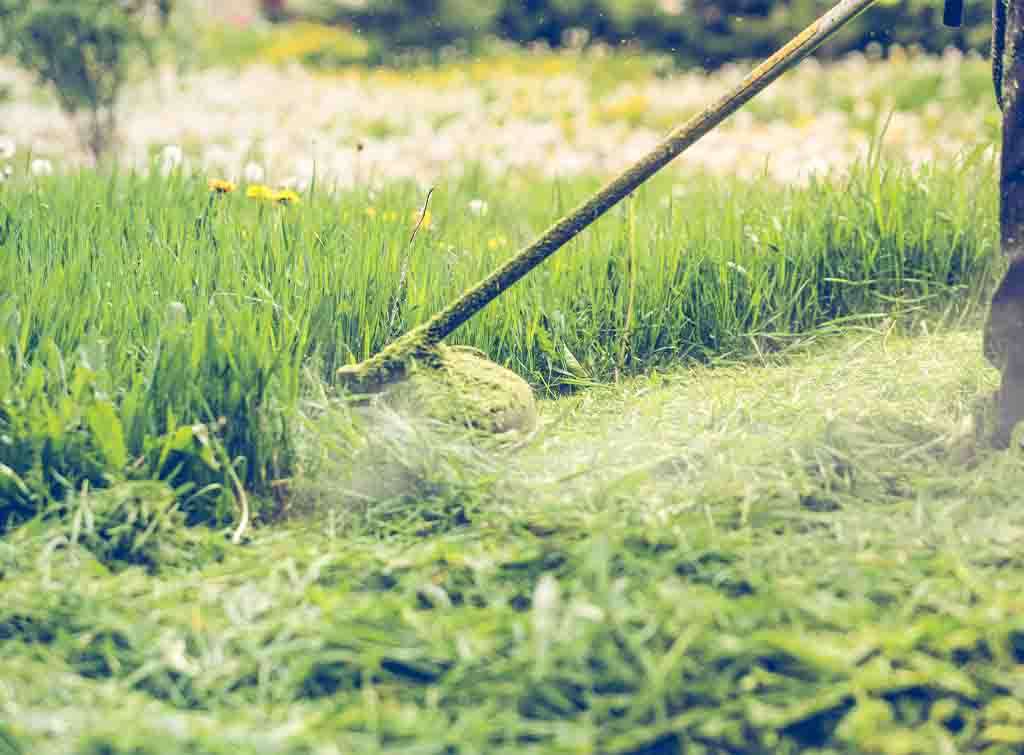
If the grass is really long, you may need to strim it first to reduce the overall height, then rake up the cut grass, before going over with the mower to tidy up as best you can.
Do you mow back and forth?
It’s a good idea to vary the direction of cut regularly, alternating straight lines with diagonal stripes. This will help prevent ruts forming in the lawn which can occur from going backwards and forwards in the same direction too often.
Is it better to strim grass wet or dry?
Wait until the grass is dry before strimming a lawn. Mid morning is a good time to strim, when the dew has evaporated and the summer sun isn't blazing.
What is the best time of day to cut grass?
Mid morning or late afternoon is usually the best time to mow the lawn. If done too early, the lawn will be damp with dew which can cause the grass to tear rather than cut cleanly, leading to disease. Midday can be too hot, the intense sun can stress the newly cut grass.
Should I leave grass clippings on my lawn in the UK?
When you mow during the spring and summer, leave the grass clippings on the lawn. As they decompose, they release up to 30 per cent of the lawn's required nutrients. Remove the clippings from the lawn at the beginning and end of the growing season when decomposition is slow.
Should you edge your lawn every time you mow?
Trim edges regularly is the main advice — maybe after each time you mow your lawn during the growing season. Every time you mow your lawn, assess the lawn's edges. In the early part of the growing season, warmer temperatures and more rain can lead to a growth spurt so you might need to mow and edge more frequently.
When not to cut grass?
Sometimes cutting your lawn can do more harm than good. Never mow when the grass is wet or it's too dry, it's diseased or you've just fertilised.
Likewise never mow frosty grass as it can damage your turf and compact the soil. Wait until later in the day when the lawn has dried out or defrosted. Or postpone mowing to another day.
Should you mow fast or slow?
The faster you mow, the less time your mower blades have to make a clean cut. Moving too fast can result in uneven grass which can make your lawn more susceptible to disease.
It's generally accepted that the best speed for effective mowing is in the 3–6 mph range. Slow mowing allows for a smoother, cleaner cut. Your lawn will look better plus it will promote good grass health.
How long after rain can you mow?
On average wait between two and five hours after a light shower — longer if the rain was heavier — before you consider getting out the lawnmower. The key is to wait until the lawn is dry.
A good test to see whether the grass is dry is to walk on the grass in sandals — if your feet stay dry then you're good to go.
Can you mow over leaves?
You should remove fallen leaves from your lawn so they don't smother and kill your grass.
However instead of raking the leaves, you can use your mower to mulch your leaves instead.
Wait for the leaves to dry a bit, then take off the grass catcher. Set your lawnmower blades higher to safely mulch up fallen leaves as you mow. The shredded leaf pieces will decompose into the lawn adding nutrients back into the soil.
Is it OK to cut grass every 2 days?
It's important to adhere to the one-third rule. That is, mowing your lawn to one-third of the grass' height and then letting it recover for three or four days before mowing again.
In spring and autumn mow at least every 7–10 days if using a rotary mower and at least every 3–5 days if using a cylinder mower. In dry summers cut this back to once a week or fortnight.
How short to cut grass?
Never cut more than a third of the blade of grass off in one go. Cutting more than this can stress the grass.
Most lawn grass is best kept at 2.5cm–4cm tall
Patches that get more wear and are heavily used, leave it a little longer, say 4cm–5cm
In shade, you could leave it still longer, at 7cm–8cm
Excessive close mowing can weaken the grass, encourage shallow rooting and make the lawn susceptible to drought damage, weeds and moss.
Finding the time and energy to care for your lawn yourself can sometimes be a challenge. So, why not hire a grass cutter that works near you to get your lawn in good nick?

See the tradespeople we've checked for your job