HOW-TO GUIDES
How to remove wallpaper glue: quick and easy methods that work
Updated 03/26
By: Olivia Scammell
Reviewed: Laura Macdonald
You’ve taken the wallpaper down, the room already looks brighter, and then you run your hand across the wall and feel it. Sticky, patchy wallpaper glue that just won’t budge.
It’s a common frustration when redecorating. The good news is that, in most cases, removing wallpaper glue is straightforward once you know the quickest method to try first.
This guide explains how to remove wallpaper glue safely and efficiently, what to do if it won’t come off, and when it’s worth calling in a professional.
The quickest and easiest way to remove wallpaper glue
Why wallpaper glue can be stubborn
How to deal with sticky residue after removing wallpaper
Common mistakes that can damage your walls
When to stop and get help from a professional
What does removing wallpaper glue involve?
Removing wallpaper glue means dissolving and wiping away the sticky residue left behind after wallpaper has been stripped.
Most modern wallpaper adhesives are water-soluble, so warm water and gentle cleaning will usually do the job
Older or heavily applied glue can take more time and patience, especially on delicate surfaces
The key is to work methodically rather than aggressively. Rushing or over-scraping is one of the main reasons walls end up damaged during this stage of decorating.
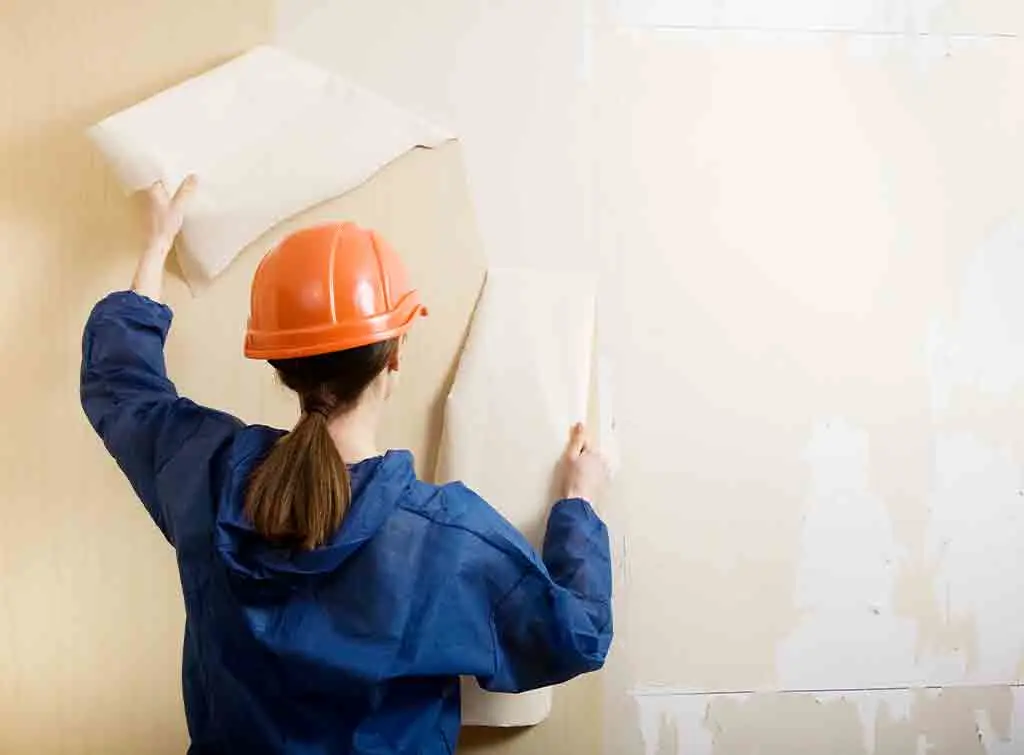
Why is wallpaper glue sometimes difficult to remove?
Wallpaper glue can be stubborn for a few simple reasons, and understanding these helps you choose the right approach.
Common causes include:
Thick layers of adhesive applied during installation
Old or dried glue that has hardened over time
Glue that has soaked into porous plaster
Residue left behind after incomplete wallpaper removal
Previous decorating layers trapping moisture or paste
If the wall feels slightly tacky rather than heavily sticky, the residue is usually thin and will come off with basic cleaning. Heavy, glossy patches often need a little more persistence.
Tools and materials you may need
You won’t normally need specialist equipment for removing wallpaper glue. A few simple household items are usually enough:
Bucket of warm water
Sponge or soft cloth
Mild washing-up liquid
Plastic scraper or filling knife
Towels or dust sheets
Bin bags
Step ladder (if working on high areas)
Optional for stubborn glue:
White vinegar or sugar soap solution
Spray bottle
Commercial wallpaper adhesive remover
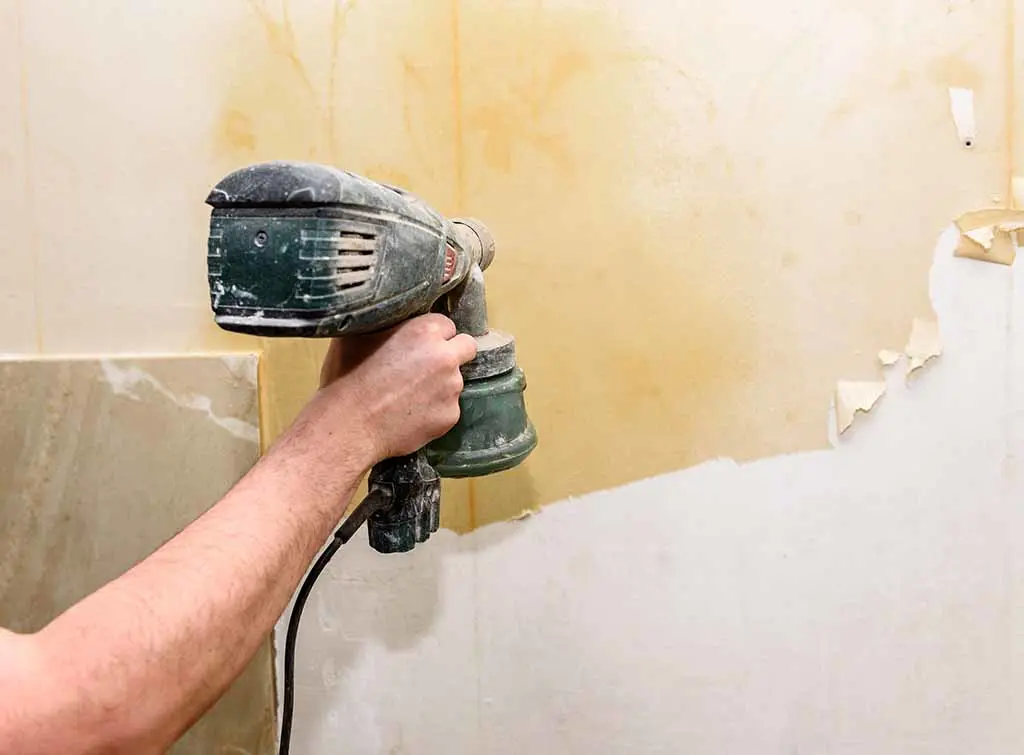
How to remove wallpaper glue (quickest method first)
Most wallpaper glue can be removed using warm water and gentle wiping. Start with the simplest method before moving on to stronger solutions.
If you've already removed some wallpaper, you've likely moved your furniture already. So, do a quick check to make sure everything is covered with tarps or dust sheets to protect your floors and catch water. We also recommend covering electrical sockets and switches with masking tape.
Step 1: Test a small area first
Before cleaning the entire wall, test a small section to see how easily the glue softens.
Use warm water and a sponge to dampen the area, then wait a few minutes. If the residue begins to loosen, you’re on the right track.
Step 2: Soften the glue with warm water
Lightly dampen the wall using a sponge or spray bottle.
Allow the water to soak in for a few minutes. This helps reactivate the adhesive so it can be wiped away more easily.
Avoid soaking the wall excessively, particularly on plasterboard or newly plastered surfaces.
Step 3: Wipe away the residue
Using a clean sponge or cloth, gently wipe the softened glue from the wall.
Work in small sections and rinse the sponge regularly to avoid spreading sticky residue around.
You may need to repeat the process once or twice to remove all traces of adhesive.
Step 4: Use a mild cleaning solution if needed
If warm water alone isn’t enough, add a small amount of washing-up liquid, sugar soap, or white vinegar to the water. These solutions help break down stubborn glue without damaging most wall surfaces.
Apply gently and continue wiping until the wall feels smooth and no longer sticky.
To make your DIY wallpaper paste remover, take your bucket and combine a tablespoon of baking soda, three tablespoons of liquid dish soap, 1 cup of vinegar and about 4–5 litres of hot water. Mix to form a cleaning solution. Wear gloves and use a damp sponge to apply the solution to the walls. Leave for a few minutes before removing with a dry rag. For more stubborn areas, use your putty knife instead.
Step 5: Allow the wall to dry fully
Once the glue has been removed, allow the wall to dry completely before decorating — usually around 24 hours.
This helps prevent paint or wallpaper from lifting later on.
Some people prefer using fabric softener instead of vinegar because of the milder smell. It can be an effective way to loosen stubborn glue residue. Mix equal parts water and fabric softener in a spray bottle, spray the wall, and leave for about 15 minutes. The solution helps soften glue so it can be gently scraped away. Light sanding afterwards can help prepare the surface for painting or wallpapering.
How to remove stubborn wallpaper glue
Sometimes glue residue is thicker, older, or more deeply embedded in the wall. In these cases, a slightly stronger approach may be needed.
You can try:
Reapplying warm water and allowing more soaking time
Using a plastic scraper to gently lift softened glue
Applying a specialist adhesive remover
Cleaning the wall more than once
If you feel resistance while scraping, stop and re-wet the surface. Scraping dry glue is one of the quickest ways to damage plaster. Persistent glue usually comes off with patience rather than force.
How long does it take to remove wallpaper glue?
It’s usually at this stage that people pause, look at the walls, and wonder how much longer the job is going to take.
For a typical room, removing wallpaper glue usually takes around 1 to 3 hours — less if the residue comes away easily, and a bit longer if the glue is stubborn.
The timeframe mainly depends on:
The size of the room
How much glue remains on the walls
The condition of the surface underneath
The type of adhesive used
If the glue softens quickly, the job can move along quite smoothly. If it needs a second pass, it can feel slow going, but it’s rarely as bad as it first appears.
It might not be the most satisfying part of decorating, but taking the time to remove glue properly now can save a lot of frustration later, especially when it comes to getting a smooth paint finish.
Common mistakes to avoid when removing wallpaper glue
Most problems during this stage come from rushing or using too much force.
Try to avoid:
Scraping aggressively with metal tools
Soaking the wall excessively
Painting over sticky residue
Skipping the cleaning stage after wallpaper removal
Using harsh chemicals unnecessarily
Even small patches of leftover glue can cause paint to bubble, peel, or dry unevenly later.
Before you start decorating: a quick check
By this stage, most people are eager to move on to painting or putting the room back together. It can be tempting to press ahead, especially if the walls look clean at first glance.
Taking a few extra minutes to check your work now can make a real difference to the final finish.

Before decorating:
If the wall feels smooth, dry, and no longer sticky, you’re ready to move on, and that’s usually a very satisfying moment.
If it still feels slightly tacky in places, give those areas another quick clean before decorating.
It’s a small extra step, but it can stop issues such as patchy or peeling paint, which are frustrating to fix once the room is decorated.
How much does it cost to hire a decorator to remove wallpaper glue?
Costs can vary depending on the size of the room and the condition of the walls.
Typical factors that affect the price include:
Room size and wall condition
Amount of glue residue
Preparation required before painting
Access and working time
For accurate pricing, it’s best to compare quotes from local decorators who can assess the job properly.
On Checkatrade, you'll only find trades who meet our high standards and pass up to 12 checks.
Can you remove wallpaper glue yourself — and should you?
Yes, in most cases, removing wallpaper glue is fine as a DIY task. It just tends to arrive at the point in the project when your patience is already wearing a bit thin.
You’ve taken the wallpaper down, you’re ready to move on to painting, and then you realise there’s one more step standing between you and a clean finish. It’s not the most exciting job, but it makes a real difference to the final finish.
Removing wallpaper glue yourself is usually suitable if:
The wall surface is in good condition
The glue softens when dampened
You’re comfortable working steadily for a short period
The area is reasonably accessible
You may want professional help if:
The glue is extremely thick or widespread
The wall surface is damaged or crumbling
You’re working to a tight deadline
The job is starting to feel bigger than expected
Most people can tackle this stage successfully with simple tools and a bit of persistence. And while it can feel like an extra hurdle at the end of the project, it’s often what ensures the paint or wallpaper goes on smoothly and stays looking good.

Thinking about hiring a decorator?
If removing wallpaper glue becomes time-consuming or the wall surface starts to deteriorate, it’s often quicker and safer to bring in an experienced decorator. It will also help ensure a smoother final result.
Here’s what recent Checkatrade customers said about calling in professional help:
“Malcolm’s workmanship is excellent. The standard is very good. He is meticulous with prepping etc. lovely finish etc. Paint It Right lives up to its name!”
– Verified reviewer, Paint It Right, (Location BN16)
“Very pleased with the work carried out, efficient and high quality.”
– Verified reviewer, Paint Saint, (Location PO20)
Find a painter and decorator near you
If you’d rather not tackle wall preparation yourself, a professional decorator can usually handle the job quickly and efficiently.
With Checkatrade, tradespeople are:
Checked - Every Checkatrade member must pass up to 12 checks and commit to upholding the Checkatrade Standard
Reviewed - Over 6.2 million reviews have been published on Checkatrade about real jobs, on everything from communication, tidiness, timekeeping, and quality of work
Guaranteed - Jobs booked through Checkatrade are covered up to £1,000 (T&Cs apply)
Search your postcode to compare reputable, local painters and decorators working in your area.
Find an experienced painter decorator near you
FAQs
What is the quickest way to remove wallpaper glue?
The quickest way to remove wallpaper glue is to soften the glue with warm water, wait a few minutes, and wipe it away with a sponge. Most modern wallpaper adhesives dissolve quite easily once dampened.
Can you paint over wallpaper glue?
It’s not recommended to paint over wallpaper glue. Even small amounts of leftover glue can cause paint to bubble, peel, or dry unevenly. Always remove residue first, before decorating.
Why does wallpaper glue feel sticky after drying?
Wallpaper glue can remain tacky if it hasn’t been fully removed or if moisture has reactivated the adhesive. Cleaning the surface again usually resolves the issue.
Does vinegar remove wallpaper glue?
Yes, vinegar can help remove wallpaper glue because its mild acidity helps break down sticky residue. Mix equal parts warm water and white vinegar, apply it to the wall, and leave it for a few minutes before wiping clean. It’s often used when warm water alone isn’t enough.
How do you remove 50-year-old wallpaper and glue?
Older wallpaper and glue can be more stubborn because the adhesive has hardened over time or soaked into the wall surface. Start by soaking the wall with warm water to soften the residue, then gently scrape and wipe away the glue. You may need to repeat the process or use a specialist adhesive remover for very old or heavily applied glue.
Do I have to remove all wallpaper glue before painting?
Yes, it’s important to remove as much wallpaper glue as possible before painting. Even small amounts of residue can cause paint to bubble, peel, or dry unevenly. Cleaning the wall thoroughly helps ensure a smooth, long-lasting finish.
Does fabric softener remove wallpaper glue?
Fabric softener can help loosen wallpaper glue because it softens the adhesive and makes it easier to wipe or scrape away. Mix equal parts water and fabric softener in a spray bottle, apply it to the wall, and leave it for around 10–15 minutes before cleaning the surface.
How do you remove wallpaper glue from plasterboard?
When removing wallpaper glue from plasterboard, use gentle methods to avoid damaging the surface. Lightly dampen the wall with warm water, allow the glue to soften, and wipe it away with a sponge or soft cloth. Avoid soaking the wall excessively, as plasterboard can absorb water and become damaged.
Do you need to remove wallpaper glue before skimming?
Yes, wallpaper glue should be removed before skimming. Leftover adhesive can affect how well the new plaster bonds to the wall and may lead to uneven finishes or future problems. Cleaning the surface thoroughly helps ensure the skim coat adheres properly.
Will alcohol remove wallpaper glue?
Alcohol can dissolve some types of wallpaper glue, but it’s not usually the first method to try. Warm water or mild cleaning solutions are typically safer and more effective for most walls. Alcohol may be useful for small stubborn patches, but it should be used carefully to avoid damaging paint or delicate surfaces.
See the tradespeople we've checked for your job