EXPERT ADVICE
Fixing common tap problems – what’s wrong and when to call a plumber
Updated 03/26
By: Content Team
Reviewed: Laura Macdonald
Taps have a habit of going wrong at the worst possible time: first thing in the morning, just before guests arrive, or when you’re already running late.
The good news? Many common tap issues are simple to diagnose — and sometimes to fix. Others point to deeper plumbing problems that are better handled by a professional.
A quick bit of troubleshooting can help you work out which is which.
Why your tap isn’t working — and whether it’s the tap or your water supply
What causes dripping, stiff or noisy taps
When mixer, shower or waterfall taps behave differently
Which tap problems are safe to fix yourself and when to call a plumber
Why is my tap not working?
If no water is coming out, the issue isn’t always the tap itself.
Typical causes include:
The water supply has been turned off
A localised blockage in the pipework
Frozen pipes during cold weather
A fault with your hot water system (if only hot water is affected)
If multiple taps aren’t working, it’s worth checking with your water supplier first. If it’s just one tap playing up, the fault is usually somewhere within that tap or the pipe feeding it.
Want someone to take a look? Rather than get stuck with technicalities, why not call in a plumber to investigate the issue for you.
Find a local plumber to fix your tap
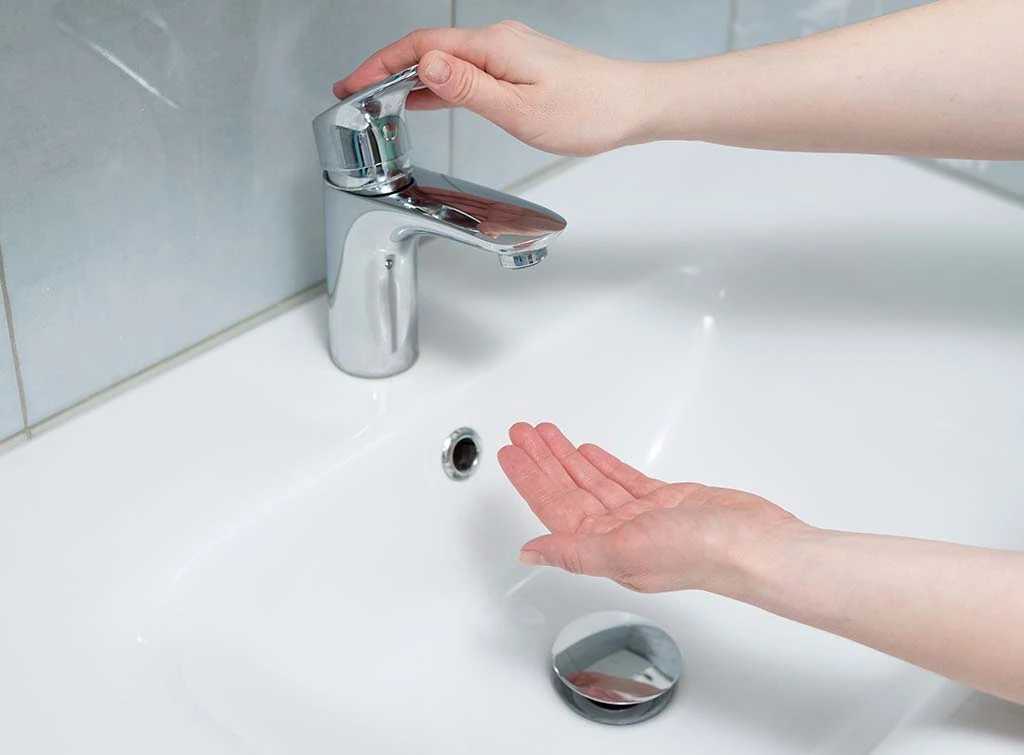
Why is my tap dripping?
A dripping tap is one of the most common household plumbing issues — and one of the most annoying (for more reasons than one).
In most cases, the cause is:
A worn washer
A damaged ceramic cartridge
A perished O-ring
They're small parts, but once they wear down, even a tiny gap is enough to let water keep seeping through.
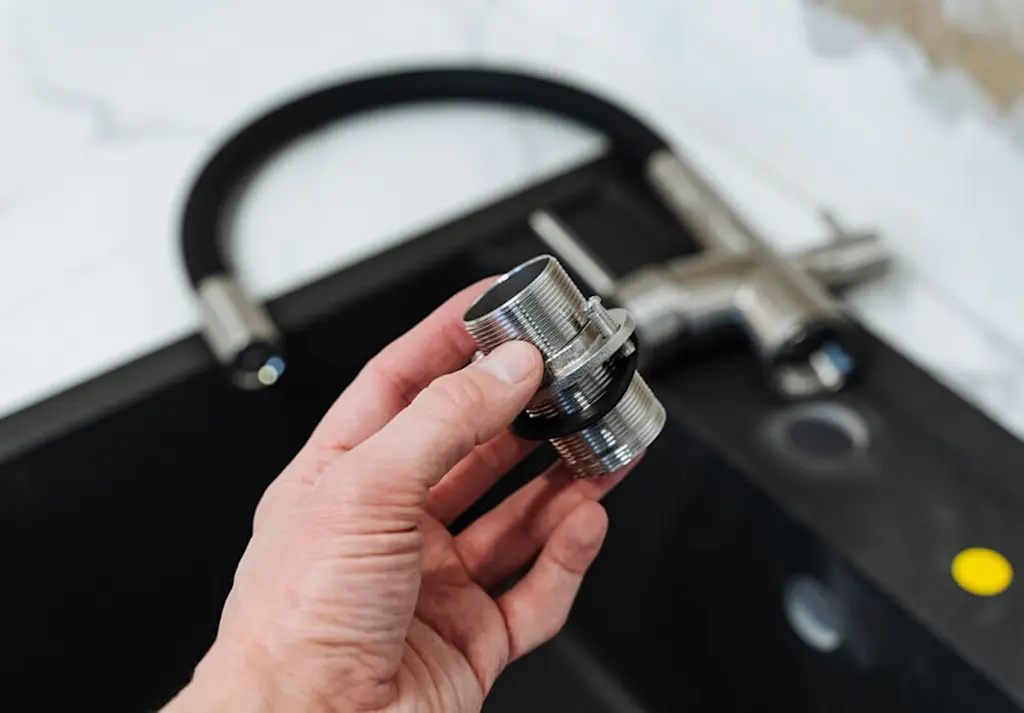
Replacing a washer or cartridge is often straightforward for confident DIYers. The key is identifying the correct replacement part.
What size tap washer do I need?
There’s no universal washer size. Most range between 9mm and 40mm.
The safest approach is to remove the old washer and measure it before buying a replacement.
Choosing the wrong size can cause continued leaks. If you’re unsure, most hardware shops will help you match it up if you bring the old one with you.
If your tap continues dripping after replacing the washer or cartridge, the valve seat may be damaged, and that usually requires professional repair.
Why is my tap stiff or hard to turn?
A stiff tap is usually caused by:
A worn O-ring
Limescale build-up
Internal corrosion
Over time, friction increases and the handle becomes harder to move. If it feels like you have to force it, stop. Overtightening can make the problem worse.
In some cases, replacing the washer or O-ring resolves the issue. If stiffness persists or feels 'gritty', internal damage may be developing.
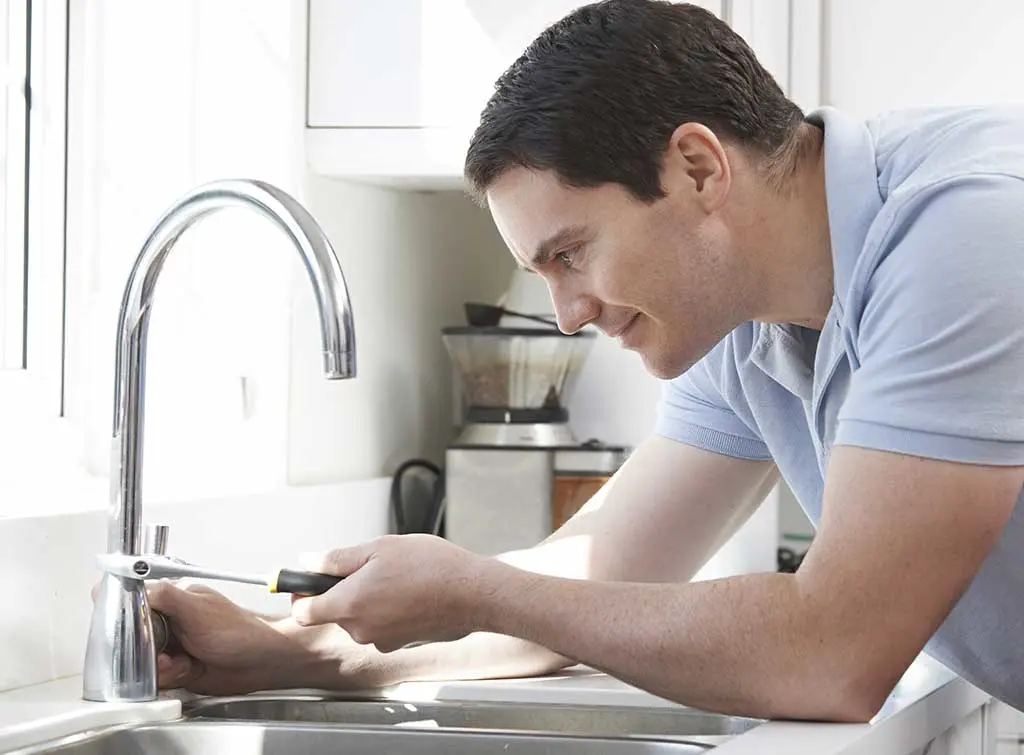
What should I do if my tap won’t turn off?
If your tap won’t shut off fully:
Turn off the water supply immediately (at the isolation valve or stopcock)
Check the washer or cartridge for wear
Replace damaged parts if confident to do so
If water continues flowing after replacing internal parts, the issue may lie deeper in the valve mechanism, and that’s when a plumber should step in.
A tap that won’t shut off properly can waste a surprising amount of water in a short time, so it’s worth acting quickly.
Why do mixer taps develop problems?
Mixer taps combine hot and cold water using an internal cartridge.
Common mixer tap problems include:
Dripping
Low water pressure
Temperature fluctuation
Stiff handles
In many cases, the culprit is either the cartridge itself or a build-up of limescale inside the mechanism.
With cheaper or older taps, replacing the whole unit can sometimes be simpler than tracking down the exact cartridge.
Why is my tap making noise?
Noisy taps can signal:
Air in the pipes
Loose washers
High water pressure
Worn internal components
Squealing or screeching noises often indicate washer movement under pressure.
If the noise doesn’t settle down, it’s worth getting it checked before it turns into a bigger problem.
When the sound starts getting louder over time, it’s usually a sign something inside is deteriorating rather than improving on its own.
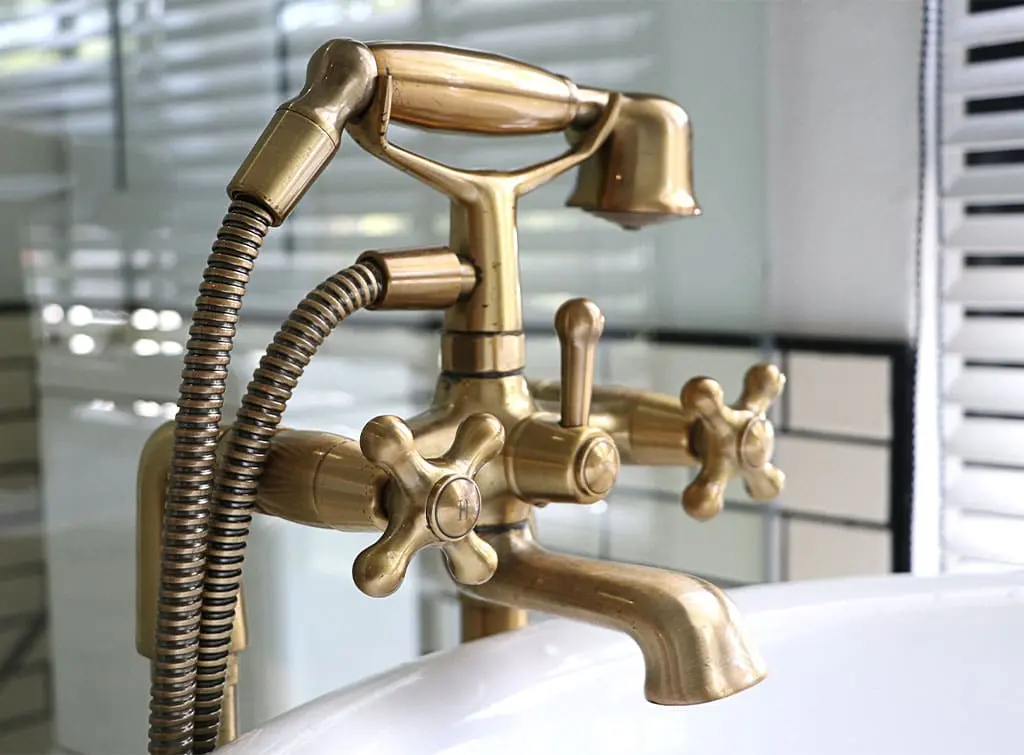
Why do waterfall taps and shower mixer taps behave differently?
Some tap designs are simply less forgiving when it comes to pressure changes and limescale.
Waterfall taps:
Require consistent water pressure
Can highlight hard water issues
Often show drips more visibly
Shower mixer taps:
May suffer from blocked inlet filters
Can develop temperature control issues
Often require cartridge replacement if performance drops
If both your shower and basin tap are struggling, it’s often worth looking beyond the tap to the wider plumbing system.
Why is my bath shower mixer diverter not working?
If water is coming out of both the bath tap and the shower head at the same time, the diverter valve may be worn or stuck.
This could be a result of:
A worn internal diverter valve
Limescale build-up restricting movement
A damaged rubber seal
Internal corrosion in older taps
Sometimes tightening the fixing screw or cleaning the limescale helps. However, if the diverter won’t stay engaged or water continues flowing from both outlets, the internal valve usually needs replacing.
In many cases, getting to the diverter means taking parts of the tap apart, so if you’re unsure, it’s safer to call a plumber rather than risk damaging the tap body.
When is a tap problem not a DIY job?
It’s usually safer to call a plumber if:
The tap won’t turn off and water flow continues
You suspect pipe leaks behind walls
The problem affects multiple outlets
The valve seat or internal housing appears damaged
You’re unsure how to isolate the water supply
Small issues can escalate surprisingly quickly if they’re left unresolved. A slow drip might seem harmless, but give it a few weeks and it can damage units, flooring or worktops.
How much does it cost to repair or replace a tap?
How much you’ll pay to fix a tap issue really comes down to what’s causing the problem.
As a rough guide:
Replacing a washer or cartridge: relatively low cost if DIY
Professional tap repair: typically charged at an hourly plumbing rate
Installing a new tap: often around £140 (labour only)
Plumber day rate: commonly around £40-£60 per hour (varies by location)
Sometimes a quick repair buys you time, but if the tap is old, heavily corroded, or has been problematic for years, replacement is often the more economical long-term fix.
For a more detailed breakdown, see our tap installation cost guide.

Tap problems: a checklist
Find a plumber near you
If your tap problem is more than a simple washer replacement, the issue keeps coming back, or you’d just rather not risk further damage, a qualified plumber can diagnose and fix the issue quickly.
Search your postcode to compare checked, reviewed plumbers near you and request quotes with confidence.
Find a local plumber to fix your tap
FAQs
Can I fix a dripping tap myself?
Often yes, you can fix a dripping tap yourself if it’s caused by a worn washer or cartridge. Remember to always turn off the water supply first.
Why does my tap drip even when turned off tightly?
Over-tightening a tap can damage washers. Persistent dripping usually indicates worn internal components.
Is a noisy tap dangerous?
A noisy tap is not usually dangerous, but it can signal internal wear or high water pressure that should be addressed.
Why is my tap leaking from the base?
A tap leaking from the base is often caused by a worn O-ring or seal beneath the tap body.
See the tradespeople we've checked for your job