EXPERT ADVICE
Water leaking from the ceiling: what to do, causes, and who to call
Updated 06/26
By: Tommy Writer
Reviewed: Alex Peters
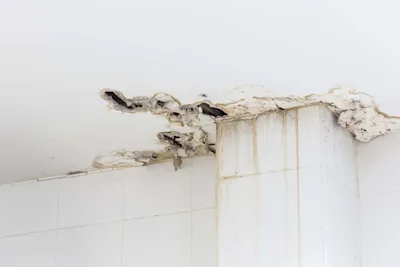
Finding water leaking from the ceiling is one of those moments that stops you in your tracks. The instinct is to panic - but the first few minutes matter more than you might think.
The right actions can be the difference between a small repair job and a major, costly restoration.
What to do in the first few minutes of a ceiling leak
How to identify where the leak is coming from
Whether you need a plumber, a roofer, or both
What brown or discoloured water from the ceiling means
How much ceiling leak repairs typically cost
How to prevent leaks from happening again
This guide walks you through exactly what to do, from those critical first steps through to finding the source, getting the right trade in, and understanding what it's likely to cost.
Find a plumber near you
What to do first when you spot a ceiling leak
Step 1 - Turn off the electrics
This is the most important step and it needs to happen immediately. Water and electricity are a dangerous combination. Do not touch any light switches in the affected room.
Go straight to your consumer unit (fuse box) and switch off the circuit breakers for the rooms involved - or turn off the main power entirely if you're unsure which circuits are affected.
This is especially critical if the leak is coming through a ceiling light fitting, which is a surprisingly common scenario. Until a qualified electrician has checked the wiring, treat any affected fittings as live.
Once a ceiling has been soaked, you should always get an electrician to inspect the wiring before restoring power to that area - even if the leak looks minor.
Step 2 - Shut off the water
Find your main stopcock and turn it clockwise to close it. In most UK homes you'll find it under the kitchen sink, in a utility cupboard, or near the front door.
Turning this off stops more water entering the system and limits the spread of damage.
If you're not sure where your stopcock is, our guide to how to turn off water under the sink covers the basics.
Step 3 - Contain and protect
Place buckets or bowls under the drip. Lay down old towels or sheets to protect the floor and move furniture and valuables out of the affected area.
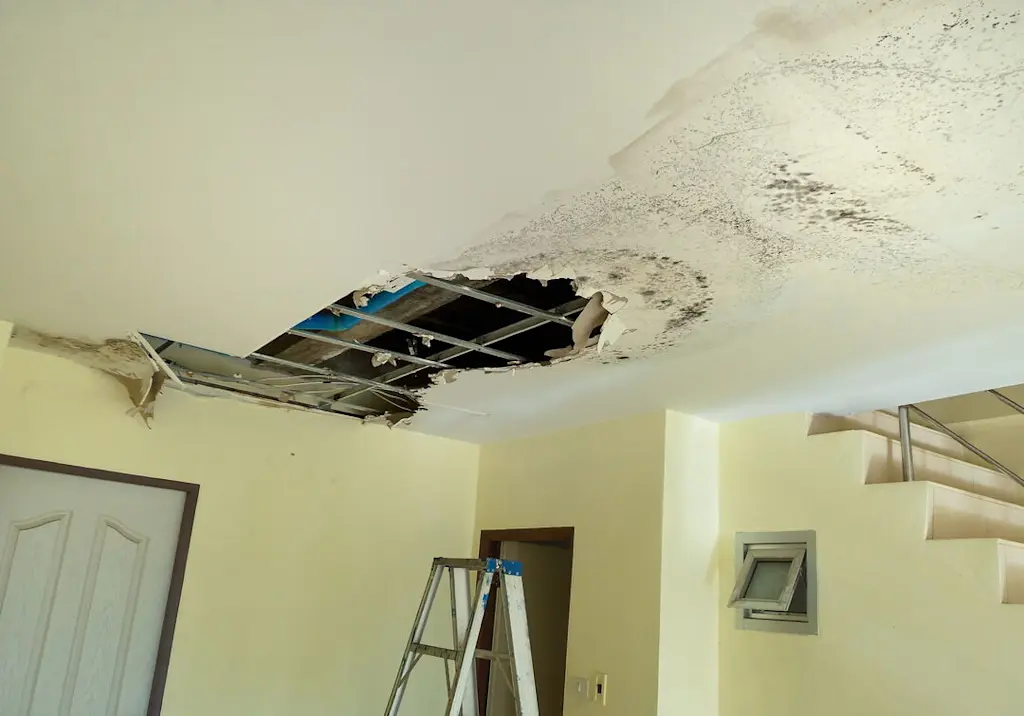
If the ceiling is sagging or bulging, that's a sign water has pooled above the plasterboard and it could collapse under the weight.
If you see a bulge, position a bucket underneath it and carefully pierce the lowest point with a screwdriver. This sounds counter-intuitive, but it creates a controlled drain and prevents the entire ceiling from coming down at once - which is a far bigger and more expensive repair job.
Step 4 - Photograph everything
Before you start mopping up, take clear photos and short video clips of the damage. Capture the ceiling, any pooling water, and any belongings that have been affected. This documentation is important if you need to make a home insurance claim, and it's much easier to gather before the clean-up begins.
Step 5 - Contact your home insurer
If you have home insurance, call your provider as soon as you've stabilised the situation. Many policies cover sudden, accidental water damage - often called "escape of water" - and your insurer may send an expert or instruct you on next steps. Policies vary, so check your documents for what's covered.
Step 6 - Call a professional
Unless you can clearly identify and fix the source yourself, call in a professional as soon as possible. The longer water damage is left, the worse it gets - and the more expensive it becomes to put right.

What causes water to leak from the ceiling?
Water leaking through a ceiling can come from several different sources, and pinpointing the right one matters - because it determines who you need to call and what work needs doing.
A leak from the bathroom above
This is one of the most common causes. A failing seal around a bath, shower tray, or toilet base can allow water to seep through the floor over time.
The leak often only shows up after someone uses the shower or bath, which is a useful clue.
Inspect the silicone sealant around the bath, shower, and sink. If it's cracked, peeling, or discoloured with black mould, it's no longer waterproof. Even a hairline gap is enough for water to track through over time.
If you suspect the upstairs bathroom is the cause, you may find our guide on why your bath is leaking helpful.

Water leak in the house? Here's exactly what to do
A water leak in the house is a nightmare for any homeowner. Here's what to do if you find water pooling where it shouldn't be.
A burst or leaking pipe
Pipework hidden inside walls, floors, and ceilings can develop faults - from loose joints and worn washers to full burst pipes.
A burst pipe tends to produce a sudden, large patch of water rather than a slow stain, and it's more likely to happen during or after cold weather when pipes can freeze and crack.
If you have a burst pipe, this needs emergency attention. Shut off the stopcock straight away and call a plumber.
A leaking appliance
Washing machines, dishwashers, and American-style fridge freezers all have water supplies and can develop slow leaks at hose connections or valves.
These leaks often go unnoticed until they've worked their way through a floor. If the leak is directly below a kitchen or utility room, check appliance connections first.
Roof damage
If the leak gets worse during heavy rain or the affected room is on the top floor, the roof is the likely culprit. Damaged, cracked, or missing tiles, failed flashing around chimneys and vents, or blocked gutters can all allow water to penetrate.
Roof leaks can travel a long way before appearing - water often runs along joists before finding a weak spot to drip through.
Leaks that appear after heavy rain, or that are worse in wet weather, almost always point to the roof or gutters rather than the plumbing.
A leaking overflow pipe
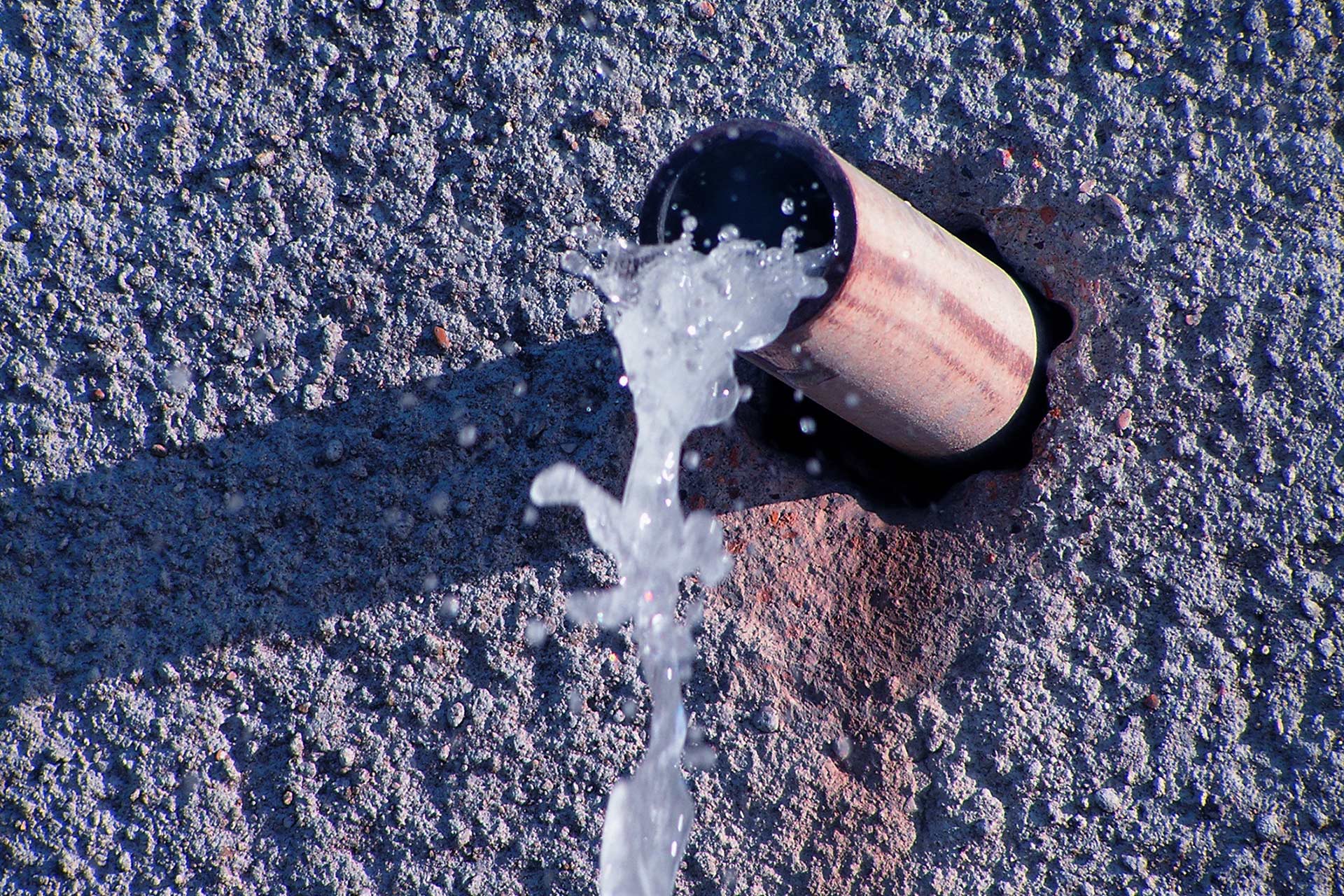
An overflowing or leaking overflow pipe is an easy one to miss but worth checking. If your loft tank or cistern overflow is blocked or faulty, water can build up and eventually come through the ceiling. Take a look at our guide to fixing a leaking overflow pipe for more detail.
Condensation
Not all ceiling moisture is a leak. In poorly ventilated rooms - particularly bathrooms and kitchens - condensation can build up on cold surfaces and cause damp patches that look like a leak.
If there's no obvious water source and the patch seems to dry out and reappear, condensation may be the cause rather than an active leak.
Find a plumber near you
What does the colour of the water tell you?
The appearance of the water coming through your ceiling can actually help you narrow down the source.
Clear water - likely a plumbing leak or fresh rainwater. Could be a burst pipe, loose joint, or appliance supply line
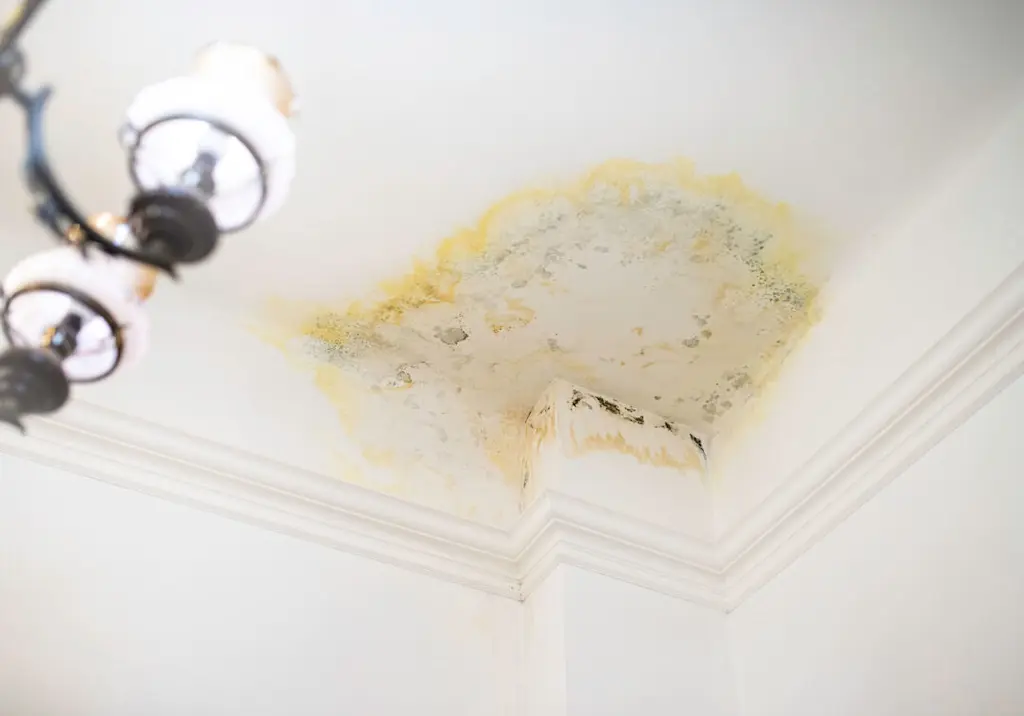
Brown or discoloured water - suggests the water has been sitting somewhere for a while before coming through. Often indicates a roof leak, a long-standing slow leak, or water that has passed through old insulation or timbers
Water through a light fitting - this is an electrical emergency. Turn off the power immediately and do not use the fitting until it has been inspected by a qualified electrician
Who should you call for a ceiling leak?
Call a plumber if...
The leak gets worse when water is being used in the property
It's not raining and the leak still appears
You suspect a burst pipe, loose fitting, or faulty appliance
The leak is below a bathroom, kitchen, or utility room
A qualified plumber can trace the source using specialist detection equipment, particularly for hidden leaks inside walls or floors. Find out more about water leak detection costs.
Call a roofer if...
The leak is worse during or after heavy rain
The affected room is on the top floor or directly under the roof
You can see missing or damaged tiles, or signs of damp in the loft
The leak appears near a chimney, skylight, or roof vent
You can find vetted, reviewed emergency roofers near you at Checkatrade's emergency roofers page.
Not sure which you need?
That's more common than you'd think. Water travels - it can enter through the roof and run along a joist before dripping somewhere completely unrelated to the entry point.
If you genuinely can't tell, start with a plumber. They'll confirm whether the leak is structural or roof-related and can advise from there.

Whether you need a plumber, a leak detection specialist, or an emergency roofer, you can find vetted, reviewed tradespeople near you on Checkatrade.
How much does it cost to repair a ceiling leak?
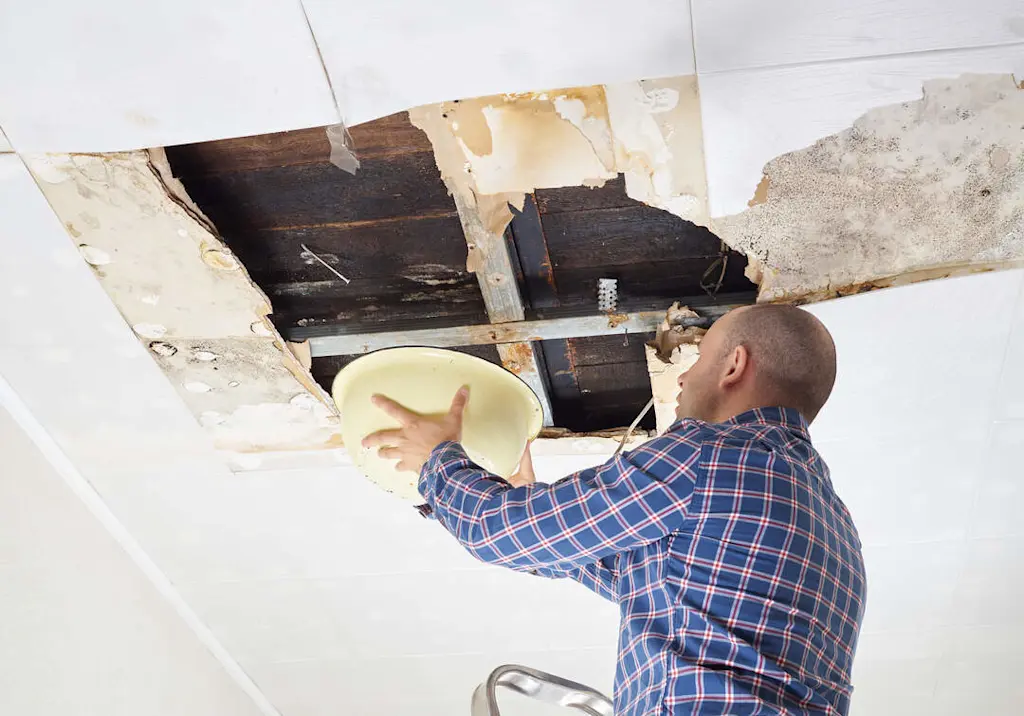
The cost to fix a ceiling leak depends on what caused it, how long it's been going on, and how much damage has been done. The repair bill typically covers two separate jobs: fixing the source of the leak (plumbing or roofing work), and repairing the ceiling itself.
For a full breakdown of what you're likely to pay, see our guides to ceiling water damage repair costs and ceiling repair costs.
Top tip: The sooner you act, the lower the repair bill. A small patch repair costs a fraction of a full ceiling replacement - and the longer water sits in plasterboard and joists, the more extensive the damage becomes.

How much does ceiling water damage repair cost?
Burst pipes and roof leaks can lead to disastrous ceiling problems. Discover our ceiling water damage repair cost guide, full of helpful tips and up-to-date prices.
Why not try our calculator?
With a few key details about your job, our handy AI-driven tool references actual job pricing data to give you a good estimate of what you can expect to pay.
Job Estimate Calculator

How to repair a water-damaged ceiling
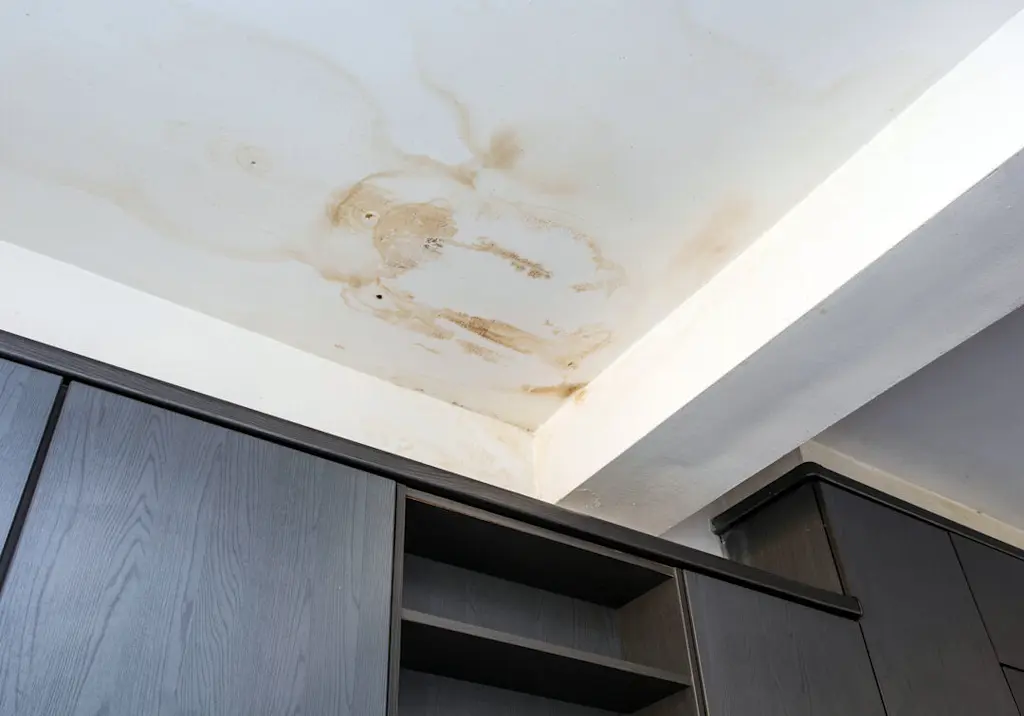
Once the leak has been fixed and the source confirmed, the ceiling itself needs attention.
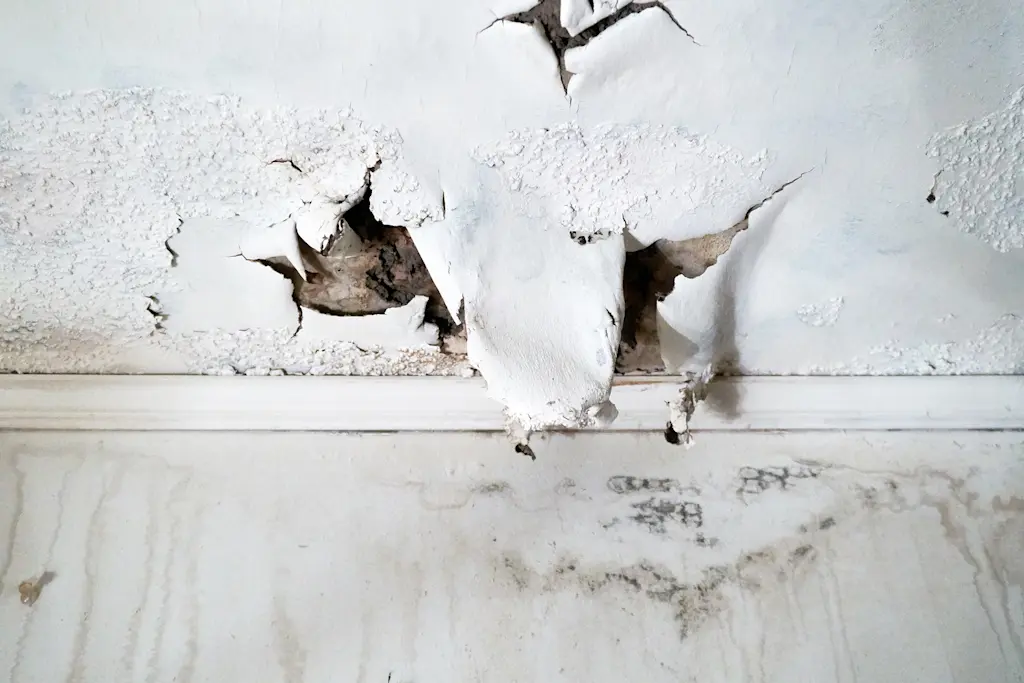
Rushing this stage is one of the most common mistakes - if you paint or replaster over damp plasterboard, you'll be dealing with mould and bubbling paint within weeks.
Dry it out completely first
The drying process takes longer than most people expect. Depending on how much water got in, it can take anywhere from a few days to a couple of weeks for the ceiling to dry out fully.
Use fans and a dehumidifier to speed things up, and open windows where possible to keep air moving.
Don't move on to repairs until the ceiling feels completely dry to the touch and there's no residual damp smell.
Assess the damage
Once dry, check whether the plasterboard is still solid.
If it's just stained but firm, you may be able to get away with a stain-blocking primer and repaint.
If it's soft, crumbling, or sagging, that section needs to come out and be replaced before any finishing work can begin.
When to bring in a professional
Patch repairs are manageable for a confident DIYer, but anything involving a large section of ceiling, damaged joists, or any electrical wiring should be handled by a professional.
A specialist in water damage restoration can assess the full extent of the damage and carry out the repairs properly - including drying, replastering, and redecorating.

On Checkatrade, you'll only find trades who meet our high standards and pass up to 12 checks.
How to prevent ceiling leaks in future
A few simple maintenance checks each year can catch problems before they turn into ceiling-damaging leaks.
Check bathroom sealant twice a year - If it's peeling, cracked, or mouldy, replace it - it takes an hour and costs very little
Inspect appliance hoses on your washing machine and dishwasher each season - Feel for soft spots, bulges, or cracks that indicate a hose is about to fail
Clear your gutters in autumn and spring - Blocked gutters overflow and can push water back into the roof structure or down external walls
Check your loft after heavy rain - A quick look with a torch can reveal damp patches on the underside of the roof or around the water tank before they become a bigger problem
Lag exposed pipes in the loft and garage before winter - To reduce the risk of them freezing and bursting in cold spells
Look for early warning signs - A small brown ring on the ceiling, a musty smell in a room, or damp patches near a light fitting are all worth investigating immediately - don't wait for a drip to appear
How to fix a leaking overflow pipe
Wondering why your overflow pipe is leaking? This guide will help you identify the cause of the leak and how to fix it.
Ceiling leak checklist

Ceiling leak - immediate action checklist
Find water detection services
Enter your postcode to find a top tradesperson near you
PlumbingHQ
10.00
(2 reviews)Services & skills
PlumberWater Leak DetectionRadiator Thermostat Valve InstallationPipe FitterShower InstallationMulti Skills.UK 24/7 Emergency
10.00
(313 reviews)Services & skills
PlumberWater Leak DetectionThermal DynamicsWater Supply Pipe RepairsShower InstallationH2O Services
10.00
(8 reviews)Services & skills
PlumberWater Leak DetectionUnderfloor Heating RepairBlocked SinksUnderfloor Heating InstallationRapid Drainage and Plumbing
10.00
(264 reviews)Services & skills
PlumberWater Leak DetectionEmergency Plumber ServiceGeneral PlumbingWater Mains Specialist (Pipe Replacement, Moling and Lead Pipes)MJ Plumbing and Heating
10.00
(40 reviews)Services & skills
PlumberWater Leak DetectionGeneral PlumbingUnderfloor Heating InstallationEmergency Plumber Service- P
Platinum Plumbers
10.00
(94 reviews)Services & skills
PlumberWater Leak DetectionBlocked ToiletsBlocked BathsUnderfloor Heating Repair




Frequently asked questions
Is water leaking from the ceiling an emergency?
In most cases, yes - or at least it should be treated as one. A ceiling leak can become an emergency quickly if water reaches electrical wiring, if the ceiling is at risk of collapsing, or if the leak is caused by a burst pipe. Even a slow drip that looks minor can indicate significant damage above.
Act fast, turn off the power and water supply, and call a professional the same day.
Who do I call for a water leak in the ceiling in the UK?
Start with a plumber if there's no obvious link to heavy rain or roof damage. A plumber can trace hidden leaks using specialist detection equipment and rule out plumbing as the cause before you bring in a roofer.
If the leak clearly worsens in wet weather or the room is directly under the roof, call a roofer first.
Why is water leaking through the ceiling from my upstairs shower?
The most common cause is failed sealant around the shower tray or enclosure. Even a small gap allows water to seep under tiles and through the floor over time.
It can also be caused by a cracked shower tray, a loose drain connection, or worn tap fittings. A good test: plug the shower drain and fill the tray with a small amount of water.
If water appears downstairs, the problem is the tray or drain. If it doesn't, the issue is likely the tap connections or tile grout.
What does brown water leaking from the ceiling mean?
Brown or discoloured water usually means the water has been sitting in the ceiling void for a while before coming through. It's often a sign of a slow, long-standing leak rather than a sudden one - and it may have been doing damage for longer than you realise.
It commonly indicates a roof leak where water has passed through old insulation or timbers. Get it investigated promptly, as the structural damage above may be more extensive than the stain suggests.
How do I stop water leaking from a ceiling light?
Do not touch the light switch or fitting. Go straight to your consumer unit and switch off the circuit for that room - or the whole property if you're unsure.
Water in a ceiling light fitting is an electrical hazard that needs to be treated as an emergency. Once the power is off and the leak source is fixed, a qualified electrician must inspect the wiring before the light is used again.
How long does a ceiling take to dry out after a leak?
It depends on the severity of the leak and the materials involved. A minor, quickly-stopped leak might dry out in a few days. A more serious saturation can take two to three weeks. Using fans and a dehumidifier speeds up the process significantly. Never paint or plaster over a damp ceiling - if moisture is trapped, mould will follow.
Can I claim for a ceiling leak on my home insurance?
In many cases, yes. Most home insurance policies cover sudden, accidental water damage - known as "escape of water" - such as a burst pipe.
Gradual damage caused by long-term neglect or wear and tear is less likely to be covered. Take clear photographs of all damage before clean-up, contact your insurer as soon as possible, and check your policy documents for the specific terms.
How do you stop a ceiling from leaking water?
You can't fully stop the damage until you've fixed the source - whether that's a plumbing fault, roof damage, or a failed appliance seal.
In the meantime, turn off the water supply and electrics, contain the drip with buckets, and pierce any bulging ceiling to release trapped water. Call a professional to identify and fix the root cause before carrying out any ceiling repairs.

Related guides

See the tradespeople we've checked for your job