HOW-TO GUIDES
How to care for your driveway
Updated 02/26
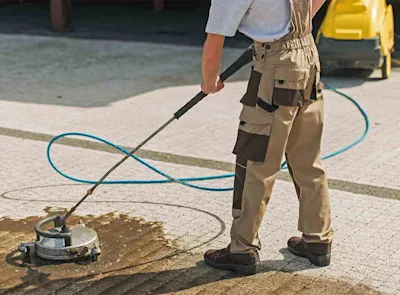
By: Content Team
Reviewed: Laura Macdonald

Driveway care is easy to overlook, especially when life gets busy. But that stretch of paving at the front of your home works hard every day, from supporting vehicles to handling rain, frost and foot traffic.
Whether you’ve just had a new driveway installed or you’re trying to bring an older one back to life, knowing how to look after it properly can save you time, money and bigger repairs later on. The good news is it doesn't have to become a major project.
This guide explains what routine maintenance involves, how to tackle common problems, and when it might make sense to call in a professional.
What driveway care actually involves
Why small, regular jobs make a bigger difference than occasional deep cleans
How to remove oil stains, moss and weeds
How to care for concrete, asphalt and resin driveways
When sealing is worth considering
When professional help is the safer option
What does driveway care involve?
Driveway care involves regular cleaning, treating moss and weeds, removing stains, and protecting the surface with suitable products where needed.
The exact approach will depend on whether your driveway is concrete, asphalt (tarmac), resin, or block paving.
In most cases, it’s less about one big transformation and more about steady upkeep. Staying on top of small issues early usually prevents more noticeable damage later.
Are there benefits to maintaining your driveway?
It’s easy to think of driveway care as cosmetic, but it’s often about preventing slow, expensive wear that creeps up over time. Looking after your driveway can:
Keep your property looking well cared for
Slow down surface wear and fading
Reduce slippery moss and algae build-up
Prevent weeds taking hold in joints
Help avoid more costly structural repairs
Even a simple sweep and wash a few times a year can make a visible difference.

Why might you need to care for your driveway?
People usually start thinking about driveway care when something draws their attention, for example:
A dark oil patch where the car usually sits
Green staining or moss after a typical damp British winter
Weeds pushing through paving joints
Faded or patchy areas in asphalt
Hairline cracks starting to spread
A newly installed driveway that needs protecting
These signs don’t always mean major work is needed, but they are a prompt to act before problems worsen.
How do you remove oil stains from a driveway?
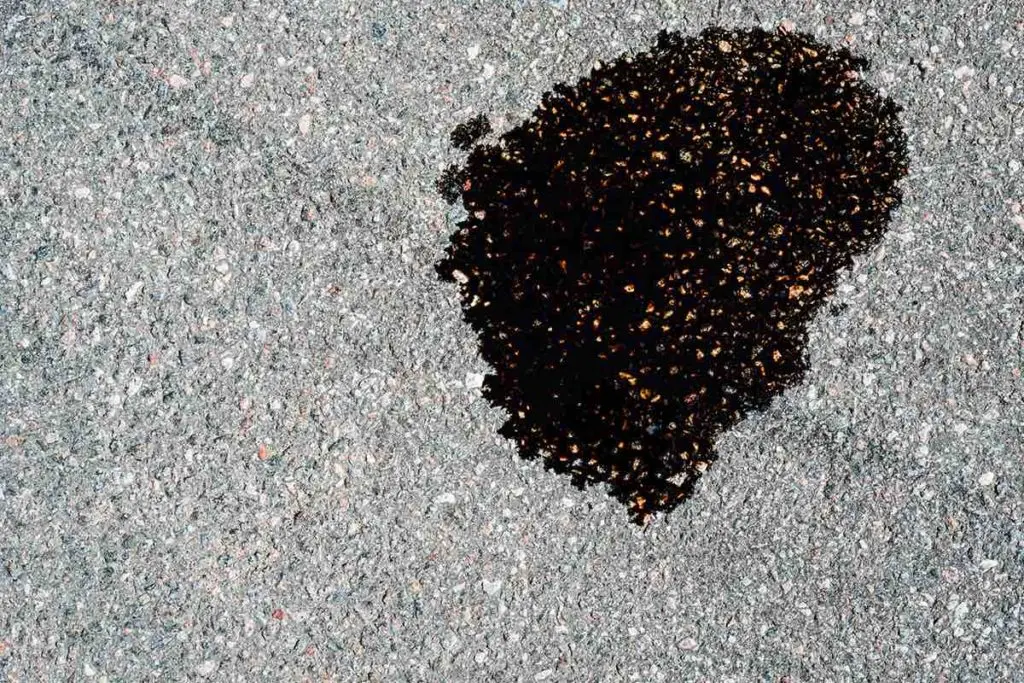
Oil stains are one of the most common driveway headaches — and one of the hardest to shift.
If the stain is fresh:
Absorb excess oil with sand or cat litter
Leave it to draw out as much liquid as possible
Sweep away before applying a degreasing cleaner
For older stains:
Use a cleaner designed specifically for your surface
Gently scrub with a stiff brush
Avoid harsh chemicals that could discolour the area
It’s worth knowing that deep-set oil may not disappear entirely without specialist treatment — particularly on something like a porous concrete.
How do you remove moss from a driveway?
Moss tends to build up in shaded or damp areas and can quickly make a driveway look neglected — and feel slippery underfoot.
You can:
Brush away loose growth
Apply a moss or fungicidal treatment
Allow time for it to work before rinsing
Improve drainage or trim back overhanging plants where possible
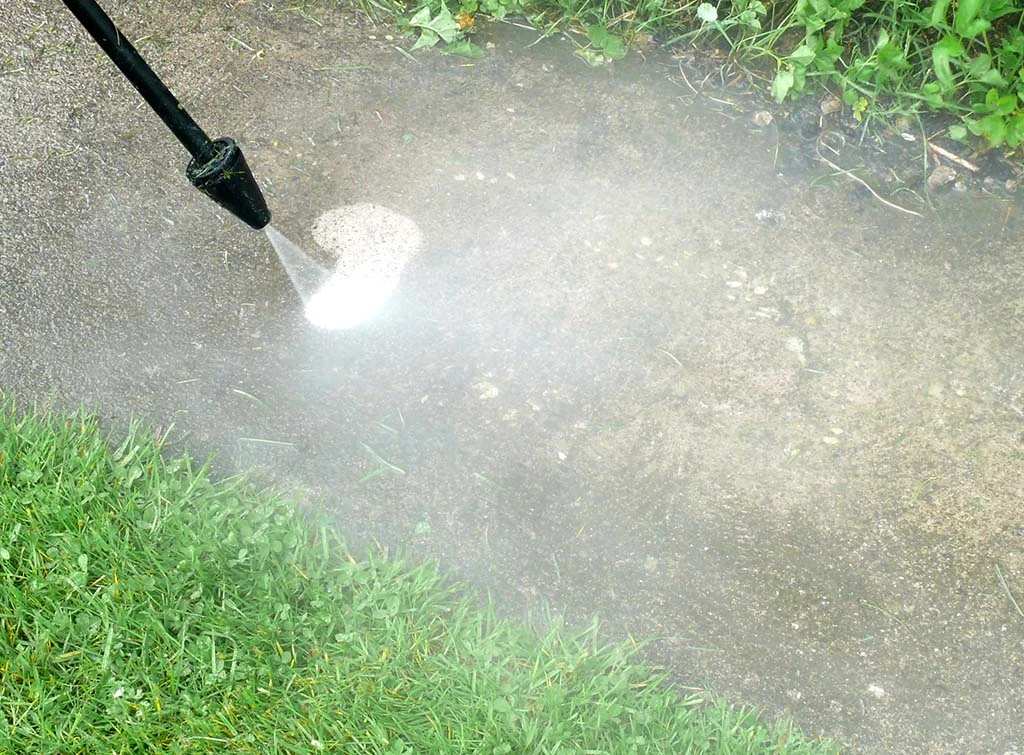
Simply pressure washing moss away often gives a short-term improvement, but without treatment, it usually returns.
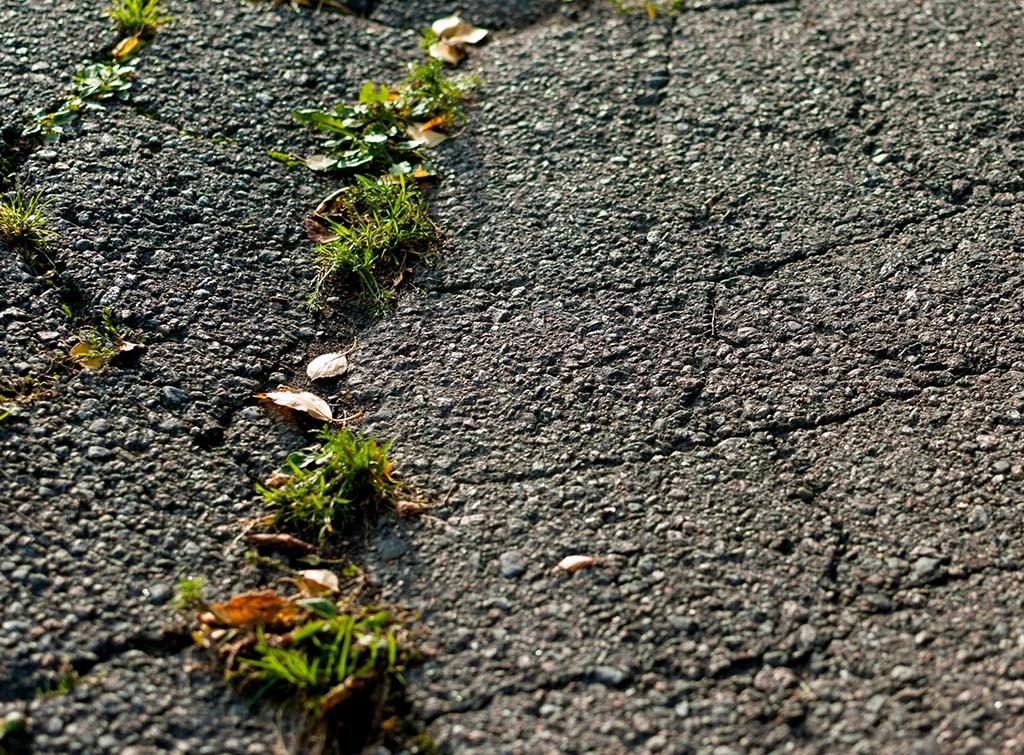
How do you permanently get rid of weeds in a driveway?
If you’ve ever pulled weeds out of your driveway only to see them back a few weeks later, you’re not alone.
Weeds love the small gaps and cracks where moisture settles, especially between block paving or along concrete edges.
To keep them under control for longer, it usually helps to:
Pull them out fully, making sure you remove as much of the root as possible
Use a suitable weed treatment designed for driveways
Re-sand block paving joints if rain has washed the sand away
Think about sealing the surface once everything is clean and stable
It’s worth knowing that if the joints are loose or the paving has shifted over time, weeds will keep finding their way back. In those cases, a more thorough repair may be needed to properly solve the problem rather than just managing it.
How to care for different driveway types
Different materials respond differently to cleaning and maintenance, so it helps to tailor your approach to concrete, asphalt and resin surfaces.
How to care for a concrete driveway
Concrete is durable but can be porous.
To keep it in good condition:
Sweep regularly to prevent debris staining
Wash occasionally with mild detergent
Repair small cracks before winter
Consider sealing if staining becomes frequent
These small pre-winter checks make a big difference; water and frost can quietly expand even tiny cracks.
How to care for a new asphalt driveway
New driveway care is especially important for asphalt.
In the first few months:
Avoid parking heavy vehicles in exactly the same spot
Try not to turn wheels while stationary
Keep sharp objects away from the surface
After that, a light reseal every few years helps it stay smooth and resist fading.
How to clean a resin driveway
Resin-bound driveways are often marketed as 'low maintenance', but that doesn’t mean no maintenance at all.
Sweep regularly
Wash with mild detergent and water
Avoid strong solvents
Use caution with pressure washers
Regular, light cleaning is all it takes — overdoing it with power washing often does more harm than good.

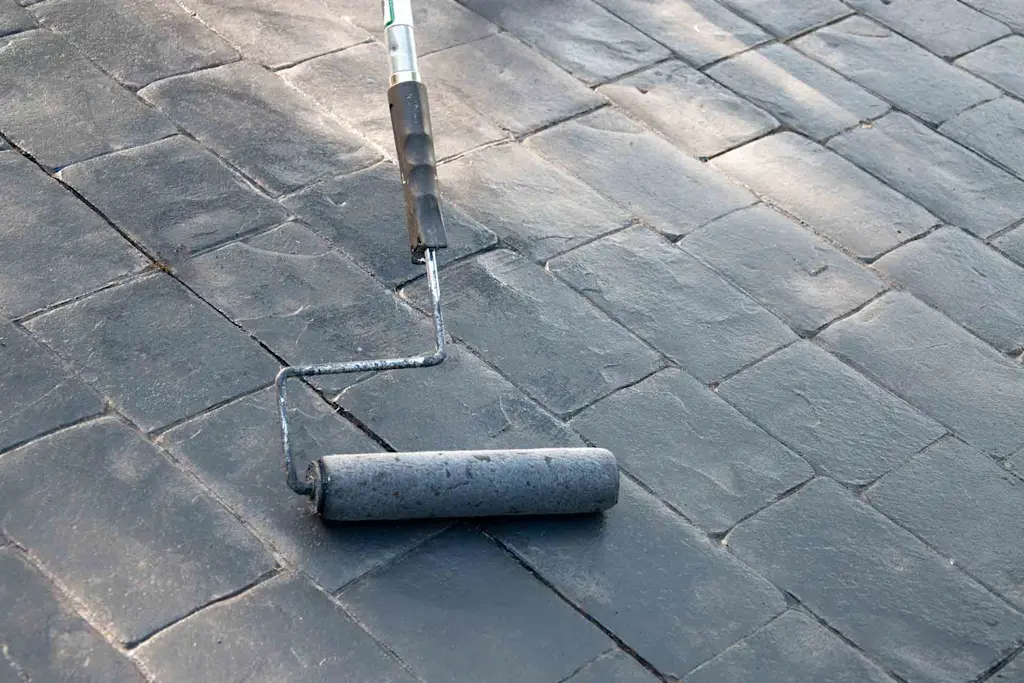
Should you seal your driveway?
Sealing a driveway can extend its lifespan, but it isn’t always necessary.
It can help protect block paving, concrete and asphalt from staining, UV damage and moisture penetration. However:
Not every driveway needs sealing
Incorrect products can trap moisture
Poor application can leave uneven finishes
Sealing can feel like an easy win, but it’s not always the right solution for every surface. If you’re unsure, a local driveway specialist can assess the surface condition before you commit.
How much does driveway maintenance cost?
Driveway maintenance costs vary widely depending on the surface type and level of work required. And quotes can vary more than people expect, particularly if problems have been left untreated for a while.
DIY costs may include:
Cleaning products
Weed treatment
Sealant
Pressure washer hire
Professional costs depend on:
Driveway size
Surface type
Severity of staining or damage
Access and drainage considerations
For a clearer idea of pricing, see our driveway cleaning cost guide.
Can you care for your driveway yourself — and should you?
Yes. Many aspects of driveway care can be handled yourself, particularly light cleaning and basic weed control.
However, certain jobs are normally best left to experienced tradespeople, including:
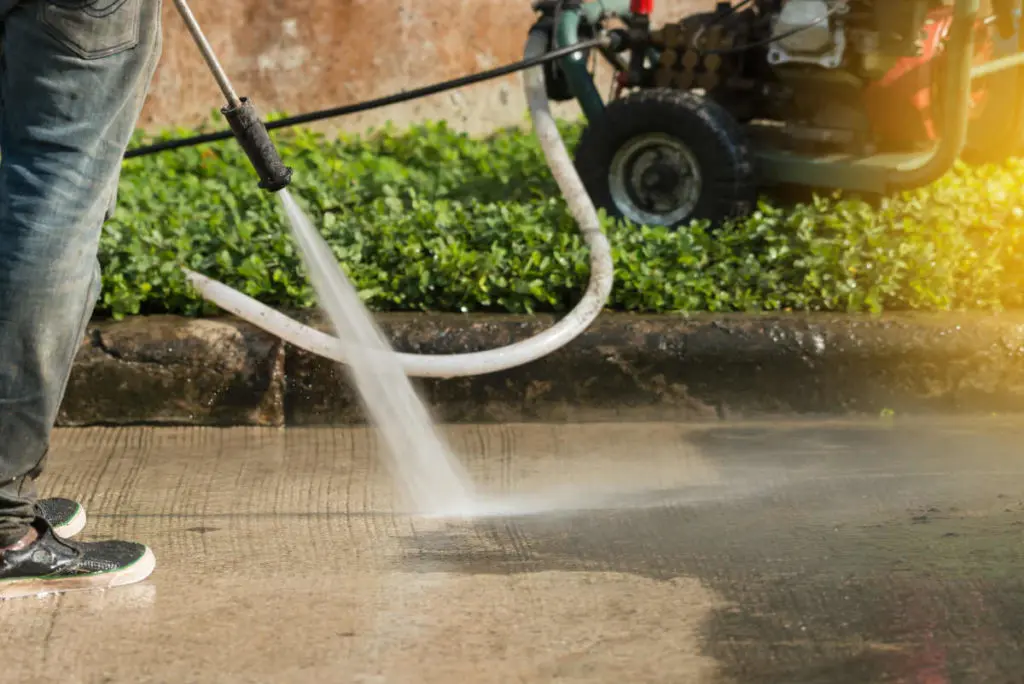
Power washing delicate or ageing surfaces
Treating heavy moss or algae growth
Repairing spreading cracks
Re-sanding large areas of block paving
Applying professional-grade sealants evenly
Using too much pressure, the wrong chemical, or an unsuitable sealant can cause damage that’s more expensive to fix than the original problem.
For larger driveways or visible deterioration, professional assessment often provides longer-lasting results.
Thinking about hiring a professional?
Here’s what recent Checkatrade customers said about having their driveway professionally cleaned or restored:
"Quick turnaround. Hard working. Quote to completion in a few weeks. Neat and tidy and understand their work well. Very impressed. Great team."
Verified reviewer, GR8 Driveways Limited, (Location M25)
"As always, reliable and conscientious. Always polite and helpful. Highly recommended!"
Verified reviewer, The Honest Builder, (Location SO32)
Find driveway cleaning and repair services near you
If you’d prefer a cleaner, safer and longer-lasting result, we can help you find trusted tradespeople in your area.
With Checkatrade, all our tradespeople are:
Checked - Every Checkatrade member must pass up to 12 checks and commit to upholding the Checkatrade Standard
Reviewed - Over 6.2 million reviews have been published on Checkatrade about real jobs, on everything from communication, tidiness, timekeeping, and quality of work
Guaranteed - Jobs booked through Checkatrade are covered up to £1,000 (T&Cs apply)
Whether you need routine driveway care, crack repair, sealing or full restoration, connect with reputable local driveway specialists through Checkatrade.
Find Your Driveway Expert
FAQs
How often should you clean your driveway?
Most driveways benefit from cleaning once or twice a year, with spot treatment for stains as needed.
Can pressure washing damage a driveway?
Yes — excessive pressure can remove jointing sand, damage resin surfaces, and erode tarmac if not used correctly.
Is driveway sealing necessary?
Driveway sealing is not always necessary. It depends on surface type, age and condition.
How long does driveway sealant last?
Driveway sealant tends to last between 2–5 years, depending on product quality and weather exposure.

See the tradespeople we've checked for your job