IDEAS
Inspiring loft conversion ideas to maximise your attic space
Updated 09/26
By: Olivia Scammell
Reviewed: Alex Peters
If your home is bursting at the seams, or you're just tired of wasted attic space, a loft conversion is one of the most appealing ways to add real living space, and value, without moving house.
We've gathered a number of loft conversion ideas across every room type and head-height budget to help inspire your renovation.
Which loft conversion ideas suit your available head height
How much head height you need before you start
Whether you need planning permission for a loft conversion
Which dormer type suits your roof
What to check before you hire a specialist
How much head height do you need for a loft conversion?
Before you fall in love with any of the ideas below, it's worth checking whether your loft has the head height to support them.
As a general rule, you need at least 2.2m to 2.3m of clear height (measured from the floor joists to the underside of the ridge) for a comfortable, building-regulations-compliant conversion.
Lower than that, and you'll likely need to lower the ceiling below, raise the roof, or choose a design, like a shed dormer or a low-profile layout, built around limited headroom.
Our guide on whether your house is suitable for a loft conversion covers this in more detail.
Find a checked loft conversion specialist near me
Loft conversion ideas for bedrooms and dressing rooms
1. Home office loft

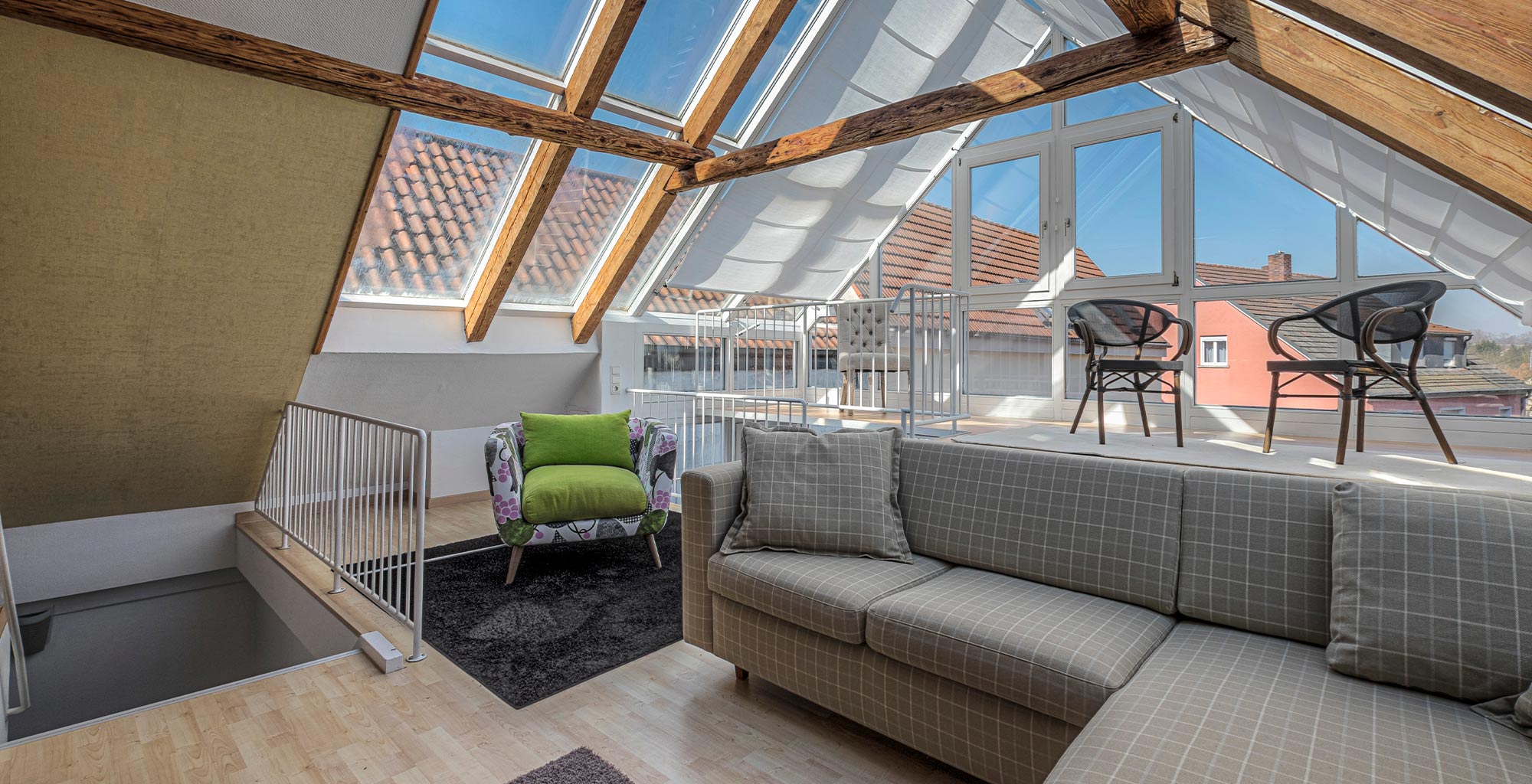
Remote working needs a space that avoids distraction. Multiple skylights flood this office with natural light, so opt for pale, neutral blinds rather than heavy blackout material to keep the room feeling open.
See our home office design guide for more.
2. Children's playroom
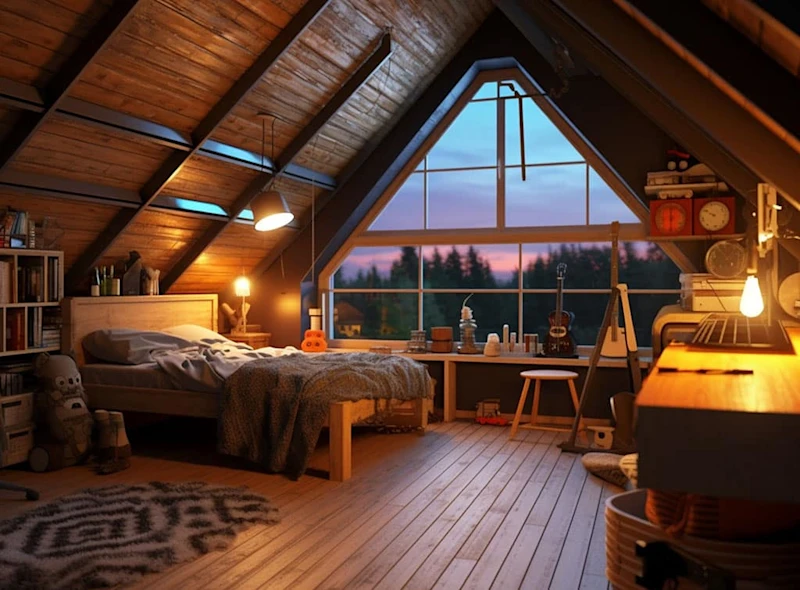
A low-roofed attic works well as a children's playroom, not least because the mess stays contained behind a closed door until you're ready to deal with it.
3. Personal dressing room

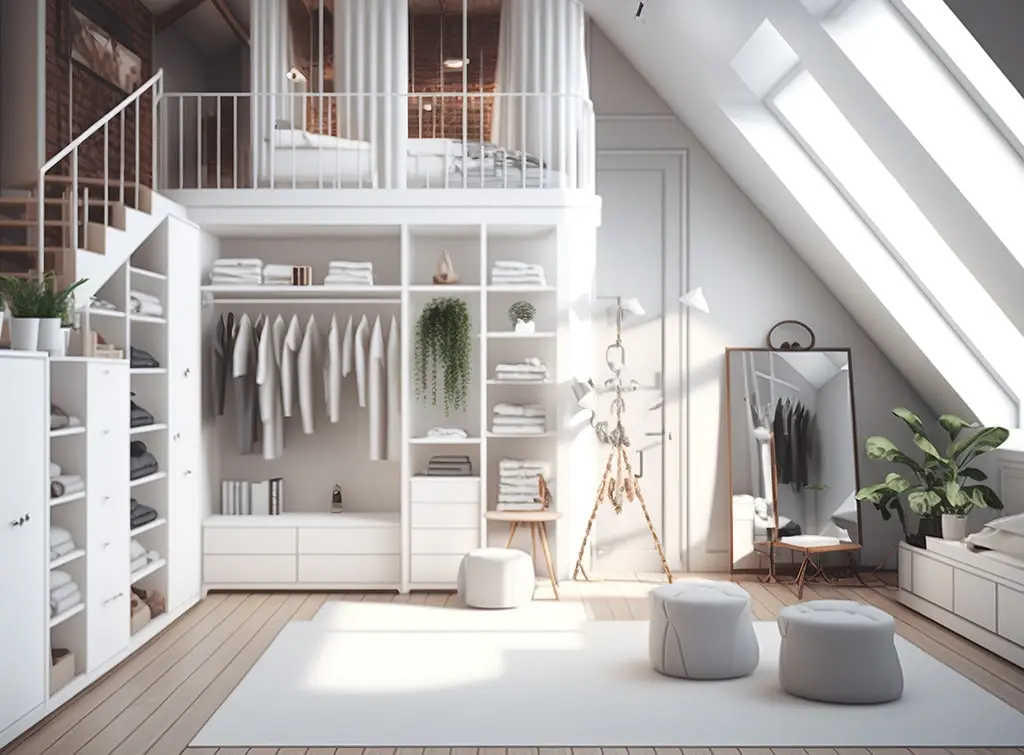
A floor-to-ceiling mirror and wall-to-wall fitted wardrobes turn even a modest loft into a proper dressing room. Larger lofts can support a split-level bedroom and dressing room combination.
4. Music room or snug
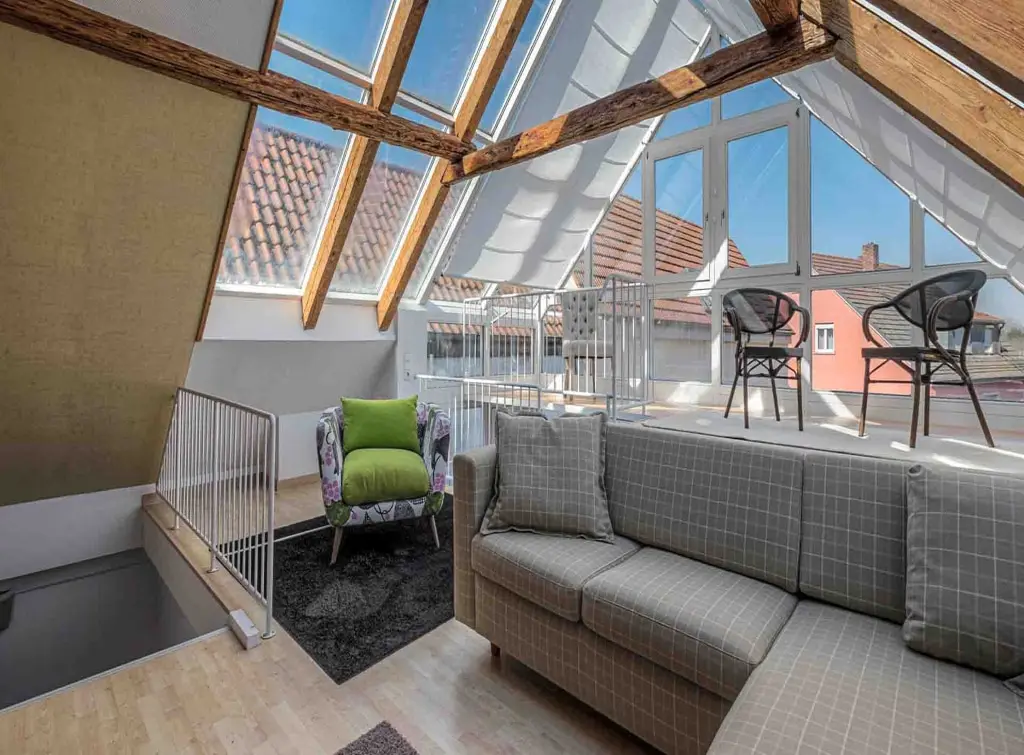
Soundproofing during your conversion means you can practise without disturbing the rest of the house, or turn the space into a quieter snug for records and a Hi-Fi setup instead.
5. Dormer bedroom with a view
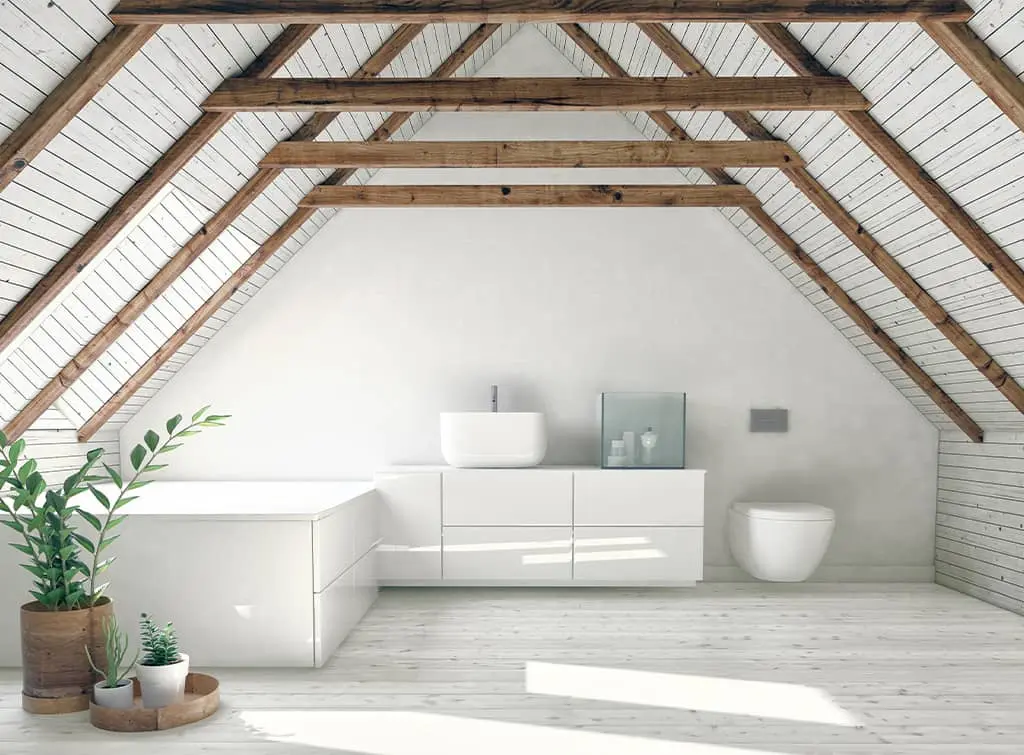
A dormer conversion is instantly recognisable by its box-shaped structure, added to a pitched roof to create extra head and floor space.
Dormer windows come in several styles, gabled, shed, hipped, eyebrow, flat and segmental, each suited to different roof shapes and budgets.
6. Spacious loft bathroom
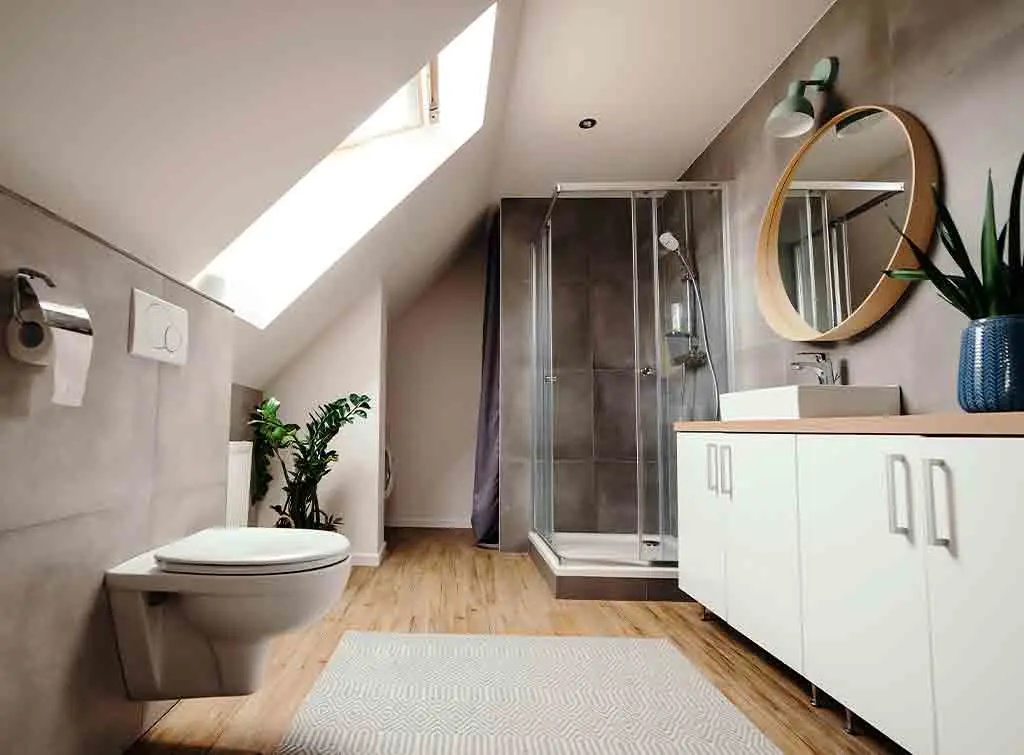
Light wooden floors and exposed oak beams combine well with a modern bathroom suite for a bright, spacious feel that doesn't fight the roofline.
7. Compact shower room
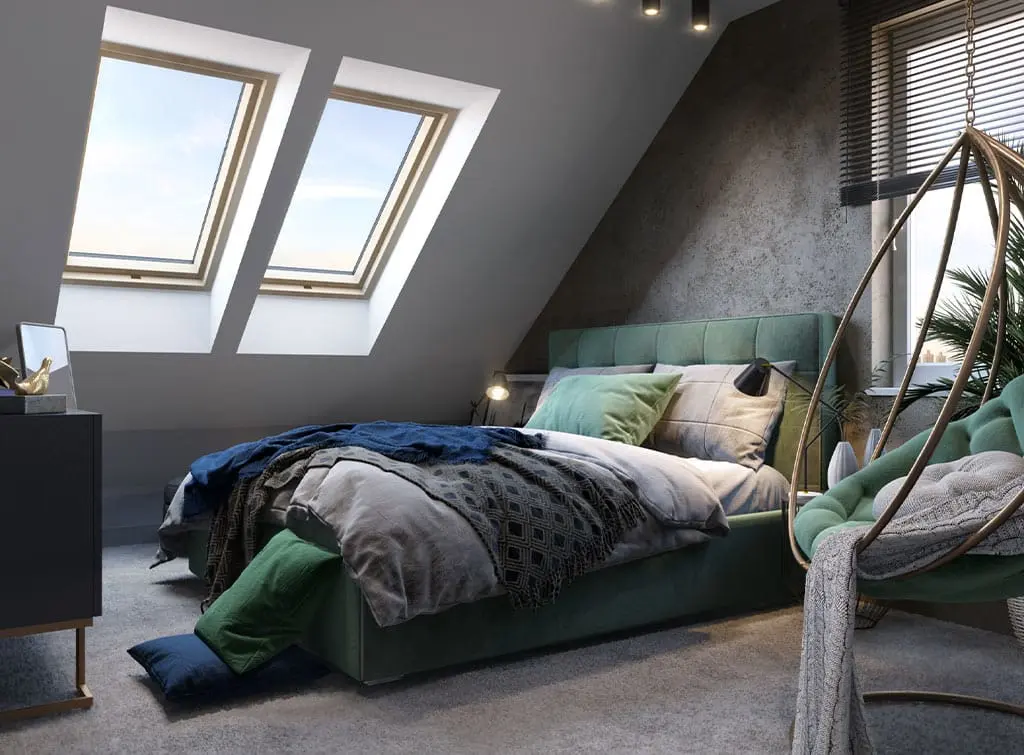
Where head height is tighter, a shower room or wet room is more achievable than a full bathroom. You'll need enough headroom over the shower itself, and an extractor fan if there's no window.
8. Guest bedroom with character
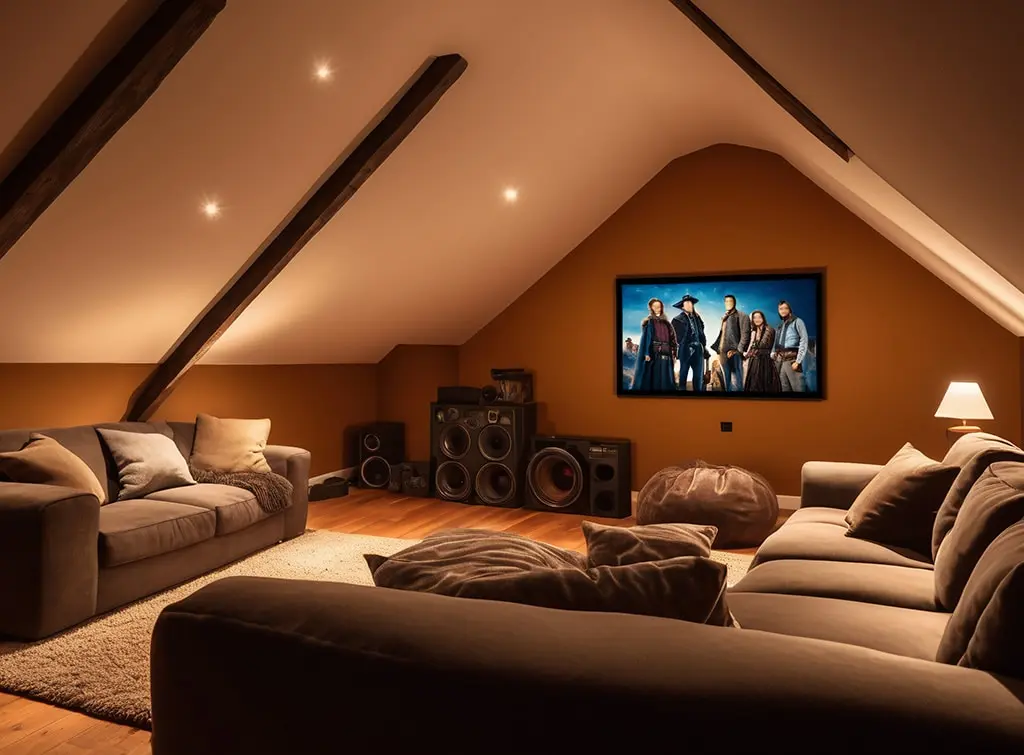
Grey and neutral bedroom schemes are popular in loft conversions because they don't fight the sloped ceilings, so add colour through accessories like a copper hanging chair or a deep blue throw instead.
Find a checked loft conversion specialist near me
Loft conversion ideas for entertaining and relaxing
9. TV and social room
Being tucked away at the top of the house means a loft TV room won't disturb the rest of the family (or the neighbours) during movie night.
10. Peaceful retreat
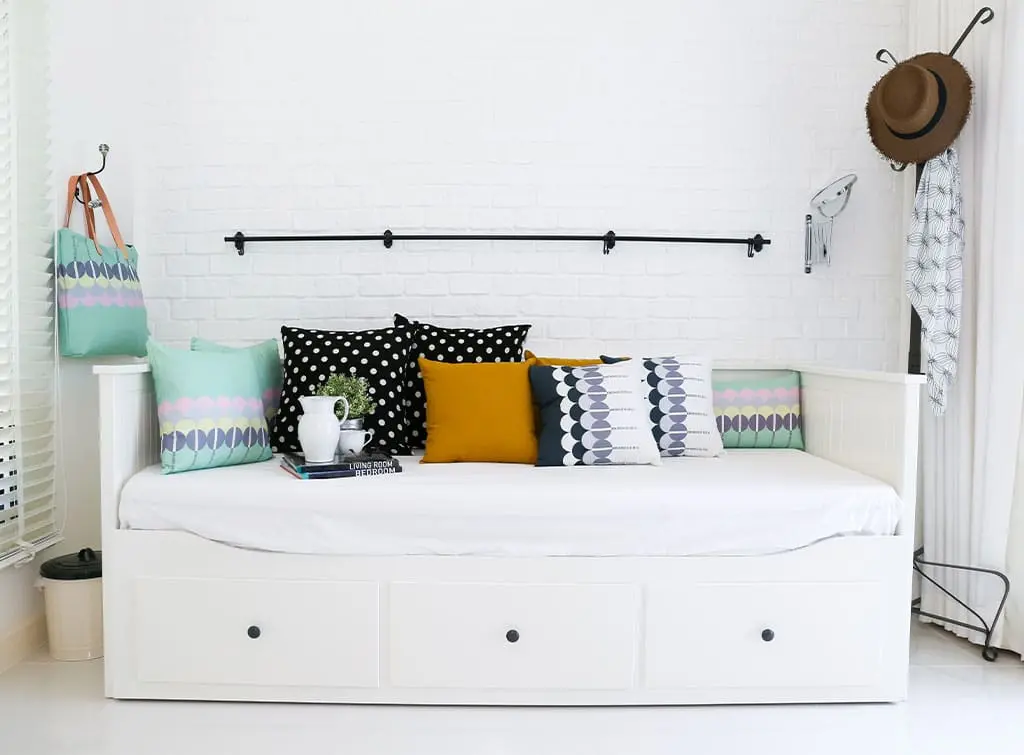
Low-ceiling lofts with plenty of natural light suit a Zen retreat well: hanging plants, floor cushions and low-level storage all work with a lower roofline rather than against it.
For darker attics, warm-toned LED floor lighting helps.
11. Low-roof crawl space bedroom
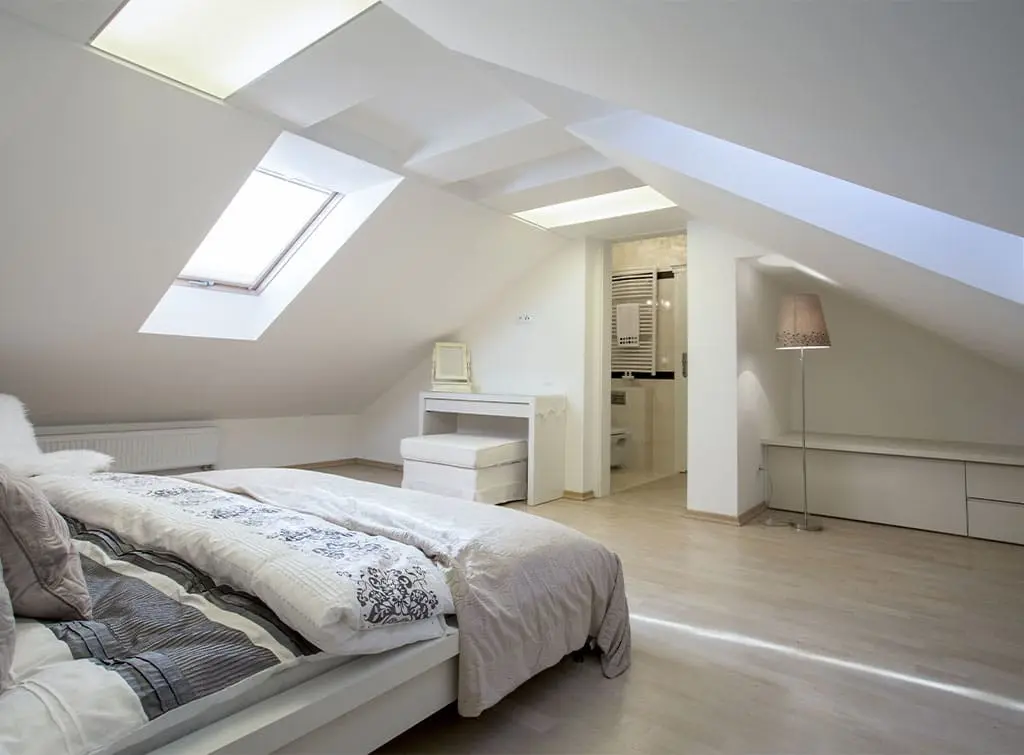
Low-ceiling attics are the trickiest to convert, but furniture choices make a real difference.
A day bed, loft bed or shorter bedside table all work better than a standard bed frame in a tight space.
12. Main bedroom with en-suite
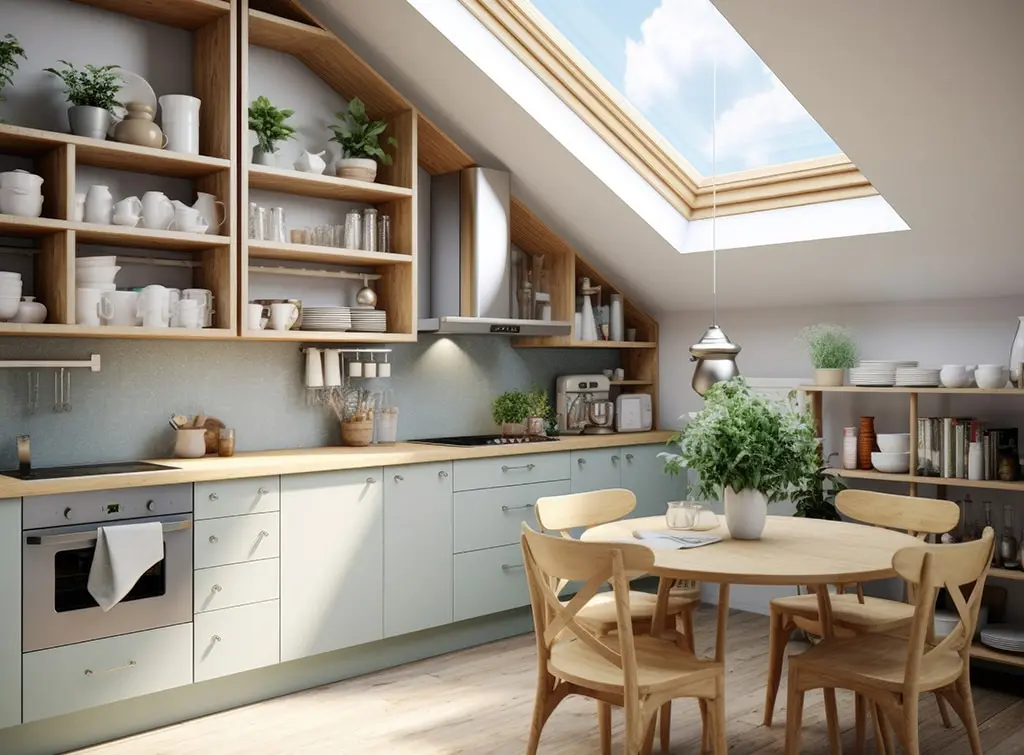
Bungalow loft conversions often have the square footage for a full main bedroom and en-suite. If mobility is a factor, a stairlift can be built into the design from the start.
13. Open-plan kitchen and dining room

A loft kitchen-diner works surprisingly well in the right property, giving you rooftop views for dinner parties and stargazing.
14. Games room
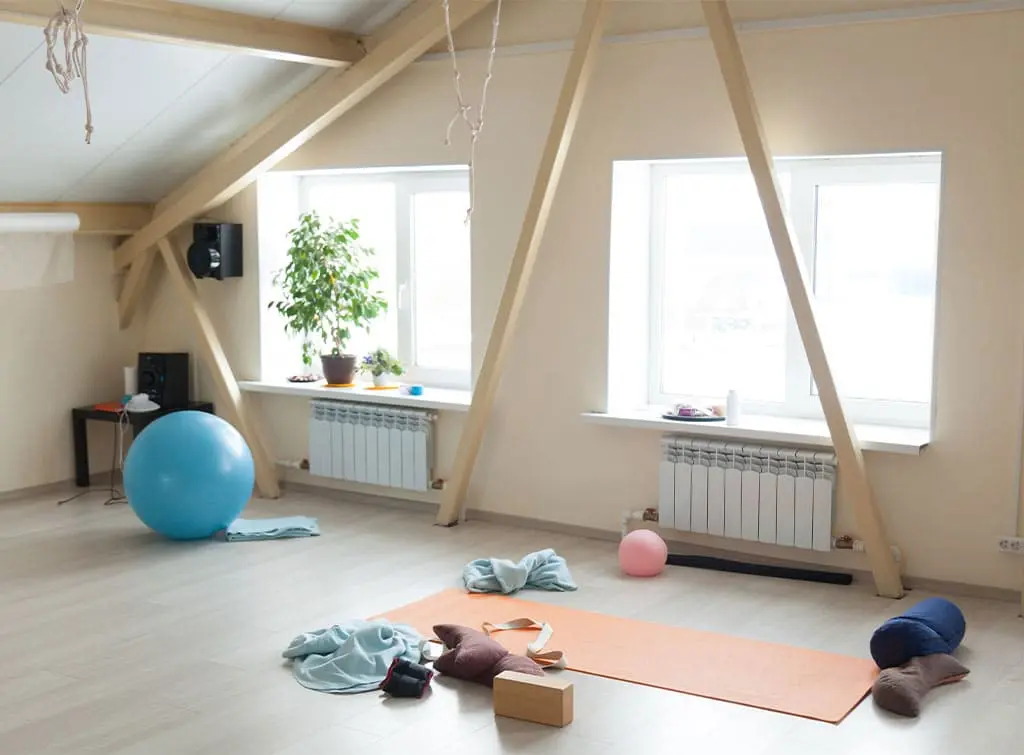
Swing chairs, a pool table, DJ decks and a drinks fridge turn unused attic space into the ultimate hangout spot.
15. Home gym
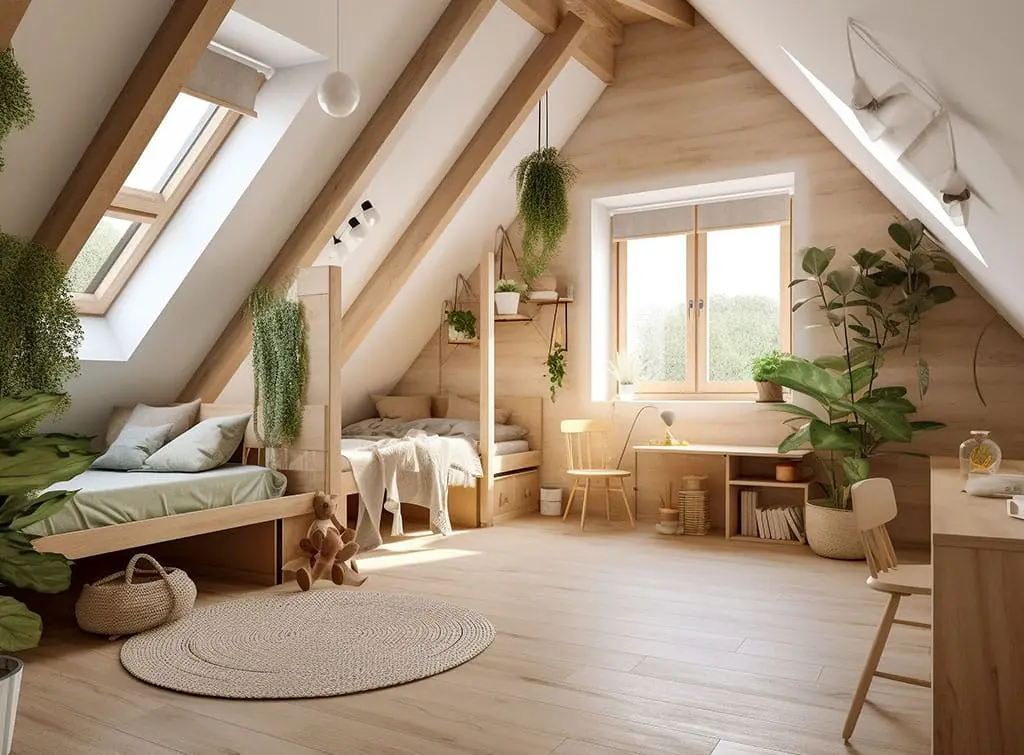
Before installing gym equipment, check the load-bearing capacity of your loft flooring. Heavier equipment like a squat rack needs the floor structure to be assessed.

Loft conversion cost: 2026 UK price guide & breakdown
Find out average loft conversion costs in the UK for all types of loft conversions including a breakdown of material costs and the professional services you'll need.

Loft conversion décor and finishing ideas
16. House jungle
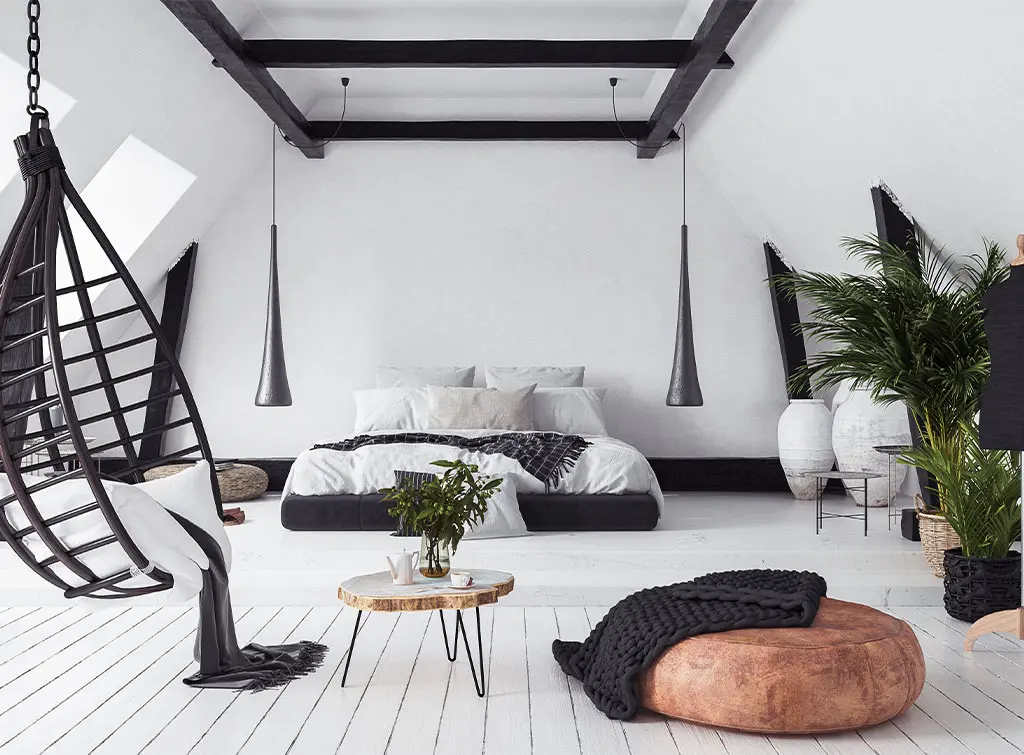
Adding a house jungle of plants works in almost any loft conversion, whatever the primary use of the room.
Just place them where they'll get enough light.
17. Fun hangout zone
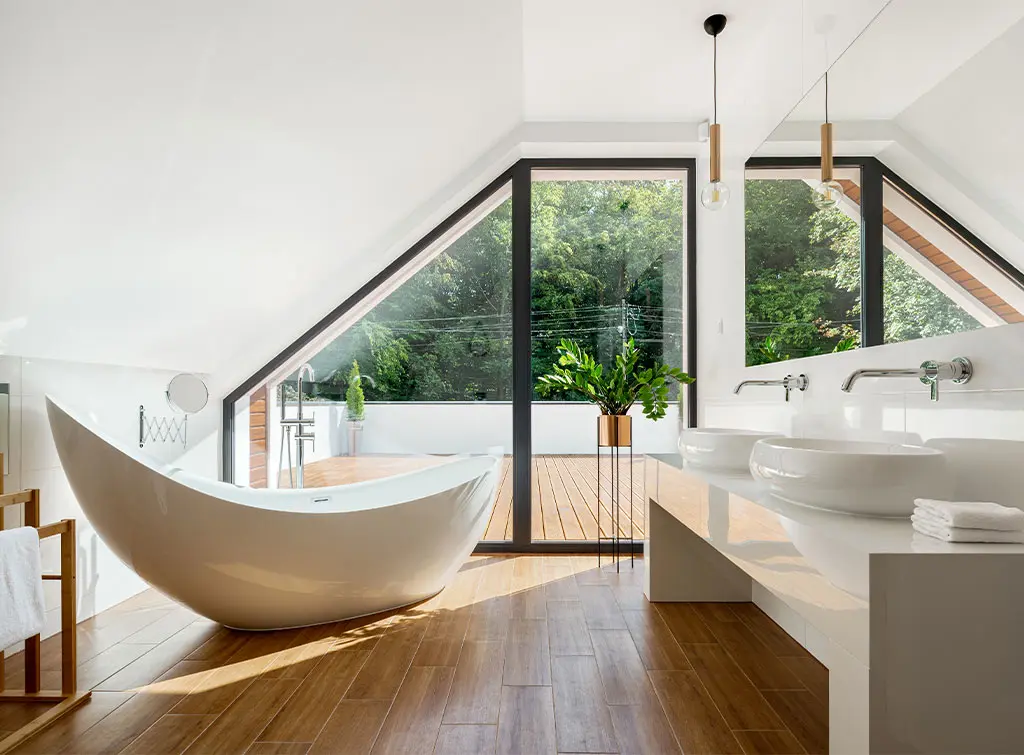
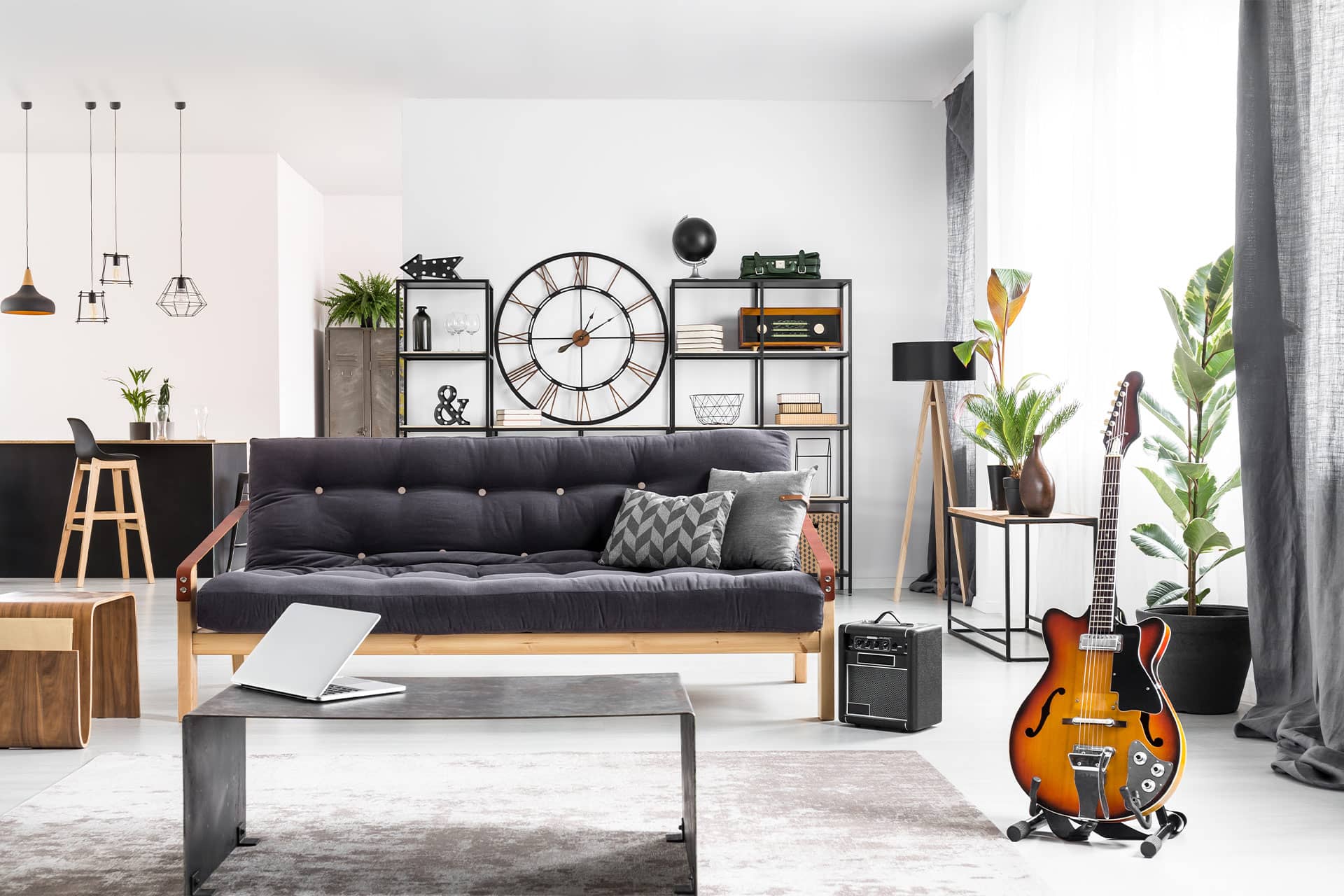
Monochrome furniture with statement lighting and planters creates a cool, sociable feel that suits a teenager's room or an adult hangout space equally well.
18. Spa-style bathroom with balcony
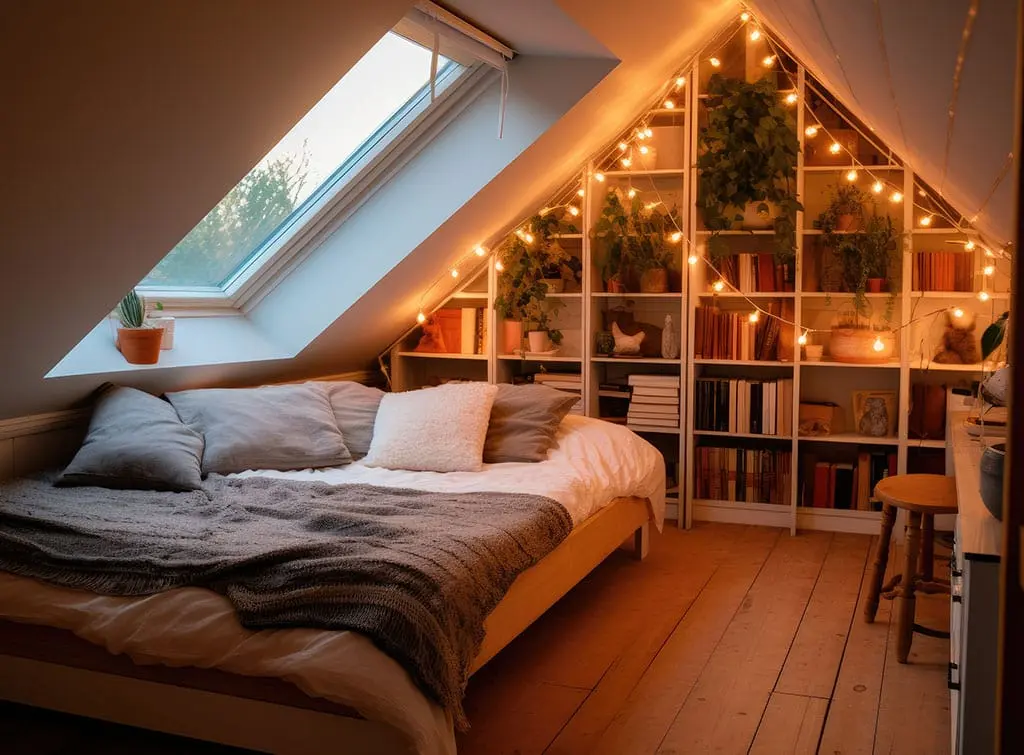
A dormer conversion with a small balcony creates a private bathing space away from the rest of the house, ideal for houseplants, candles and a long soak.
19. Home library or reading nook
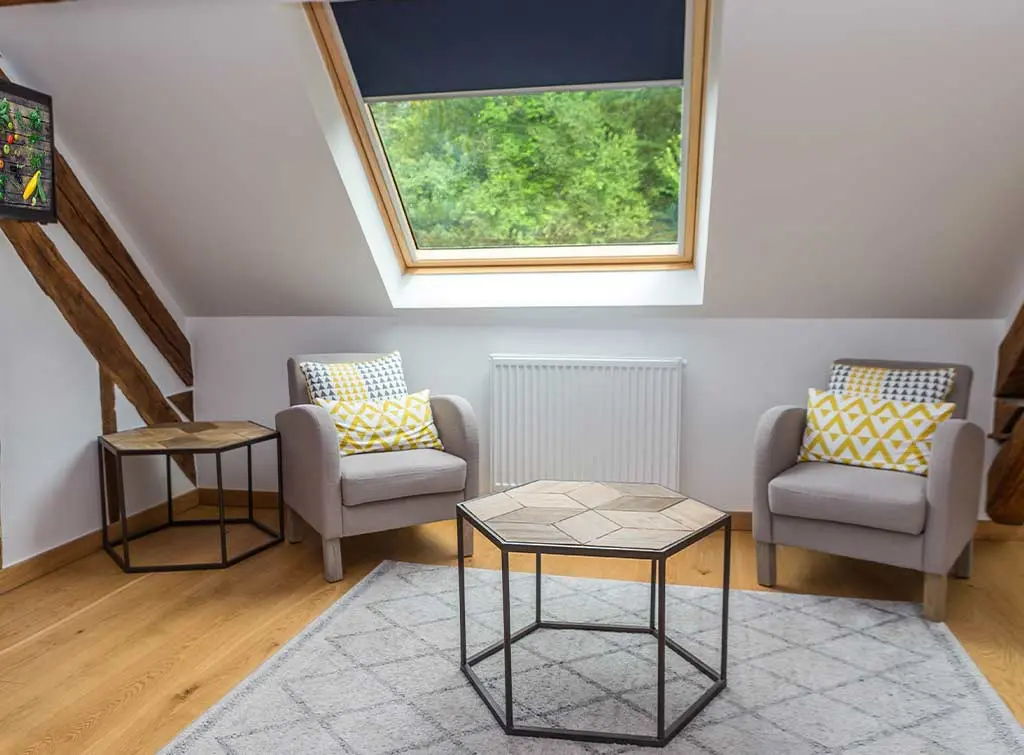
All you need is somewhere comfortable to sit or lie down, good lighting, and somewhere to keep your books. A home library doesn't need to be large to work.
20. Quiet seating nook
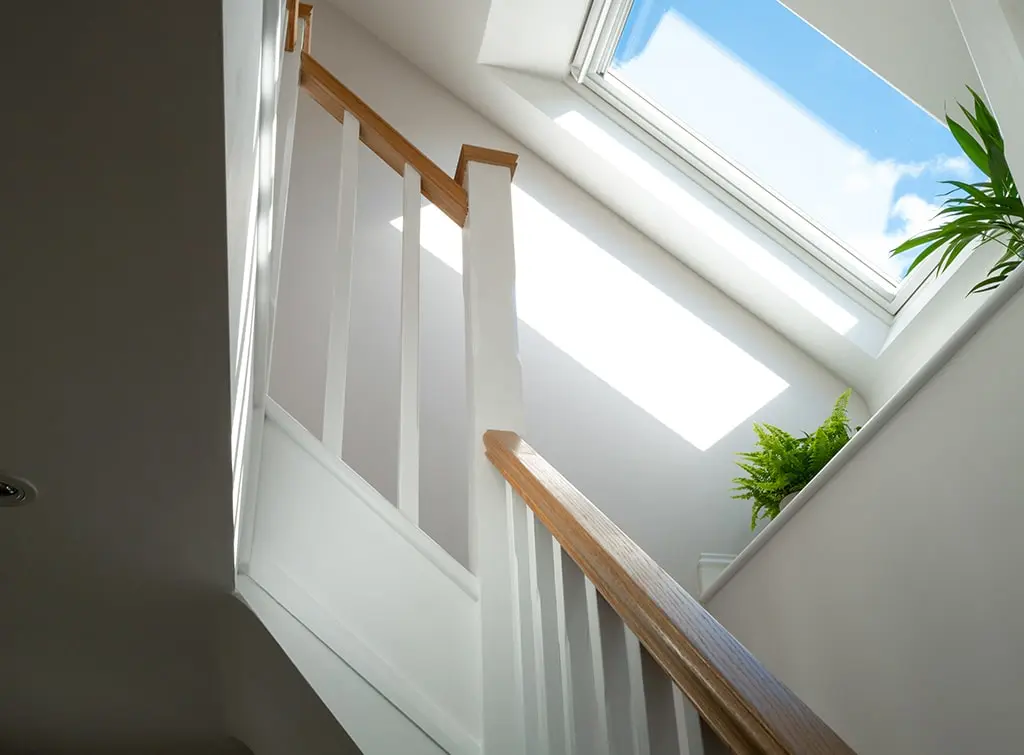
The nooks and sloped ceilings that make lofts tricky to furnish are exactly what make them good for a small, quiet seating area, away from the noise of the rest of the house.
21. Get the staircase right
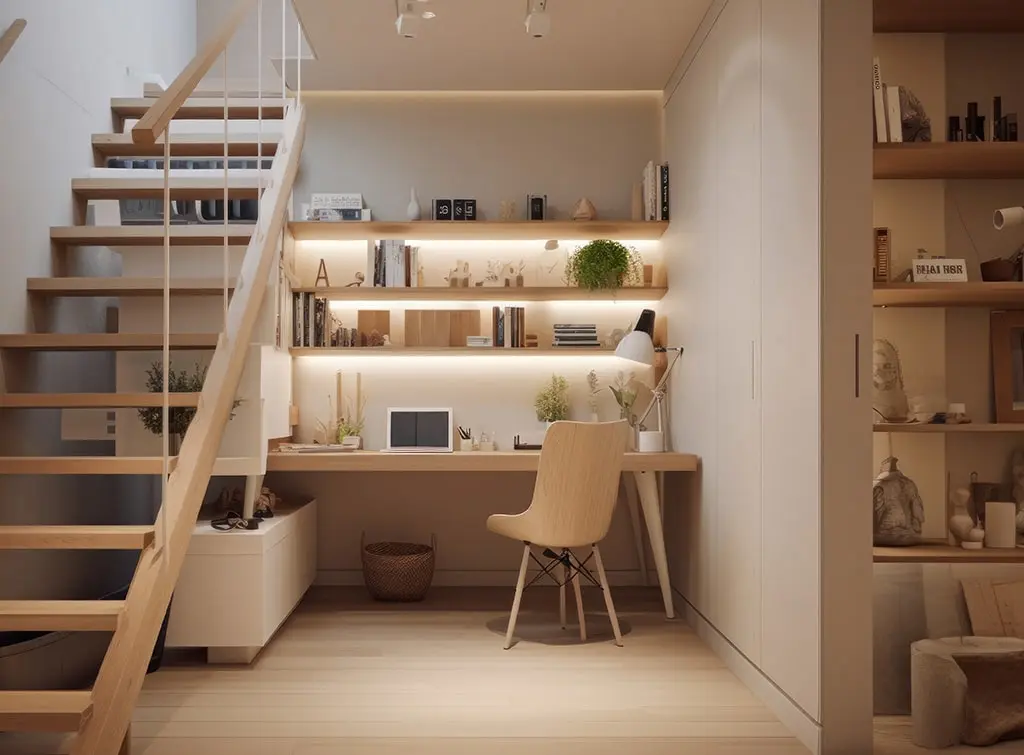
Loft access has to meet building regulations, so this is one area where a specialist's input really matters. A well-placed roof light above the stairs makes the transition from the floor below feel bright rather than boxed-in.
22. Make use of the space under the stairs

If there's room under your loft stairs, a compact desk and shelving turn dead space into a useful home office or library nook.
23. Add a man cave or she shed
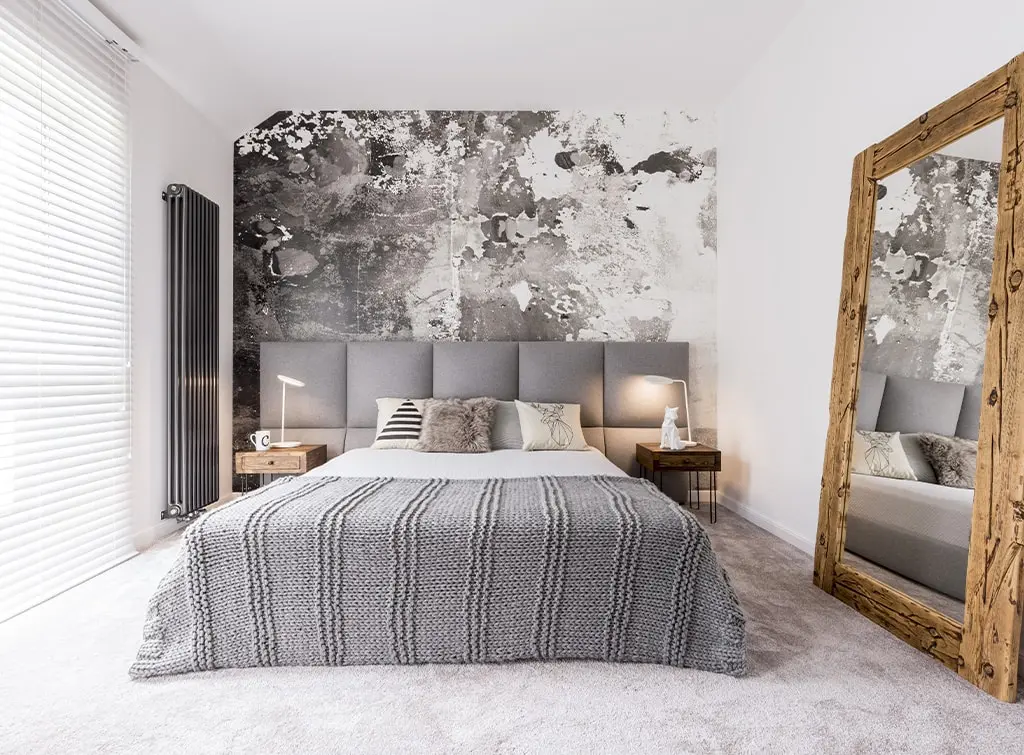
A dedicated space for hobbies, films or simply time alone is one of the most requested loft conversion uses.
See our man cave cost guide for what's typically included.
24. Add a feature wall
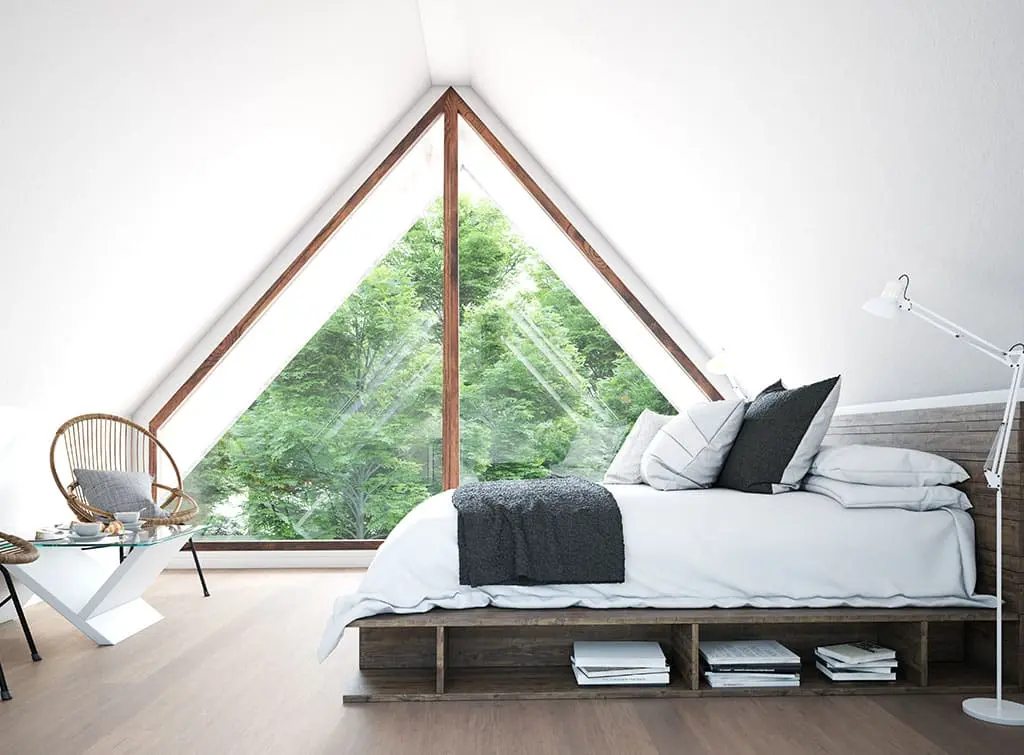
An all-neutral loft can start to feel flat. A feature or accent wall, marble effect, bold colour, or textured wallpaper, adds interest without overwhelming a small space.
25. Make a statement with a window feature
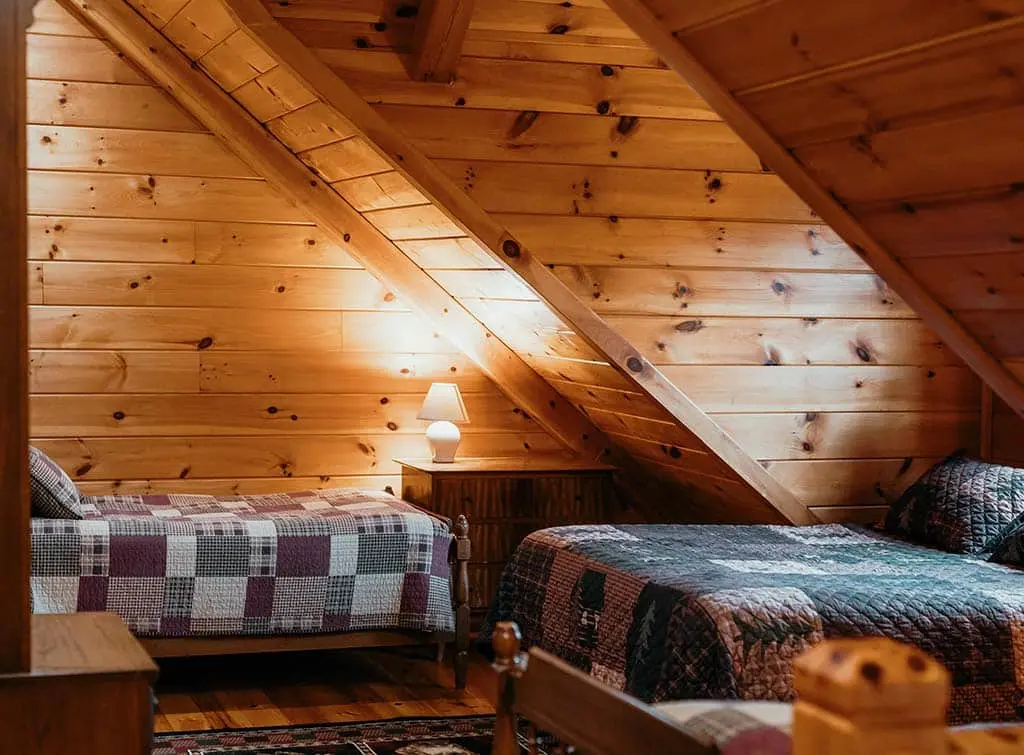
In a small guest room loft, a striking window with a good view does more visual work than any amount of extra furniture.
26. Cabin-style children's room
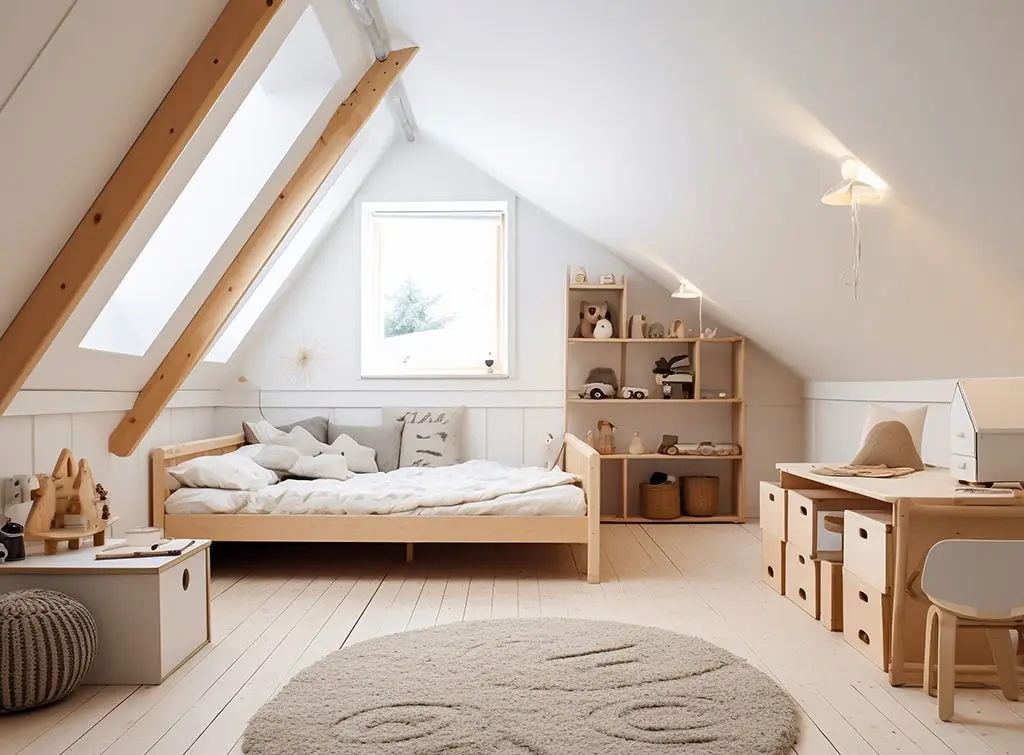
Rustic cladding and dorm-style beds give a children's loft bedroom a treehouse feel, ideal if grandchildren stay over during school holidays.
27. Maximise available floor space
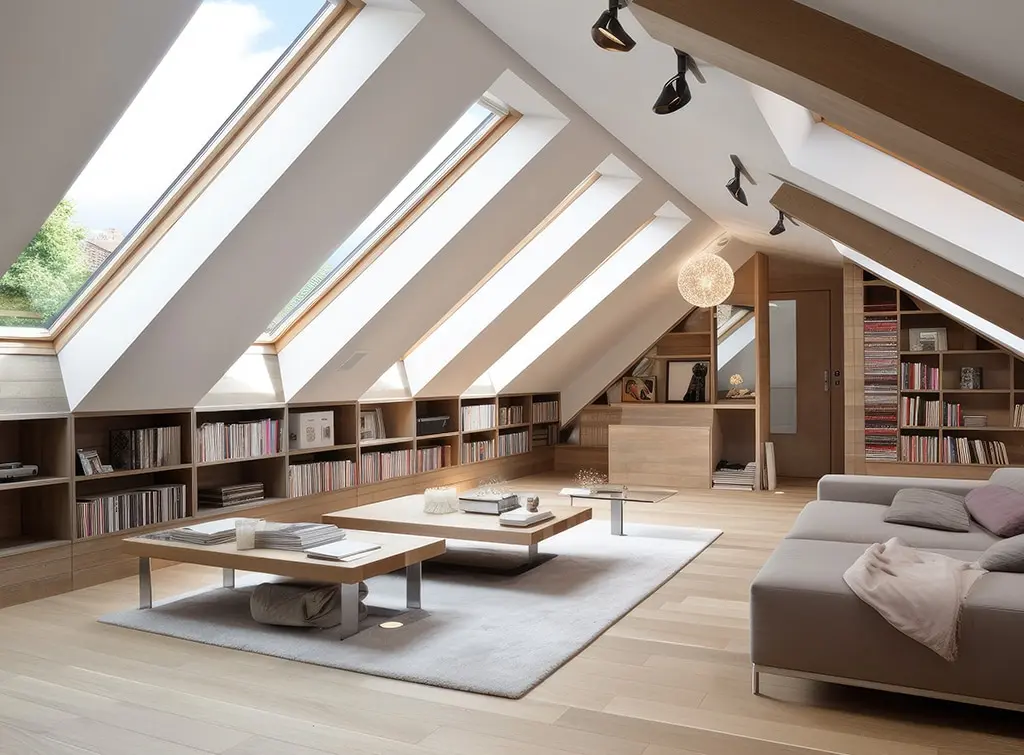
Where headroom is limited, measure carefully and mark out furniture positions with tape or chalk before committing.
A bookcase against the sloped roof and child-sized furniture placed strategically both help maximise usable floor space.
28. Use natural light fully
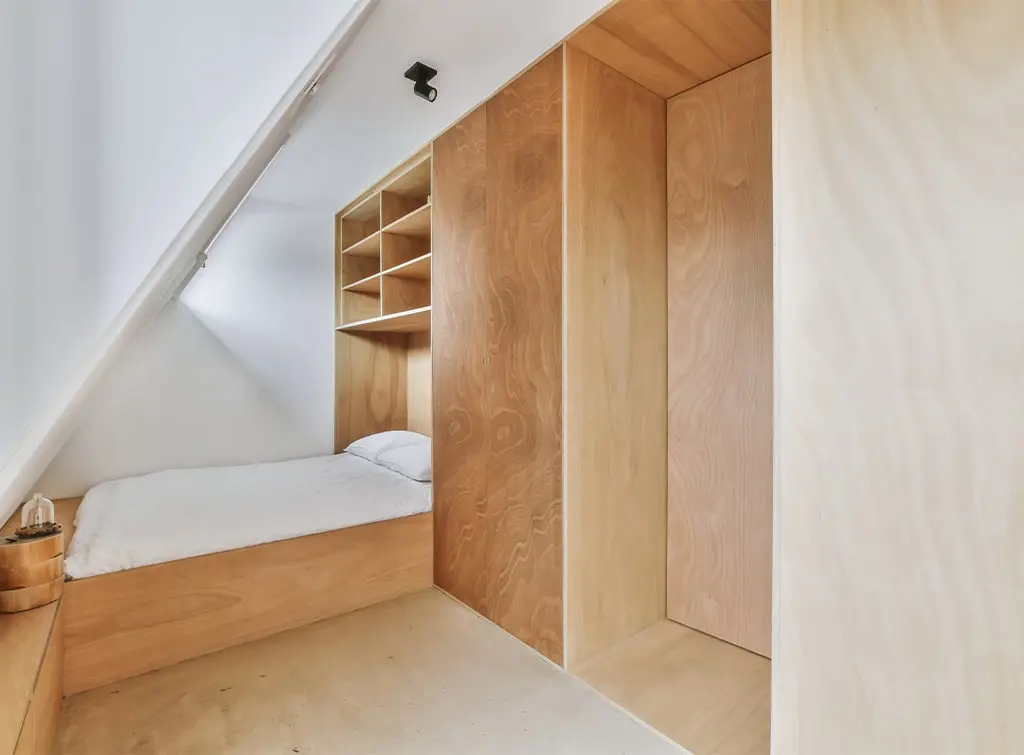
Whichever window style you choose, casement, balcony, eyebrow, gabled or dormer, orient furniture to make the most of it, whether that's morning sun or an evening view.
29. Build in corner storage
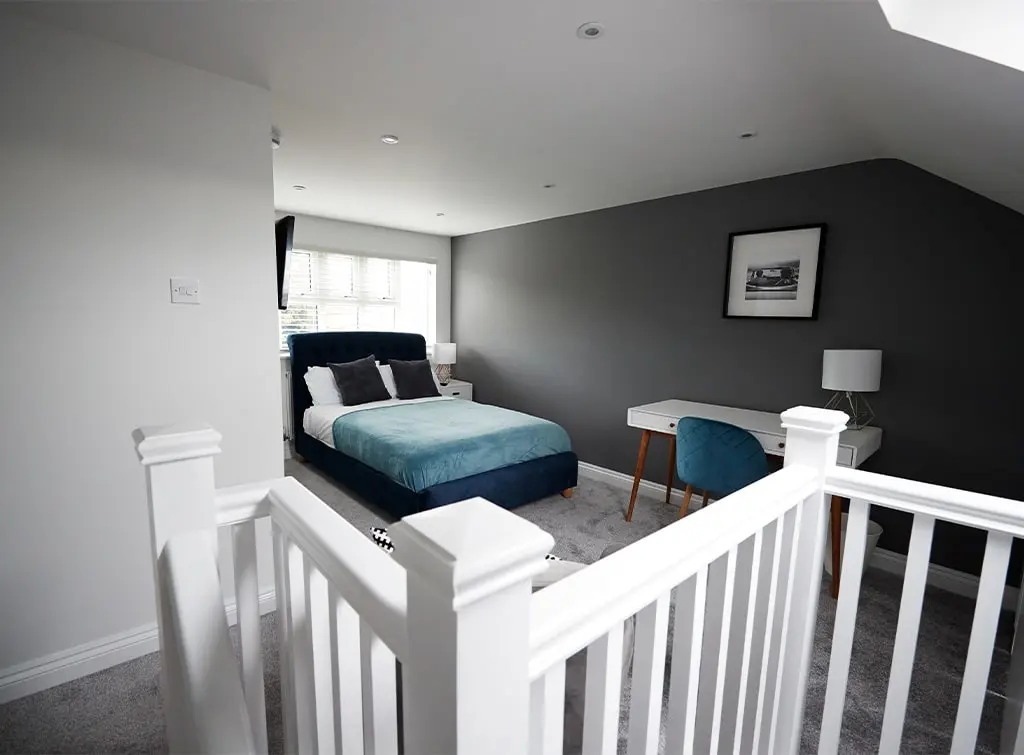
Awkward eaves and corners are ideal for alcove shelving.
See our loft storage ideas for more ways to use every inch.
30. Keep low lofts simple
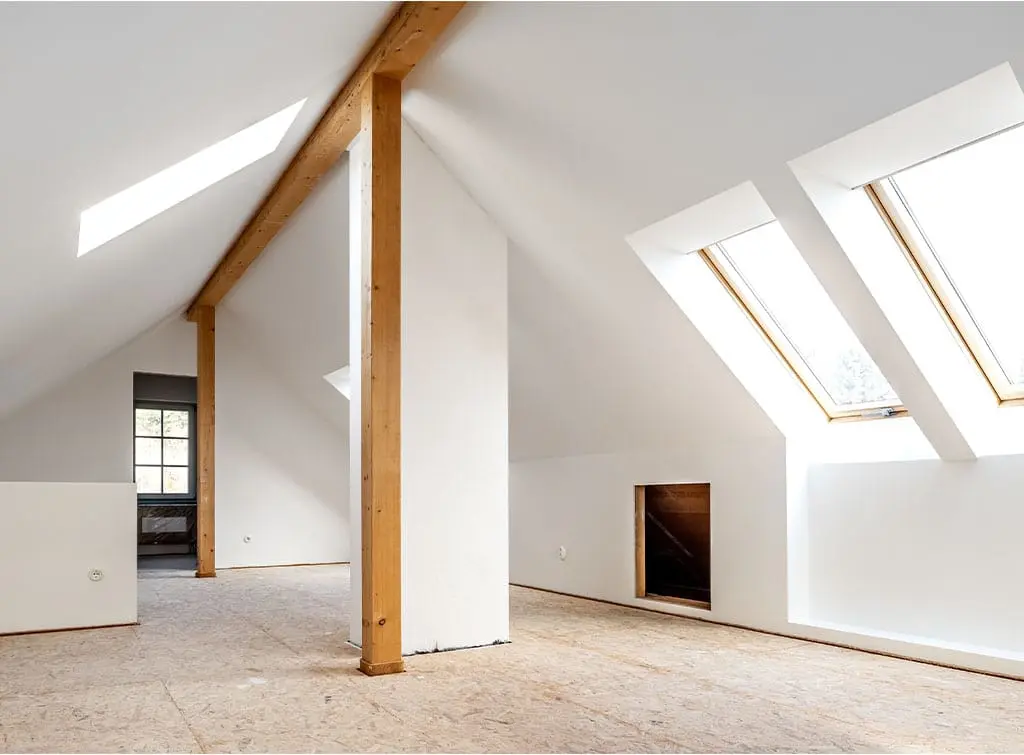
For low or small loft conversions, stick to one main colour and a maximum of three or four pieces of furniture. Simplicity keeps the room feeling spacious rather than cramped.

Do I need planning permission for a loft conversion?
Many loft conversions fall under permitted development and don't need planning permission, provided:
The additional roof space doesn't exceed 40 cubic metres (terraced houses) or 50 cubic metres (detached/semi-detached houses)
No extension goes forward of the existing roof slope on the side facing a highway
Materials match the existing house in appearance
Roof extensions (other than hip-to-gable) are set back at least 20cm from the eaves
Your home isn't listed or in an area with additional restrictions
You'll still need to meet building regulations covering structural work, fire safety (including escape routes) and insulation, and you'll need a party wall agreement if the work affects a wall shared with a neighbour.
Our loft conversion planning guide and types of loft conversion guide cover this in more depth.

Need reassurance? All tradespeople pass up to 12 checks before joining, and we keep checking after.
What does a loft conversion cost?
Costs vary significantly by conversion type. A simple rooflight conversion costs considerably less than a full dormer or hip-to-gable conversion with an en-suite.
For current figures by type and size, see our loft conversion cost guide.

Loft conversion checklist
Find local loft conversion specialists
Enter your postcode to find a top tradesperson near you
Cubitt Wren
10.00
(3 reviews)Services & skills
BuilderLoft ConversionsFoundationsConcretingPartition WallsMN Contractors Limited
10.00
(2 reviews)Services & skills
BuilderLoft ConversionsAgricultural BuildingGarage ConversionsDemolitionLDN Renovation LTD
10.00
(42 reviews)Services & skills
BuilderLoft ConversionsFoundationsBrick / Concrete Structural RepairsWorkshop Design / ConstructionFuture Build London Ltd
10.00
(101 reviews)Services & skills
BuilderLoft ConversionsMastic SealantNew BuildsDiamond DrillingS&B Building Services Ltd
10.00
(23 reviews)Services & skills
BuilderLoft ConversionsFoundationsGeneral BuildingNew BuildsTOP PRO CONSTRUCTION LTD
10.00
(1 review)Services & skills
BuilderLoft ConversionsConcrete GaragesCladdingWorkshop Design / Construction


FAQs
Aim for at least 2.2m to 2.3m of clear height from the floor joists to the underside of the ridge. Below this, you may need to lower the ceiling below, raise the roof, or choose a design suited to limited headroom.
Many loft conversions fall under permitted development, but limits apply to volume, position and materials. Dormer conversions facing the street, or any conversion on a listed building, are more likely to need full planning permission.
A Velux (rooflight) conversion follows the existing roofline and doesn't add extra head height, making it cheaper and usually planning-permission-free. A dormer conversion adds a box-shaped structure that increases both head height and floor space, but costs more and may need planning permission depending on its position.
In most cases, yes. A structural engineer needs to confirm the existing floor and roof structure can safely support the new load, and specify any strengthening work required.
Often, yes, provided the conversion stays within permitted development limits. Building regulations approval is still required regardless of whether planning permission is needed.
Most loft conversions take between six and ten weeks, depending on the type and complexity of the build, plus time for structural work if a dormer is involved.
Generally yes, particularly when it adds a bedroom and bathroom. The exact value added depends on your local market and the quality of the finish. See our guide on loft conversion value for more detail.
Start with a loft conversion specialist or builder who can assess feasibility and coordinate the structural engineer, architect (if needed) and other trades.

See the tradespeople we've checked for your job