HOW-TO GUIDES
How to get rid of black mould
Updated 02/26
By: Content Team

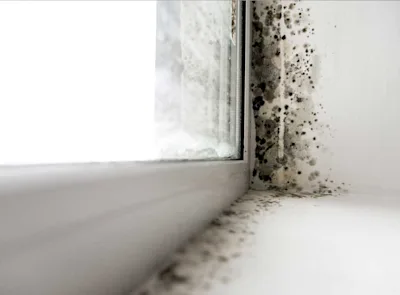
Finding black mould in your home can be unsettling. It often starts as a small patch in a corner or around a window — and before you know it, it’s spread further than you expected.
If you’re wondering how to remove black mould properly, what causes it, and when it’s time to call in a professional, this guide aims to walk you through it step-by-step.
What black mould actually is
The difference between mould, condensation and damp
How to remove black mould from walls, ceilings, sealant and fabric
Why mould keeps coming back
When it’s safer, and more effective, to use a professional
What is black mould?
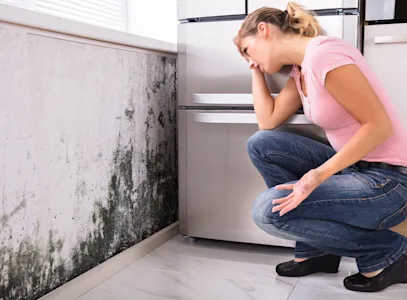
Black mould is a general term used to describe mould growth that appears dark green or black in colour. In homes, it usually forms where moisture has been sitting for a while.
It commonly develops in areas with excess moisture and limited ventilation, such as bathrooms, kitchens and around windows.
Not all black mould is the same species, but in homes it usually forms because moisture is sitting on a surface for too long. That’s why it so often shows up after showers, cooking, or in rooms that don’t get opened up very often.
What’s the difference between black mould, condensation and damp?
These terms are often used interchangeably, but they’re not the same thing.
Condensation happens when warm, moist air meets a cold surface and turns into water droplets
Damp refers to excess moisture in a structure, often from leaks, rising damp or penetrating water
Black mould is a result of moisture — it grows when condensation or damp isn’t properly addressed
In many homes, mould is the symptom you can physically see. The underlying issue is usually condensation or another source of moisture.
If you suspect a deeper damp issue, see our guide to damp and condensation problems.
Why does black mould appear?
Black mould thrives in conditions where moisture lingers. Common causes include:
Poor ventilation in bathrooms and kitchens
Drying clothes indoors without airflow
Leaking pipes or gutters
Cold external walls
Blocked air bricks
Inadequate insulation
Often, it’s not one dramatic event — just small daily moisture build-up that isn’t escaping properly. In many homes, it’s simply a mix of modern living, busy routines and limited space, rather than anything you’ve done ‘wrong’.
How to remove black mould (general method)
If you’re dealing with a small patch of mould on a wall or around a window, it’s usually manageable at home — but you'll need to take a few sensible precautions.
Before starting:
Open windows for ventilation
Wear gloves and a mask
Avoid dry brushing mould, as this can release spores
Step 1: Prepare the area
Protect nearby surfaces and remove any loose items. Keep children and pets away while cleaning.
Step 2: Apply a mould treatment
Use a mould removal product designed for the surface you’re treating. Alternatively, a diluted bleach solution can be used on non-porous surfaces (though it’s worth checking the product guidance first).
Apply with a cloth or sponge — avoid scrubbing aggressively at first.
Step 3: Allow time to work
Let the product sit as directed. Rushing this stage can reduce its effectiveness.
Step 4: Wipe clean
Gently wipe the surface and remove residue. Then dry thoroughly afterwards.
Step 5: Address the moisture source
This is the most important step. Without improving ventilation or fixing leaks, mould will likely return.
Most people find the cleaning part straightforward. It’s the moisture source that’s the trickier bit.
Not sure what’s causing it? That’s a really common situation, and is exactly where a damp or mould specialist can help.
If the affected area is large, keeps returning, or appears behind plaster or ceilings, professional assessment is best.
How to remove black mould from walls
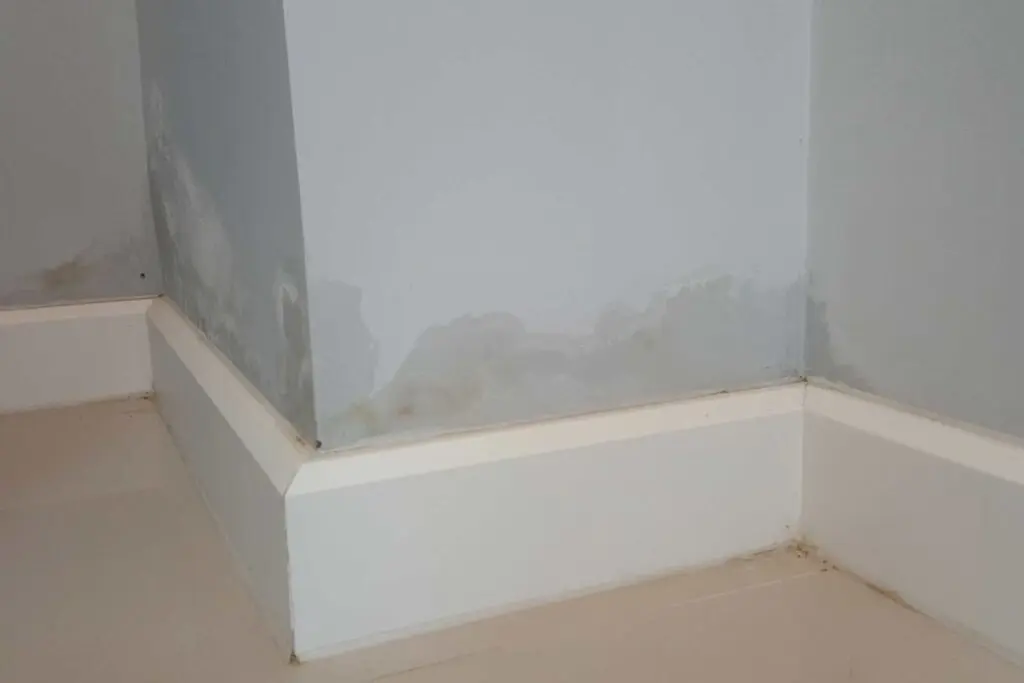
Black mould on painted walls often shows up in corners or behind furniture — especially in colder months. It’s usually linked to condensation. Here's how to tackle it:
Clean using a suitable mould remover
Avoid soaking the wall
Dry the area completely
Monitor for recurrence
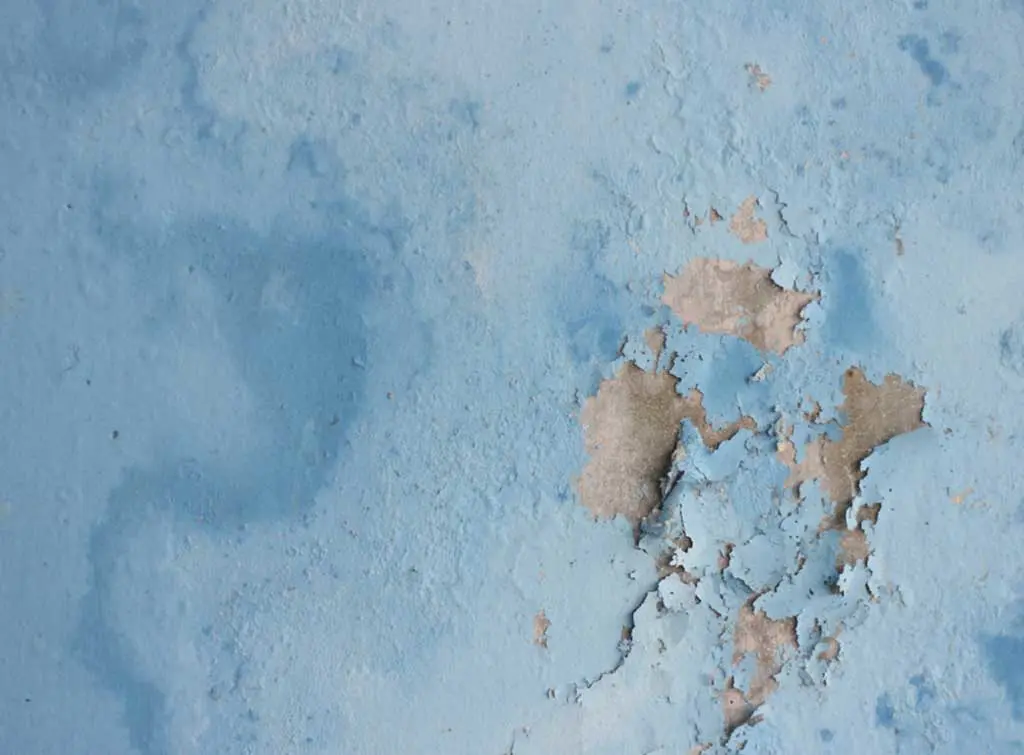
If paint continues to bubble or the plaster feels soft, the issue may go deeper than surface mould.
How to remove black mould from ceilings
Ceiling mould often appears in bathrooms or bedrooms with poor airflow.
The cleaning method is similar to walls, but working at height adds risk. Make sure ladders are stable and avoid overreaching.
If mould is spreading across large ceiling areas, it’s worth having a professional check whether your home's insulation or ventilation needs improving.
How to remove black mould from silicone sealant
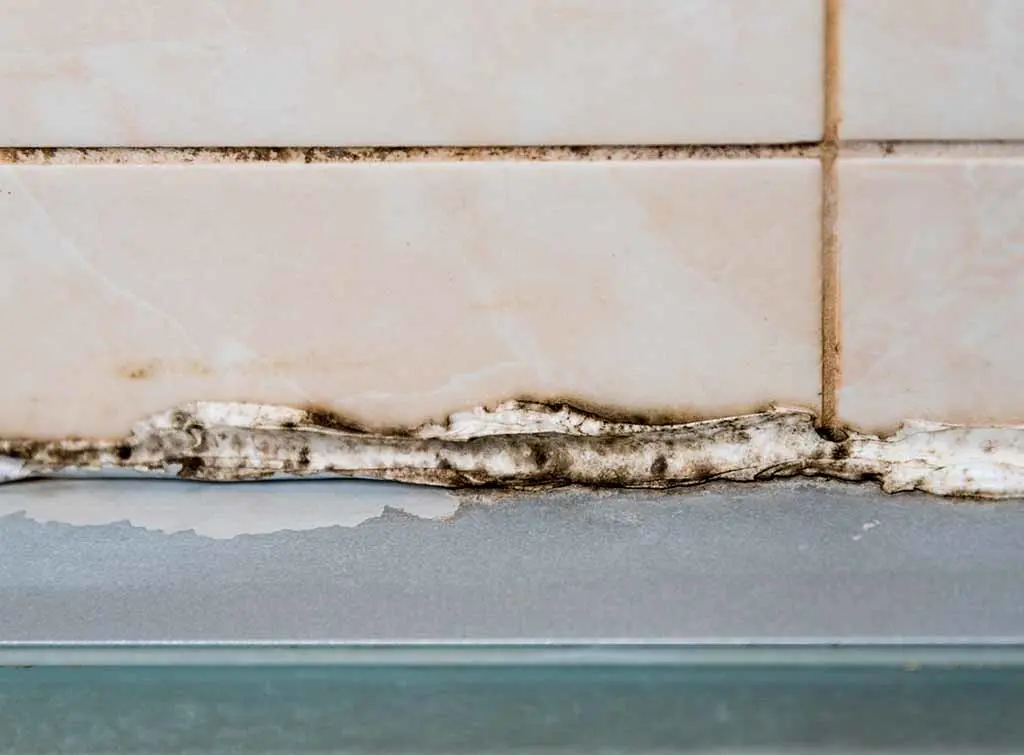
Black mould in bathroom sealant is extremely common.
Light staining can sometimes be treated with mould remover. However, once mould penetrates silicone, it often cannot be fully cleaned.
In many cases, the most effective solution is to remove and replace the sealant.
Take a look at our post on how to get rid of black mould stains in sealant for more information.
How to remove black mould from fabric
Mould on fabric — whether it’s curtains, clothes or even a cushion that’s been near a cold wall — is really frustrating. It often shows up as dark specks that don’t budge easily in a normal wash.
If you catch it early, you can usually deal with it at home:
Wash the item at the highest temperature the care label allows
Use a suitable anti-mould or stain treatment
Make sure it’s dried completely before putting it away
It’s worth knowing that if mould has been sitting there for a while, you might remove the spores but still be left with a faint stain. And if fabrics keep going mouldy, that’s usually a sign the room itself needs better ventilation rather than just another wash cycle.
How do you stop black mould coming back?
Cleaning mould feels productive, but unless you tackle the source of the moisture, it's likely to creep back.
The good news is a few simple changes can make a big difference:
Improve ventilation, especially in bathrooms and kitchens
Wipe down condensation on windows and sills
Avoid drying clothes in closed rooms without airflow
Keep the heating ticking over in colder months rather than letting rooms get very cold
Fix small leaks sooner rather than later
In many cases, everyday habits make the biggest impact. You don’t need to turn your home into a greenhouse, just help moisture escape instead of letting it settle.
How much does black mould removal cost?
Costs vary more than people expect. A small patch in one room is very different from mould linked to a wider, underlying damp issue.
While DIY costs are based on cleaning products and protective equipment, professional mould removal costs depend on:
Size of affected area
Location (walls, ceilings, structural areas)
Need for redecoration
Whether damp treatment is required
Our mould removal cost guide has more detailed pricing information.
Can you remove black mould yourself — and should you?
Yes. Small, surface-level mould patches can often be treated safely at home, as described above.
However, it’s worth seeking professional help if:
Mould covers a large area
It keeps returning despite cleaning
You suspect penetrating or rising damp
The surface feels soft or damaged
The mould appears in multiple rooms
Professionals don’t just clean mould — they assess why it’s there in the first place. Addressing ventilation, insulation or hidden leaks can prevent the need for repeated treatment.

Thinking about hiring a professional?
Here’s what recent Checkatrade customers said about hiring a specialist to tackle black mould in their homes:
“They contacted us straight away. Came out to look at the job when they said they would. Started work on time, worked efficiently and cleared up after themselves. They were all lovely guys and I’d definitely recommend them.”
Verified reviewer, Home and Dry Solutions Limited, (Location SK3)
“Dry homes were extremely friendly, professional on time and very tidy. I had damp and mould at the back and front of my property they located the issue and rectified this much quicker than I expected very efficient and would definitely use again.”
Verified reviewer, Dryhome Solutions, (Location DA1)
Find mould and damp specialists near you
To get to the bottom of the issue and get black mould (or damp) treated professionally, we can help you find trusted tradespeople in your area.
With Checkatrade, tradespeople are:
Checked - Every Checkatrade member must pass up to 12 checks and commit to upholding the Checkatrade Standard
Reviewed - Over 6.2 million reviews have been published on Checkatrade about real jobs, on everything from communication, tidiness, timekeeping, and quality of work
Guaranteed - Jobs booked through Checkatrade are covered up to £1,000 (T&Cs apply)
Whether you need mould removal, ventilation improvements or damp investigation, connecting with reputable local specialists gives you confidence in a job done right.
Find mould removal specialists
FAQs
Is black mould dangerous?
Small amounts of black mould are usually manageable, but mould can aggravate respiratory conditions, so it’s not something to be ignored.
Large or recurring growth should be assessed professionally. And if anyone in the home has asthma, allergies or a weakened immune system, it’s always worth erring on the side of caution and getting advice.
Does bleach kill black mould?
Bleach can remove surface mould on non-porous surfaces, but it doesn’t always address the underlying moisture issue.
Why does black mould keep coming back?
Mould returns when moisture remains unresolved. Ventilation and leak repairs are key.
See the tradespeople we've checked for your job