HOW-TO GUIDES
How to install an extractor fan through a wall
Updated 03/26

By: Tom Blake
Reviewed: Emma Potter
Looking to install an extractor fan through a wall? Follow this expert guide to learn how to complete this job to a professional standard.
Tools and materials required
Step-by-step instructions
What are the costs involved
How to find trusted tradespeople near you
Are you an experienced DIYer looking to install an extractor fan? Good plan. Extractor fans are great devices for:
Keeping the air quality high in your home
Reducing humidity and mould build-up
Removing unwanted smells from kitchens and bathrooms
Read on for a step-by-step guide on how to install an extractor fan through your wall, including what tools and materials you'll need. We also explain when hiring a qualified electrician matters.
Not an experienced DIYer, or need brick drilling or wiring done? Then you'll want to hire a professional for the job.
Find a local tradesperson

Tools and materials required
Installing an extractor fan through a wall is a doable DIY fix if you have:
Basic electrical and carpentry skills
Knowledge of safety measures
The right tools
Let's break it down into the tools and materials you'll need.
Tools you'll need:
Jigsaw or reciprocating saw
Drill and masonry bits (if drilling into brick or concrete)
Electrical tester or multimeter
Wall anchors and screws
Caulking gun and exterior caulk
Spirit level
Screwdriver
Tape measure
Safety goggles and dust mask
Wire strippers
Ladder
Materials you'll need:
Extractor fan
Wall ducting pipe (this is what channels the moisture and odours from the fan to outside)
Vent cover (external grille)
Sealant
Wall plugs and screws
Electrical cable (if required - remember you'll need an electrician for new wiring)
Confident you've got the skills and tools to carry out the job yourself? Great. Follow the steps below to get your bathroom extractor fan installation underway.
Starting to think you'd rather leave it to a professional instead? No problem. Finding a certified electrician is easy with Checkatrade.

How to install an extractor fan through a wall (step-by-step)
Installing a wall extractor fan involves drilling through the external wall, fitting the fan and duct, and connecting the electrics safely. Here’s the process step-by-step:

Step one: Prepare and plan
Before you begin, plan the installation carefully.
Choose a location close to the source of moisture (within electrical safety rules), but also easily accessible for ducting and electrical work
Check there are no pipes, cables, or structural obstructions inside the wall
Ensure there’s enough space on the outside wall for an external vent grille
Turn off the power supply at the consumer unit before carrying out any electrical work
Check the fan diameter (usually 100mm or 150mm), so you know what size hole is required
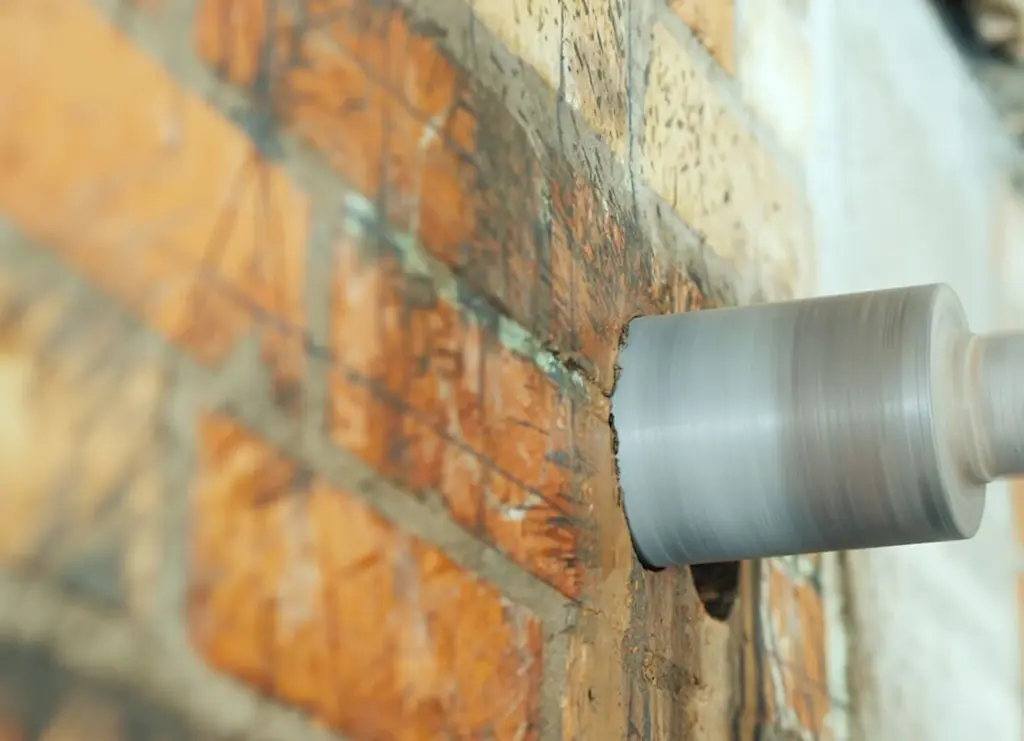
Step two: Mark and drill the hole
Next, you’ll need to drill through the wall to install the duct.
Use the fan template or measurements to mark the centre point on the wall
Drill a small pilot hole from inside to outside to guide the position (this also allows you to double-check for any obstructions within the wall)
Use a core drill or a masonry hole drill (ideally) to cut the full opening through the wall neatly (refer to the manufacturer's specifications or take measurements yourself to ensure you cut the right-sized hole)
Make sure the hole is slightly angled downward toward the outside to prevent rainwater entering
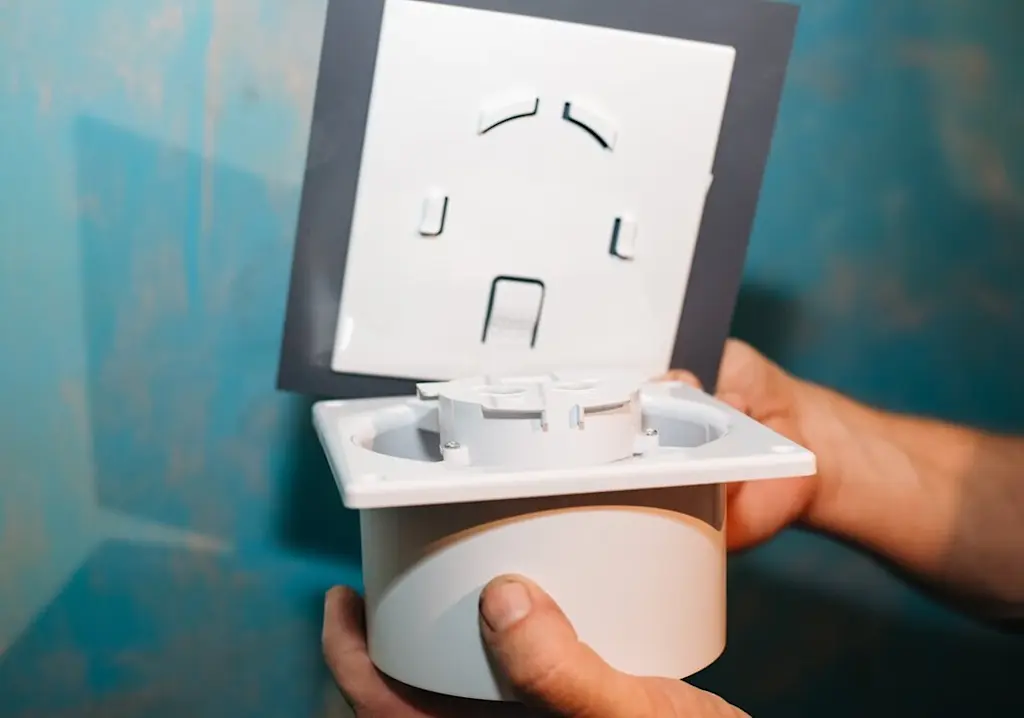
Step three: Install the wall duct or sleeve
Some fan models require ducting (also known as a hose or ventilation sleeve) to connect the fan housing to where it can vent outside.
Insert the rigid wall duct or sleeve through the hole
Trim it so it sits flush with both sides of the wall
Make sure it’s straight and secure
Secure the duct in place using clamps or duct tape.
Seal around the duct with mortar or exterior sealant to prevent drafts and water ingress
Keeping ducting short and straight helps extractor fans work more efficiently.
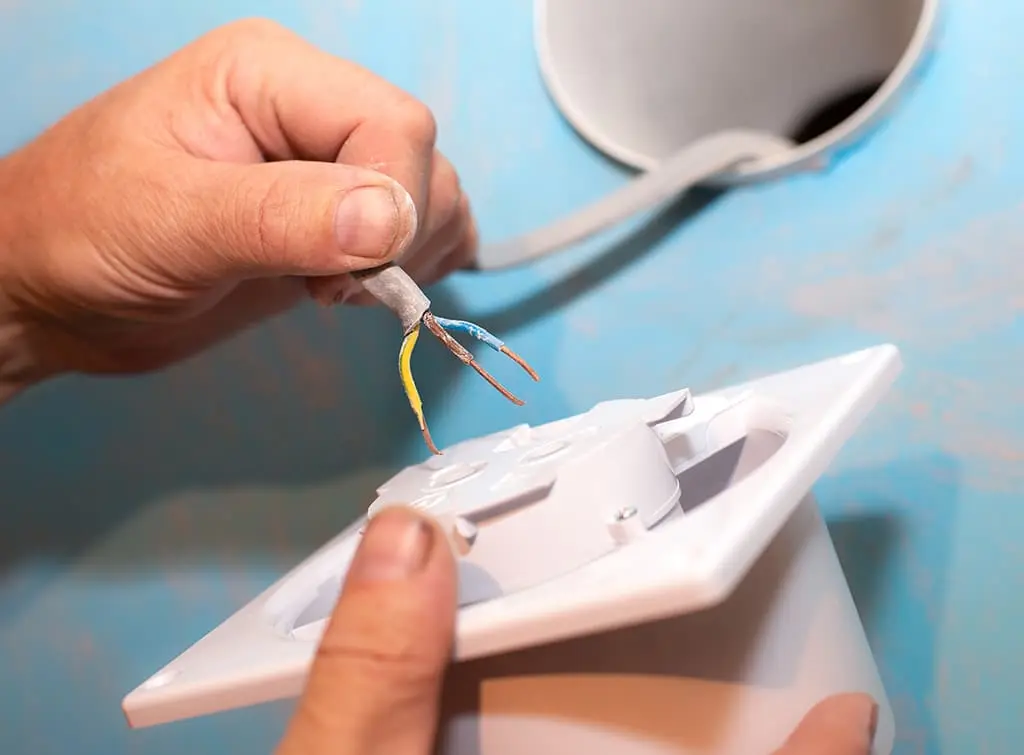
Step four: Connect the electrical wiring
The fan must be connected to a suitable power source.
Following electrical standards and approved codes of practice, connect wiring according to the manufacturer’s instructions
You'll most likely need to strip the ends of the wires with wire strippers
Many fans connect to the lighting circuit, so they run when the light is on
Timer or humidity-sensor fans may require additional wiring
Electrical work in bathrooms must comply with UK wiring regulations. So while replacing an existing extractor fan with a similar model may be suitable for DIY, you'll still need a qualified electrician to check the installation is safe and compliant.
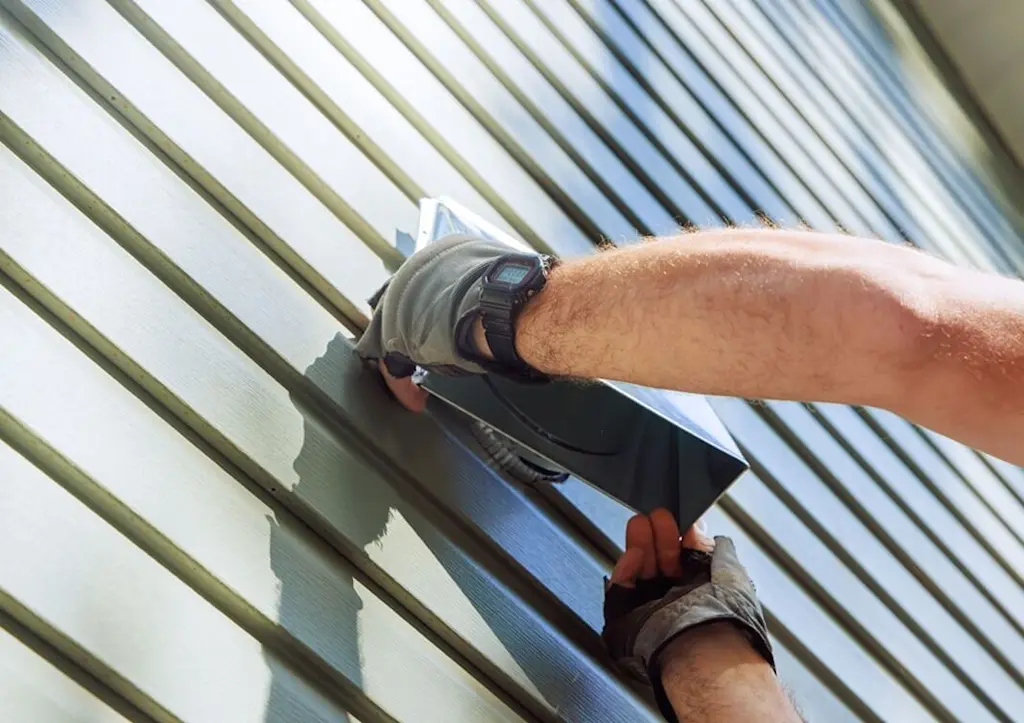
Step five: Install the external vent cover
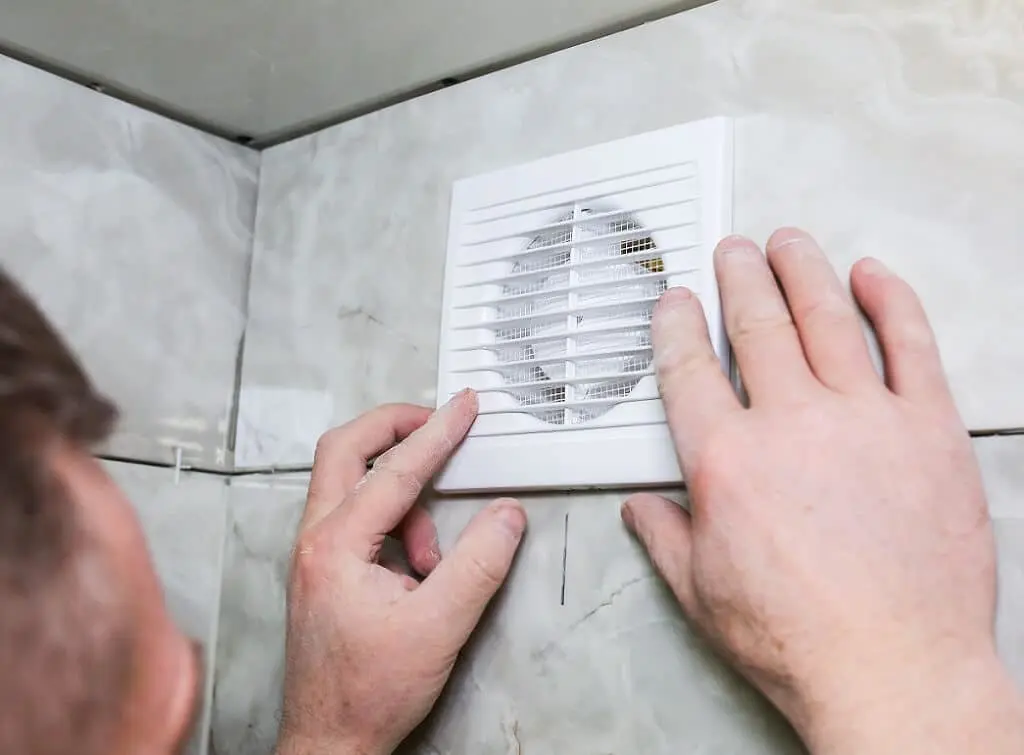
The external grille protects the duct and allows air to exit the building.
Position the external vent cover over the duct
Fix it to the wall using screws
Seal around the edges with weatherproof sealant or caulk
Ensure the vent flap or grille can open freely for airflow
Step six: Test the extractor fan
Once installation is complete:
Turn the power back on
Switch on the fan or bathroom light
Check that air is being extracted properly
Listen for unusual noise or vibration
Clean away any debris and clean the work area to finish the job.
When to hire a professional
It's recommended you hire a professional if:
New electrical wiring is required in a bathroom
The wall is thick brick or stone
Structural drilling is needed
You're unsure about bathroom ventilation regulations
How much does it cost to install an extractor fan through a wall?
Wondering how much it costs to hire a professional for the job?
On average, extractor fan installation costs:
£200 for a replacement extractor fan
£300 for the installation of an extractor fan (where there wasn't one previously)
Our extractor fan installation cost guide has more details.
Find a qualified electrician for the job
With Checkatrade, all our tradespeople are:
Checked - Every Checkatrade member must pass up to 12 checks and commit to upholding the Checkatrade Standard
Reviewed - Over 6.2 million reviews have been published on Checkatrade about real jobs, on everything from communication, tidiness, timekeeping, and quality of work
Guaranteed - Jobs booked through Checkatrade are covered up to £1,000 (T&Cs apply)
Search your postcode to find local, certified electricians for extractor fan installation near you.
Find a relevant tradesperson near you
Enter your postcode to find a top tradesperson near you
London Live Electrical
10.00
(18 reviews)Services & skills
ElectricianElectrical ContractorsGarden LightingElectric HeatingFuseboard / Consumer Unit InstallationAC Electrical (Surrey) Ltd
10.00
(66 reviews)Services & skills
ElectricianElectrical ContractorsElectric RadiatorsElectric StovesLED LightingSparky City Ltd
10.00
(13 reviews)Services & skills
ElectricianElectric CookersElectrical Installation Condition Report - Safety Checks - EICRElectric SocketsFault FindingD.E.C Electrical
10.00
(85 reviews)Services & skills
ElectricianElectrical ContractorsEmergency Electrician ServiceElectric CookersElectric HeatingE F S Solutions
10.00
(77 reviews)Services & skills
ElectricianElectrical ContractorsLED LightingElectric Smart ThermostatsElectrical Installation Condition Report - Safety Checks - EICRIndigo Electrical
10.00
(121 reviews)Services & skills
ElectricianElectric CookersStorage HeatingElectrical Under Floor Heating InstallationElectric Sockets



Checklist
FAQs about extractor fan installation
If you’re replacing an existing fan with a similar model, it may be possible as a DIY job. However, it’s still recommended to have an electrician check the installation afterwards to ensure it’s safe and compliant. For new wiring, you’ll need an electrician to install an extractor fan in a bathroom.
Yes, you may be able to replace an existing extractor fan with a similar model yourself, if the wiring and ducting are already in place. You must make sure the power supply is switched off first, though. If any new wiring is required, it’s safest to hire a qualified electrician.
Cooker hoods generally provide the strongest extraction for cooking smoke, grease, and odours in the kitchen.
Other kitchen extractor options include:
Wall extractor fans: Installed in an external wall to remove steam and odours
Ceiling extractor fans: Used when the kitchen doesn’t have an external wall
Inline fans, installed in loft spaces with outside ventilation and wired to the lighting circuit, are often the most powerful option. This is because they can move more air than standard wall-mounted fans.
However, if that's not an option, wall-mounted fans do a good job of ventilation, too.
UK building regulations recommend a minimum extraction rate of 15 litres per second (about 54 m³/h) for bathrooms. However, larger bathrooms or rooms with high moisture levels may benefit from more powerful fans to remove steam more quickly.
Fans designed with low-noise motors and insulated housings tend to be the quietest. Look for models rated below 30 decibels (dB) for quieter operation.
Yes. Wall-mounted extractor fans require a hole through the external wall so air can be vented outside.
A kitchen hood (cooker hood) sits above the hob and is specifically designed to remove cooking fumes, grease, and smoke.
A standard extractor fan is usually installed in a wall or ceiling and removes moisture and odours from the room, such as a bathroom.
No, you're not legally obliged to have an extractor fan in the kitchen. However, UK building regulations require adequate ventilation in kitchens. This may be provided by either a cooker hood or extractor fan, or an openable window with background ventilation.
You can only install a bathroom extractor fan without a duct if it vents directly through the wall. Ceiling installations always require ducting.


See the tradespeople we've checked for your job