QUESTIONS
Helifix bars: how long does it take to fit them and what does it cost?
Updated 08/26
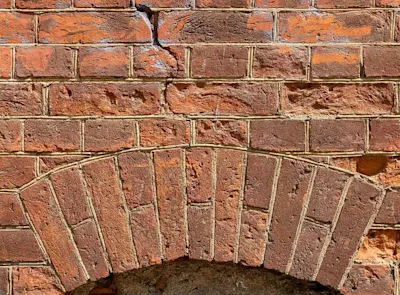
Cracks in brickwork or masonry are fairly common, but they can still be unsettling when you spot them. Sometimes they're nothing serious; sometimes they're a sign the wall needs repairing before things get worse.
Helifix bars are often used to stabilise cracked walls and restore structural strength without needing to rebuild large sections of masonry.
What Helifix bars are and how they stabilise cracked walls
Why they treat the crack, not necessarily the underlying cause
How long installation typically takes
Typical costs for materials and labour
How Helifix bars are installed step by step
When it's worth getting help from a qualified tradesperson
Find a local builder to repoint my brickwork
What are Helifix bars?
Helifix bars are stainless steel helical reinforcement bars used to stabilise cracked masonry. "Helifix" itself is a brand name, one of the most widely used systems, so you may also hear people talk about helical bars or Helibars for the same type of repair.
In practice, the bars are fitted into the mortar joint across the crack and held in place with a specialist grout. Once the grout has set, the wall is strengthened and the crack is less likely to come back.
They're commonly used for cracks running through brickwork, movement around windows or doors, failed or missing lintels, and localised subsidence damage.
Top tip: In many cases, this approach avoids the need to rebuild the wall entirely, which is why it's often chosen as a practical repair rather than a major structural job.
Do Helifix bars fix the cause, or just the crack?
This is worth understanding before you commit to the repair: Helifix bars stabilise and reinforce the wall itself, but they don't address why the crack appeared in the first place. If the crack is from old thermal movement, minor settlement, or a one-off event, that's rarely a problem, the wall has finished moving, and stitching the crack is genuinely the end of the story.

But if the underlying cause is ongoing subsidence, active ground movement that hasn't stopped, Helifix bars alone won't resolve it, and the crack (or a new one nearby) can reappear.
Our guide on what is subsidence explains the difference between subsidence, settlement, and heave, and why getting the right diagnosis matters as much as the repair itself.
A structural engineer, not just the tradesperson fitting the bars, is the right person to confirm which situation you're actually in before work starts, if there's any doubt.
Not sure whether your cracking points to subsidence or something more routine? Our guide on what is subsidence covers the warning signs and what to do next.
How long do Helifix bars take to fit?
The actual installation is usually quicker than people expect. Fitting around five Helifix bars across a typical cracked section of wall (approx. 5m x 18m) might take about half a day, roughly five hours in straightforward conditions.
After that, the bonding grout needs a day or two to cure before the joints can be pointed and the repair fully completed. In most cases, the wall can be finished and looking normal again within a couple of days.
Need reassurance? All tradespeople pass up to 12 checks before joining, and we keep checking after.
How much do Helifix bars cost?
Costs vary depending on the size of the repair, access to the wall, and the complexity of the work. Most repairs are completed in a single visit once the scope is confirmed.
As a rough example:
Materials for a typical repair area: around £500
Labour costs: added separately, and vary by region
Example total cost: around £600, depending on hourly rates and location
Factors that affect price include the length and number of cracks, wall thickness and structure, access requirements (like scaffolding), the extent of any underlying structural movement, and local labour rates.
Top tip: If a quote seems high, ask for a breakdown of the cost. A clear breakdown of materials and labour usually makes it much easier to see what you're paying for.
How are Helifix bars installed?
Although the process is relatively quick for a trained tradesperson, fitting Helifix bars requires specialist tools and careful placement.
Cut a horizontal slot into the mortar joint along the crack
Clean out dust and debris from the slot
Inject specialist bonding grout
Insert the Helifix bar into the slot
Apply additional grout to secure the bar
Allow the grout to cure
Repoint the mortar joint to finish the repair
Structural engineer costs UK: 2026 prices
Achieve your dream property safely with our structural engineer cost guide. Including the benefits of hiring a structural engineer, important factors & accurate costs.
Can you install Helifix bars yourself?
You could, but it's usually not worth the risk unless you really know what you're doing. Installing Helifix bars involves cutting precise slots into the mortar joint and using specialist bonding materials. A grinder is typically part of the process, and the placement of the bars matters more than people realise; if they're set incorrectly, the crack can simply return.
Most homeowners are better off bringing in someone who does this type of repair regularly, particularly if the crack relates to movement or structural stress.

When is it worth hiring a tradesperson?
If the crack keeps coming back, or you're not sure what caused it in the first place, that's usually the moment to get a professional opinion. It's especially sensible to involve a tradesperson if:
The crack is getting wider or spreading
Doors or windows nearby have started sticking
The wall feels unstable or uneven
The repair may affect a survey, insurance claim, or future sale
A good builder will not only repair the crack, but also help work out what caused it, and will flag if a structural engineer's input is needed first.

Before you commit to Helifix bar repair
Why choose a Checkatrade tradesperson?
When work involves the structure of your home, confidence in the person carrying it out matters just as much as the repair itself.
Comparing a selection of quotes from tradespeople working in your area can also help you understand what's reasonable for your specific situation.
Find a tradesperson near you
Find a brickwork expert near you
FAQs
To a degree. They can be gently shaped to suit the wall, but they're not designed to be heavily bent or forced into position. Doing that can weaken the bar and reduce the effectiveness of the repair, so adjustments are usually kept minimal and done during installation.
They reinforce cracked masonry by stabilising the wall and redistributing structural loads, helping prevent cracks from widening or reappearing, and can strengthen weakened brickwork without rebuilding the wall.
Available in a range of lengths, typically between 1 metre and 10 metres, depending on the repair required. The correct length is chosen based on the size of the crack and the structure of the wall.
No. They stabilise the existing crack and wall, but if the underlying cause is ongoing subsidence, that needs its own diagnosis and treatment (such as underpinning) from a structural engineer. Helifix bars alone won't stop active ground movement.
More Brick / Concrete Structural Repairs Articles


See the tradespeople we've checked for your job