COST GUIDES
How much does ceramic floor tile removal cost?
Updated 07/26
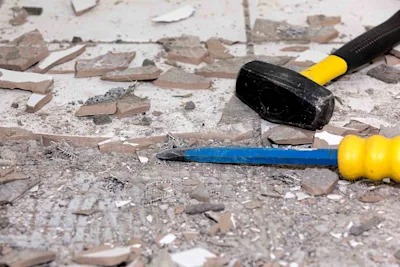
Changing your flooring is one of the best ways to refresh a room and give it a new look. But what if you have a ceramic tile floor?
Fast Facts
Average cost to remove ceramic floor tiles: £13 per m2
Average cost to remove ceramic wall tiles: £13 per m2
Luckily, removing it's a lot easier and less expensive than you might think. We’ve broken down the cost to remove a ceramic tile floor in this guide, so you can start budgeting.
Average cost to remove ceramic tile flooring
| Item | Unit | Average cost |
|---|---|---|
| Floor tile removal | Per m2 | £13 |
| Wall tile removal | Per m2 | £13 |
| Preparation for walls or floor for re-tiling | Per m2 | £6 |
| Last updated: July 2026 Our costs are ballpark averages - get a local tradesperson to quote now | ||
As a general rule of thumb, you're looking at around £13 per m2 to get a tiler to remove your ceramic tile flooring or walls.
The average room in the UK is about 16m2, so you're looking at a total ceramic tile removal cost of around £208 for your standard room.
What's included in a floor tile removal quote?
A quote for floor tile removal should cover:
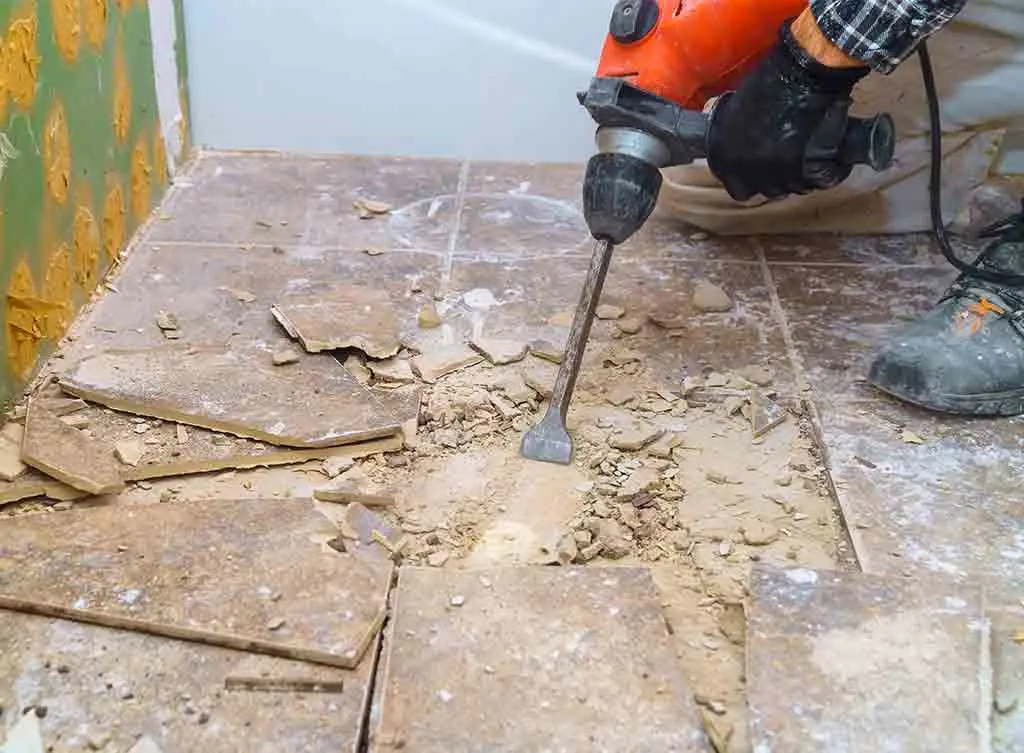
Breaking up and lifting the tiles
Removing the adhesive or screed beneath
Bagging and disposing of the waste
A basic sub-floor inspection
You may also want to confirm whether the quote covers:
Removal of wall tiles (this may be priced separately)
Sub-floor levelling or repair after removal
Disposal of adhesive or bitumen residue
Skip hire or waste removal
Always get an itemised quote - this makes it easier to compare multiple quotes like for like, and it means you know what to expect before work even begins.
Find a tiler near you
Factors affecting the cost of ceramic tile removal
The cost to remove a ceramic tile floor depends on several factors. The size of your room and labour rates in your area both play a part, but the biggest differences come down to what's under your tiles and what you plan to do next.
Here are the main factors that affect the price:
Room size. The per-m2 rate means bigger rooms cost proportionally more. Measure your floor before you request quotes, so you can get an accurate estimate.
Type of adhesive. Old bitumen-based adhesive is harder and more time-consuming to remove than modern tile adhesives. If your tiles were laid before the 1990s, expect this to add time and cost.
Sub-floor condition. A cracked or uneven sub-floor needs extra prep before new flooring can go down. Your tiler will spot this once the tiles are up.
Tile type. Porcelain is denser than ceramic and harder to break up, which can take longer. Find out more about the cost of porcelain floor tiles if you're planning a replacement.
Whether wall tiles are included. Wall tile removal is around the same rate per m2, but adds to the total job time.
Labour rates by region. Tradespeople in London and the South East typically charge more than in other parts of the UK.
Disposal and skip hire. If waste removal isn't included in the quote, budget extra. If tiles were laid before 1999, ask about asbestos testing before the job starts. Some older adhesives contain asbestos and require specialist disposal.
If your existing tiles have cracking grout, that can be a sign of sub-floor movement, which your tiler should assess.
Additional costs to budget for
Once the tiles are off, you may need to budget for:
Sub-floor preparation - This costs around £6 per m2 to level or repair before the new tiles can be laid
Skip hire or waste disposal - This costs around £125 for a mini 2-3 yard skip
Replacement flooring installation
If you're planning to re-tile, factor in the cost of new tiles, grout, and adhesive on top of the removal cost.
Other potential extras include:
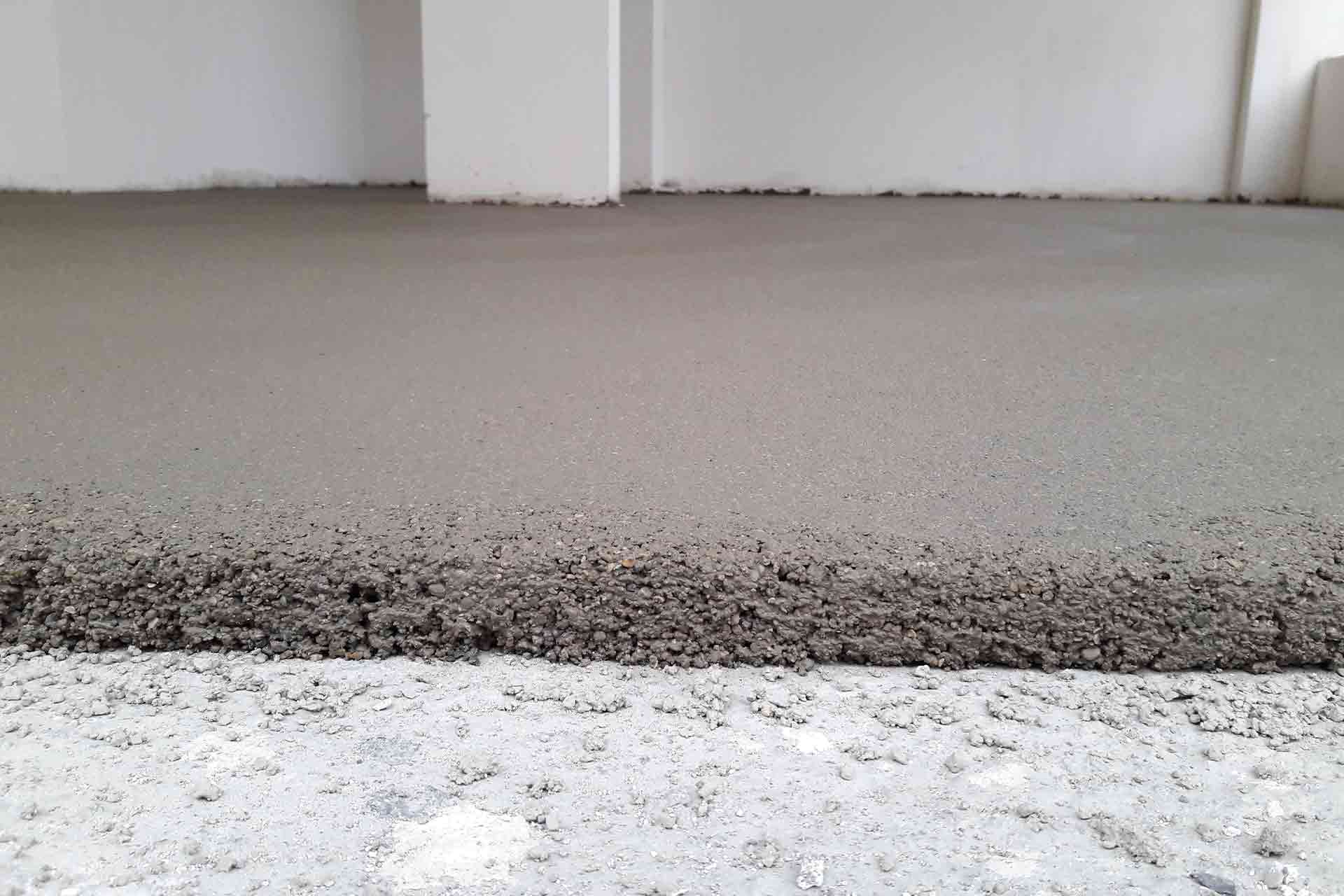
Screeding. If the sub-floor is uneven or damaged, it may need screeding before new flooring goes down. See our guide to screeding a floor for full costs. You can also read our screed flooring guide for more detail on the process.
New flooring. Whether you're going for tiles, carpet, or vinyl flooring, that's a separate cost on top of removal.
Asbestos testing. If your tiles or adhesive pre-date 1999, a test is worth arranging before removal starts.
How long does floor tile removal take?
A tiler can typically remove floor tiles from a standard room (15–20 m2) in half a day to a full day.
Larger rooms, wall tiles, or floors with stubborn adhesive take longer.
A full bathroom strip-out (including all floor and wall tiles) usually takes one to two days.
If you're on a tight schedule, let your tiler know upfront so they can plan accordingly. Removing tiles generates a lot of dust and debris, so clearing the room before work starts will also save time.
Floor tile removal cost: job estimator tool
Not sure what your job will cost? Use our estimator to get a quick guide price. Just type in a few details about what the job involves, and the calculator will give you an estimated quote.
Job Estimate Calculator

Can you remove a ceramic tile floor yourself?
It's not hard to remove a ceramic tile floor yourself, so it's a way to potentially save money. That said, a tiler will be much quicker and will usually have access to more powerful tools.
For DIY removal, you'll need:
Bolster chisel and hammer (or a power floor scraper for larger jobs)
Floor scraper to get under tiles and lift them
Safety goggles and a dust mask (tile removal is dusty)
Safety gloves to protect against sharp tile edges
Knee pads for comfort on hard floors
Either way, it's definitely wise to hire a tiler to prep the floor for whatever you want to do with it next. Sub-floor repair and levelling is skilled work, and getting it wrong means your new flooring won't last.
Benefits of hiring a tiler to remove your ceramic tiles
Hiring a tiler to remove your floor tiles means the job is done faster, more safely, and with far less mess than a DIY attempt. A tiler will:
Have access to powered floor scrapers and demolition tools that make the job significantly quicker
Spot sub-floor issues early, before you've committed to a new floor
Handle waste disposal (or advise on skip hire)
Leave the sub-floor ready for whatever you want to do next
A tradesperson also carries liability insurance, so if anything goes wrong you're covered. That peace of mind is worth a lot when it comes to something as disruptive as a full floor strip-out.
Find a tiler covering your area
Finding a tiler is straightforward with Checkatrade. We check and verify all of our members, so you can browse your options with a little more peace of mind. Enter your postcode to get started.
Find a tiler near you

You can also use our quick and easy request a quote feature, and we'll get local tilers to contact you directly - or download the Checkatrade app.
To get accurate quotes, be as detailed as you can:
Know your room size in m2 before you call
Confirm whether wall tiles also need removing, as this affects price and time
Tell the tiler what you're planning for the floor afterwards - whether that's new tiles, underfloor heating, carpet, wood
Flag any signs of damp or uneven sub-floor so the tiler can factor in prep time
You can also find tilers near you through our directory, or search specifically for a ceramic tiler near me if you need specialist expertise.

Floor tile removal cost checklist
Tick everything off on our handy checklist, and you'll be a step closer to hiring the right floor tile removal service and getting a floor you're happy with.

Your floor tile removal cost checklist
Before you contact a tiler, run through these points to make sure you're prepared.
Floor tile removal cost FAQs
It's possible. If your ceramic tiles are even, in good condition and not retaining moisture, you may be able to lay tiles, vinyl, or LVT flooring directly over them. That said, deep grout lines can cause problems with thinner floors, so get a floor layer to check the surface before you commit.
It's a physically demanding job, but not technically difficult. The main challenge is what's underneath: old adhesive, bitumen, or a damaged sub-floor can all mean more time and effort. A tiler will have the right tools to handle whatever they find.
Occasionally yes, if tiles were loosely fixed or can be lifted with a floor scraper at the right angle, but it's not easy. Most ceramic tiles crack during removal.
If you need intact tiles (to re-lay them elsewhere, for instance), let your tiler know upfront - and bear in mind it means the job will take longer.
Not always. Tiling over existing tiles is possible if the surface is flat, stable and well-adhered. Your tiler will assess whether the existing tiles are suitable as a base, because laying on a poor surface will cause the new tiles to fail.
Ceramic tile removal costs around £13 per m2. New tiling costs vary widely depending on tile choice and pattern, but budget for an average of £50 per m2 for supply and fit as a starting guide.
Yes, in most cases. Electric or wet underfloor heating systems are typically installed directly onto the sub-floor before tiling, so existing tiles usually need to come up first. A tiler or underfloor heating installer can advise based on your specific setup.
Check out our tiling hub for all the information you need for your tiling project - whether that's the cost of floor tiling, how to hire the best tiler for the job, or our guide to cleaning tiles!


See the tradespeople we've checked for your job