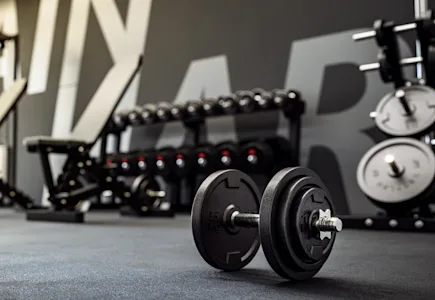
Find gym flooring installers near me
Search your postcode to find your local Checkatrade-approved tradespeople

Find a tradesperson near me
to view most relevant local trades, or search your postcode to browse more
Fm Flooring & Developments Ltd
10.00
(25 reviews)Services & skills
Carpets / FlooringFlooring SpecialistPly BoardingVinyl FlooringParquet FlooringNova Grand Ltd
10.00
(58 reviews)Services & skills
Carpets / FlooringFlooring SpecialistWood Flooring InstallersVinyl FlooringWooden floor specialistNW3 Parquet
10.00
(32 reviews)Services & skills
Carpets / FlooringFlooring SpecialistParquet FlooringWooden floor specialistPly BoardingDS-London Wood Flooring Specialists Ltd
10.00
(36 reviews)Services & skills
Carpets / FlooringFlooring SpecialistFloor SandingFloor ScreedingHardwood Flooring SpecialistCRH Flooring Ltd
10.00
(68 reviews)Services & skills
Carpets / FlooringFlooring SpecialistFloor ScreedingWood Flooring InstallersParquet FlooringCentury Flooring Ltd
10.00
(35 reviews)Services & skills
Carpets / FlooringFlooring SpecialistFloor SandingWood Flooring RestorationLaminate Flooring


Gym flooring installation involves fitting durable, impact-resistant surfaces designed to handle heavy equipment, repeated use, and high footfall.
Whether you're setting up a commercial gym, upgrading a studio, or creating a home workout space, the right flooring makes a big difference — not just to how it looks, but how it performs day to day.
This guide explains how to find gym flooring installers near you, what the work involves, typical costs, and what to check before you hire.
How to find experienced gym flooring installers near you
If you’ve ever tried working out on the wrong surface, you’ll know how quickly it becomes uncomfortable (or even unsafe). Here’s how to find the right installer for the job:
1. Search your postcode
Enter your postcode to see gym flooring installers working in your area, whether you're in Guildford, Gravesend, Gloucester or anywhere else in the UK.
2. Compare options
Look through reviews, photos of previous installs, and check whether they’ve worked on similar projects, for example, commercial gyms, PT studios, or home setups.
3. Request quotes
Requesting a few quotes helps you understand pricing, timelines, and what’s included, which is especially important for more technical installs.
4. Use the Checkatrade app
Track messages, quotes and bookings all in one place using the Checkatrade app.
Find a local tradesperson
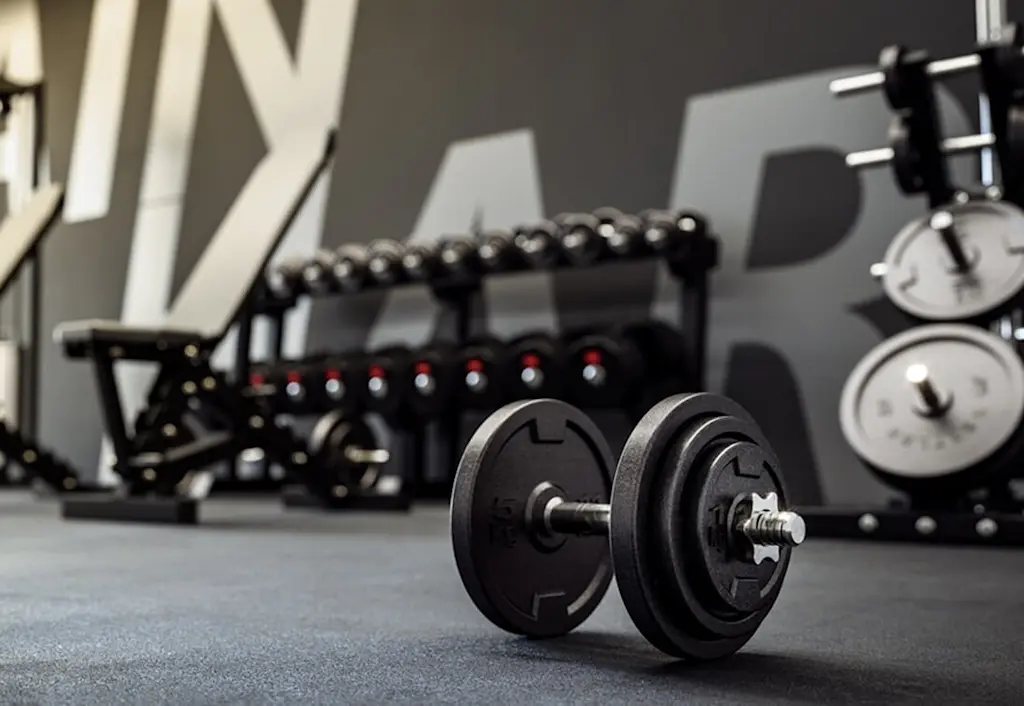
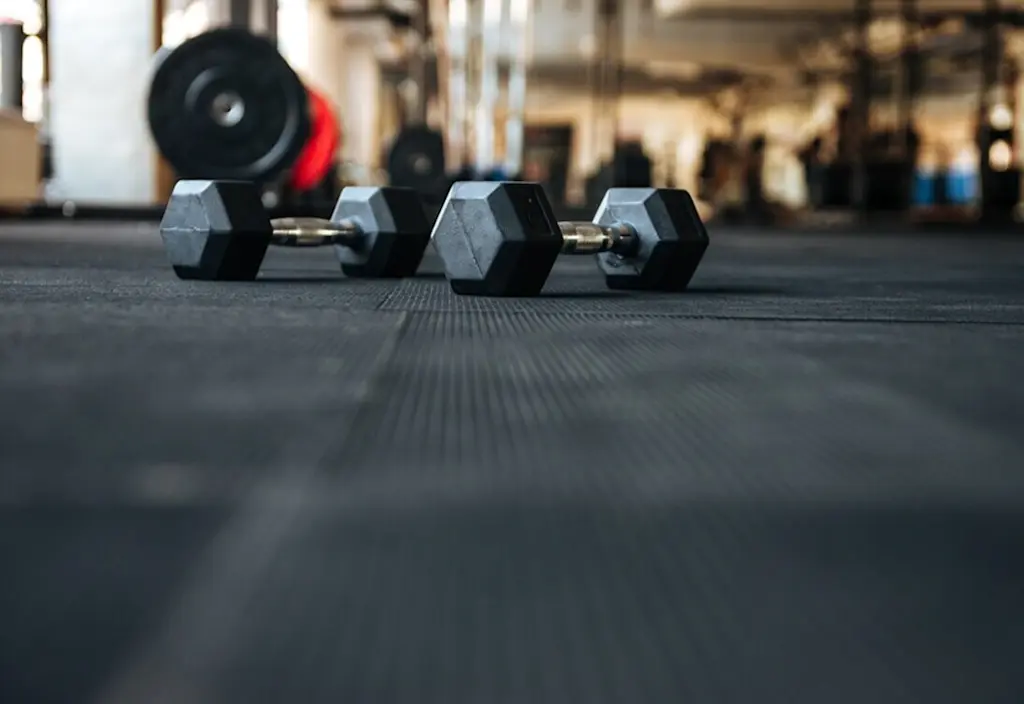
Find gym flooring installers in your area with Checkatrade
Gym flooring isn’t quite the same as standard flooring. It needs to absorb impact, protect the subfloor, and stand up to constant use, whether that’s dropped weights or daily classes.
Only tradespeople who pass our checks and commit to the Checkatrade Standard appear in our listings. That means you can compare options knowing the key checks have already been done.
To find checked gym flooring installers covering your area, simply enter your postcode below.
"Sammy and his team have done a super job laying my flooring. Totally reliable and a true perfectionist. I cannot recommend him and his team highly enough."
Verified review, Aitken Flooring Specialists, (Location PO21)
Find gym flooring installers in your area
Find related services you may need
Why not download the Checkatrade app, for all the tradespeople you need at your fingertips?

Why might you need gym flooring installation?
You might be starting from scratch, or replacing a gym floor surface that’s no longer doing the job properly.
Common reasons people hire gym flooring installers include:
Setting up a commercial gym, studio, or fitness space
Creating a home gym in a garage, spare room, or outbuilding
Replacing worn or damaged flooring
Reducing noise and vibration from weights or equipment
Protecting the subfloor from impact and long-term damage
Gym flooring isn’t just about comfort, it protects the structure underneath. The right material and thickness depend on how the space is used, from static equipment to high-impact training.
What does gym flooring installation involve?
Every project is slightly different, but most follow a similar process.
Step 1: Assessing the space
The installer will begin by checking the subfloor, room size, and intended use — for example, cardio equipment, free weights, or general fitness.
Step 2: Preparing the subfloor
The surface needs to be clean, level, and stable. In some cases, this may involve repairs or additional reinforcement.
Step 3: Laying the flooring
The gym flooring (often rubber tiles, rolls, or mats) is then carefully fitted, cut to size, and secured where needed.
Step 4: Finishing and checking
To finish, the installer will check alignment, joins, and stability to make sure the floor performs as expected.


We check the reviews on Checkatrade are from real people, and that trades meet our high standards.
Types of gym flooring
The right flooring for your gym depends on how the space will be used.
Rubber tiles: Popular for weight areas and commercial gyms due to durability and shock absorption
Rubber rolls: A seamless option often used in larger spaces
Foam tiles: Softer underfoot, more common in home gyms or light-use areas
Vinyl or specialist sports flooring: Often used in studios for classes like yoga or dance
A good installer will help you choose based on how you plan to use the space. Not just what looks right, but what will hold up to day-to-day use.
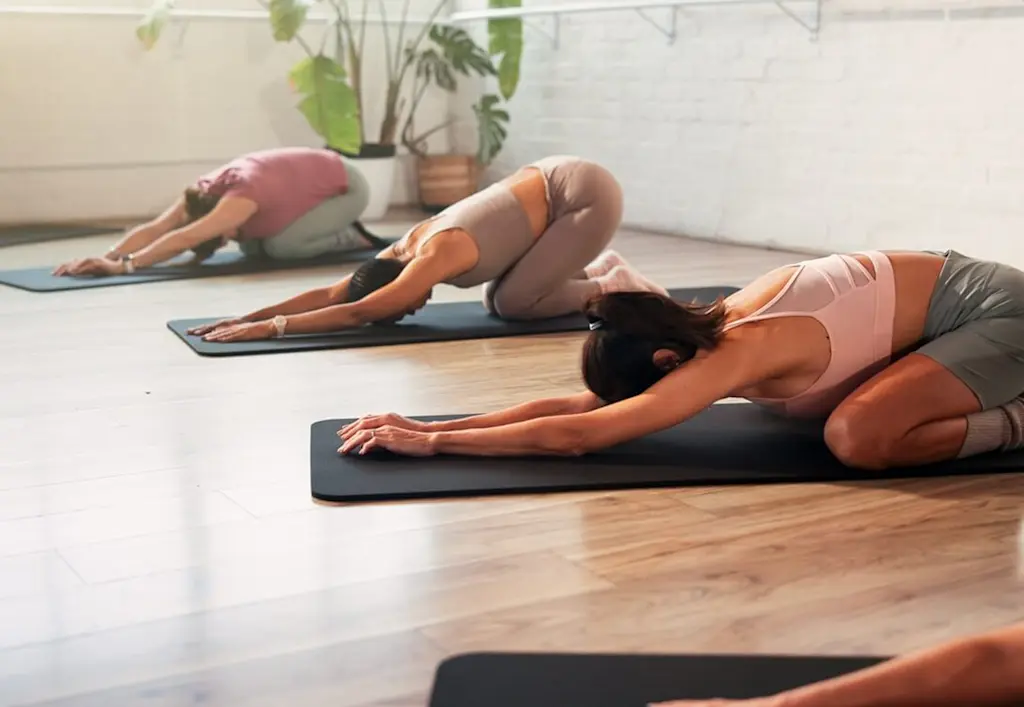
Choosing the right gym flooring for how the space is used
Not all gyms use their floors in the same way, and that has a big impact on what will work best long term.
For example:
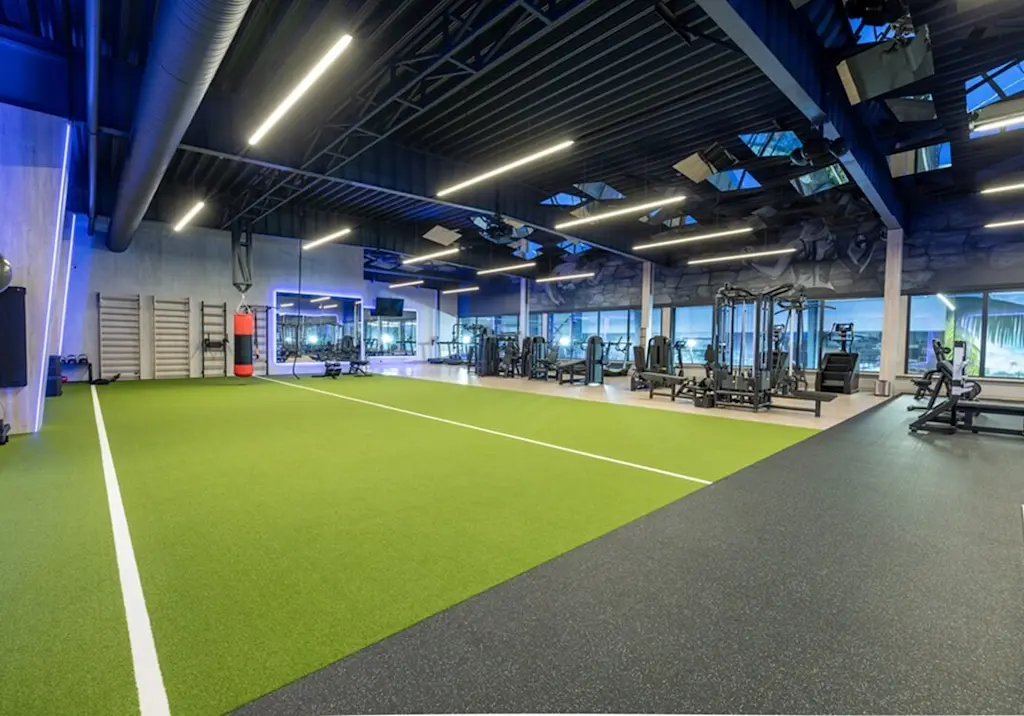
Weights and functional training spaces (like CrossFit or Hyrox-style gyms) usually need thicker, high-impact rubber flooring to absorb shock from dropped weights, slam balls, and constant movement
Machine-based gyms often focus more on durability and stability, as equipment stays in place and the load is more consistent
Studios and class-based spaces (such as HIIT, dance, or cardio classes) need flooring that offers good grip underfoot — especially once surfaces get warm or slightly damp
Home gyms can vary widely, but often benefit from a balance of comfort, noise reduction, and protection for the room underneath
What thickness of gym flooring do you need?
As a quick guide, the thickness of gym flooring usually depends on how the space is used:
6–10mm: Light use, yoga, stretching, or home gyms with minimal equipment
10–20mm: General fitness spaces, cardio equipment, and mixed-use areas
20mm+: Free weights, functional training, and high-impact activities (e.g. dropping weights or slam balls)
If you’re unsure, it’s always better to err on the side of slightly thicker flooring, especially in areas where impact or heavy equipment is involved.
How much does gym flooring installation cost?
Gym flooring costs vary depending on the material, thickness, and size of the area.
Because this is a specialist type of flooring, most jobs are priced individually rather than using a simple hourly rate.
Your quote will usually take into account:
The size of the space
Type and thickness of flooring
Subfloor preparation required
Installation time
For an accurate price, it’s best to request quotes from a selection of local gym flooring installers who can assess your space properly.
Data verified by our professional estimators
Estimators are CIOB & RICS members
What affects the cost of gym flooring installation?
Several factors can influence the final price you’ll pay:
Type of flooring material
Thickness (especially important for weightlifting areas)
Condition of the subfloor
Size and layout of the space
Access to the property
Whether additional reinforcement is needed
Getting a few quotes helps you understand what’s a reasonable price looks like for your particular setup.
Common mistakes to avoid when installing gym flooring
Choosing flooring that doesn’t match how the space will actually be used
Going too thin in areas with heavy weights or high impact
Skipping subfloor preparation
Not allowing for movement, grip, or sweat in high-traffic areas
Focusing on price over long-term performance
Booking without comparing quotes
These are the kinds of details that tend to show up later — often once the space is already in use.
We check the reviews on Checkatrade are from real people, and that trades meet our high standards.
Questions to ask before hiring a gym flooring installer
What type of flooring do you recommend for my setup?
What thickness do I need for my equipment?
Will the subfloor need preparation or reinforcement?
Does the quote include materials and installation?
How long will the job take?
Can you show examples of similar installs?
On Checkatrade, you'll only find trades who meet our high standards and pass up to 12 checks.

"Easy and quick communication, job done very well and will definitely be using them again."
Verified review, RBD Flooring, (Location CR2)
Why use Checkatrade to find trusted local tradespeople near me?
Checked - Every Checkatrade member must pass up to 12 checks and commit to upholding the Checkatrade Standard
Reviewed - Over 6.2 million verified reviews from real jobs have been published on Checkatrade on everything from communication, tidiness, timekeeping, and quality of work
Guaranteed - Jobs booked through Checkatrade are covered up to £1,000 (T&Cs apply)
Request a quote, search in the Checkatrade app, or enter your postcode below to find gym flooring installers working in your area.
Find a local tradesperson
FAQs
What is the best flooring for a gym?
Rubber flooring is one of the most popular choices because it absorbs impact, reduces noise, and protects the subfloor.
How thick should gym flooring be?
The thickness of your gym flooring depends on how the space is used. Heavier equipment and weightlifting areas usually need thicker flooring for proper protection.
Can I install gym flooring myself?
Some flooring types are DIY-friendly, but larger or more technical installs are usually better handled by an experienced installer.
Is gym flooring suitable for home gyms?
Yes, many people install gym flooring in garages or spare rooms to create a safer, more durable workout space.
Does gym flooring reduce noise?
Gym flooring can reduce noise transfer, especially rubber flooring. It helps absorb sound and vibration, which is useful in both homes and commercial settings.