HOW-TO GUIDES
How to build over a sewer pipe
Updated 10/26
By: Adam Harris
Reviewed: Alex Peters
If you are planning an extension, garden room or annexe, one of the first things to find out is where the drains and sewers run.
Whether you can build over a sewer pipe
Who owns the drain or sewer on your land
When you need a build over agreement
How foundations work around a pipe
Your options if the pipe is in the way
Who to hire for the work
Building over a sewer pipe is sometimes possible, but only with the right permission and design. This guide explains how to build over a sewer pipe, what approval you need and what your options are.
Find a relevant tradesperson near you
Can you build over a sewer pipe?
Sometimes, but not freely. If a public sewer or lateral drain runs under your plot, you generally need your water company's agreement before building over or near it. This is because the company needs to be able to reach the pipe for maintenance and repairs, and heavy structures can damage it.
Planning permission doesn't give you the right to build over a sewer. Building control and the water company are separate approvals.
Not every pipe falls under this. A private drain that only serves your own property and sits within your boundary is your responsibility and is typically not covered by a build over agreement. Always confirm which type of pipe you have first.
Don't start any groundworks until you know exactly where the pipes are and which ones belong to the water company.
Who owns the sewer pipe on your property?
Since 1 October 2011, many pipes that used to be private became the responsibility of the water company. These include shared private sewers and "lateral drains", which are pipes serving one property but lying outside its boundary.
A drain that serves only your property and sits inside your boundary remains your responsibility.
To find out what you have:
Ask your water company for a sewer map of your area
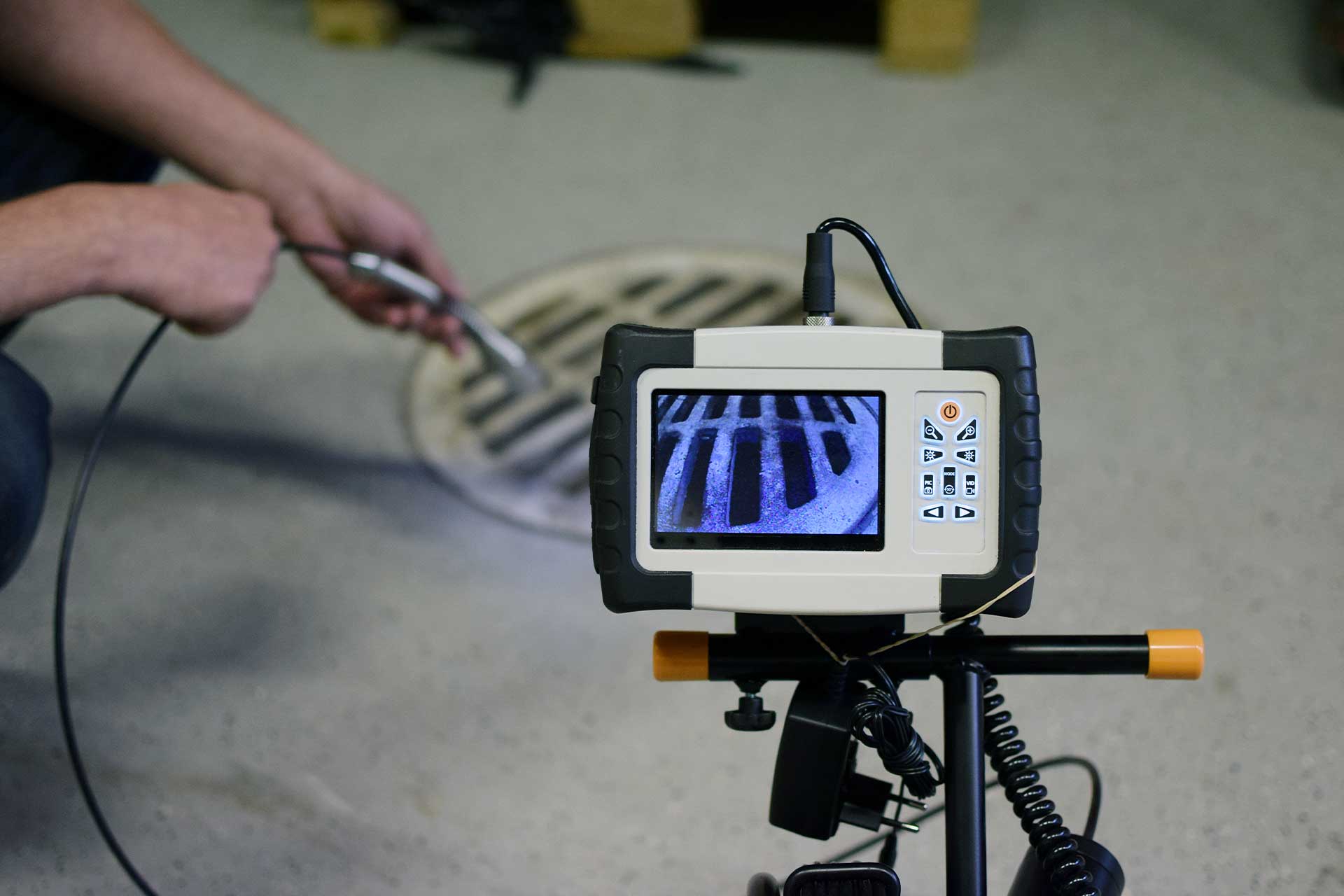
Arrange a drain survey, such as a CCTV drain survey, to locate and size the pipes

When do you need a build over agreement?
Water companies set their own rules, so check with yours. As an example, Thames Water requires an agreement for building works to existing properties within 3 metres of a public sewer, or within 1 metre of a public lateral drain. Other companies may use different distances, so don't assume the same rule applies where you live.
For some small extensions over narrower pipes, a simplified or self-certified route may be available. New buildings, including detached garages and sheds, can be treated differently and may require the sewer to be diverted rather than built over.
Apply to your water company before you start work. The company may set conditions on the build, and a fee can apply.
Find a relevant tradesperson near you
How to build over sewer pipes
If the water company agrees, the design usually follows a few principles. Always follow the conditions in your agreement and your engineer's design.
Do not run foundations along the length of the pipe. Foundations running parallel to a pipe can load it and block access.
Keep foundations clear of the pipe. Where foundations must pass nearby, they are generally set to either side of the pipe rather than on top of it.
Protect the pipe. Depending on the depth and type of pipe, your design may include protection such as a surround or lintel.
Keep access. The water company must still be able to reach the pipe, for example through inspection chambers or manholes.
A structural engineer or experienced groundworker can advise on the right approach for your site.


How to bridge over a sewer pipe
If foundations cannot avoid the pipe, a common solution is to bridge over it. Concrete foundations or piles are built on either side, and a solid structure such as a reinforced beam spans the pipe so that no load rests on it.
The exact design, including clearances from the pipe to the foundations, depends on the pipe's depth and size and on the water company's requirements. Don't copy a design from another project. Have it checked against your own agreement.

How much does it cost to move drains for an extension in 2026?
If you’re planning to build an extension, you’ll need to overcome a few hurdles before you can start enjoying your newly expanded kitchen or light-filled conservatory. One of these is drains, which will get in the way of the foundations of your planned extension if not relocated.
What if the pipe is in the way?
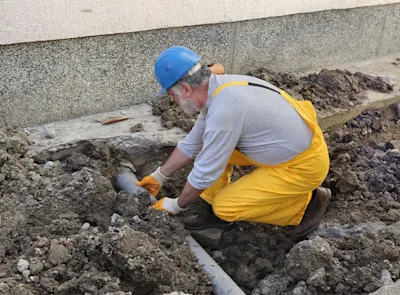
If building over is not allowed or not sensible, you may be able to divert the pipe. This needs approval from the water company and is carried out by a suitably experienced drainage contractor. It can add cost and time, so factor it in early. See our cost guides for sewer pipe installation and moving drains for an extension.
You might also need to:
Reposition or raise manhole covers
Add inspection chambers for access
Change your extension layout to avoid the pipe

Need reassurance? All tradespeople pass up to 12 checks before joining, and we keep checking after.
The simple way to find an approved tradesperson
Building near drains is specialist work.
Choose a drainage or groundwork contractor with experience of build over agreements, ask for written quotes and check reviews. A drain survey is often a good first step.

Before you build near a sewer
Need a trade? Search here
FAQs
Only with your water company's agreement. Rules and distances vary by company, so check with yours before any work starts.
No. Planning permission and a build over agreement are separate. You may need both, as well as building control approval.
A private drain serving only your property within your boundary is generally your responsibility and not covered by a build over agreement, but still get advice before building over it.
Check with your water company, as distances vary. Thames Water, for example, requires an agreement within 3 metres of a public sewer.
Foundations should not run along the length of a pipe. Typically they sit either side of it or bridge over it, following the design agreed with your water company.


See the tradespeople we've checked for your job