HOW-TO GUIDES
How to get car window tint off
Updated 05/26
By: Laura Macdonald

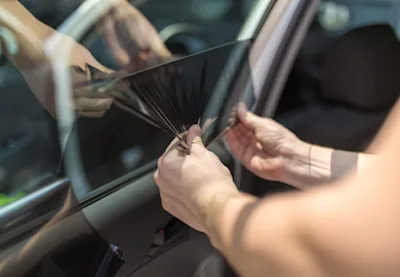
There’s usually a moment when car window tint suddenly starts bothering you.
Maybe it’s bubbling at the edges. Perhaps it’s turned slightly purple with age. Or maybe your style’s just changed and you’d rather have a cleaner, factory-glass look again.
The good news is that removing old tint film is often possible without replacing the glass itself. The less-good news? It can quickly turn into one of those jobs that looks simple online but becomes surprisingly fiddly once you’re halfway through peeling sticky film off your rear windscreen.
This guide explains how to get car window tint off safely, which methods tend to work best, and when it’s worth stepping away and letting a professional handle it instead.
How to remove car window tint safely
The easiest methods for loosening old tint film
What tools you’ll need before you start
Common mistakes that can damage windows or demisters
How long window tint removal takes
When it’s better to use a professional
What does removing car window tint involve?
Most of the job is really about softening the adhesive that holds the film onto the glass so that you can carefully peel the tint away and then clean off the leftover glue.
In straightforward cases, the film lifts away fairly cleanly.
Older tint, however, can be much more stubborn. Cheap film, sun damage, and years of heat exposure often leave adhesive baked hard onto the glass, which is where the job becomes slow, messy and frustrating.
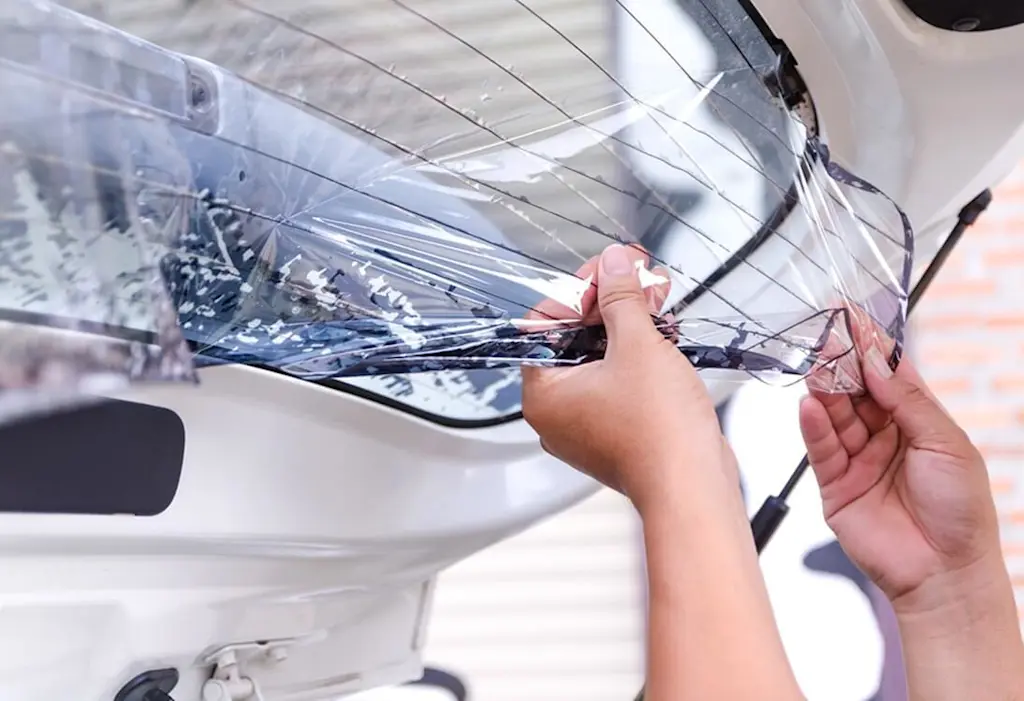
Rear windows also need extra care because of the heated demister lines running across the glass. Scraping too aggressively can damage them permanently, which can lead to more costly repairs.
Why do people remove car window tint?
It's a fair question — why would you want to remove car window tint? There are a few genuine reasons people decide to remove window film, including:
Bubbling, peeling, or fading tint
Purple discolouration from older film
Visibility issues at night or in bad weather
Preparing the car for sale
Concerns about legal tint limits
Simply preferring a clearer, more modern look
Sometimes the tint itself is fine, but your taste has changed. Dark limo-style tints that were popular years ago can start making a car feel dated.
What tools will you need?
So you've decided the window tint has got to go and you're going to give it a go yourself. You don't need specialist garage equipment, but you do need the right tools nearby to make the job far easier.
Tools and materials commonly used:
Hairdryer or heat gun
Spray bottle
Warm soapy water
Microfibre cloths
Plastic scraper or old bank card
Glass cleaner
Bin bags or towels to protect the interior
Adhesive remover (optional)
Helpful extras:
Steam cleaner
Rubber gloves
Masking tape
Protective eyewear if using a heat gun
A plastic scraper is usually safer than a metal blade as it won't scratch the glass or cause damage, especially on rear windows that have heated demister lines.
Things to consider before you start
Before you jump in, it’s worth checking a few things first.
Rear windows need extra care
This is the big one.
Those thin horizontal lines across the rear windscreen are delicate heating elements. If you scrape too hard or catch them with a blade, they can stop working altogether.
Older tint often comes off in pieces
Fresh tint film sometimes peels away neatly in one sheet. Older tint usually doesn’t.
If the film keeps tearing into small sections, that’s fairly normal. It's frustrating, but it's normal.
Heat matters
Cold tint film becomes brittle and much harder to remove cleanly.
Most people find the job easier on a warm day, in direct sunlight, or when using gentle heat from a hairdryer or steamer.
How to get car window tint off
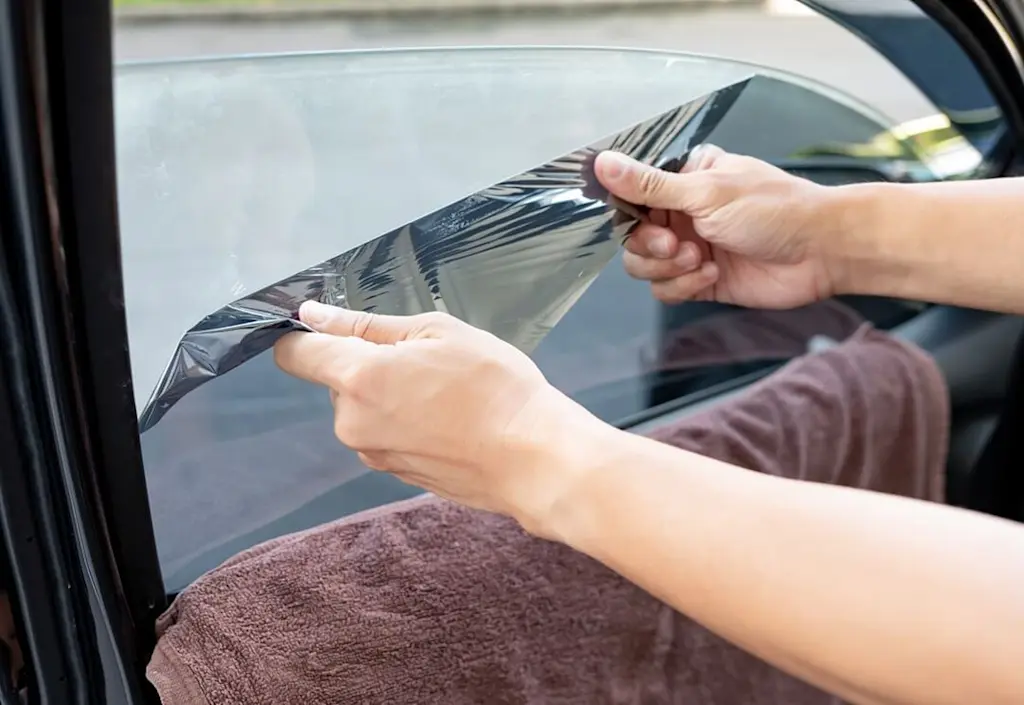
People remove tint in a few different ways, but heat is usually the safest and most reliable place to start.
Working slowly tends to produce much better results than trying to rip the film away quickly.
Method 1: Using heat (most common approach)
This is usually the best starting point for DIY tint removal.
Step 1: Warm the tint film
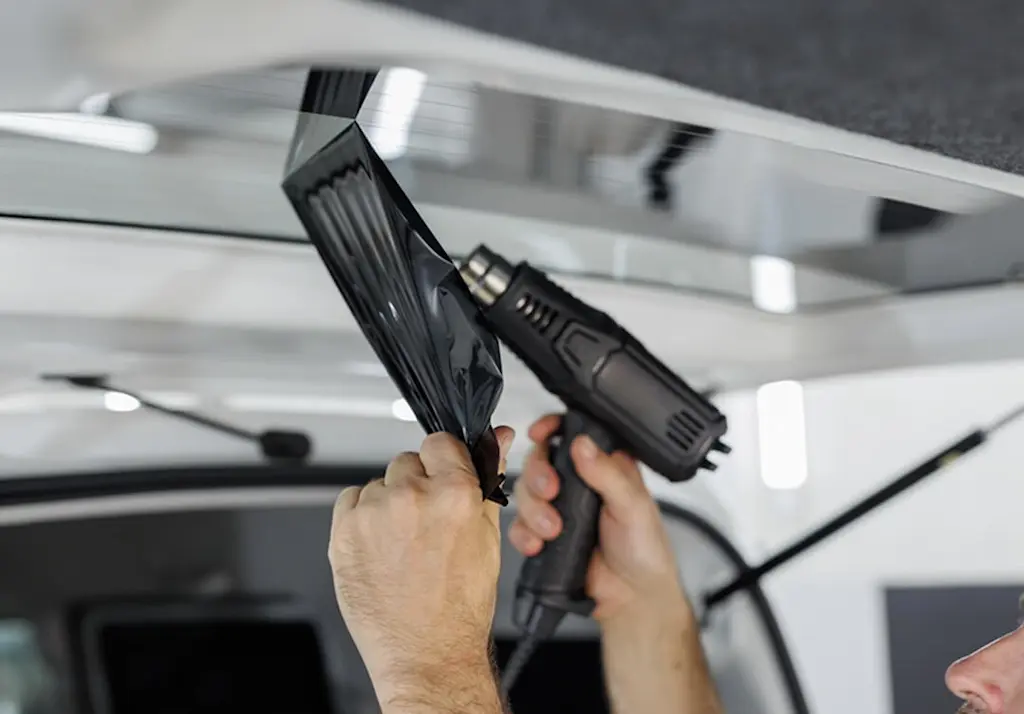
Use a hairdryer or heat gun on a low setting and slowly warm one corner of the window. If you can't access the corner, wind the window down a few inches and start gently from the top.
Keep the heat moving rather than concentrating on one spot for too long. And remember, the aim is to soften the adhesive underneath the film — not overheat the glass.
Step 2: Lift a corner carefully
Use your fingernail or a plastic scraper to gently lift the area of tint film you're working on — whether that's a corner or small area at the top of the glass.
Try pulling slowly at a shallow angle rather than straight backwards.
Step 3: Continue heating while peeling
As you peel the film away, you'll need to continue warming the area ahead of where you’re pulling.
This usually helps prevent the tint tearing into smaller pieces.
Some windows come cleanly away in one go. Others absolutely do not.
Step 4: Remove leftover adhesive
Once the film is off, there’s often a sticky residue left behind.
Spray the glass with warm soapy water, a glass cleaner or adhesive remover and wipe gently with a microfibre cloth.
More stubborn glue may need several passes.
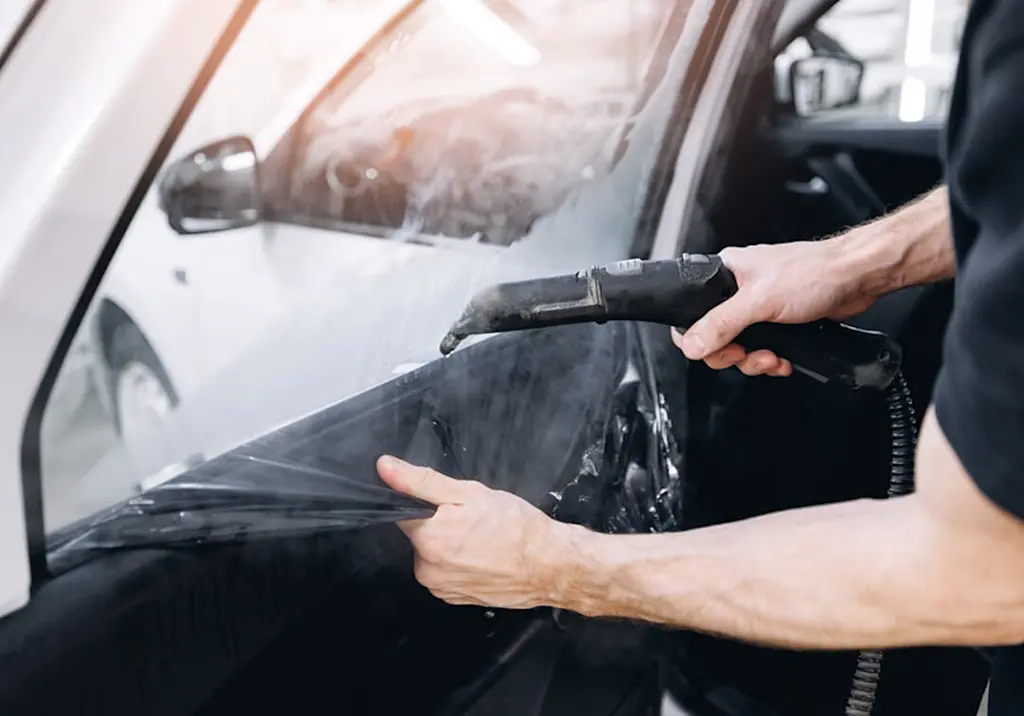
Method 2: Steam removal
Many professionals use steam because it softens both the film and adhesive at the same time.
A handheld steam cleaner can work particularly well on older tint.
Steam works well for the removal of car window tint because:
There's less scraping required
It helps loosen stubborn adhesive
It's often safer for rear demister lines
It reduces tearing
That said, too much moisture around electronics or trims is never ideal, so you'll need to work carefully around switches and seals.
Method 3: The bin bag method
This method often appears in professional forums and video guides because it's a good alternative if you don't have access to a heat gun or handheld steam cleaner.
The basic process involves:
Spraying the window with water
Cutting a black bin bag to the size of the window and laying it flush against the glass
With the car doors closed, leave the car in the sun for a while (the sun is the 'activator' that softens the adhesive)
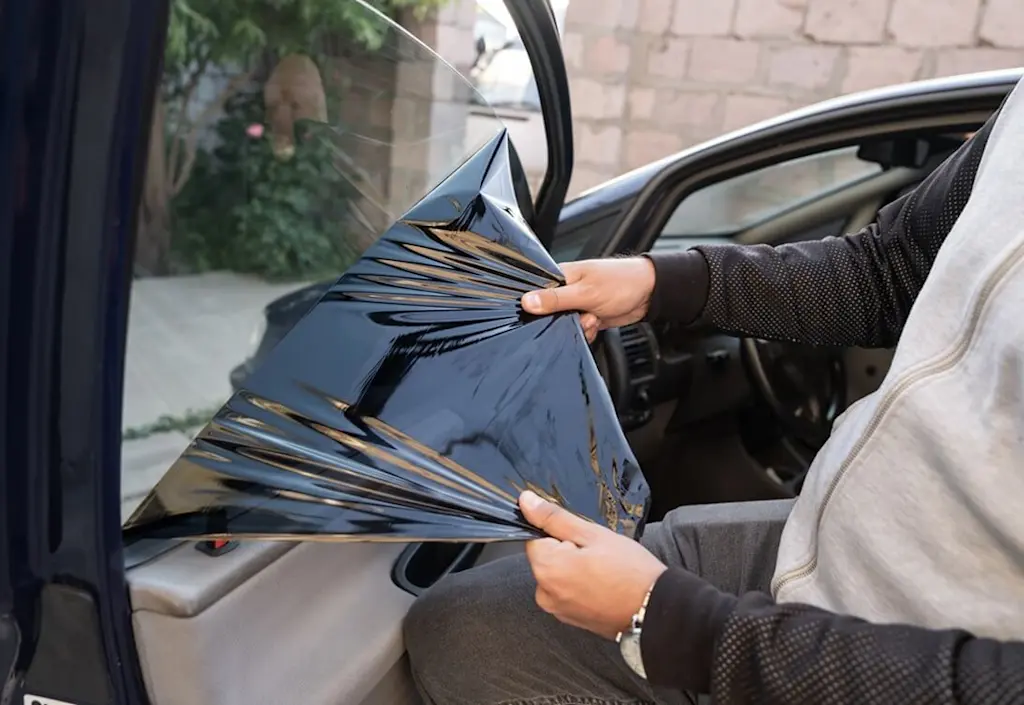
After approx. 30 minutes to one hour, remove the bin bag and then gently peel the tint from the window
The bin bag method can work well in warm weather, although results are less impressive on cold days in the UK.
Common mistakes to avoid
Most problems happen when people rush. Some of the most common mistakes people make when attempting the removal of car window tint include:
Using metal blades aggressively on rear windows
Pulling the film off too quickly
Overheating the glass with a heat gun
Forgetting to protect seats and trim from adhesive remover
Expecting old tint to peel off perfectly in one piece
If the film starts shredding into dozens of tiny pieces, stop and add more heat rather than forcing it.
How long does tint removal take?
This is one of those jobs where timescales vary massively.
A small side window might take: 20–30 minutes
A badly aged rear windscreen can easily take: Several hours
The adhesive clean-up often takes longer than removing the film itself.

Can you remove car window tint yourself — and should you?
It's definitely possible to remove car window tint yourself, but whether you should depends on a few factors:
The age of the tint
Which window you’re working on
Your patience level, honestly
DIY tint removal is usually manageable if:
The film is relatively new
The tint is already peeling
You’re working on side windows
You’re happy working slowly
It’s usually worth hiring a professional if:
The rear demister matters to you
The tint is very old or brittle
The adhesive is heavily baked on
You want the cleanest possible finish
This is one of those jobs where people often start confidently having watched a few tutorials and then end up booking someone halfway through after realising how stubborn the adhesive is.

Thinking about hiring a professional?
Here’s what recent Checkatrade customers said about hiring a vehicle window tinting service:
“Excellent service! I was accommodated at a moments notice, and within a short space of time, my car was transformed! I have recommended to friends and family, and I will make another return, after seeing what you are capable of. Thank you and see you soon!” Verified reviewer, FGTW Motors, (Location KT3)
“I would HIGHLY recommend this tradesperson/company to anyone. I called on a Tuesday afternoon and was offered availability on the Wednesday morning (which was amazing) and service on the day was absolutely top notch. Communication was fantastic throughout, everything was super speedy and I'm really happy with all the work done! I’ll certainly be a return customer, and would enthusiastically recommend this company based on my experience.” Verified reviewer, Miles and Son Motors Ltd, (Location GU1)
What about removable and reusable car window tint?
If you like the idea of flexibility, removable and reusable car window tint is becoming more popular.
These are usually static-cling films rather than permanent adhesive tints. They:
Peel off more easily
Can sometimes be reused
Are useful for temporary privacy or sun protection
Tend to be less durable than professionally fitted tint film
They’re often used on leased vehicles where permanent tinting is less appealing.

Find a car window tint specialist near you
If you’d rather avoid spending your weekend scraping adhesive from glass, a professional can usually remove car window tint film much more quickly — and with far less risk of damaging the window or demister lines.
With Checkatrade, tradespeople are:
Checked - Every Checkatrade member must pass up to 12 checks and commit to upholding the Checkatrade Standard
Reviewed - Over 6.2 million reviews have been published on Checkatrade about real jobs, on everything from communication, tidiness, timekeeping, and quality of work
Guaranteed - Jobs booked through Checkatrade are covered up to £1,000 (T&Cs apply)
Enter your postcode to browse checked and reviewed car window tint specialists working in your area.
Find car window tinting services near you
FAQs
Using gentle heat from a hairdryer or steamer is usually the easiest way to remove car window tint. The heat softens the adhesive so the film peels away more cleanly.
You can remove car window tint without damaging the rear demister, but you need to work carefully. Using heat or steam and avoiding aggressive scraping helps reduce the risk of damaging the demister lines.
Some people use WD-40 to help loosen leftover adhesive, although dedicated adhesive removers or glass-safe cleaners are usually more effective and less messy.
Small side windows may take under an hour to remove window tint, while heavily aged rear window tint can take several hours depending on the condition of the film and adhesive.
There’s no law preventing you from removing car window tint film yourself. However, if replacement tint is added afterwards, it still needs to comply with UK tinting laws.
The tint itself usually does not damage the glass, but aggressive scraping during removal can scratch windows or damage heated rear windscreen elements.
See the tradespeople we've checked for your job