Blog>How-To Guides>How to plane a door
Last updated: 20 October 2023

How to plane a door
If your door is sticking when you open and close it, you might need to plane it, which is the process of shaving off a bit of wood, to ensure it fits properly with the frame.
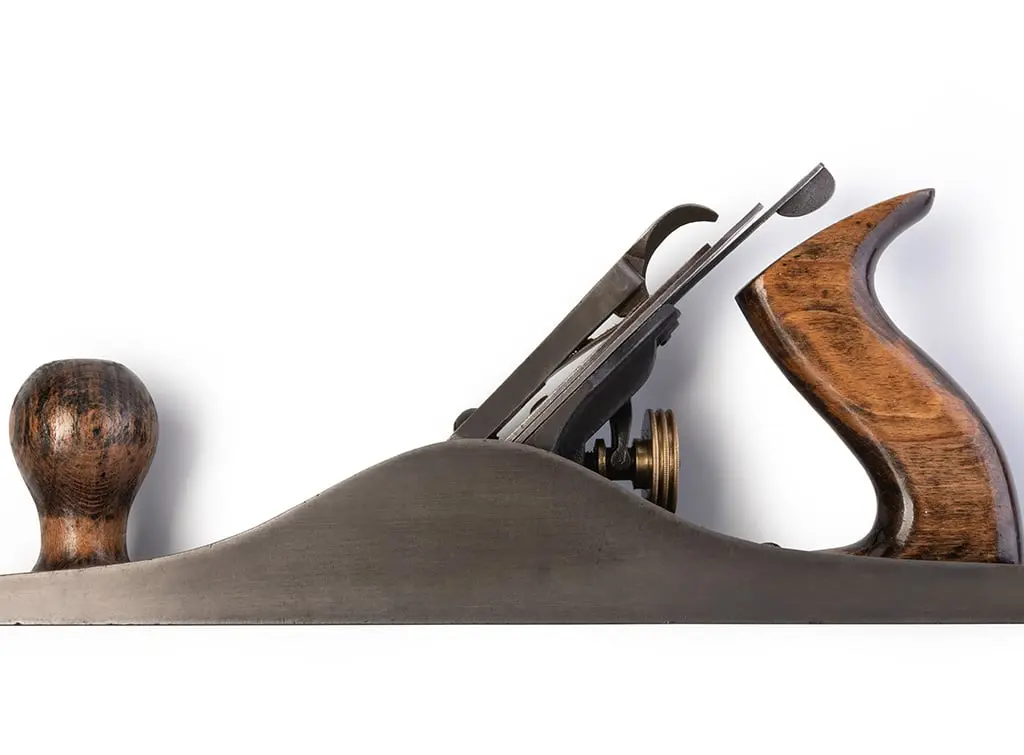
If your door is sticking when you open and close it, you might need to plane it, which is the process of shaving off a bit of wood, to ensure it fits properly with the frame.
Whether the issue was caused by seasonal humidity, age or settling structures, a simple planing procedure can help you resolve this annoyance and get your door working smoothly again.
In this article, we explain how to plane a door, what supplies you'll need for the job, and how to get some outside assistance from an expert if you need to.
Find a local tradesperson
How to plane a door
Whether you're a DIY enthusiast or a master woodworker, follow this guide to plane your door perfectly:
Supplies needed
Pencil
Tape measure
Level
Hand plane
Workbench
Screwdriver
Step one: Remove the door
First, take any necessary safety precautions, such as moving any obstacles out of your way and putting on your goggles and dust mask.
Next, open the door and use a screwdriver to remove its hinge pins. Lift the door off its hinges and set it down flat on a workbench or any suitable flat surface.
Step two: Mark areas for planing
Carefully examine the door so you know which areas need to be planed and mark them with a pencil. If the door was sticking, you should be able to clearly see scuff marks or a shiny area in the problem location.
Step three: Plane the door
Check your plane iron is sharp before starting, as blunt blades can be even more dangerous than sharp ones when it comes to woodworking.
Get ready by holding the plane at a slight angle to the direction you're planing. Start at one end of the marked area and push the plane towards the other end, applying even pressure and always working in the direction of the wood grain.
Be gentle at first so you can get used to the tool and learn how much pressure shaves off how much wood. Take off thin, consistent shavings, as it's much easier to take off more later than fix an over-planed door.
You can gauge your progress using a level or by periodically fitting the door back into place and testing it.
Step four: Sand the edges

Once you've finished planing, sand the edges with a medium-grit sandpaper, followed by a finer grit, to smooth out the surface. This isn't necessary, but produces a better-quality finish.
You might also need to touch up areas where paint has been removed.
Step five: Finish and re-hang
Place the door back on its hinges and secure it with the hinge pins. Give the door a final check by opening and closing it a few times.
If the issue persists, you might need to remove the door again and plane it a bit more.
How to plane a door with an electric planer
If you've got an electric planer, or you're wondering how the process would work if you did, these are the steps to take:
Step one: Preparation
First, take any necessary safety precautions, such as removing trip hazards and wearing safety gear. Next, open the door, unscrew the hinge pins using a screwdriver, and lift the door from its hinges.
Lay the door horizontally on your workbench, sawhorses or any other suitable surface. Examine the door to find the area or areas that need planing and mark them out with a pencil.
Step two: Set up the electric planer
Before turning on the power, check your planer's blade to ensure it's sharp and in good condition.
Adjust the depth setting on the planer so you can begin with a shallow setting and take a small amount off at a time. Electric planers can remove a lot of wood quickly, so you have to be vary careful.
Step three: Plane the door
Going with the grain of the wood, start at one end of the marked area and move the planer towards the other end, maintaining a steady and controlled pace.
Keep the planer flat against the door and apply pressure evenly. After each pass, check your progress. You can also check the door with a level or by re-hanging and testing it.
Adjust the planer if you need to and continue until the door fits perfectly into the frame.
Step four: Finish and rehang
Once you're satisfied with the result, smooth out the edges of the door with a medium-grit sandpaper, followed by a fine grit. You might need to touch up some areas with primer and paint.
Lift the door back into place and secure it with the hinge pins you removed. Test the door by opening and closing it a few times, and voilà! You've successfully planed a door.
If you don't have the tools, time or inclination to do this kind of work yourself, you can always call in a nearby carpenter. Connect with Checkatrade-approved contractors in your area by entering your postcode into the search box below.
Find a local tradesperson
See the tradespeople we've checked for your job