HOW-TO GUIDES
How to clean a sofa
Updated 08/26

By: Content Team
Reviewed: Alex Peters
How to check your sofa's cleaning code before you start
The right method for fabric, leather, suede or velvet
How to tackle stains without making them worse
When steam cleaning is safe to use
Roughly what professional cleaning costs
When it's worth calling in a specialist
Your sofa gets more daily use than almost any other piece of furniture, which means it also picks up more hidden dirt: body oils, dust, crumbs, pet hair and the odd spilt drink. None of that shows up straight away, but it builds.
The right way to clean it depends entirely on the material, so getting this step right first saves you from turning a small stain into a bigger, more expensive problem.
This guide covers safe cleaning methods for every common sofa material, how to handle stains, and when a DIY clean isn't the right call.
Find a trusted local cleaning company
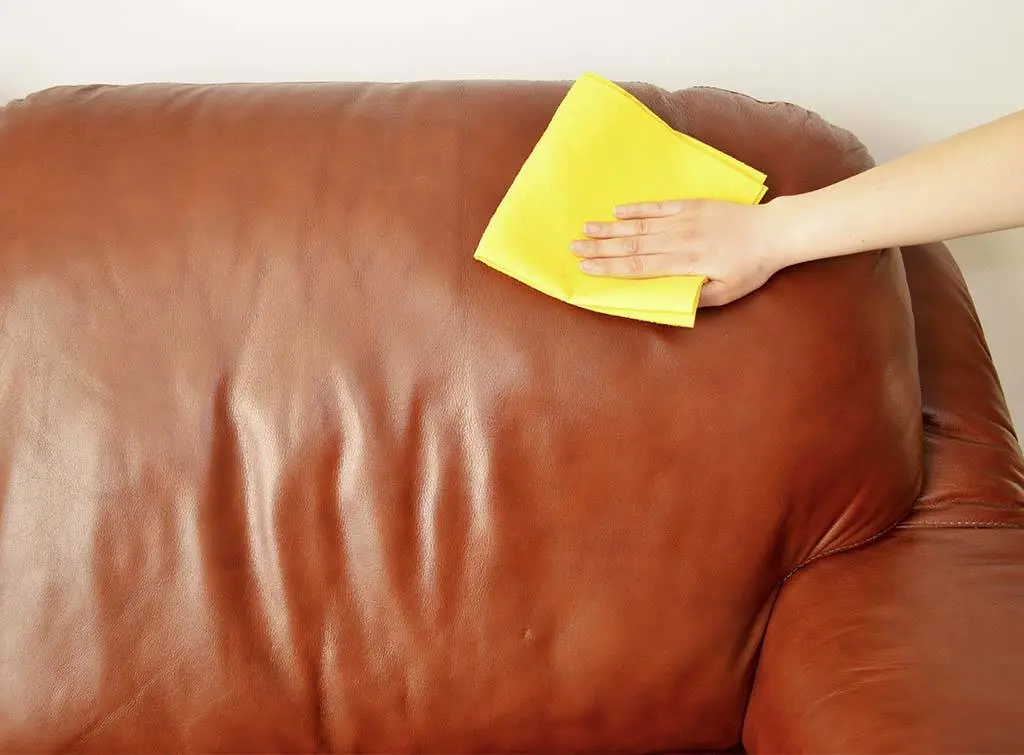
Check the label before you do anything else
Before reaching for any cleaning product, look for the upholstery cleaning code on the manufacturer's tag, usually found under a cushion or on the frame. It's the single most useful piece of information for avoiding a ruined sofa:
W: water-based cleaners are safe to use
S: solvent-based cleaners only; water can cause staining or shrinkage
WS: either water- or solvent-based products are fine
X: vacuum or brush only; no liquid cleaners at all
If there's no tag, or you're not confident reading it, always test any product on a small, hidden patch first and wait for it to dry before judging the result.

How to deep clean a sofa
Remove cushions and covers where possible, and brush off crumbs and loose debris.
Vacuum thoroughly, including the frame, seams, and undersides of cushions where dust collects unseen.
Shampoo the upholstery using an upholstery cleaning machine if you have access to one, following the product's instructions for your fabric type.
Test a hidden patch first to make sure the shampoo doesn't cause staining or colour loss.
Fill the machine with the recommended shampoo-to-water ratio for your sofa's material.
Work in smooth, even strokes and allow the sofa to dry fully before using it again.
If cushion covers are removable and machine washable, follow the manufacturer's care label to wash them separately.
Never rub at a stain. Blot from the outside in instead. Rubbing pushes the stain deeper into the fibres and can spread it further than it started.

How to clean a fabric sofa
Check the tag for the cleaning code before starting.
Vacuum thoroughly with a brush attachment to lift dust and debris from the fibres.
Sprinkle baking soda over the whole sofa to absorb grime and odours, leave for around 30 minutes, then vacuum it away.
For stains, mix washing-up liquid, water and a little white vinegar, and dab (don't rub) with a cloth.
Always test any mixture on a hidden patch first.
Blot away excess moisture with a clean microfibre cloth and leave to air dry, ideally out of direct sunlight.

How to clean a leather sofa
Vacuum first to remove loose dirt and crumbs.
Mix a 50/50 solution of water and white vinegar, or use a proper leather cleaner, and test it on a hidden section.
Dampen a soft cloth (not soaking) and wipe in small, circular motions rather than rubbing back and forth.
Dry thoroughly with a clean cloth. Leather that's left damp can weaken over time.
Finish with a leather conditioner to replace lost moisture and help prevent cracking.
For oil or grease marks (a common one from hands, hair or food), sprinkle baking soda or talcum powder over the mark and leave it overnight to absorb before brushing away.
Light-coloured leather is worth conditioning roughly every six months, and darker leather at least once a year, to stop it drying out and cracking with regular use.
Keep leather sofas out of direct sunlight where you can. UV exposure fades and dries out leather faster than everyday use ever will.
How to clean a suede sofa
Remove cushions, throws and any objects, then brush off loose dirt and debris.
Wipe over with a slightly damp cloth to lift dust.
For stains, use a proper suede cleaning product, always tested on a hidden area first.
If you spill anything on suede, act immediately: blot up as much liquid as you can with a clean, dry cloth before it has a chance to soak in. Suede is much easier to protect in the moment than to rescue afterwards.

How to fix a sagging sofa
There are several reasons you might need to learn how to fix a sagging sofa. Sadly, our beloved couches don't last forever. However, if you're not quite ready to give up your trusty stead, you might be tempted to fix it instead.
How to clean a velvet sofa
Use a soft brush to lift crumbs and loose dirt.
Vacuum to remove dust.
Steam clean for the best results (see below), since velvet responds particularly well to gentle steam.
Fluff cushions regularly to stop the pile flattening and looking worn.

How to steam clean a sofa
Steam cleaning lifts dirt and kills bacteria without relying on strong chemicals, and works well across most fabric types, though it isn't suitable for every material.
Check your sofa's label. If it specifies no steam or water, skip this method entirely and use a dry or solvent-based approach instead.
Brush off debris, then fill your steamer with water and let it reach temperature.
Test on a hidden area first to rule out staining.
Open windows to help the room ventilate while you work.
Move the steamer in long, straight strokes across the whole sofa.
Let it dry completely before sitting on it again.

If a spill has gone beyond a sofa cushion, a carpet cleaner can treat the same stain on flooring, while an upholsterer is worth calling if the fabric itself is damaged rather than just dirty.
Professional sofa cleaning
If a stain won't budge, or you're nervous about damaging a delicate or expensive fabric, a professional cleaner is often the safer choice. They'll know exactly which method suits your sofa's material and can usually guarantee a better result than repeated DIY attempts.
The average cost of a professional clean is around £60 for a two-seater sofa, though this varies by size, material and cleaning method.
Steam cleaning tends to be the cheaper option, while dry cleaning, often needed for delicate fabrics, sits at the higher end.

Before you clean your sofa

Need reassurance? All tradespeople pass up to 12 checks before joining, and we keep checking after.
FAQs
Once or twice a year for a proper deep clean is a reasonable baseline, with regular brushing or vacuuming in between to stop dirt building up in the first place.
Yes. Sofas collect food debris, dust, sweat, oils and pet fur far faster than most people expect, and regular cleaning extends how long the upholstery looks and feels good.
Often, yes, but it depends on the material and the stain. A fresh water-based mark on a washable fabric sofa is usually manageable at home. A set-in stain on delicate suede or velvet is much harder to shift without specialist products, and some marks simply won't come out fully.
W means water-based cleaners are safe, S means solvent-based products only, WS means either is fine, and X means vacuum or brush only, no liquids at all. Always check this before applying anything to the fabric.
On fabric sofas rated W or WS, a small amount of mild washing-up liquid diluted in water is generally safe for spot cleaning, once tested on a hidden patch. Avoid it on leather, suede or solvent-only (S) fabrics.
Rubbing spreads the stain further into the fibres and can push it deeper rather than lifting it out. Blotting from the outside of the mark inward draws the stain up and out instead.
Baking soda is effective here. Sprinkle it generously over the fabric, leave for around 30 minutes to absorb odours, then vacuum thoroughly. Steam cleaning afterwards helps lift any remaining smell from deeper in the fibres.
Generally, no. Excess heat and moisture can dry out or damage the surface of leather over time. Stick to a damp cloth, mild cleaner and conditioner instead.



See the tradespeople we've checked for your job