HOW-TO GUIDES
How to repair a brick arch
Updated 08/26
By: Content Team
Noticed a crack running through the brick arch above a window or door?
It's not always a reason to worry. But when the arch is holding up the wall above it, it's not something to leave unaddressed either.
What causes cracks in a brick arch or lintel
How to tell settling cracks from serious structural movement
Whether cracked bricks can be repaired or need replacing
How much brick arch repair typically costs
Which trade to call for the job
When to bring in a structural engineer first
How to tell if a crack is serious
Not every crack in a brick arch is a red flag.
Small, hairline cracks from normal settling are common and rarely cause for concern. Much like cracks that appear in walls or ceilings elsewhere in the house.
The pattern of the crack tells you a lot:
Diagonal or step cracks above a window or door, following the mortar joints or the curve of the arch, often point to lintel-related movement rather than the foundations
Wider cracks that run across multiple openings, or that continue to widen over time, are more likely to indicate subsidence or a genuine structural issue
Corroding steel inside a hidden lintel can also cause cracking - as the metal rusts, it expands and pushes the surrounding brickwork apart
If you're at all unsure which type of crack you're looking at, get a structural engineer to assess it before assuming either way.
Cracking alone can't confirm whether replacement is needed - only a proper inspection can.
Browse relevant tradespeople working in your area

If a window was recently replaced with uPVC and cracking appeared shortly after, it's worth checking whether the old timber frame was quietly supporting the lintel above. Removing it can be enough to trigger movement that wasn't there before.
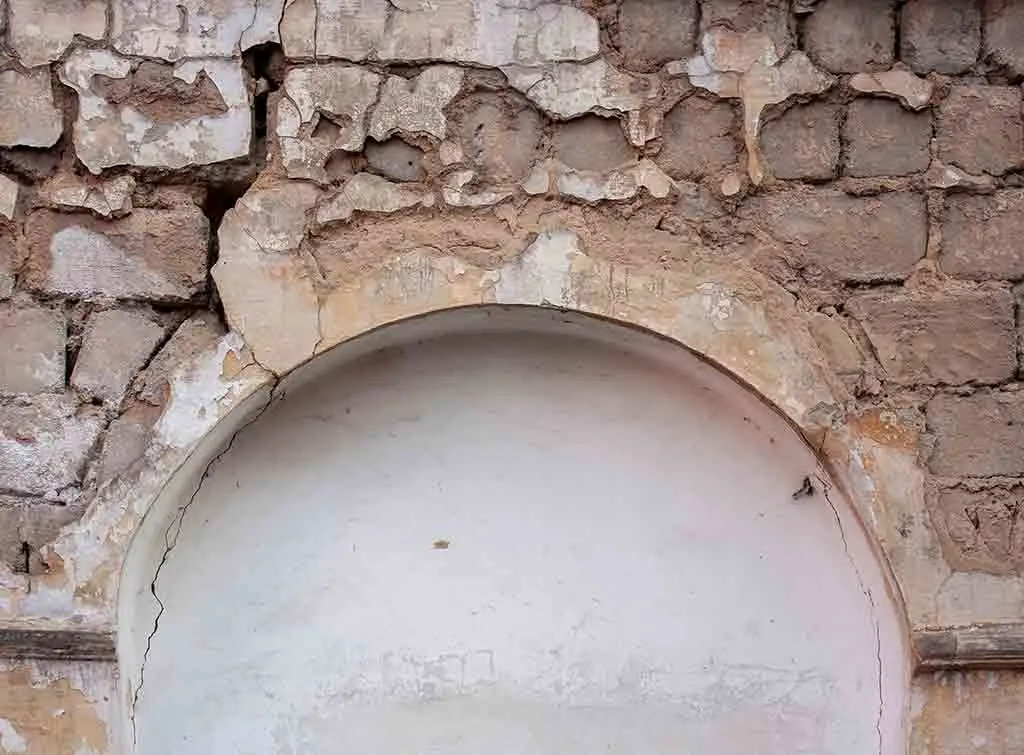
How to fix a cracked brick arch
Minor surface cracks can sometimes be filled yourself. However, a professional should always assess deeper cracks or signs of structural movement.
Hire a builder to repair a cracked brick arch if:
The crack is deep or getting worse
There are signs of subsidence or thermal movement
The arch supports part of the house
Bricks are loose, displaced or bowing
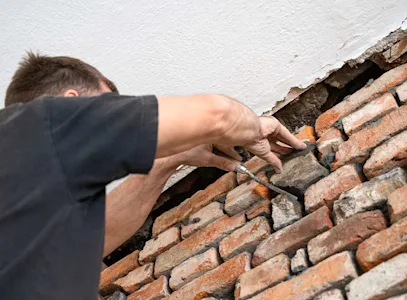
One common, relatively non-disruptive repair method uses helical stainless steel bars bonded into slots cut above the existing lintel. These reinforce the arch without rebuilding it. The slots can then be repointed to make the repair as discreet as possible.

A structural engineer can assess the arch and draw up a repair plan, which a bricklayer can then carry out. For more serious cases, a general builder may coordinate both.
How much does brick arch repair cost?
Where part of the brick surface has broken away (known as spalling), the average cost is around £12-£26 per brick.
However, repair costs all depend on:
The extent of the damage
The type of brick involved
When the repair involves reinforcing a lintel with helical bars rather than replacing bricks, costs will depend on:
The length of wall being reinforced
Whether scaffolding or access equipment is needed
For a full breakdown of factors affecting price, see our spalling brick repair cost guide.
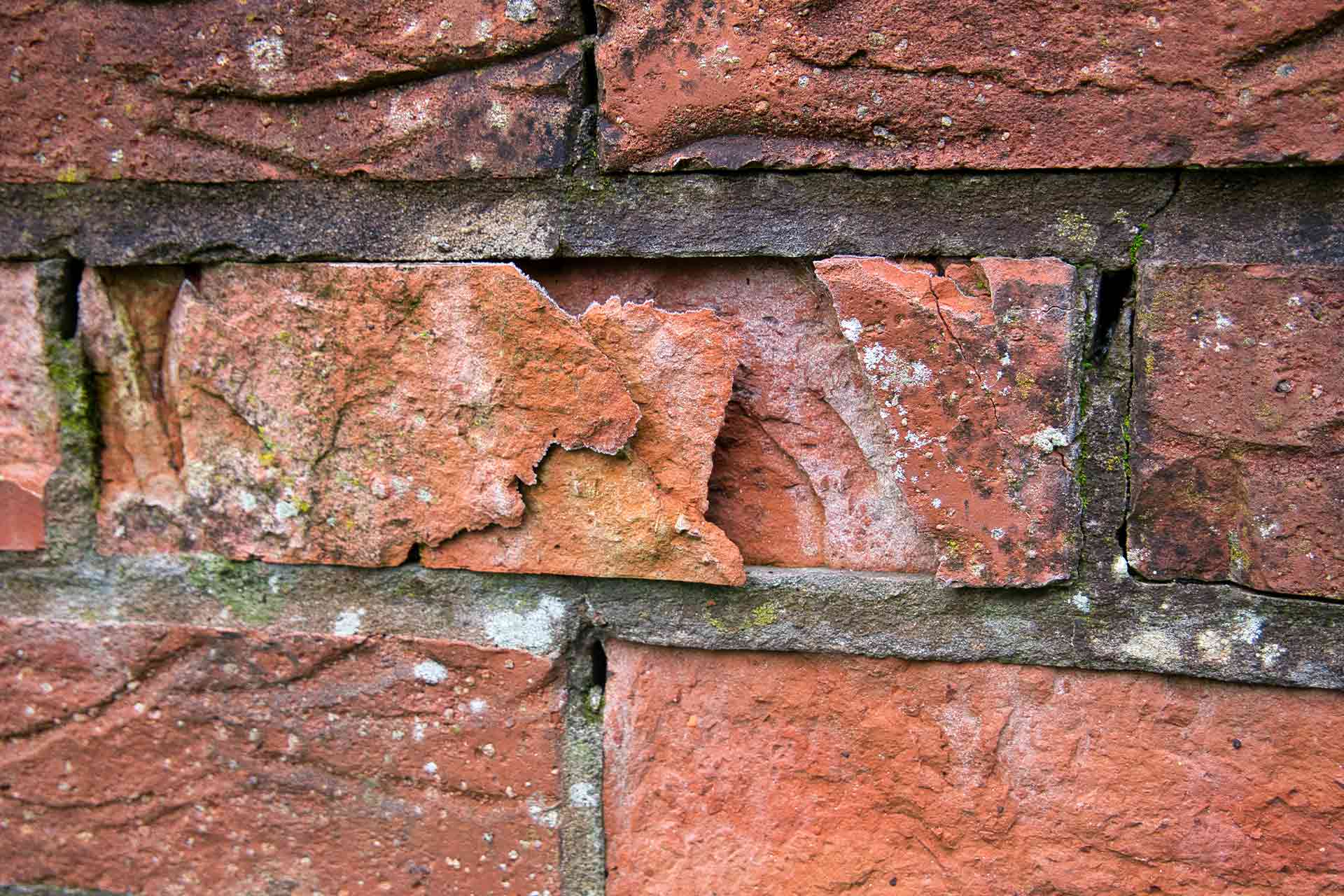
Spalling brick repair cost guide
If you’ve noticed your brickwork looking a bit damaged and broken or crumbling in parts, chances are you have spalling bricks to deal with. In this guide we look at the average spalling brick repair cost to get your bricks back on top form.
If the damage extends to the mortar joints around the arch, you may also need repointing.

Repointing costs: Price breakdown 2026 (UK)
Repointing restores the mortar that holds bricks or stone together, protecting your home from damp, heat loss, and structural damage. Discover how much repointing costs, what affects pricing, and how to budget accurately using our repointing cost calculator.
Brick arch repair cost: job estimator tool
Get an instant, AI-assisted estimate using our job estimator tool based on the size of your archway and your location.
Job Estimate Calculator

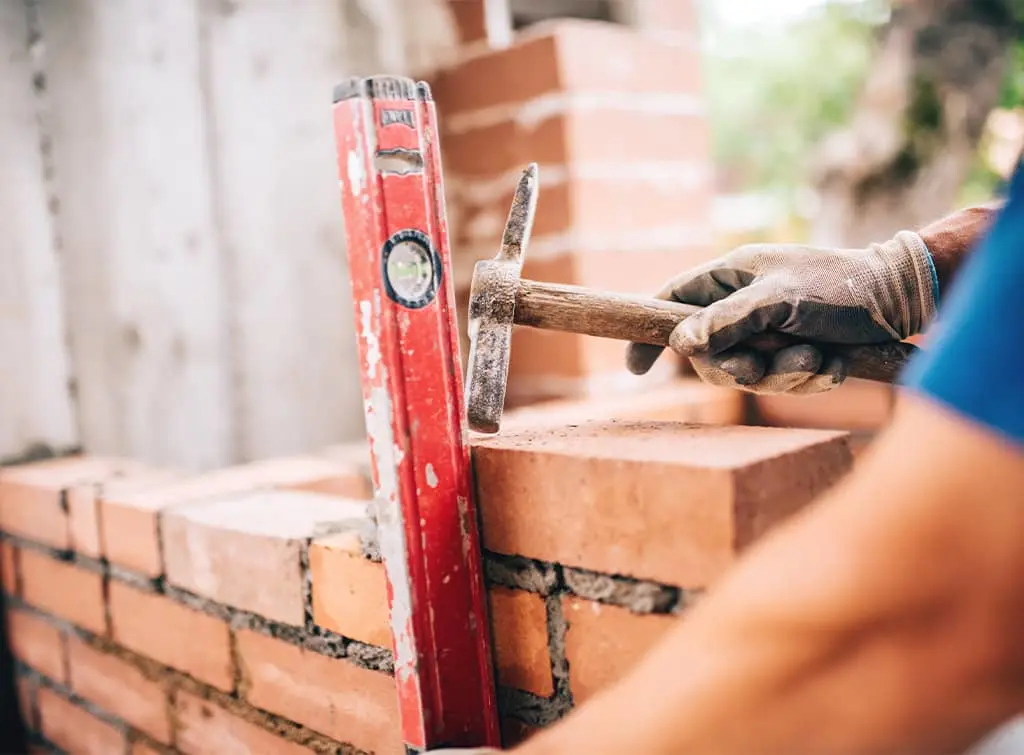
Which trade should you use for the job?
For anything beyond a minor surface crack, start with a structural engineer to assess the severity and draw up a repair plan.
A qualified builder or bricklayer can then carry out the work, whether that's helical bar reinforcement, lintel replacement, or rebuilding sections of the arch.
Download our free mobile app to find the checked tradespeople you need in just a few swipes.

Why use Checkatrade to find tradespeople near you?
Checked - Every Checkatrade provider must pass up to 12 checks and commit to upholding the Checkatrade Standard
Reviewed - Over 6.2 million reviews have been published on Checkatrade
Guaranteed - We guarantee Checkatrade tradespeople's work, up to £1,000 - T&Cs apply
Request a quote, search in the Checkatrade app, or enter your postcode to find experienced bricklayers, builders and structural engineers near you. It's that simple.
Final checklist

Before you repair a brick arch
FAQs
If you're worried about damage to your brick arch, try not to panic. Most brick arches can be repaired and made stable again. Get a professional builder or structural engineer to assess it as soon as you notice damage, rather than waiting, since delays tend to make the repair more extensive and expensive.
Cracked or spalled bricks are typically cut out and replaced, bedded in fresh mortar to match the surrounding brickwork.
Brick arches are self-supporting if they were correctly installed in the first place. They're prone to cracking and failure over time if the original installation was substandard, or if hidden support (like an old timber window frame) has since been removed.
Spalling brick repair costs around £12 - £26 per brick on average. Costs for lintel reinforcement or larger structural repairs will vary depending on the extent of the work. That's why it's best to get a quote from a structural engineer or bricklayer for an accurate figure.
Small, hairline cracks that don't widen over time are usually just settling in brick arches. Diagonal or step cracks that continue to grow, or cracks that span multiple openings, are more likely to indicate a structural issue and should be checked by a professional.
You don't always need a structural engineer to repair a brick arch. A straightforward lintel repair or brick replacement can often be handled by an experienced bricklayer or builder. But if there's any doubt about the cause of the cracking, or the arch supports significant weight, get a structural engineer's assessment first.
A correctly installed brick arch is surprisingly strong and self-supporting, and plays an integral structural role in many older homes. They're prone to failure when the original installation was poor, or when other elements (like an old timber window frame) quietly contributed support that's since been removed.
Bricks are designed to be strong and long-lasting, but they can still crack, particularly through a process called spalling, where the surface flakes, crumbles or breaks away due to water getting in and then freezing. Repairing cracked or spalled bricks is usually done by cutting out the damaged bricks and bedding new ones in mortar.
More Brick / Concrete Structural Repairs Articles
See the tradespeople we've checked for your job