Increasing Fire Safety In The Home
Updated 04/26
In partnership with: The Ministry of Housing, Communities & Local Government (MHCLG)

If a fire breaks out in your home, every second is crucial. The earlier you are warned, the greater the chance of making it out safely. But the truth is, too many people are still under-protected, relying on too few smoke alarms in too few places.
In partnership with The Ministry of Housing, Communities & Local Government (MHCLG), we have put together a guide to help increase safety in your home.
Fires can start in any room, at any time. By taking some simple steps, having more working smoke alarms in more places in your home, and planning and practising an escape plan, you can help keep yourself and others in your household safer from fire.
The facts are revealing:
You are around 11 times more likely to die from a fire if you don’t have any working smoke alarms in your home.
Smoke did not reach a smoke alarm in more than a third of fires in the home.
About 200 people a year die in fires in the home.
Beyond ensuring you have enough smoke alarms in your home, there are many more actions you can take to prevent a fire from happening and to make sure you have a plan for escape in case fire breaks out. The free Online Home Fire Safety tool allows you to carry out a thorough check of your home in only a few minutes.
Detect
Smoke alarms save lives, but only if they are in good working order and are in the right places.
Get more smoke alarms in more places to make sure you’re covered.
Having more smoke alarms in more places in your home increases your protection because if a fire breaks out in your home, every second is crucial.
Consider fitting smoke alarms in the most used rooms (including bedrooms). The best position is on ceilings, in the middle of rooms, hallways, and landings so they can be heard across the home.
Don’t fit smoke alarms in or near kitchens or bathrooms where steam may trigger false alarms. If you can’t fit alarms yourself, your local fire and rescue service may be able to help.
Test and maintain smoke alarms regularly
Test alarms at least once a month by pressing the button until it sounds. If any of your alarms have a one-year battery, replace them annually and never remove them except to replace.
If an alarm beeps regularly, replace the battery immediately. Clean alarms every six months by vacuuming to remove dust and replace the entire alarm every ten years. Mains-powered alarms are powered by your home power supply and have a back-up battery in case of a power cut.
They need to be installed by a qualified electrician and, like battery alarms, they do require testing. Some battery or mains alarms can be interlinked, so that when one alarm detects a fire they all go off together, giving you warning wherever you are in your home. These systems will need to be checked by electricians.

Find electricians near me
If you need electrical work done in your home, hiring a qualified electrician is essential for safety and peace of mind. Find local electricians near you with the help of Checkatrade.
You may also wish to install a heat alarm, which can detect fires in kitchens, where smoke alarms should not be placed.
The Government’s Fire Kills campaign recommends ten-year sealed battery smoke alarms. Although they are more expensive to buy, you save on not needing to replace batteries annually. Also, the smoke alarm should have a sealed battery compartment to prevent tampering or removal of the battery.
Prevent
Every year, fires in homes across England lead to many deaths and thousands of injuries. These fires are often preventable and you can take simple steps to protect you and your home.
Cook safely
Most fires start in the kitchen. Stay alert while cooking, especially whilst using hobs or hot oil. Keep children, pets, and loose items away from cookers, and always double check appliances are switched off before leaving the room.
Electrical safety
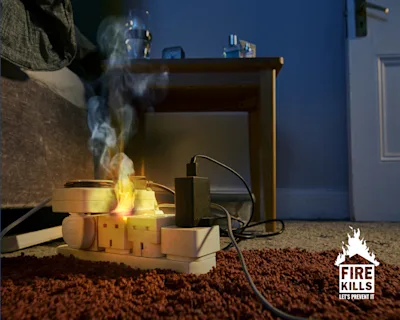
Faulty or overloaded electrics are a major fire risk. Only use one plug per socket and avoid overloading extension leads. Also buy appliances and chargers with proper safety marks and unplug devices when not in use.

Electrical safety check costs: Price breakdown 2026 (UK)
From electrical safety checks to electrical installation condition reports, these test can help keep your loved ones safe and secure. Find out the full costs here.
Heating
Keep portable heaters clear of curtains and furniture, never use them to dry clothes, and check electric blankets for wear and tear.
Furniture
Make sure furniture is fire-safe and carries a permanent fire-resistant label.
Smoking
Cigarettes are the biggest killer in domestic fires. Remember to stub cigarettes out fully, never smoke in bed, take extra care if you smoke when tired or taking prescribed drugs, and use sturdy ashtrays.
Candles
Candles should always be secured in proper holders, kept away from anything flammable, and extinguished when leaving the room.
Escape
Fire kills quickly. Smoke and toxic gases can overcome you in minutes, and fire can spread faster than you think. Having a clear escape plan and knowing what to do in an emergency could save your life and the lives of your family.
Know your routes
Fitting smoke alarms is the first step, but having a clear escape plan could save your life. Encourage people to plan and practise their escape routes and make sure everyone in the home knows them. The primary route should be the normal way in and out, but always identify a second route in case the first one is blocked.
Keep exits clear and accessible
Remember to keep doors, windows, and fire exits free from obstructions. Door and window keys should be stored where everyone can find them. If window locks are broken or jammed, seek assistance from a window lock repair company. If the windows have window restrictors, ensure all occupants know how to manually override these. Practising the escape plan regularly helps everyone remember what to do in an emergency.
For more information on any of the above, please visit the Fire Kills Campaign home page.