PLANNING GUIDES
What to do if brown rats are infesting your property
Updated 07/26
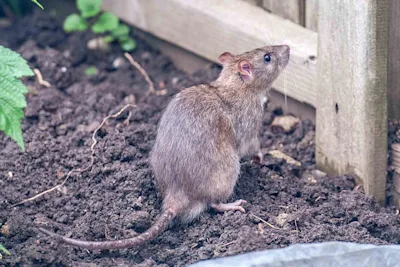
By: Content Team
Reviewed: Kim Staples

Whether they are infesting your home, commercial property or your agricultural spaces, brown rats can be the cause of a great deal of structural damage.
Brown rats - sometimes called the common or sewer rat - are one of the most widespread pests in the UK, and one of the most capable.
They're strong swimmers, competent climbers, and prolific burrowers... which means there are very few parts of a typical property they can't eventually reach if there's food or shelter on offer.
This guide covers everything you need to know if you suspect brown rats are infesting your property: how to identify them, the risks they pose, what to expect from pest control, and how to keep the rats from coming back.
What are brown rats, and why are they so hard to control?
The common brown rat, also known as the ‘sewer’ rat, is a prevalent vermin found across the whole of the UK.
It's the largest rat species in the country, typically measuring around 20-28cm in body length and weighing up to half a kilo.
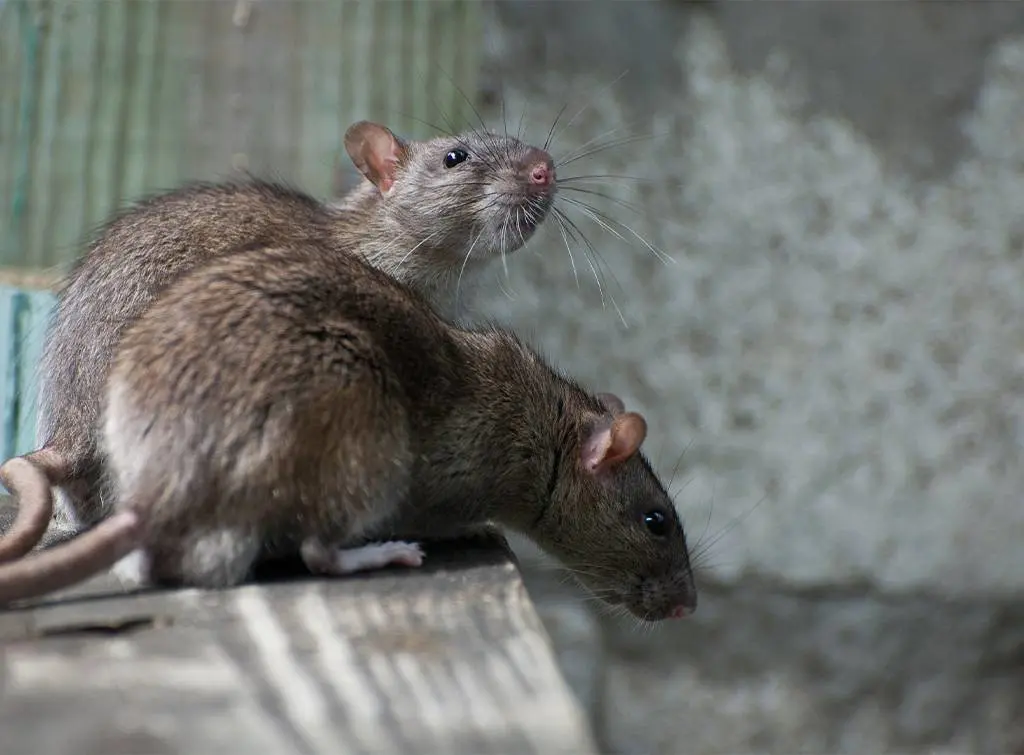
They're adaptable, highly mobile, and rapid breeders - a single female can produce several litters a year, each with up to 10 pups, so a small problem can turn into a large one quickly.
Brown rats also have excellent senses of taste, touch, and smell, along with sharp hearing that includes ultrasonic communication.
All of these things combined means they are tough creatures which thrive in a wide variety of habitats. And their combination of adaptability and intelligence is exactly what makes them so difficult to eliminate without professional help.
If you've seen one rat, assume there are more nearby. Rats are social animals that live in colonies, so a single sighting is rarely an isolated incident.
Can brown rats climb, swim, and burrow?
This trio of abilities is what makes brown rats such persistent invaders, and it's worth understanding each one so you know where to focus your prevention efforts.
Can brown rats climb?
Yes. Brown rats aren't as specialised for climbing as black rats, but they're still capable climbers, able to scale rough walls, pipes, cables, fences, and brickwork with grip from their claws and balance from their tail.
They're less likely to nest at height than black rats, but they will use a climbing route into a building if one is available.
Do brown rats burrow in soft ground?
Yes - burrowing is one of their defining traits. Brown rats dig extensive tunnel systems with multiple entrances and exits, often along foundations, under sheds, beside walls, and in garden borders or embankments.
These burrows can be used for generations and may include separate areas for nesting and food storage.
Can brown rats swim?
Yes, and they're excellent at it. Brown rats can swim on the surface and dive underwater, which is exactly why drains and sewer systems are such a common route into properties.
This is also why, in rare cases, rats have been known to appear via toilets connected to affected drainage.
If you have an outdoor pond, water feature, or are near a waterway, don't assume water is a natural barrier against rats - it rarely is.
What do brown rats eat, and why do they end up in gardens?
Brown rats are omnivores and will eat almost anything, but they're particularly drawn to accessible food sources like bird feeders, compost heaps, pet food left outdoors, and food waste in bins.

This is the main reason rats turn up in gardens - not because a garden is untidy or overgrown, but simply because it offers them an easy meal.
Seeing a rat in daylight doesn't necessarily mean a huge infestation, though it can be a sign that food and shelter are abundant enough that rats feel confident foraging outside their usual nocturnal hours.
What problems can a rat infestation cause?
Damage to property
Whether they are infesting your home, commercial property or your agricultural spaces, brown rats can be the cause of a great deal of structural damage.
That could include causing floods by puncturing pipes or chewing on gas pipes, causing dangerous leaks.
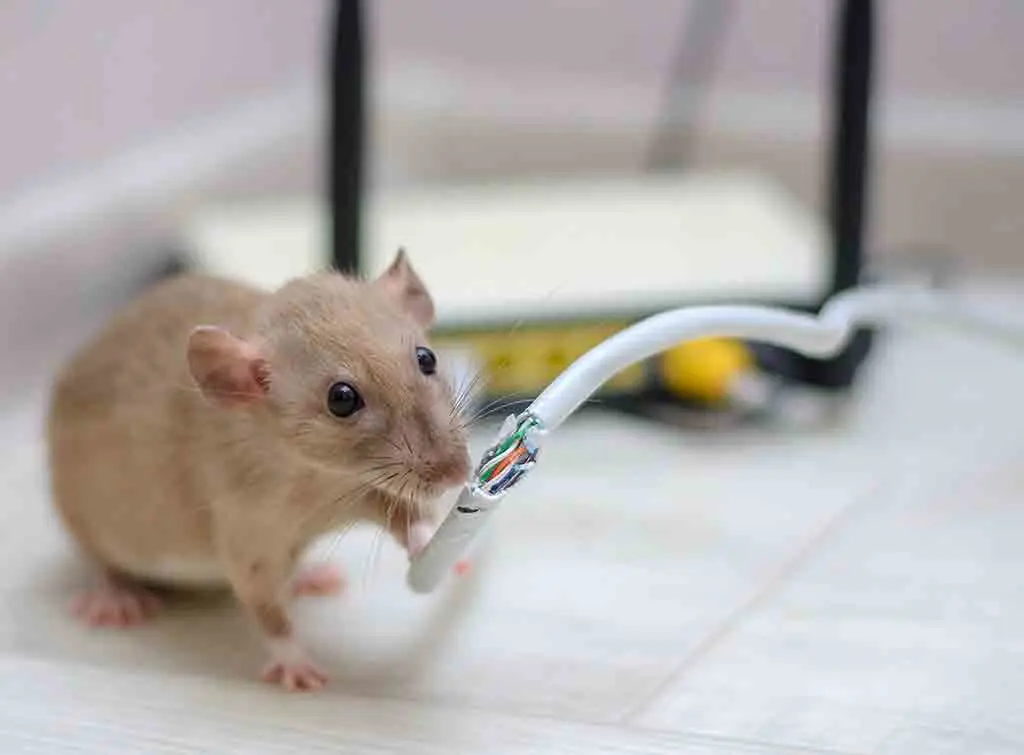
In some cases, they have even been the cause of serious fires due by gnawing away the insulation around electrical cables.
Carriers of disease
Not only can brown rats cause structural damage, but they are also carriers of many horrible diseases which can be passed onto humans.
These diseases include Leptospirosis, Salmonella, Listeria, Toxoplasma Gondii, and Hantavirus.
Damage to reputation
This is particularly damaging for businesses such as restaurants, take-aways and other any business which provide food.
Any sign of the presence of rodents is likely to put customers off of dining with you. You must take steps not only to handle any current infestations but to avoid those in the future.
Are brown rats dangerous?
Brown rats themselves rarely pose a direct physical threat to people. However, the diseases they carry and the structural damage they cause make them a genuine hazard to both health and property.
They can also bite if cornered or handled, which is another reason to leave removal to a trained professional rather than attempting it yourself.
What should you do if your property is infested by brown rats?
Have you noticed any signs of a rat infestation in your property - such as droppings, gnaw marks, burrows, or rat runs (the dark smear marks left along frequently used routes)?
If you have, you must take action to find out how to get rid of rats. With so many risks associated with having rats around, taking control of their population and contacting a local pest control service is essential.
Find a local pest control service

Enter your postcode to start browsing pest control services in your area. You can also post your job to hear back from local pest companies, or download the Checkatrade app to your smartphone.

A pest controller will typically:
Carry out a full site survey to identify entry points and the scale of the problem
Put together a treatment plan combining baiting, trapping, and access-point sealing
Investigate drains and other likely access routes, since these are a common cause of infestations
Advise on preventative measures to reduce the risk of the problem returning
For a breakdown of how much brown rat removal may cost, see our rat exterminator cost guide.

How much does rat extermination cost in 2026?
A rat infestation on your premises can lead to costly structural and cosmetic damage. Here we give an idea of average UK pest control costs for getting rid of rats.
How to prevent brown rats
There is a range of steps you can take to prevent brown rats from infesting your property in the future.
Seal gaps around pipes and under sheds (rats can fit through 15mm gaps)
Keep gardens tidy and cut back overgrown areas
Clear fallen fruit, food waste, and garden debris regularly
Avoid overfilling bird feeders
Check drain inspection covers are intact and well-fitted
Keep bin lids closed and secure
Store pet food indoors overnight
Although these steps may help to prevent rats from infesting your property, they will not completely eliminate any future infestations from occurring. Rats are hardy creatures which breed rapidly and thrive in such a wide range of habitats that anybody could experience an infestation at any time.
Yes, burrowing is one of their key traits. They dig extensive tunnel systems, often along foundations, under sheds, and in garden borders.
Yes, although less specialised for climbing than black rats. They can scale rough walls, pipes, cables, and brickwork where there's grip available.
No - rats need texture, ridges, or gaps to grip onto. A genuinely smooth vertical surface is much harder for them to climb.
Brown rats rarely pose a direct physical threat, but they carry diseases transmissible to humans and can cause serious structural damage, making them a real hazard to health and property.
Yes, brown rats are excellent swimmers and divers, both on the surface and underwater, which is why drains and sewers are a common entry route into your property.
Yes - they can swim considerable distances and dive underwater, often using drainage systems to move between locations.
Brown rats are found across almost all of the UK, particularly in urban areas, and are considered the dominant rat species in the country.
They're omnivores and will eat almost anything, but are especially drawn to bird feed, compost, pet food, and household food waste.
Contact a pest control service, who will survey the property, identify entry points, and put in place a tailored treatment and proofing plan.
Daytime sightings can happen when food and shelter are abundant, though rats are naturally nocturnal. It doesn't automatically indicate a large infestation, but it's worth investigating.

Want to know more about pest prevention methods? From understanding what different noises mean to checking average pricing, we've got it all ticked off.

See the tradespeople we've checked for your job