QUESTIONS
Can you spur a twin socket from an existing socket?
Updated 07/26
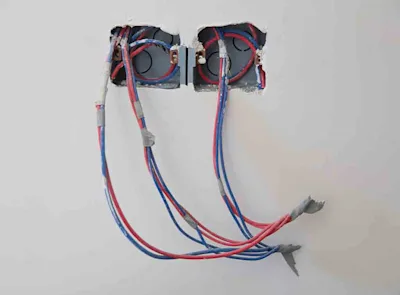
By: Adam Harris
Reviewed: Alex Peters
Electrical sockets are an essential part of any modern home. If you want to add an extra twin socket to an existing socket, you’ll need to ensure that it's 100% safe. Let's find out more.
Whether your existing socket can take a spur at all
The difference between a fused and unfused spur
Why a ring main behaves differently to a radial circuit
What happens if you get it wrong
When you legally need an electrician involved
Running short on sockets and wondering if you can just spur a new twin socket off an existing one?
Sometimes, yes. But it depends entirely on how your existing socket is wired, and getting it wrong risks overloading your circuit. Here's how to check, and why it's not always a simple DIY job.
Find qualified electricians working in your area
Can you spur a twin socket from an existing socket?
It depends on what the existing socket already is:
If it's part of the main ring circuit, you can usually add one spur from it, either an unfused spur feeding a single extra socket, or a fused spur (via a fused connection unit) that can feed multiple additional sockets
If it's already a spur itself (whether fused or unfused), you generally cannot add another spur from it. Spurring from a spur isn't standard practice and can overload the circuit
If it's a non-fused spur, no further sockets can be added at all
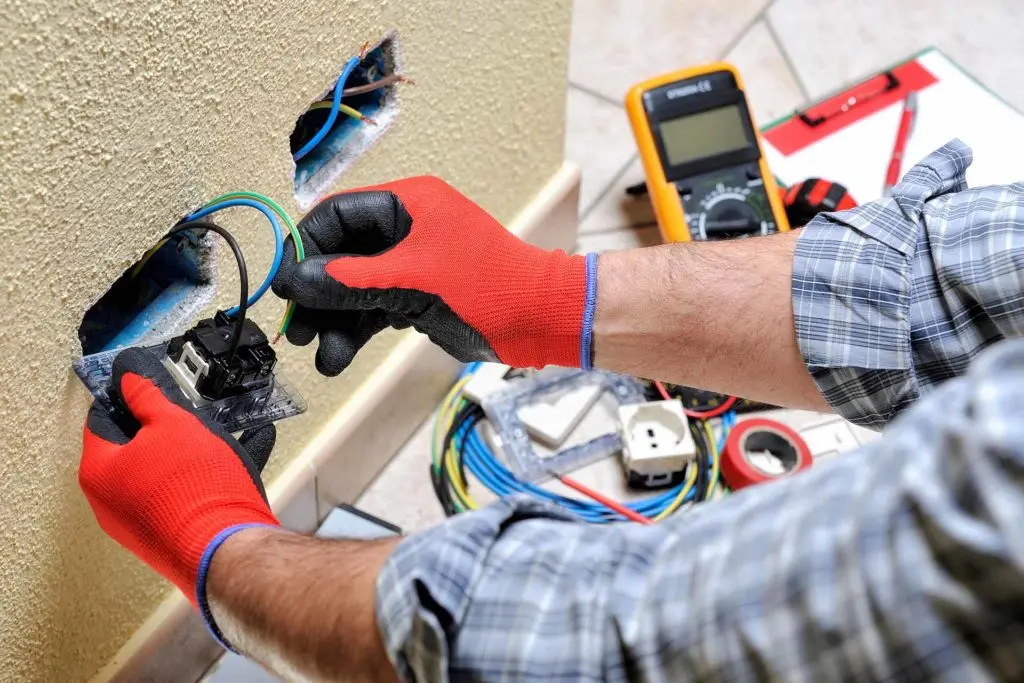
The safest way to know for sure is to have an electrician trace the circuit back to the consumer unit, since two cables at the back of a socket don't automatically mean it's on a ring main; it could just as easily be partway along a radial circuit.
Removing a socket faceplate to count cables can tell you a lot, but it won't confirm ring vs radial on its own. That needs a proper continuity test.
Fused vs unfused spurs, what's the difference?
| Unfused spur | Fused spur |
Feeds | One single or twin socket outlet only | Multiple sockets, via a fused connection unit |
Protection | Relies on the main circuit's protection | Has its own fuse (commonly 13A) to limit load |
Common use | Adding one extra outlet nearby | Adding several outlets, or feeding something like an FCU for an appliance |
Rule of thumb | Only one unfused spur per socket/junction box | Fused spurs can, in turn, feed several fused connection units |
As a general rule, only one spur (fused or unfused) is permitted per point on a ring main, and the total number of unfused spurs on a circuit shouldn't exceed the number of sockets and fixed appliances already on it.

If you're not confident tracing your own wiring, a qualified electrician can test the circuit and confirm what's safe to add before any work starts.
Why cable length and position matter
Beyond fused vs unfused, there are a few more technical limits worth knowing:
Unfused spur cable runs are generally kept short, often cited as no more than around an eighth of the ring's total cable length.
Spur cables should typically run vertically where buried in walls, not horizontally, and shouldn't sit inside insulation or floor voids where they could overheat.
The same cable size and type as the existing circuit should be used, commonly 2.5mm² twin and earth for a standard ring main.
Get any of this wrong and the risk isn't just a tripped fuse. Overloaded or badly routed cabling is a genuine fire risk.
Job Estimate Calculator

Can I do this myself?
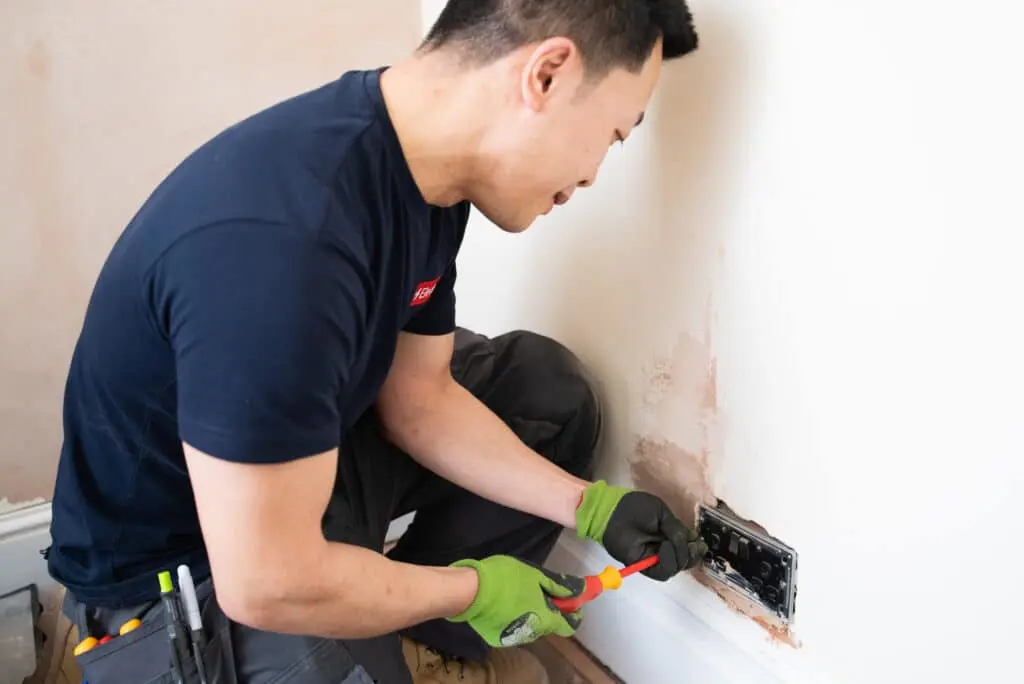
Legally, yes, minor electrical work like adding a socket or spurring from an existing one falls under work you're permitted to do yourself in England.
But there's an important catch: any alteration to your home's fixed wiring should still be tested by a qualified electrician afterwards, and certain additions (particularly in kitchens or bathrooms) may count as notifiable work under Part P of the Building Regulations, meaning it needs registering with your local council.
Skipping this step can:
Invalidate your home insurance if something goes wrong later
Leave you without proper certification when you come to sell
Create a genuine safety risk if the circuit is overloaded or badly connected
Even confident DIYers should still bring in an electrician for the final test and certificate. It's usually far cheaper than fixing a problem after a botched attempt leads to something going wrong.
How much does it cost to add a socket?
Costs depend on whether it's a simple spur off an existing socket or a longer run needing chased cable and a new circuit.
For a general sense of pricing, our cost guide for adding a plug socket breaks down typical UK rates, and our electrician hourly rate guide gives a sense of day-to-day labour costs.
New socket installation costs in the UK in 2026
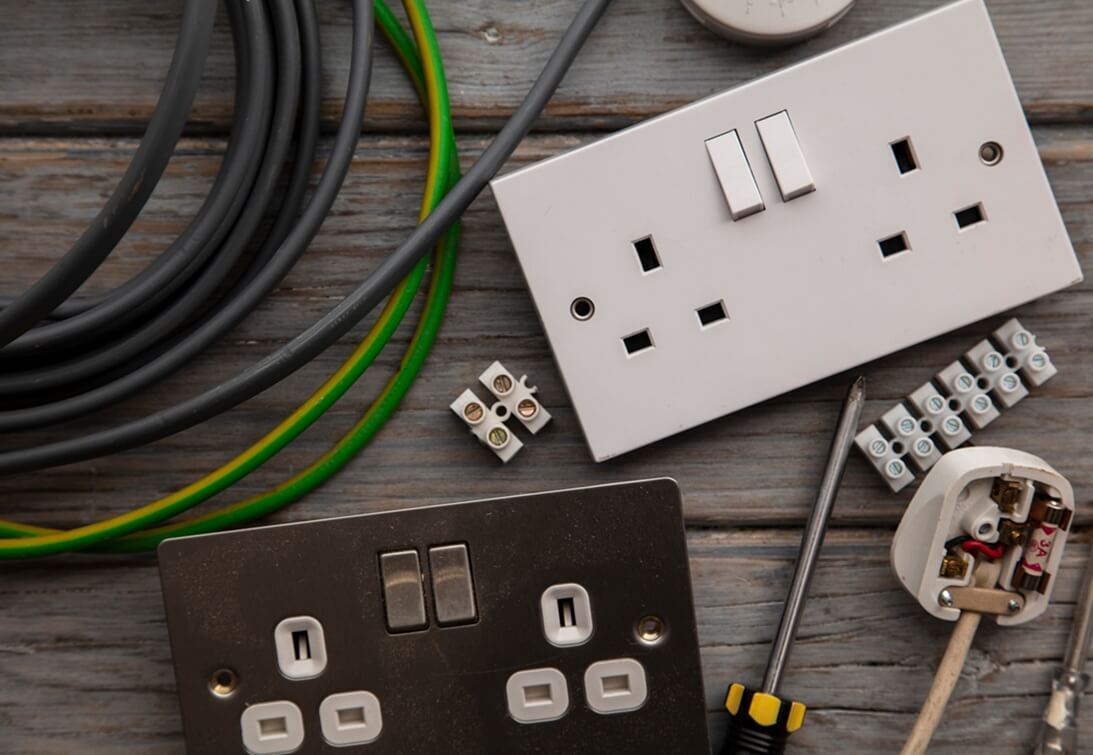
This guide explains typical new socket installation costs in the UK, including electrician costs per socket, outdoor socket prices, USB socket upgrades and the factors that can affect your final quote.

When to call an electrician instead of DIYing it
Bring in a professional if:
You're not certain whether the existing socket is on a ring, radial, or spur
The new socket needs to be more than a short cable run away
The work is in a kitchen, bathroom, or another notifiable location
You want the work tested and certified, which you'll need for insurance and any future house sale

Need reassurance? All tradespeople pass up to 12 checks before joining, and we keep checking after.

Before spurring a new socket...
Frequently asked questions
Can you spur a socket from a socket that's already a spur?
Generally no. Spurring from a spur isn't standard practice under the wiring regulations and risks overloading the circuit.
How many sockets can you spur from one ring main point?
Typically one spur per point, though a fused spur can then feed multiple additional sockets via its own fused connection unit.
Is spurring a socket a notifiable job under Part P?
Not usually for a straightforward addition to an existing circuit, but work in kitchens, bathrooms, or involving new circuits may be notifiable. Check with an electrician before starting.
What's the maximum cable length for an unfused spur?
There's no single fixed figure in metres, but a common rule of thumb is roughly an eighth of the ring's total cable length. An electrician can confirm what's safe for your specific circuit.
Can I fit a spur socket myself?
You're legally permitted to carry out minor electrical work like this in England, but the work should still be tested and, where relevant, certified by a qualified electrician afterwards.
How do I know if my socket is on a ring or a radial circuit?
The safest way is a continuity test carried out by an electrician. Counting cables at the back of a socket alone isn't a reliable way to tell.
Find an electrican near me
More Electrician Articles

See the tradespeople we've checked for your job