QUESTIONS
Do I need an electrician or a plumber to fix an air source heat pump?
Updated 05/26
By: Olivia Scammell
Reviewed: Alex Peters

If your air source heat pump has stopped working properly, you’re probably wondering one thing:
Who do I call to fix it?
And fair question. Heat pumps are a bit of a hybrid. Part heating system, part electrical kit. So the right person depends on what’s actually gone wrong.
In some cases, you’ll need an electrician. In others, a plumber or heating engineer. But because heat pumps combine both, the best option is often someone who works with heat pumps day in, day out.
Here’s how to tell who you might need and the signs it’s time to get things checked.
Choosing a plumber or electrician
Why you might want a plumber or heating engineer
How air source heat pumps work
When to consider calling an electrician
What about pump repair specialists
Signs to look out for
When to think about a DIY approach
Qualifications to check with a tradesperson
How air source heat pumps work
Air source heat pumps pull warmth from the outside air and use it to heat your home and hot water.
Unlike a gas boiler, they rely on both:
Electrical parts like fans, controls, sensors, and compressors
Pipework and water circulation to move heat around your home
So when something stops working, the fault could sit on either side of the system. Or sometimes both. Lucky you.
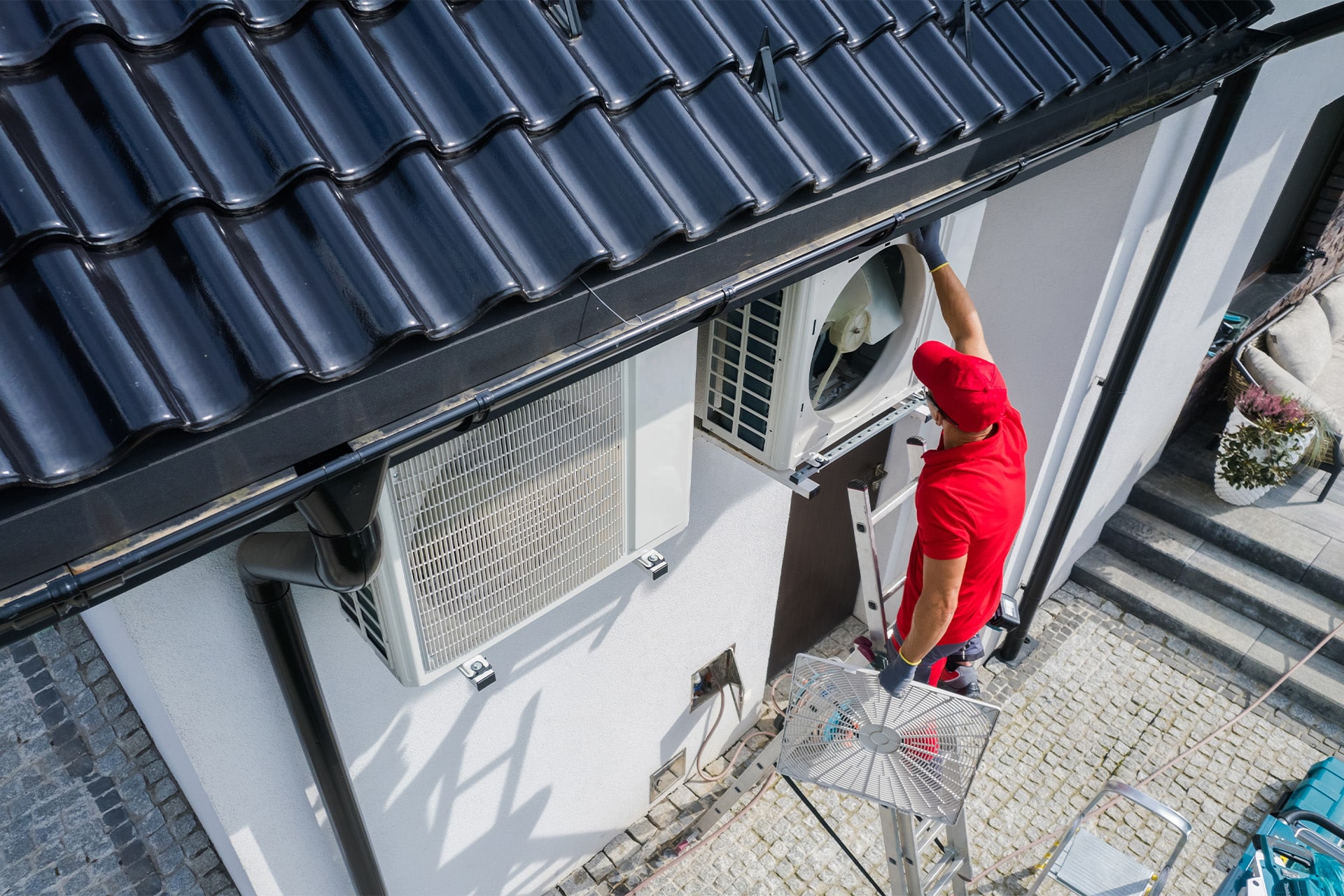
Find air source heat pump engineers near me
Search Checkatrade for reviewed air source heat pump engineers near you for installation, repairs, and maintenance.
When to call an electrician
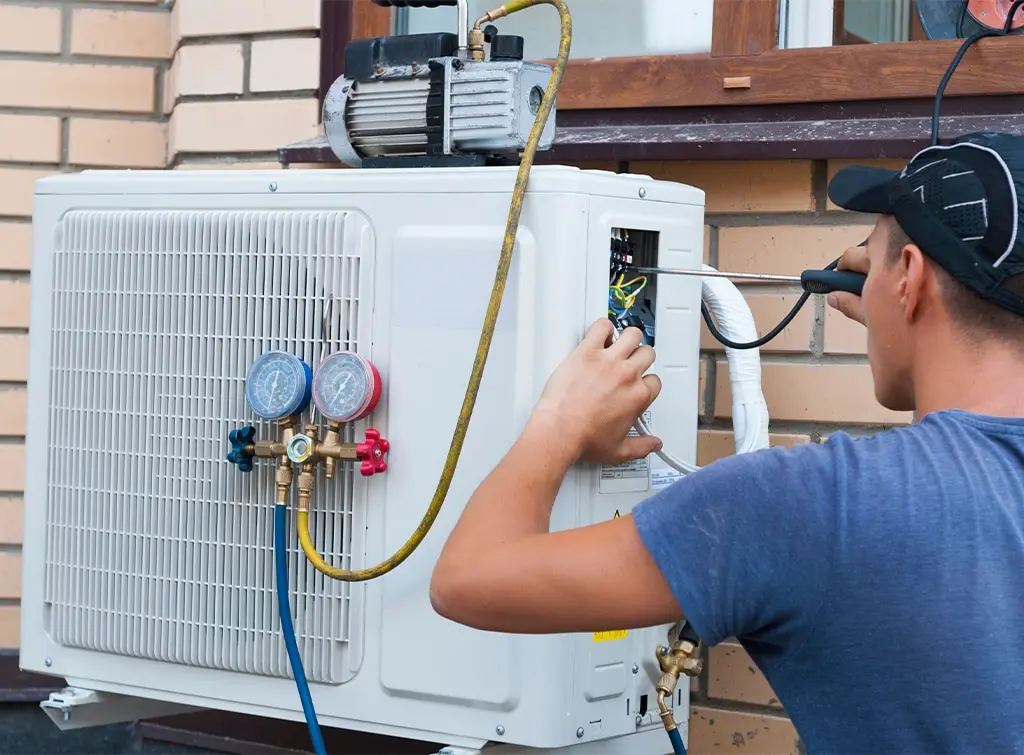
You’ll usually need an electrician if the problem looks electrical. Think power, controls, wiring, or anything causing the system to trip out.
Your heat pump won’t switch on
If there’s no sign of life at all, it could be caused by:
A tripped breaker
Blown fuse
Faulty wiring
Power supply problems
Failed control board
An electrician can safely test the system and work out what’s going on.
Your thermostat or controls aren’t behaving
Modern heat pumps rely heavily on digital controls and sensors. If your system is:
Ignoring temperature settings
Switching itself off
Showing error codes
Refusing to respond altogether
…there may be an electrical fault behind it.
Your fuse board keeps tripping
If the power cuts every time the heat pump starts running, don’t ignore it.
This could point to:
Electrical overloads
Short circuits
Faulty internal parts
Compressor issues
Definitely one for someone qualified. Not a “have a quick go yourself” situation.
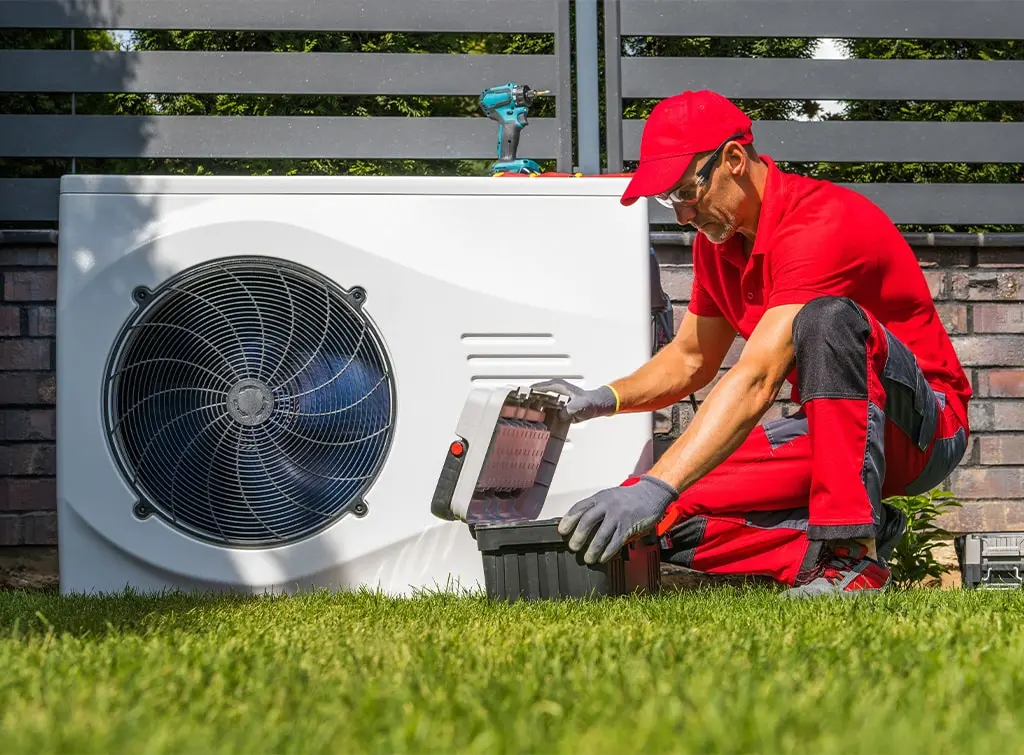
The outdoor unit has stopped working
The outside unit contains motors, fans, and electrical components.
If you notice:
Buzzing noises
Fans not spinning
Sudden shutdowns
…the fault may sit with the electrical side of the system.

How to find a good local electrician
In this guide we’ll give you tips to find a good electrician in your area, so that you can be confident you’ll hire someone you can rely on.

When to call a plumber or heating engineer
If the issue affects heating, hot water, pressure, or pipework, you’ll usually want a plumber or heating engineer.
Your radiators aren’t heating properly
Cold spots or lukewarm radiators can happen because of:
Air trapped in the system
Low pressure
Faulty pumps
Blocked pipes
Incorrect flow temperatures
A heating engineer can inspect the system and get things balanced properly again.
You’ve got no hot water
If the heat pump runs but your hot water doesn’t, the issue could involve:
Hot water cylinders
Valves
Pumps
Water circulation
A plumber or heating engineer should be able to track down the cause.
Your system is leaking
Leaks are never ideal. Especially indoors.
Common causes include:
Loose fittings
Damaged valves
Pipework problems
Frozen condensate pipes
And because water and electrical systems don’t exactly make great roommates, it’s worth getting leaks sorted quickly.
Your underfloor heating isn’t working properly
Some heat pumps connect to underfloor heating systems too.
If certain rooms stay cold, the issue may involve:
Manifolds
Pipe loops
Pumps
Zone controls
A heating engineer can test the system and pinpoint where things have gone off track.

When to call a heat pump specialist
In a lot of cases, the best option is a heat pump specialist.
That’s because heat pumps don’t work quite like traditional boilers. Someone with specific heat pump experience is more likely to understand:
Electrical diagnostics
Heating systems
Heat pump controls
Efficiency settings
Refrigeration components
Which usually means less guesswork. And hopefully fewer return visits.

Whether you want to make an old home more energy efficient, learn more about air source heat pumps, or discover eco-friendly ways to heat your home, at Checkatrade, we're here to help.
Signs your heat pump might need repairing
It’s worth getting things checked if you notice:
Higher energy bills
Strange noises
Reduced heating performance
Ice build-up on the outdoor unit
Water leaks
Frequent shutdowns
Error messages
No heating or hot water
Small faults can turn into bigger repair bills if left too long. Bit like ignoring the weird noise your car’s been making for three months.
Can you fix a heat pump yourself?
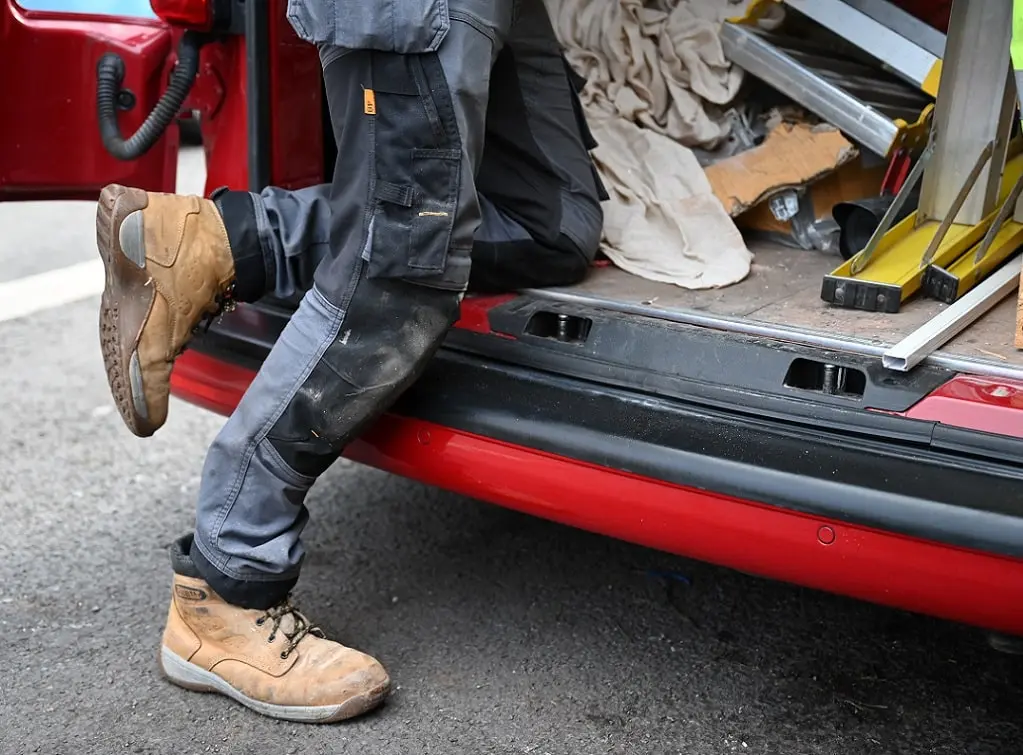
There are a few basic checks you can safely do yourself, including:
Resetting the system
Checking thermostat settings
Looking for tripped breakers
Clearing leaves or debris around the outdoor unit
But you should never:
Open electrical panels
Attempt wiring repairs
Handle refrigerant components
Adjust system pressure without training
Heat pumps are specialist systems. Getting it wrong can damage the unit or affect your warranty.
Air source heat pump engineers are specially trained to work on all the components of an air source heat pump system – whether that’s installing a new system or looking after an existing one.
What qualifications should a heat pump engineer have?
When hiring someone to repair your system, it’s worth checking for:
Experience with heat pumps
Manufacturer-approved training
MCS certification
Plumbing and heating qualifications
NICEIC or NAPIT registration for electrical work
The right experience can make a big difference when it comes to diagnosing faults quickly and safely.

Air source heat pump vs ground source heat pump: which is best?
Air source heat pump vs. ground source heat pump - we assess the key considerations to help you make the best choice for your home.
Electrician or plumber? Here’s the short answer
If the problem involves:
Power
Wiring
Controls
Electrical faults
…you’ll probably need an electrician.
If it involves:
Heating
Hot water
Leaks
Pressure
Pipework
…you’ll likely need a plumber or heating engineer.
But because heat pumps use both electrical and heating systems, a qualified heat pump specialist is often your safest bet for getting things sorted properly. A job done right, you could say.
Air source pump repair services near me
Enter your postcode to find a top tradesperson near you
London Heat Engineers Ltd
10.00
(149 reviews)Services & skills
Central HeatingAir Source Heat Pump Installation - ASHPEmergency Central Heating RepairSmart ThermostatsGas Boiler InstallationINNOSCOPE BUILDING SERVICES LTD
9.96
(20 reviews)Services & skills
Central HeatingAir Source Heat Pump Installation - ASHPLuma Mechanical & Electrical Ltd
10.00
(3 reviews)Services & skills
Central HeatingAir Source Heat Pump Installation - ASHPGas Safety Checks - CP12Smart ThermostatsGas Boiler InstallationAZ Plumbing Contractors Ltd
10.00
(251 reviews)Services & skills
Central HeatingAir Source Heat Pump Installation - ASHPGround Source Heat Pump Servicing / Repair - GSHPAir Source Heat Pump Servicing / Repair - ASHPEmergency Central Heating RepairRAPID PLUMB 247 LTD
10.00
(6 reviews)Services & skills
Central HeatingAir Source Heat Pump Installation - ASHPGas Safety Checks - CP12Gas Central Heating Servicing / RepairEmergency Central Heating RepairNotting Hill Gas & Heating Ltd
10.00
(123 reviews)Services & skills
Central HeatingAir Source Heat Pump Installation - ASHPGround Source Heat Pump Servicing / Repair - GSHPLPG Boiler InstallationGas Central Heating Installation


See the tradespeople we've checked for your job