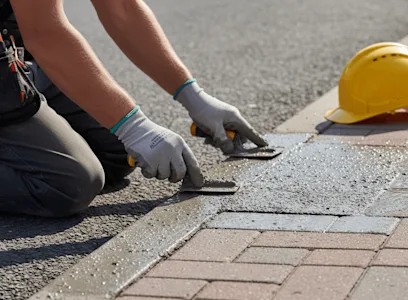
Find block paving companies near me
Search your postcode to find your local Checkatrade-approved tradespeople

Find a tradesperson near me
to view most relevant local trades, or search your postcode to browse more
MNB Paving Ltd
10.00
(82 reviews)Services & skills
Driveways / Patios / PathsBlock PavingConcrete DrivewaysEmergency Driveways / Patios / Paths ServiceGravel / Shingle DrivewaysMaster Value
10.00
(3 reviews)Services & skills
Driveways / Patios / PathsBlock PavingDriveway Cleaning / SealingPatterned Imprinted ConcretePatios / PavingR & Xhika Groundworks
10.00
(22 reviews)Services & skills
Driveways / Patios / PathsBlock PavingGrittingPermeable PavingSoakawaysALD Construction & Landscaping Ltd
10.00
(114 reviews)Services & skills
Driveways / Patios / PathsBlock PavingResin Bound SurfacingResin Bond SurfacingPermeable PavingHerts & Essex Landscapes
10.00
(99 reviews)Services & skills
Driveways / Patios / PathsBlock PavingConcrete DrivewaysSoakawaysPolished ConcreteStonecraft Paving Contractors Ltd
10.00
(317 reviews)Services & skills
Driveways / Patios / PathsBlock PavingTarmac DrivewaysResin Bound SurfacingPatios / Paving


Block paving installation involves preparing and laying interlocking paving blocks to create durable driveways, patios, paths, and outdoor spaces.
Whether you’re replacing a tired driveway, updating your front garden, or creating a new patio area, good block paving can completely change how your outside space looks and functions day-to-day.
This guide explains how to find experienced block paving companies near you, what block paving work involves, typical costs, and what to look for before you hire.
How to find block paving companies near you
A well-laid block paving driveway or patio should still look good years down the line, not just when the installer first leaves. Here’s how to find the right company for the job.
1. Search your postcode
Enter your postcode to browse block paving companies working in your area, whether you're in Blackpool, Bradford, Bristol or anywhere else in the UK.
2. Compare options
Read customer reviews, check photos of completed projects, and look for experience with driveways, patios, paths, or edging work similar to yours.
3. Request quotes
Getting a few quotes helps you compare pricing, timescales, and what’s included — especially where excavation or drainage work may be needed.
4. Use the Checkatrade app
Track messages, quotes and bookings all in one place using the Checkatrade app.
Find a local tradesperson
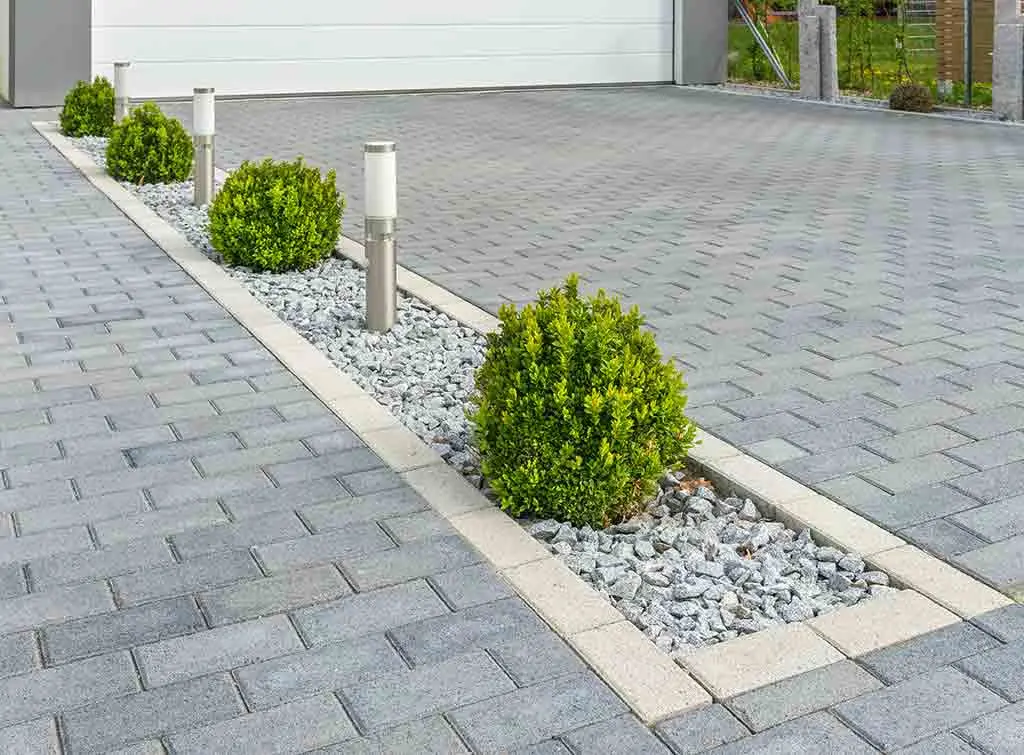
Find block paving contractors working in your area with Checkatrade
Block paving might look simple once it’s finished, but the groundwork underneath is what really determines how well it lasts. Poor preparation often leads to sinking, movement, puddling, or weeds appearing much sooner than expected.
Only tradespeople who pass our rigorous checks and commit to the Checkatrade Standard appear in our listings. That means you can compare checked block paving contractors with more confidence.
To find block paving companies working in your area, simply enter your postcode below.
"Completely satisfied with work carried out. Staff polite, knowledgeable and very hard working. They were tidy and we always had access to our door after each days work. Quality of work excellent with a great attention to detail throughout. A job well done."
Verified review, DRIVESTONE Limited, (Location SN14)
Find block paving companies in your area
Find related services you may need
Why not download the Checkatrade app for all the tradespeople you need at your fingertips?

Why might you need a block paving company?
Block paving is popular because it’s durable, practical, and gives you plenty of flexibility with colours, patterns, and finishes.
You might look to hire a block paving contractor if you're:
Installing a new driveway
Replacing cracked or uneven paving
Creating a patio or seating area
Improving kerb appeal
Adding paths or edging features
Improving drainage around your property
Good block paving starts below the surface. A driveway can look great when it’s first finished, but if the groundwork, drainage, or sub-base hasn’t been done properly, issues like sinking, movement, and puddles often show up later.
What does block paving installation involve?
Most block paving projects follow a similar process, although the preparation work can vary depending on the condition of the site.
Step 1: Preparing the area
The first step is excavating and clearing the existing surface to create space for the new sub-base and paving.
Step 2: Installing the sub-base
A strong sub-base is then laid underneath the paving — usually a compacted crushed stone material known as MOT Type 1.
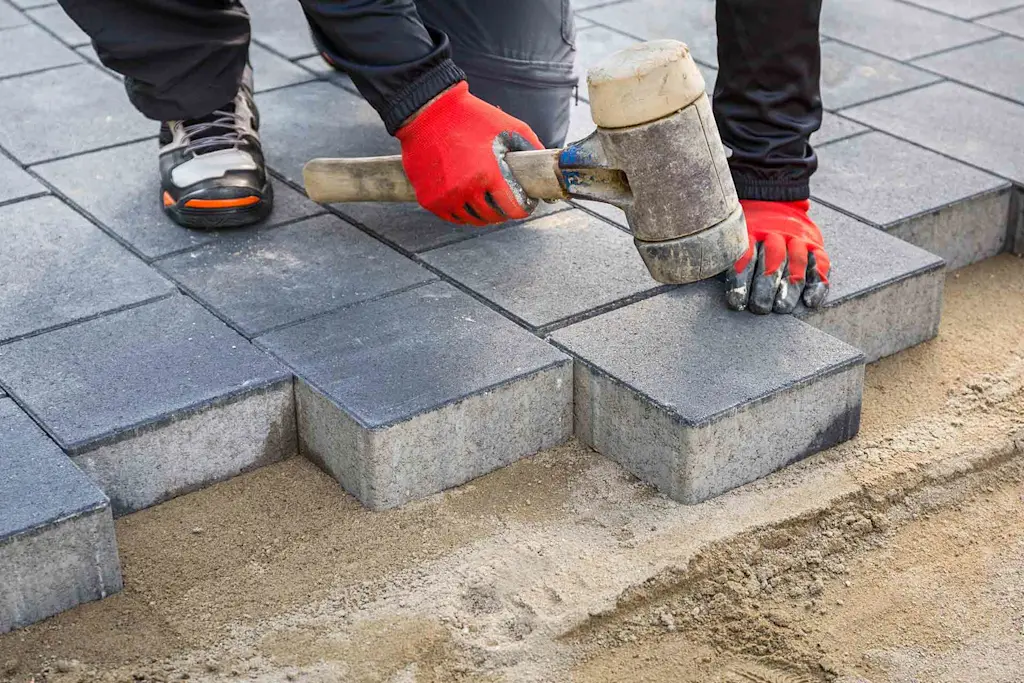
Step 3: Laying sand and paving blocks
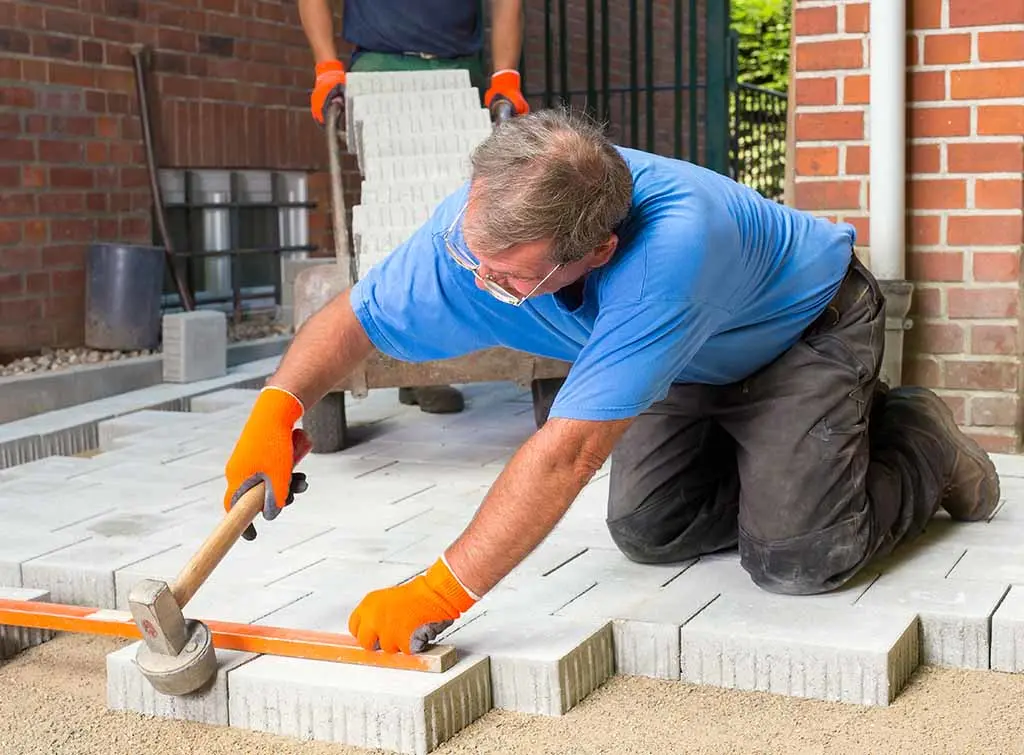
Sharp sand is spread and levelled before the paving blocks are carefully laid in your chosen pattern.
Step 4: Jointing and finishing
Kiln-dried sand is then brushed into the joints and the surface is compacted to lock everything into place.
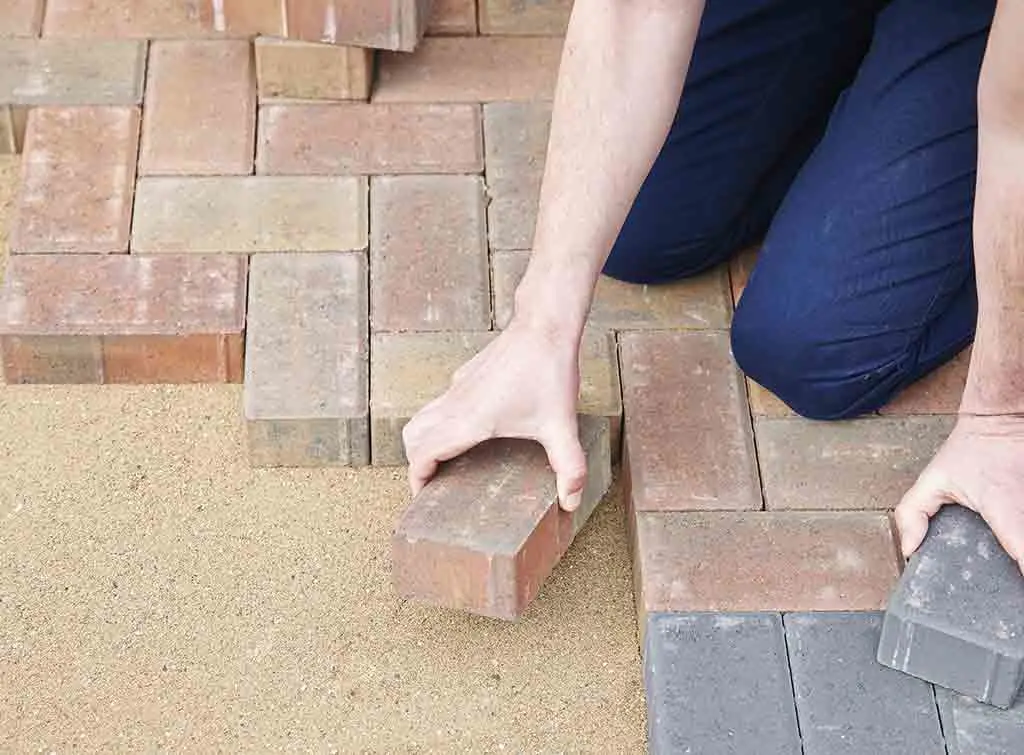
Choosing the right type of block paving
One of the reasons block paving is so popular is the amount of choice available.
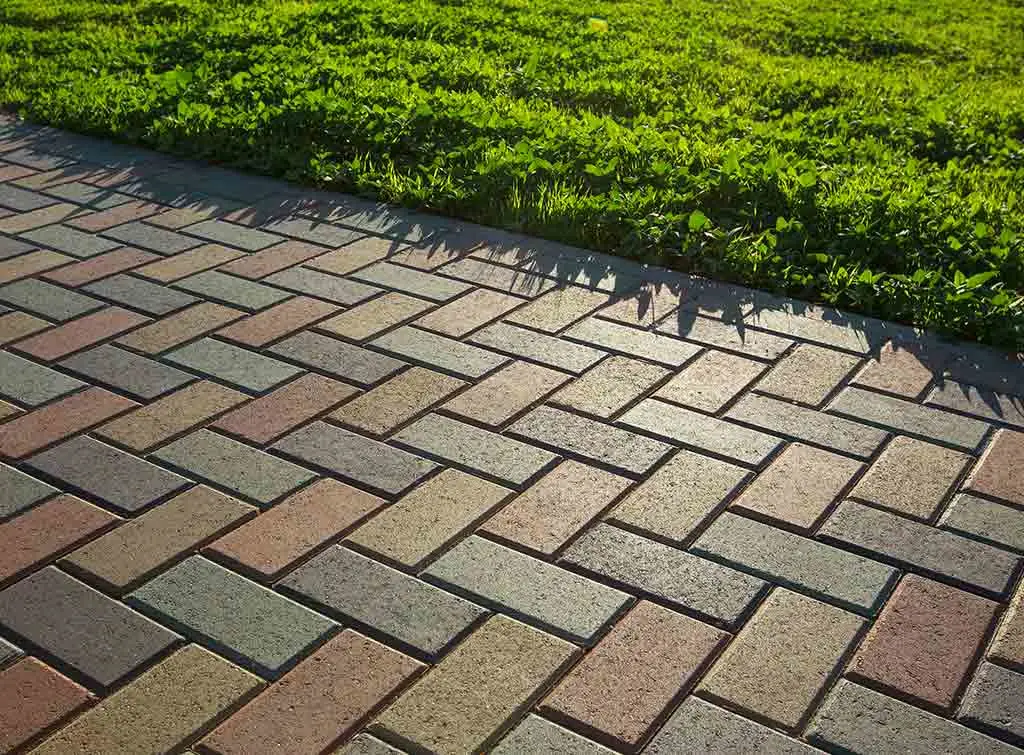
Some homeowners prefer a clean modern look using charcoal or grey blocks, while others choose brindle or warmer tones that blend more naturally with older brickwork.
Popular block paving colours include:
Grey
Charcoal
Brindle
Buff
Red
Silver
Heather
A good contractor should help you choose paving that suits your property and still looks right years from now, not just whatever happens to be trending.
Brindle is a popular mix of reddish-brown and charcoal shades that gives a softer, more traditional look than a single solid colour.
Block paving for driveways vs patios
The type of paving and preparation needed often depends on how the area will actually be used.
Driveways: Driveways need stronger foundations because they carry the weight of vehicles every day. Drainage is especially important here too, particularly on larger paved areas
Patios and paths: Patios and garden paths usually allow for more decorative finishes and patterns because they deal with lighter foot traffic rather than vehicles
If you’re replacing a front garden with block paving for parking, check whether drainage regulations apply. Some driveways may need permeable paving or additional drainage solutions.
How much does block paving cost?
Block paving costs vary depending on the size of the area, the complexity of the design, and the preparation work needed.
As a guide:
Block paving for a double driveway (approx. 50m²): around £5,500
Block paving cost per m²: around £100 (materials and installation)
The final price will also depend on the paving blocks you choose, site access, drainage requirements, and whether additional landscaping work is needed.
For a more detailed breakdown, including the cost of stone, concrete and permeable block paving, see our block paving cost guide.
Data verified by our professional estimators
Estimators are CIOB & RICS members
What affects the cost of block paving?
Several factors can influence the final price you’re quoted for block paving, including:
Size and shape of the area
Complexity of the design
Ground preparation needed
Drainage requirements
Type of paving chosen
Access to the site
Edging or additional landscaping
Getting a few quotes from checked local contractors is often the best way to understand what a reasonable price looks like in your area.
Common mistakes to avoid when hiring a block paving contractor
Choosing based on price alone
Skipping proper ground preparation
Forgetting about drainage
Not confirming what’s included in the quote
Choosing colours without seeing samples first
Booking without comparing quotes
Problems with block paving don’t appear straight away. Unfortunately, they often show up months later once the ground settles or bad weather hits, which is why it's worth doing your research before you hire.
We check the reviews on Checkatrade are from real people, and that trades meet our high standards.
Questions to ask before hiring a block paving company
Have you completed similar projects before?
What preparation work is included?
How will drainage be managed?
What type of sub-base do you use?
How long will the work take?
Does the quote include waste removal?
Can you show examples of previous work?
On Checkatrade, you'll only find trades who meet our high standards and pass up to 12 checks.
"From start to finish great service and work. Response to any questions was quick and informative. Sorted out any issues just like that. Would recommend any time."
Verified review, LB Construction, (Location TN40)
Why use Checkatrade to find trusted local tradespeople near me?
Checked - Every Checkatrade member must pass up to 12 checks and commit to upholding the Checkatrade Standard
Reviewed - Over 6.2 million verified reviews from real jobs have been published on Checkatrade on everything from communication, tidiness, timekeeping, and quality of work
Guaranteed - Jobs booked through Checkatrade are covered up to £1,000 (T&Cs apply)
Request a quote, search in the Checkatrade app, or enter your postcode below to find checked block paving companies covering your area.
Find a local tradesperson
FAQs
How long does block paving last?
A well-installed block paving driveway will often last around 15–20 years when properly maintained.
Does block paving add value to your home?
Block paving can add value to your home. A well-designed driveway or outdoor space often improves kerb appeal and may make a property more attractive to buyers.
How soon can you park on new block paving?
Most installers recommend waiting around 24–48 hours before parking on a newly laid block paved driveway, although this can vary depending on conditions.
Does block paving need sealing?
Sealing block paving isn’t essential, but many homeowners choose to do it to help reduce weeds, moss, staining, and colour fading. Most installers recommend waiting around six months before sealing new block paving so the jointing sand has time to settle fully. Once applied, sealant will usually last for a couple of years before it may need topping up again.
What goes underneath block paving?
Most block paving is installed over a compacted crushed stone sub-base known as MOT Type 1, usually laid to a depth of at least 10cm. A 5cm layer of damp sharp sand will then go on top of the sub-base before your block paving can be laid.
Do you need sand between block paving?
Yes. Kiln-dried jointing sand is brushed into the gaps between the paving blocks once they’ve been laid. This helps lock the blocks together and keeps the surface stable over time. The sand is usually brushed in gradually while the paving is compacted with a wacker plate, helping it settle properly into the joints.