COST GUIDES
How much does bee nest removal cost in 2026?
Updated 07/26

Fast Facts
Removing a beehive: from £60
Bee removal treatment: from £60
Removing bees from a wall: from £550
Discovering a bee nest in your garden, loft or wall can be worrying, especially if it's close to where your family spends time.
However, it's worth remembering that not every nest needs to be removed, and in many cases the bees can be safely relocated.
This guide explains typical bee removal costs, what affects the price and when it's worth contacting a beekeeper or a bee removal specialist.
How much does bee removal cost?
The cost of bee removal depends on the type of bees, where the nest is located and the method used to remove it.
Accessible nests are usually much quicker and cheaper to deal with than colonies inside walls or chimneys.
| Item | Cost - low | Cost - high |
|---|---|---|
| Removing a bee hive | £60 | £1,000 |
| Bee removal treatment | £60 | £350 |
| Remove bees from wall | £550 | £1,000 |
| Last updated: July 2026 Our costs are ballpark averages - get a local tradesperson to quote now | ||
Where possible, live removal or relocation is usually the preferred option. If the bees have built a nest inside a wall or another difficult-to-reach area, the work becomes more complex and costs increase accordingly.
Get a quote for bee removal near you
The easiest way to understand the likely cost of bee removal from your property is to compare a selection of quotes from checked specialists working in your area.
Find a specialist to remove a bee hive
Bee removal costs by type
The type of bee and where the nest is located have the biggest influence on the overall cost.
Removing a bee hive
Once bees have established a hive, removal becomes more involved.
Live bee removal typically costs £60–£1,000, depending on:
The size of the colony
The type of bee
How easy the hive is to access
Whether the bees can be safely relocated
Honeybee colonies are usually much larger than bumblebee nests, so they're often more time-consuming to remove.
If the colony has become well established, or the hive is hidden inside a roof, chimney or wall cavity, costs can increase significantly.
Where possible, honeybees are normally relocated rather than destroyed because they're important pollinators.
Because bumblebee colonies naturally die off towards the end of summer and rarely cause damage to homes, removal isn't always necessary. If the nest isn't creating a safety issue, waiting until the colony naturally disperses may be the simplest solution.
Removing a swarm of bees
A swarm of bees is usually easier to deal with than an established hive because the bees haven't settled into a permanent home.
If you've spotted a loose swarm of honeybees clustered on a tree, fence or similar surface, it's worth contacting the British Beekeepers Association (BBKA) first. Swarms can often be collected and relocated free of charge.
If specialist removal is needed, prices typically start from £60.

Where possible, relocation is usually preferred, as honey bees play an important role as pollinators.
Removing bees from a wall
Removing bees from a wall is usually the most expensive scenario because it's often the building work, not the bee removal itself, that increases the cost.
Typical costs range from £550–£1,000, depending on:
How accessible the colony is
Whether part of the wall needs opening up
Any repairs needed afterwards
Whether specialist access equipment is required
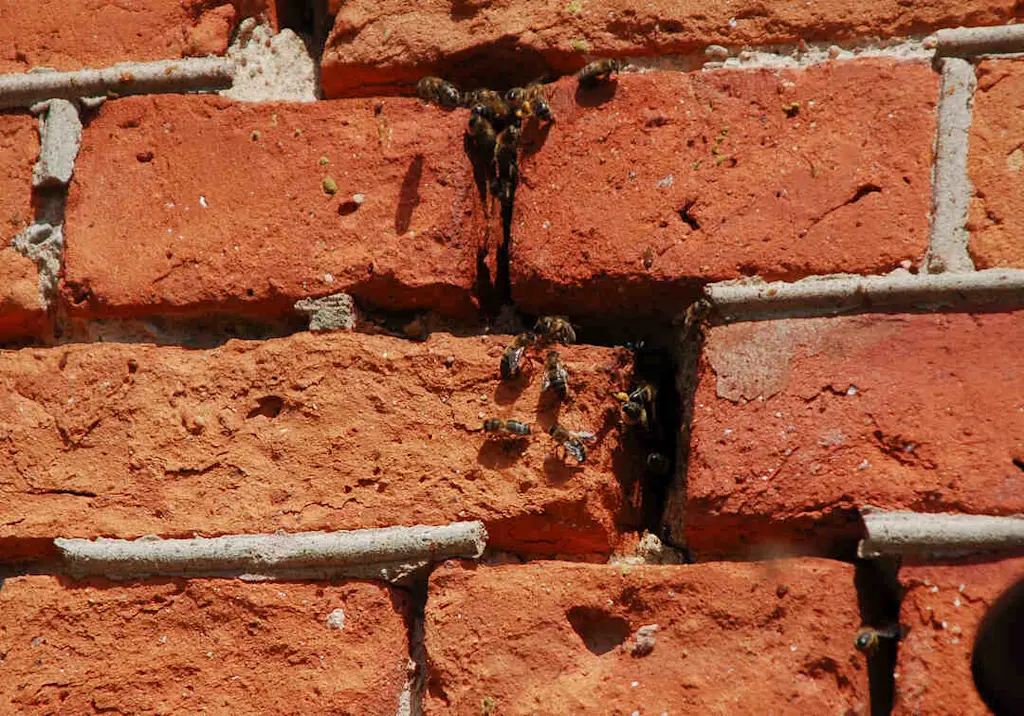
In some situations, a specialist may recommend a trap-out method rather than opening the wall. This takes longer but allows the colony to be relocated without major structural work.
What affects bee removal costs?
No two bee removal jobs are exactly the same. The final cost usually depends on:
The species of bee
The size of the colony
Whether the bees are indoors or outdoors
Ease of access
Whether live removal is possible
Your location within the UK
If you've found a loose swarm rather than an established nest, contacting a local beekeeper first could save you the cost of a professional visit.

On Checkatrade, you'll only find trades who meet our high standards and pass up to 12 checks.
How long does bee removal take?
Straightforward swarm collections and accessible nest removals are often completed within one to two hours.
More complex jobs, such as removing bees from wall cavities or chimneys, can take much longer.
If a trap-out method is used, relocating the colony can take six weeks or more.
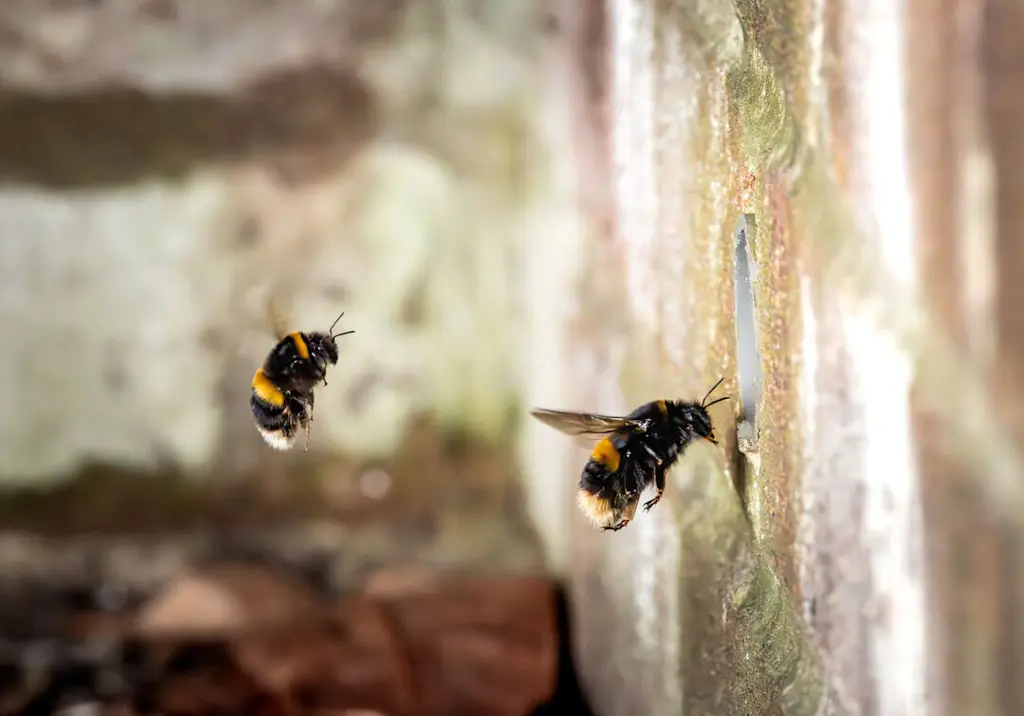
Bumblebees are less aggressive than honey bees and their nests rarely cause damage to homes. So if you need bees removed in the UK, they're most likely to be honeybees. But if you do have bumblebees, check whether removal is really necessary first.
Can you get bees removed for free?
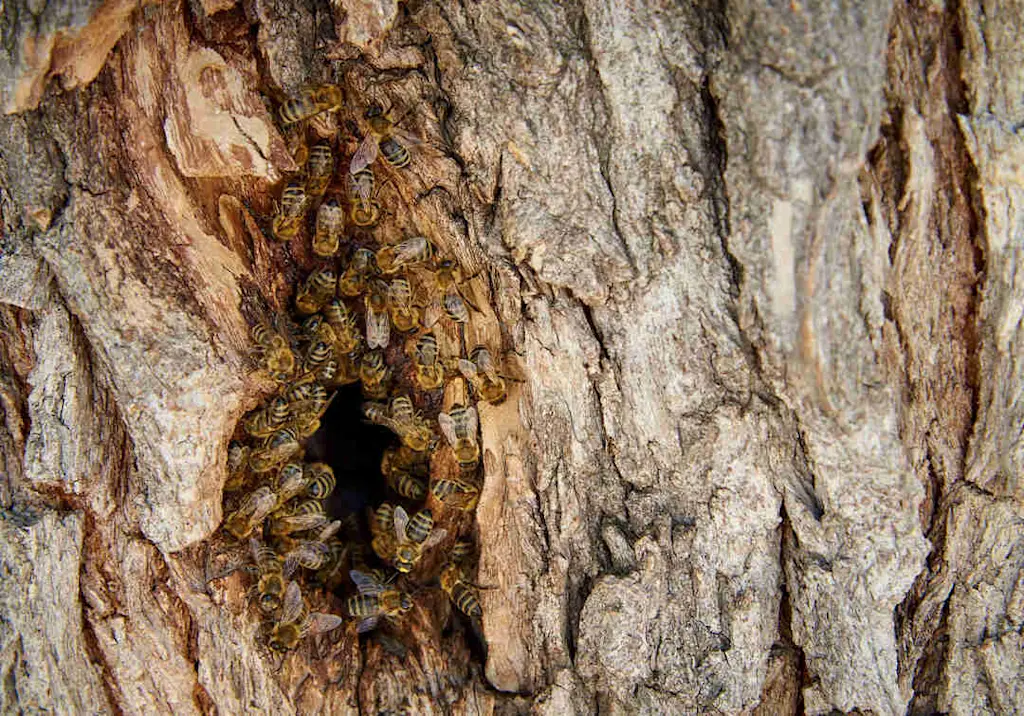
Sometimes, yes. If you've found a swarm of honeybees (rather than an established nest), it's worth contacting a local beekeeper before arranging professional removal.
Many beekeepers are happy to collect swarms free of charge because they can relocate them to an apiary.
If the bees have already established a nest inside a wall, roof or chimney, specialist removal is usually needed and charges will apply.
Is it legal to remove or kill bees?
Whether bees can be removed or treated depends on the species and the circumstances.
Where possible, live removal or relocation is generally preferred, particularly for honeybees because of their importance as pollinators. In many cases, a beekeeper can safely relocate the colony.
If the bees pose a genuine risk to people or cannot be safely relocated, other treatment options may be considered by a qualified specialist.
If you're unsure which type of bee you've found, seek advice before attempting to remove the nest yourself.
Bee removal cost calculator
The quickest way to estimate your budget is to consider the type of bees, where the nest is located and how easy it is to access.
Job Estimate Calculator

This calculator provides a guide price only. For an accurate figure, compare a selection of quotes from checked bee removal specialists working in your area.
Find a specialist to remove a bee hive
Benefits of using a checked bee removal specialist
Removing a bee nest isn't always as simple as it looks. A checked specialist can identify the type of bee, recommend the most appropriate approach and safely deal with nests that are difficult to access.
A checked bee removal specialist can:
Identify whether you've found honeybees, bumblebees or another species
Advise whether relocation is possible
Safely remove or treat nests where necessary
Access awkward locations such as lofts, chimneys and wall cavities
Explain any follow-up work that may be needed
On Checkatrade, you'll only find trades who meet our high standards and pass up to 12 checks.
Bee removal cost checklist

Before arranging bee removal:
Find a checked bee removal specialist
Finding a checked bee removal specialist through Checkatrade is straightforward.
When requesting quotes, it helps to include:
Where the bees are located
Whether they're inside or outside the property
The approximate size of the nest or swarm
Whether the bees appear to be honeybees, bumblebees or another species
Any access issues, such as lofts, roofs or wall cavities
Comparing a selection of quotes from checked specialists working in your area is the easiest way to understand your options and what's included in each quotation.
Find checked bee removal specialists near you
Enter your postcode to find a top tradesperson near you
Pestor Ltd
10.00
(23 reviews)Services & skills
Pest / Vermin ControlFumigationEmergency Pest / Vermin Control ServiceWasp Nest RemovalEVO Pest Control
10.00
(88 reviews)Services & skills
Pest / Vermin ControlFumigationEmergency Pest / Vermin Control ServiceWasp Nest RemovalM R Pest Control Environmental Services
10.00
(45 reviews)Services & skills
Pest / Vermin ControlBird Restriction MeasuresFumigationWildlife managementBaileys Pest Control
10.00
(111 reviews)Services & skills
Pest / Vermin ControlBird Restriction MeasuresWildlife managementEmergency Pest / Vermin Control ServiceFumigationPablos Pest Management
10.00
(6 reviews)Services & skills
Pest / Vermin ControlEmergency Pest / Vermin Control ServiceFumigationWasp Nest RemovalKillaverm Pest Control
10.00
(94 reviews)Services & skills
Pest / Vermin ControlFumigationEmergency Pest / Vermin Control ServiceWasp Nest Removal


Bee removal cost FAQs
Bee nest removal costs £60-£1,000+, depending on the species and where the nest is. Bumblebee treatment starts from around £60, honeybee removal from £60, and nests inside wall cavities or chimneys from £550.
Yes, in some cases. If you have a loose honeybee swarm (a cluster of bees that has not yet built a nest) a local beekeeper may collect them for free. Find a swarm collector through the British Beekeepers Association (BBKA). Established nests inside buildings normally need a paid specialist.
Bees are not a protected species, though regulations govern the pesticides that can be used. Live removal is always preferable where possible. Honeybees have significant ecological value and many pest controllers offer relocation as a first option.
Most bee removal jobs take one to two hours. A straightforward treatment or swarm collection can be done in under an hour, while honeybee nest removal from a wall or chimney can take a full day. The trap-out method, used when the wall cannot be opened, takes at least six weeks.
For a loose swarm, contacting a beekeeper through the BBKA is often free. For an established nest, removal treatment is usually cheaper than live removal, though live removal is better for the bees. Bumblebee nests can also be left alone if they're not causing a problem - they naturally die off by late summer.
For any established nest, yes. Removing a bee nest without proper equipment and protective gear risks serious stings, and using the wrong pesticide is illegal. A pest controller will identify the species correctly, apply the right treatment, and handle any post-removal clean-up.


See the tradespeople we've checked for your job