COST GUIDES
Earth bonding a gas meter cost: UK Prices 2026
Updated 07/26
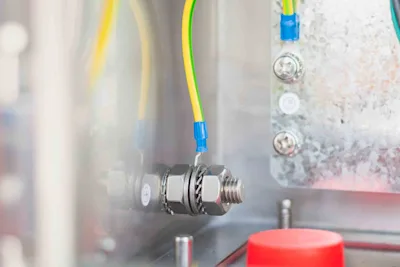
Has a gas engineer, smart meter installer, or surveyor told you that your gas meter earth bonding is missing or not up to current standards? Don't worry.
Read on to learn:
The average earth meter gas bonding cost in the UK
What's involved
Why hiring a qualified electrician matters
Fast Facts
Typical cost range: Between £65 and £230
Average UK cost: £147
Typical job time: Three to seven hours
How much does earth bonding a gas meter cost?
| Job description | Cost range low | Cost range high | Average UK Cost |
|---|---|---|---|
| Earth bonding | £65 | £230 | £147 |
| Last updated: July 2026 Our costs are ballpark averages - get a local tradesperson to quote now | |||
Earth bonding a gas meter might not be the most exciting home improvement you take on, but it's a legal requirement to protect you from electric shock if a fault occurs in your home.
Earth bonding a gas meter typically costs between £65 and £230, with the UK average sitting around £147 for a straightforward job.
All that said, costs vary depending on where you are in the UK, how accessible your meter is, and how many pipes need bonding.
For an exact quote, you're best off contacting an electrician directly.
Find qualified electricians near you
To price up for the job, download our free mobile app and connect with electricians we've checked and approved.


Electrician cost: Job estimator tool
Want to learn more about the costs involved? Try our free interactive cost calculator for an instant estimate.
Job Estimate Calculator

Don't let the word 'gas' fool you. Earth bonding to a gas meter is an electrical safety job, so you'll need a qualified electrician to install or repair the bonding conductor. If the gas meter itself needs moving or replacing, that's a job for a Gas Safe registered engineer.
What affects the cost of earth bonding?
Several things can push the price up or down:
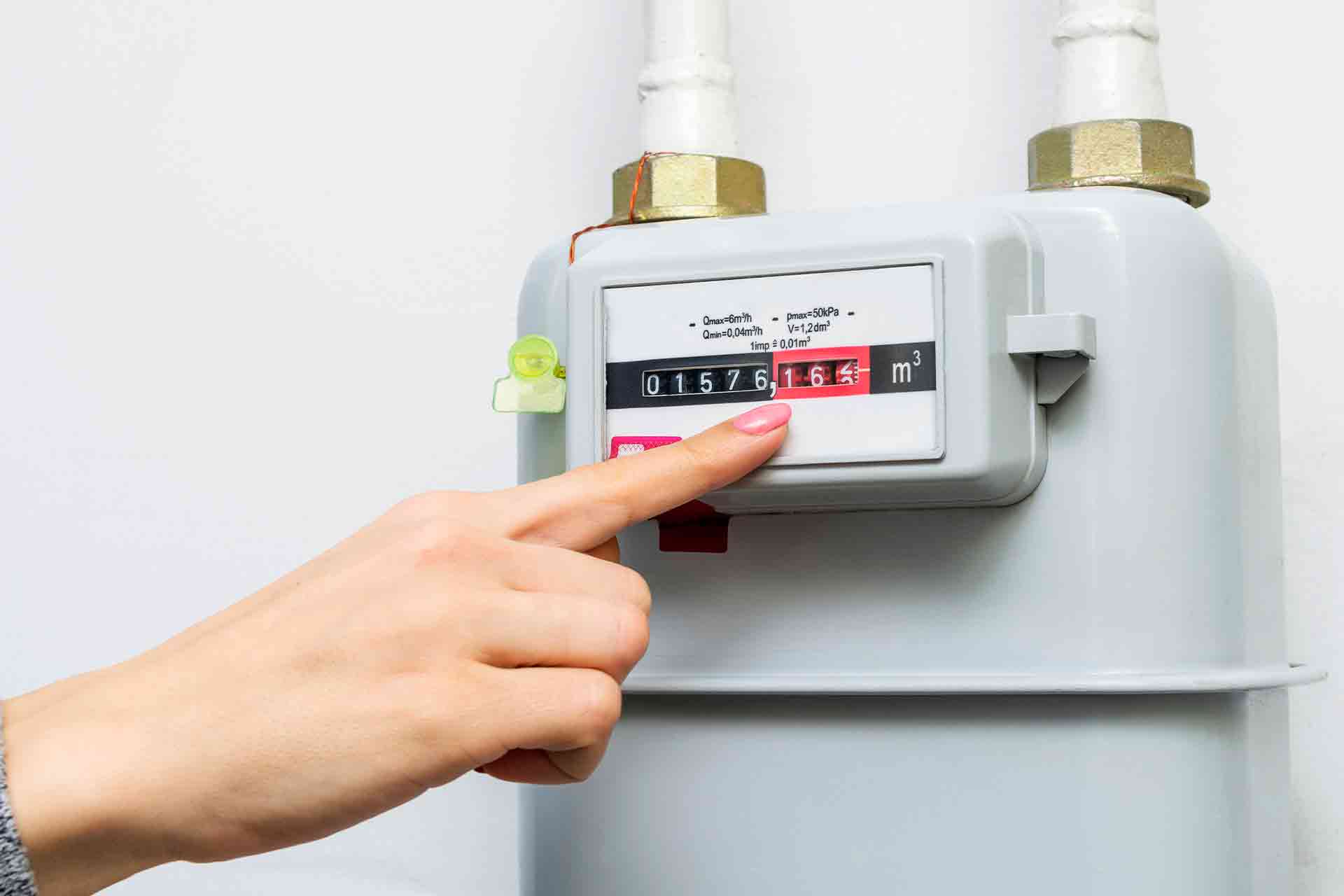
Accessibility – If your gas meter is inside a cupboard, behind cladding, or awkward to reach, expect the job to take longer and cost more. External meters in open meter boxes are straightforward
Cable routing – Running the earth bonding cable through walls or floors, rather than surface-mounting it, adds time and occasionally means a decorator needs to make good afterwards
Number of pipes to bond – Most homes just need the incoming gas supply pipe bonded. If water supply pipes also need attention, the cost increases
Location in the UK – Labour rates are higher in London and the South East due to demand
Whether a rewire is needed – If the existing cross bonding is significantly out of standard, the electrician may recommend a full or partial rewire. This is considerably more expensive, so get a precise quote before work begins
Find a trusted tradesperson in your area
Additional costs to budget for
An electrician usually handles the bonding itself, but depending on how the cable is run, you may need other tradespeople, such as:
A decorator – If the cable is run behind plaster or cladding, a painter/decorator will be needed to make good the surface
A plumber – If water supply pipes also need bonding alongside the gas meter, a plumber may be brought in. Ask your electrician up front whether this is needed

Having other electrical work done at the same time, such as an electrical safety inspection? Ask whether the bonding can be included in the same visit to save on call-out costs.
What does earth bonding involve?
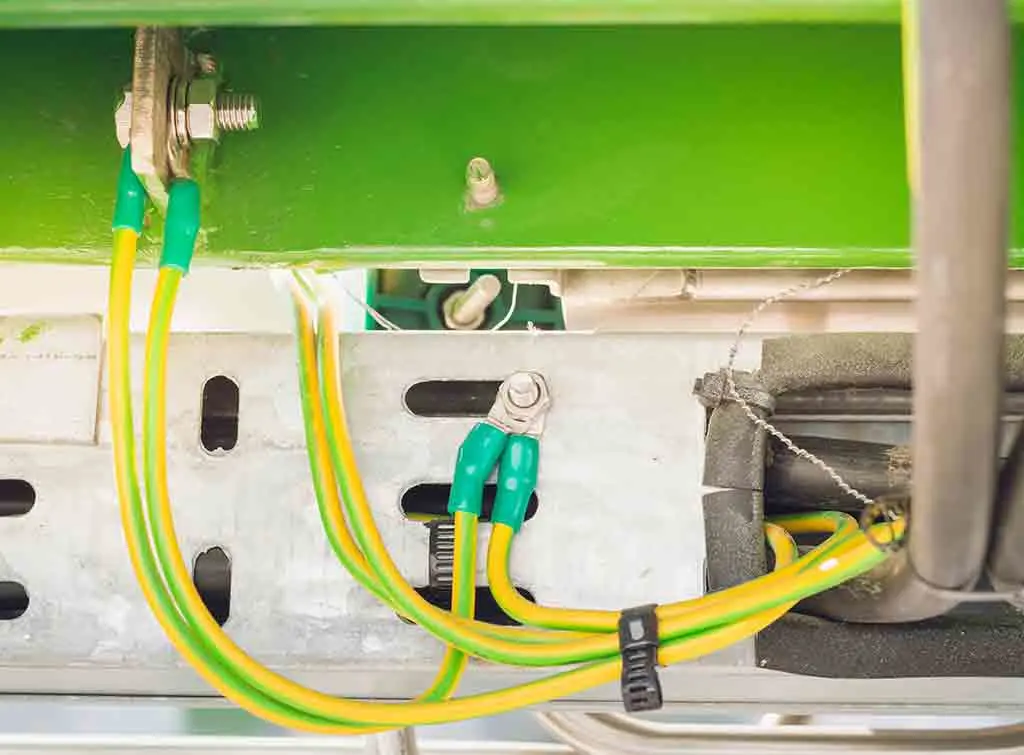
Earth bonding is an important electrical safety job that connects your home's metal gas and water pipes to the main earthing system.
During the installation, a qualified electrician will:
Install bonding cables – Connect thick green and yellow earth cables between the incoming gas and water pipes and the main earthing terminal at your consumer unit
Secure the connections – Fit approved bonding clamps close to where the pipes enter your home
Route cables safely – Run bonding cables neatly, which may involve lifting floorboards or drilling through walls if needed
Test the installation – Check the bonding meets current BS 7671 Wiring Regulations before signing off the work
Issue a Minor Electrical Installation Works Certificate – For proof of compliance
The job is usually completed by a qualified electrician, although a plumber may also be needed if pipework needs altering.
Most earth bonding jobs take three to seven hours, depending on how accessible the pipework and consumer unit are.
However, for exact timescales, you're always best off speaking to an electrician directly.
Find a trusted tradesperson in your area
Benefits of getting earth bonding done
Earth bonding removes the risk of your gas or water supply pipes becoming live conductors in the event of an electrical fault. Without it:
Metallic objects connected to those pipes, such as radiators, taps, and appliances, could deliver a serious electric shock on contact
You may not be able to pass an electrical safety inspection (EICR), which is now required for landlords and recommended for home sales
Your home insurance could be affected if an electrical fault is linked to missing protective bonding
But most important of all, it's the law. More on that next...
Earth bonding your gas meter is a one-time job with no ongoing maintenance. Once it's done to the current wiring regulations, it stays compliant.
Is earth bonding a legal requirement?
Earth bonding at the gas meter is a legal requirement under the current UK wiring regulations (BS 7671, 18th Edition). All metallic gas supply pipes entering a property must be connected to the protective equipotential bonding system.
However, there are two situations where bonding can be omitted:
The incoming metal pipe has an insulating section at the point of entry into the building.
Every final circuit in the property is protected by a 30mA RCD.
However, each property is different, and only a qualified electrician can confirm whether bonding is needed for your specific installation.
How to find a qualified electrician local to you
Use our quick and easy request a quote feature and we'll get experienced local electricians to contact you directly. To get accurate quotes, be as detailed as you can:
Where your gas meter is located and how accessible it is
Whether any water supply pipes also need bonding
Whether the cable will need to be hidden behind walls or can be surface-mounted
When the last electrical inspection (EICR) was carried out, if you know
Browse qualified electricians working in your local area
Enter your postcode to find a top tradesperson near you
- K
Krishna Trading Corporation Limited
10.00
(2 reviews)Services & skills
ElectricianFuseboard / Consumer Unit InstallationElectric Range CookersFault FindingImmersion Heater Installation What Electrics! Ltd
10.00
(66 reviews)Services & skills
ElectricianFuseboard / Consumer Unit InstallationStorage HeatingElectric StovesHot Tub WiringJoseph & Joseph Electrical Ltd
10.00
(25 reviews)Services & skills
ElectricianFuseboard / Consumer Unit InstallationHot Tub WiringElectric StovesHouse RewiringD.E.C Electrical
10.00
(85 reviews)Services & skills
ElectricianFuseboard / Consumer Unit InstallationElectrical ContractorsElectrical Under Floor Heating InstallationHot Tub WiringLondoners Electric Ltd
10.00
(50 reviews)Services & skills
ElectricianFuseboard / Consumer Unit InstallationElectric Gate WiringElectrical Heater RepairSmoke AlarmsSinera Electrical And Property Maintenance Ltd
10.00
(23 reviews)Services & skills
ElectricianFuseboard / Consumer Unit InstallationElectric Vehicle Charger InstallationFault FindingEmergency Electrician Service


Why use Checkatrade?
Checked - Every Checkatrade member must pass up to 12 checks and commit to upholding the Checkatrade Standard
Guaranteed - Jobs booked through Checkatrade are covered up to £1,000 (T&Cs apply)
Reviewed - Over 6.2 million verified reviews

How much does earth bonding a gas meter cost? checklist
Before hiring an electrician for earth bonding, bear in mind:
Earth bonding gas meter FAQs
Earth bonding connects your gas supply pipe to the earth terminal in your consumer unit using a thick copper cable. This means that if a fault makes the pipe live, the current is safely diverted rather than passing through anyone who touches a radiator or appliance. It's a legal requirement under UK wiring regulations (BS 7671) for all metallic incoming supply pipes.
Under the 18th Edition of the UK wiring regulations (BS 7671), metallic gas supply pipes entering a property must be connected to the protective equipotential bonding system. The only exceptions are where the pipe has an insulating section at the point of entry, or where every final circuit is protected by a 30mA RCD. If in any doubt, always seek the professional advice of a qualified electrician.
The homeowner is responsible for ensuring earth bonding is in place. It's your property, and any electrical deficiency is yours to fix. A gas engineer or home surveyor may flag that it's missing, but the work itself must be carried out by a qualified electrician registered to a government-approved scheme (NICEIC or NAPIT).
Accessibility is the biggest factor when working out the cost of earth bonding: an external meter in an open meter box is the quickest to work on. The number of pipes to bond and your location in the UK all affect the final price too. If the existing installation is significantly out of standard, a more extensive rewire may be needed.
Without protective bonding, a fault in your electrical installation could make the incoming gas pipe act as a conductor. Metallic objects connected to it, such as radiators, taps, and appliances, could then deliver a serious electric shock on contact. You'll also fail an EICR (electrical safety inspection), which is now required for rented properties and increasingly expected when selling a home.
A qualified electrician carrying out an EICR or periodic inspection will check for missing bonding. You may also be told by a gas engineer during an annual service, a smart meter installation engineer, or a surveyor during a property sale or purchase. If you're unsure, book an inspection: it's the only reliable way to confirm whether your installation meets current standards.
Most earth bonding jobs take a qualified electrician three to seven hours to complete. A straightforward job on an accessible external meter can be done in three hours or less. If cables need to be run through internal walls, or if additional pipes need bonding at the same time, the job runs closer to the upper end.
More Fuseboard / Consumer Unit Installation Articles
See the tradespeople we've checked for your job