EXPERT ADVICE
What's the difference between building regulations and planning permission?
Updated 07/26
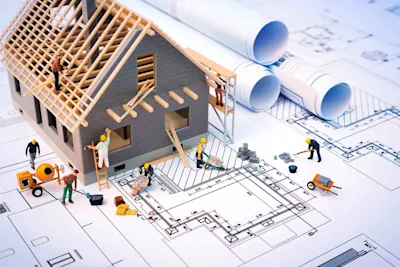
By: Content Team
Reviewed: Laura Macdonald

One of the first questions many homeowners ask when planning a home improvement project is whether they need planning permission, building regulations approval, or both. It's easy to confuse them because they're often mentioned together.
But while they both involve your local authority and your renovation plans, they do very different jobs.
Once you understand what each one does, it's much easier to work out which approvals your own project needs.
Whether you're planning an extension, converting your loft, knocking through a wall or building a garden room, knowing which approvals apply can save a lot of time, money and stress later on.
This guide explains the difference between planning permission and building regulations, when you might need one or both, and the common situations that catch homeowners out.
The difference between planning permission and building regulations
Whether your project needs one or both approvals
When building regulations apply without planning permission
What building control does
What happens if work starts without the right approval
Typical planning permission costs
When it's worth getting professional advice
Do I need planning permission, building regulations, or both?
This is the question most homeowners really want answered. The answer depends on the type of work you're planning.
Some projects need both planning permission and building regulations approval
Others only need one
And for some smaller jobs, you may not need either
Here's a simple guide:
| Project | Planning permission | Building regulations |
|---|---|---|
| Internal wall removal | Usually no | Usually yes |
| New boiler | Usually no | Usually yes |
| Small rear extension | Sometimes | Usually yes |
| Loft conversion | Sometimes | Usually yes |
| Large extension | Often | Yes |
| Garden room | Sometimes | Sometimes |
| Last updated: July 2026 Our costs are ballpark averages - get a local tradesperson to quote now | ||
Please note: This table is a general guide only. Whether you need planning permission, building regulations approval or both depends on your specific project and property, so always check with your local planning authority or building control before starting work.
Don't assume that because planning permission isn't needed, building regulations won't apply too. Many people are surprised to discover they still need building regulations approval for projects that fall under permitted development.
What is planning permission?
In simple terms, planning permission is about whether you're allowed to carry out the work.
Planning permission is approval from your local planning authority that allows certain building work, or changes to how land or buildings are used.
Its job is to make sure new developments are suitable for the area and don't have an unreasonable impact on neighbours, roads or the local environment.
Many smaller home improvements fall under permitted development rights, meaning planning permission isn't always required.
However, you're more likely to need planning permission if you're planning projects such as:
Building a large extension
Constructing a new home
Making major alterations to the front of your property
Building in a conservation area where permitted development rights are restricted
Changing the use of a building or land
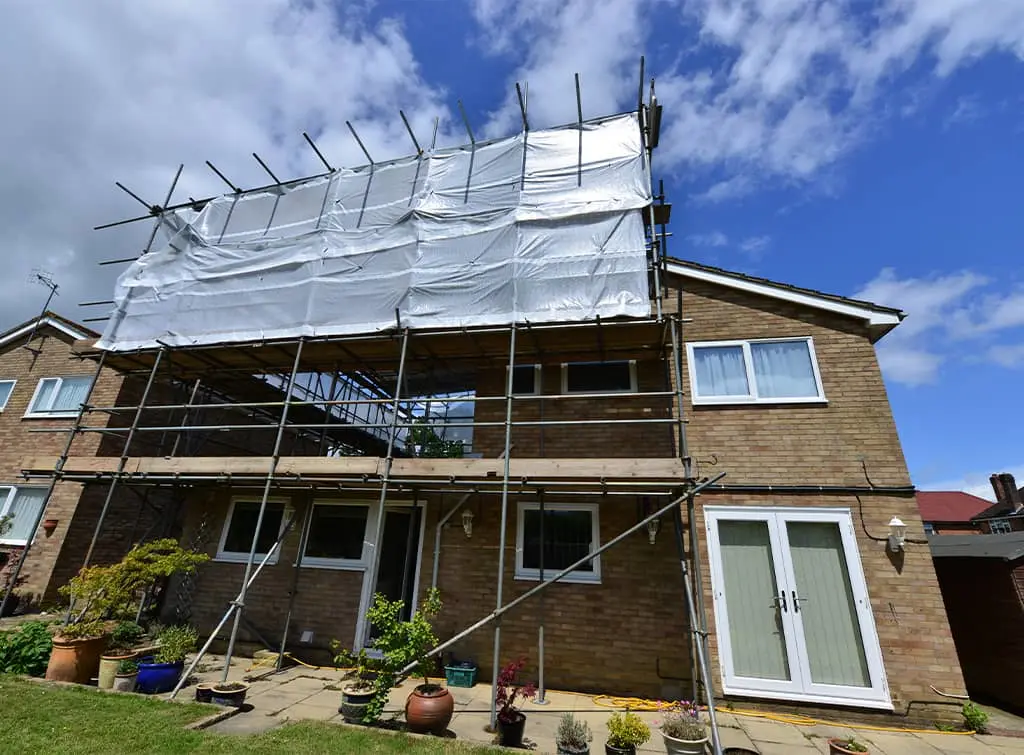
For example, a modest rear extension may fall under permitted development, while a two-storey extension or a large detached outbuilding could require planning permission before work begins.
What are building regulations?
Building regulations are about how the work must be carried out safely.
They are a completely separate set of legal standards.
Rather than deciding whether you're allowed to carry out work, they set out how that work must be completed so it's safe, structurally sound and energy efficient.
They cover areas including:
Fire safety
Ventilation
Insulation and energy efficiency
Accessibility
Many projects that don't need planning permission still need to comply with building regulations.
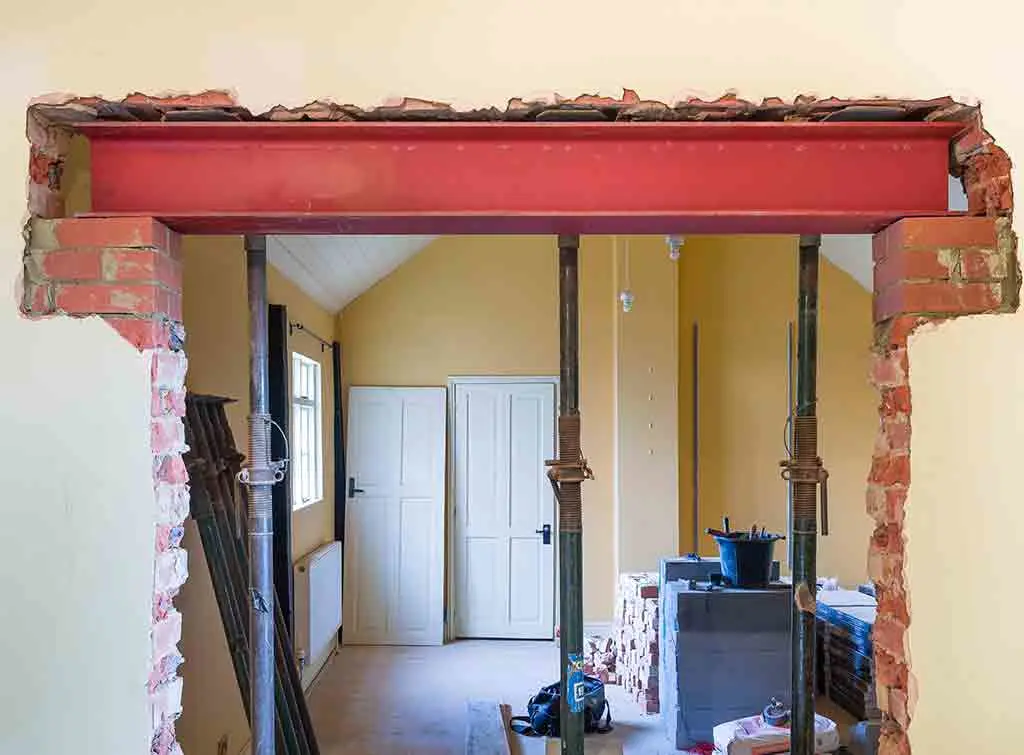
For example, removing a load-bearing wall inside your home usually doesn't require planning permission, but it almost always needs building regulations approval because it affects the structure of the building.
What is building control?
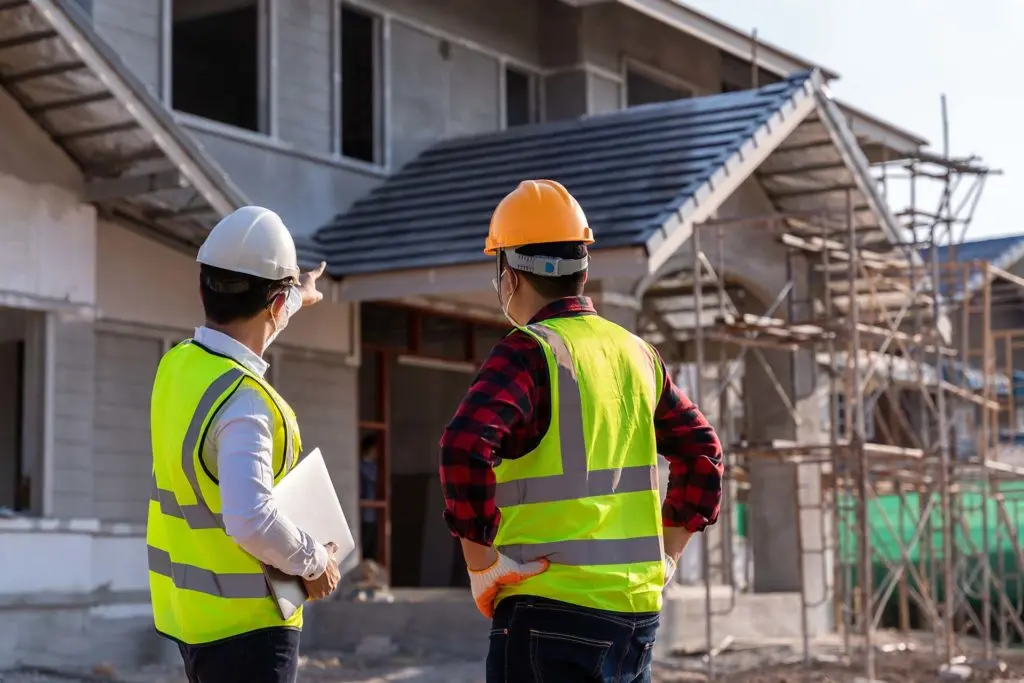
Building regulations set the standards. Building control checks those standards have been met.
Building control is carried out either by your local authority or an approved inspector.
They'll usually inspect the work at key stages before issuing a completion certificate once everything complies with the regulations.
Keeping your completion certificate somewhere safe is important, particularly if you decide to sell your home later.
Can you get building regulations without planning permission?
Yes. And it happens far more often than many homeowners realise.
This is one of the biggest areas of confusion when planning home improvements.
Some projects catch homeowners out because they don't need planning permission, but they still need building regulations approval. Common examples include:
Electrical work in certain locations
Some internal alterations
Equally, some projects need both approvals. For example, if you're building a large extension, you'll often need planning permission before work starts, as well as building regulations approval to ensure it's built safely.
What happens if you build without planning permission?
It depends on whether planning permission was actually required.
If it wasn't, you may not have a problem.
However, if planning permission should have been obtained and work has already started, your local authority may ask you to submit a retrospective planning application.
Common situations where homeowners are caught out include:
Building a garden room that's larger or taller than permitted development allows
Constructing a large extension without checking local planning rules
Carrying out work to a listed building
Building within a conservation area where additional restrictions apply
Converting a garage or outbuilding into living accommodation without the necessary permissions
If retrospective planning permission is refused, you could be required to alter or even remove the work at your own expense.

What is retrospective planning permission?
Want to know when you should apply for retroactive planning permission, what happens if there’s a breach or when it’s needed? Our guide has all the answers.
Why do building regulations matter?
It may feel like building regulations are there to create unnecessary paperwork, but they're in place to help make sure your home is safe.
They help make sure work is carried out to recognised standards so your home remains structurally sound, energy efficient and safe to live in.
They can also help avoid problems later if you remortgage or sell your property, as buyers and surveyors will often ask for evidence that work was signed off correctly.
How much does planning permission cost?
If your project requires planning permission, you'll usually need to pay an application fee.
For example, as of April 2026:
Full planning permission (e.g. to build a single new home from scratch) in England costs £610
A householder application for the enlargement, improvement or other alteration to a single dwelling (e.g. a home extension or loft conversion) costs £548
Planning permission is only one part of the overall cost, though. Depending on your project, you may also need drawings, surveys and building regulations approval.
For a full breakdown of costs, read our planning permission cost guide.
Planning a home improvement project?
Once you know which approvals your project needs, the next step is finding the right tradespeople.
Whether you're building an extension, converting your loft or carrying out structural alterations, experienced professionals can help you understand what's required before work begins.

Key takeaways
Planning permission controls what you're allowed to build
Building regulations control how work must be carried out
Many projects need building regulations approval even when planning permission isn't required
Building control checks work complies with building regulations
Starting work without the correct approvals can be costly to put right
If you're unsure, speak to your builder, architect or local building control team before work begins

How to hire a good builder
There are thousands of builders in the UK, but you want to find the right person for the job. In this guide, we look at how to find trusted builders in your area, so you can hire with confidence.
Find trusted builders near you
Whether you're planning an extension, loft conversion or structural alterations, getting the right advice early can save time, money and unnecessary stress later on.
Search your postcode to compare checked, reviewed tradespeople and professional services, including architects and structural engineers working in your area.
Find checked and reviewed tradespeople

How to find and hire a good tradesperson
Hiring a tradesperson isn’t just about finding someone available — it’s about choosing someone with the right skills, experience, and approach for your job. Discover what to look for and the questions to ask to help ensure you hire right, first time.

See the tradespeople we've checked for your job