EXPERT ADVICE
How to get rid of moths in carpet
Updated 07/26
By: Content Team
Reviewed: Olivia Scammell
Carpet moths themselves aren't the real problem, it's their larvae, quietly feasting on any material rich in keratin, like wool carpets, rugs, and other natural fibres, often for weeks before you notice the damage.
How carpet moths actually get into your home
The telltale signs of an infestation
Five practical ways to tackle the problem yourself
Why professional treatment is often the most effective route
Roughly what it costs
How to stop it happening again
Ready to get help? Here's where to start.
Find a pest control specialist near you
How do carpet moths get in your house?
Carpet moths naturally live outdoors, but find their way in via:
Being carried in on shoes
Hitching a ride on pets like dogs and cats
Second-hand fabric furniture or rugs, especially antiques
Once inside, it's the larvae, not the adult moths, that do the actual damage. They work through carpets and other natural materials largely unnoticed until the damage becomes visible.

Common signs of carpet moth damage
Threadbare patches: usually the first thing homeowners notice, typically in dark, humid spots like behind furniture or along skirting boards
Larvae cases: empty shells left behind after eggs hatch, often found around skirting boards and room corners; a female moth can lay up to 100 eggs at a time, each initially resembling a grain of rice
Seeing the moths themselves: around 5mm long, rarely flying, more often crawling or hopping at floor level
Damage to other natural materials: blankets, pillows, and upholstered furniture are all fair game alongside carpet

If you're already dealing with other household pests alongside moths, our guide on pest prevention methods covers sealing common entry points more broadly.
How do I get rid of carpet moths?
1. Vacuum your carpets regularly
A strong-suction vacuum removes moth eggs and larvae directly. Cover the whole floor thoroughly, including skirting boards, under furniture, and hard-to-reach corners.
2. Use insecticide sprays
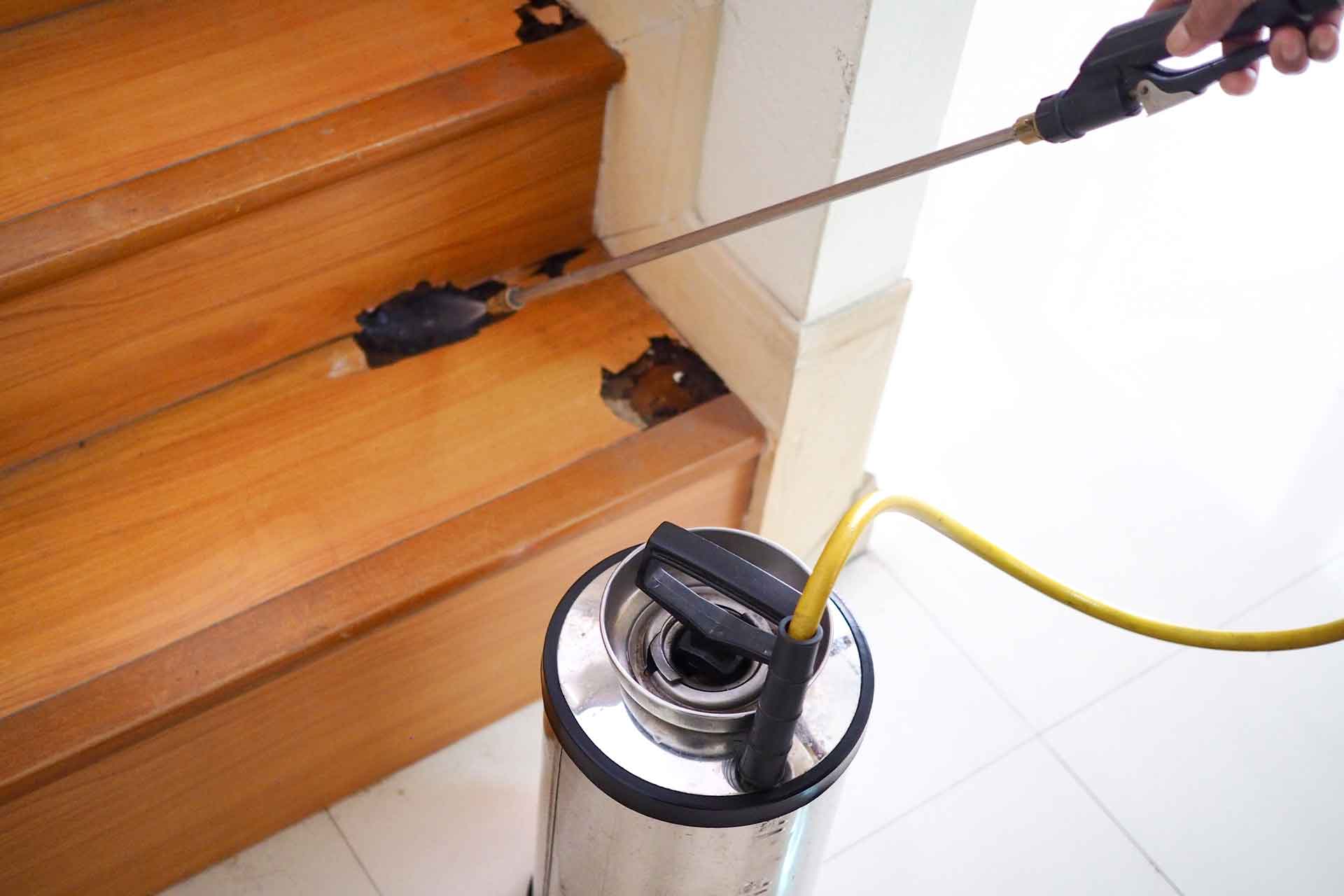
Vacuuming alone often won't clear a full infestation. Follow manufacturer instructions carefully, wear protective clothing, and keep pets and children away from treated areas. Heavier infestations may need more than one treatment.
3. Use glue strips and pheromone traps
These attract adult moths using pheromones and trap them with glue. This breaks the breeding cycle by stopping them laying further eggs.
4. Keep carpets clear of clutter
Carpet moths favour dark, humid, undisturbed areas. Moving furniture regularly and keeping carpets clear makes an infestation easier to spot early, before it takes hold.
5. Choose man-made carpets, or have natural ones mothproofed
Man-made fibres don't contain the keratin moths feed on. This makes them naturally moth-resistant. Most manufacturers now apply mothproofing treatment to natural fibre carpets as standard; if you already have an untreated natural carpet, get it treated as soon as possible.

Need reassurance? All tradespeople pass up to 12 checks before joining, and we keep checking after.
Professional carpet moth treatment
For a full, lasting fix, hiring a professional pest control service is the most effective route. An experienced local provider has the tools, treatment products, and knowledge to clear an infestation properly, rather than managing it piecemeal yourself.
How much does carpet moth treatment cost?
Cost depends on the size of the infestation and treatment needed. Our pest control cost guide has current pricing.
How much does pest control cost in the UK in 2026?
Having a pest infestation in your home can be unsettling, as well as hazardous to the health of you and your family. In this guide we’ve put together the average cost of pest control to help you understand how much you can expect to pay to remove pests from your home.

Before you call a professional
Find a local tradesperson
Find a pest control specialist near you
FAQs
Materials rich in keratin, like wool carpets, rugs, and natural fibre soft furnishings. Moths and their larvae typically arrive via shoes, pets, or second-hand furniture.
No, carpet moths pose no direct risk to people or pets; the damage is limited to natural fibre materials in your home.
Both are similar species with overlapping habits. They feed on natural fibres including carpets, clothing, and upholstery. The signs and treatment approach are broadly the same.
Thorough, regular vacuuming and pheromone traps can help manage a mild problem, but a heavier infestation usually needs insecticide treatment or professional help to fully clear.
If the damage is limited to a small, treatable patch, professional treatment plus a repair may suffice. Widespread damage may be more cost-effective to replace once the infestation is fully dealt with.

See the tradespeople we've checked for your job