EXPERT ADVICE
Toilet keeps running? Common causes and how to fix it
Updated 07/26
By: Wendy Reynolds
Reviewed: Kim Staples
Does your toilet keep running after flushing? There are several reasons why this could be happening. Learn how to get to the root of the problem and how to fix a toilet that won't stop running.
What to check when you have a running toilet
How to work out which part is actually causing the problem
Simple tests you can do without any tools
Which fixes are safe to DIY and which need a plumber
How much it costs to have a running toilet repaired
A toilet that keeps running after you flush isn't just annoying background noise. It wastes water, can push up your bill significantly over a few weeks, and left unchecked can eventually cause a flooded bathroom.
The good news is that most causes come down to one of a handful of worn or misaligned parts inside the cistern, and several are quick to check yourself.
Let's take a look at how to fix it - and when to call a plumber.
Find a plumber near me
Signs your toilet keeps running
The most obvious sign of a running toilet is the sound: continuous running or hissing water after a flush that should have finished 10-15 seconds earlier.
Other signs include:
Water staining or a visible waterline inside the bowl
The toilet flushing itself briefly with no one touching it (sometimes called a "phantom flush")
A noticeably higher water bill with no other explanation
A running toilet can waste a large amount of water every day, so even if it doesn't bother you, it's worth fixing quickly.
Common causes of a running toilet
Spotting the signs of a running toilet is easy. Unfortunately, finding the cause of the problem can be a little more tricky.
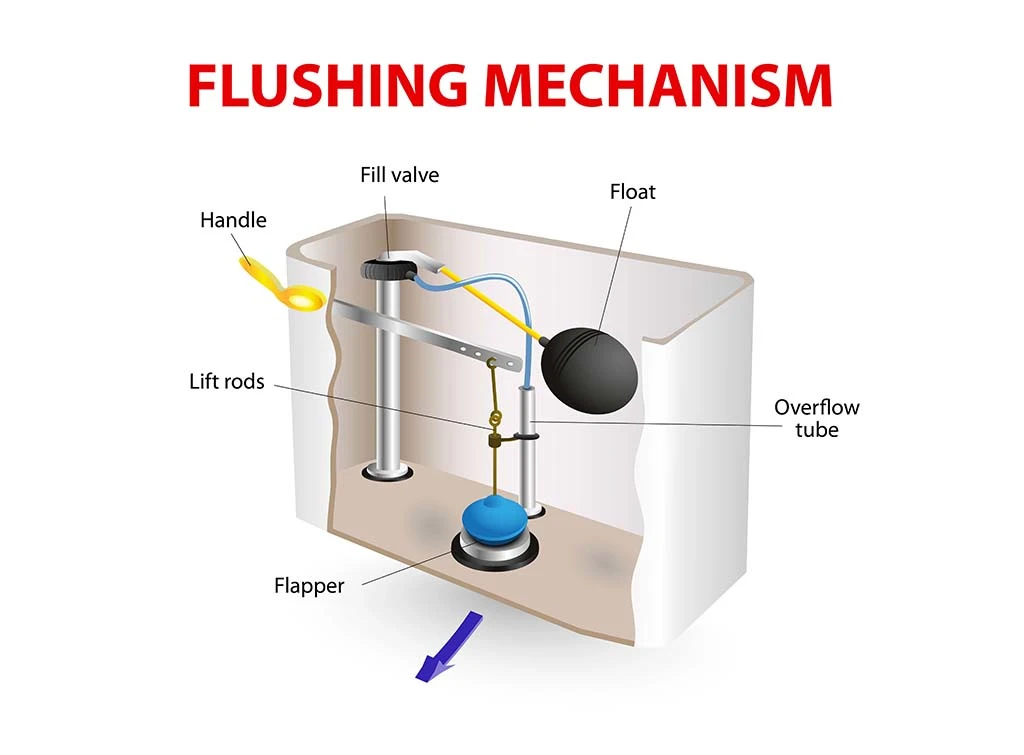
There are several working parts inside a toilet's cistern. Any faulty, wrong sized or poorly installed components can lead to refilling and overflowing problems.
The most common causes of a running toilet include:
A faulty fill valve - This component controls the water levels in the toilet's tank. The water flow can continue after flushing if the fill valve is faulty and not closing correctly
A leaking flapper - This rubber seal controls water flow from the tank into the toilet bowl. A deteriorated or poorly fitted flapper can allow the toilet to keep running after you flush
A chain that's too short or too long - There is a chain connecting a toilet's flapper to the flush handle. Toilets can continue to run if the chain is too long or too short as this can stop the flapper from fully sealing
Water level set too high - if the float lets the tank overfill, excess water drains constantly down the overflow tube
A worn flush valve seat - the rim the flapper seals against can develop mineral deposits or damage over time, stopping even a good flapper from sealing
Quick tests to identify the cause
You may not need to take the cistern apart to narrow down the problem. Try these first:
Press-down test - Remove the tank lid and gently press down on the flapper while the toilet is running. If the running stops, that means the flapper seal is worn and needs replacing or cleaning.
Dye test for phantom flushing - Add a few drops of food colouring to the tank water and wait 10-15 minutes without flushing. If coloured water appears in the bowl, that means water is leaking through the flush valve into the bowl.
Water level check - Flush and watch where the water settles. It should sit slightly below the top of the overflow tube. If water is draining into the tube, that means the fill valve needs adjusting or replacing.
Working out why your toilet won't stop running
Before you can fix a running toilet, you first need to get to the source of the problem.
The following factors will determine the type of repair work you need:
Type of cistern
Type of flusher
Which components are damaged, faulty or in the wrong position
Different toilets work in different ways. For instance, push-button and handle or chain flush toilets use different mechanisms. Due to these differences, it is not always easy to work out exactly why a toilet keeps running after flushing.
Getting to the bottom of this problem can be more difficult than you expect. Without experience, you may cause leaks to get worse or end up damaging important components.
It can also be difficult to gain access to the inside of a toilet's cistern. Finding out why a wall-hung or traditional high-level cistern keeps refilling the toilet can be particularly challenging.
A plumber will be able to access your toilet's cistern and correctly diagnose the problem.
Find a plumber near me
DIY steps to try before calling a plumber
If you'd like to attempt a fix yourself, work through these steps in order.
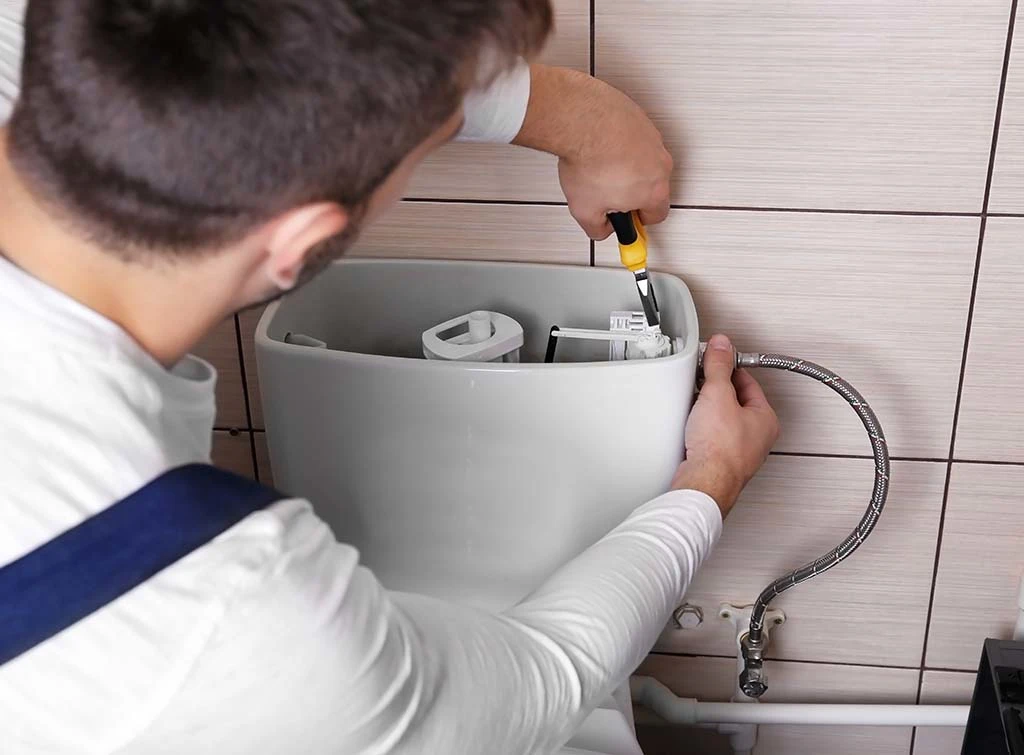
Check the fill tube
The fill tube refills the bowl after flushing. It's a small, flexible tube connected to the fill valve, sitting just above the overflow tube.
If it's not correctly positioned, water can miss the overflow tube and the toilet keeps running. Make sure it's firmly connected and aimed correctly.
Check the water level
Most toilets have a fill marker inside the tank. Flush and check whether the water rises to the correct level.
If not, the float mechanism, a ballcock in older toilets or a syphon in newer models, isn't sensing the level correctly and may need adjusting.
Check the float
A waterlogged float can't rise properly, which stops the fill valve shutting off.
Remove it and shake it gently - if you hear water inside, that means it needs replacing.
Check the flapper
Inspect the flapper for wear, warping, or misalignment.
A damaged flapper will need to be replaced - but if not, sometimes simply adjusting the chain length is enough to restore a proper seal.
Flush after each adjustment to check whether the issue is resolved.
Turn off the water supply to the toilet at the isolation valve before removing or replacing any parts, to avoid an unexpected flood mid-repair.
How to fix a toilet that keeps running
Adjusting the different components of a toilet isn’t always enough to stop water from running after flushing. If your DIY attempts haven't worked, the fill valve, flapper or syphon may need to be replaced.
Avoid replacing toilet components if you do not have the necessary tools, skills and experience. Instead, the best option is hiring a plumber to fix your running toilet.
They can take your toilet apart and check if all the different mechanisms are working correctly.
Deteriorated parts can easily be replaced by an experienced plumber. Investing in repairs now will help you to avoid sky-high water bills in the future!
How much does it cost to fix a running toilet?
Plumbers charge varying fees for toilet repairs. Your final price will be determined by how long the repair work takes and if any replacement parts are needed.
On average, plumbers charge an hourly rate of£50. Or, they may charge a day rate of around £350, Or, they might charge per job.
Running toilets can cause flooding in your home or septic tank. You will likely need the immediate help of an emergency plumber if water is spilling out of your toilet. The average call out fee for an emergency plumber is £100.
Take a look at our plumber cost guide for more information.
Plumber costs in the UK: 2026 price guide
Whether you are planning an exciting renovation or have a troublesome issue, our plumber cost guide contains daily, hourly and emergency rates.
Hiring a plumber to fix your running toilet
DIY attempts haven't fixed the problem? Use Checkatrade to find plumbers near you.
Enter your postcode into our search tool to get started, and we'll show you the Checkatrade plumbers who cover your area - so you can reach out to get quotes and compare your options.
You can also post your job to hear back from available local plumbers, or download the Checkatrade app to your phone.
Find a plumber near me

Checklist: Fixing a running toilet
Keep this checklist handy and work through the steps to get your running toilet fixed.

Fixing a toilet that keeps running
FAQs
The most common causes are a faulty fill valve, a worn or misaligned flapper, an incorrect chain length, or the water level being set too high. Each of these stops the cistern sealing properly after a flush.
Try the press-down test: gently press the flapper down while the toilet is running. If it stops, the flapper isn't sealing properly. If the running continues, the problem is more likely the fill valve or water level.
It's not usually a plumbing emergency, but it should be fixed promptly since it wastes water and can increase your bill. If water is overflowing from the cistern or bowl, treat it as urgent and call an emergency plumber.
A continuously running toilet can waste a significant volume of water every day, which adds up quickly on a metered water bill. Even a toilet that only runs intermittently is worth fixing rather than ignoring.
Possibly! Many causes, like repositioning the fill tube, adjusting the chain, or replacing the flapper, are straightforward DIY jobs. If the problem persists after trying these, or if accessing the cistern is difficult, it's worth calling a plumber.
This is often called a "phantom flush" and is usually caused by a slow leak from the tank into the bowl through a worn flapper. As the water level drops, the fill valve occasionally kicks in to top it back up, which can look like the toilet flushing itself.
Around 10-15 seconds is typical. If your toilet runs continuously well beyond this, or never fully stops, it's a sign one of the internal components needs attention.
Yes. Many older UK toilets use a syphon mechanism rather than the flapper-and-fill-valve system found in newer models. This can make DIY diagnosis trickier, since the fix for a syphon-based toilet is different from a flapper-based one.

Browse our toilet hub for more guides on toilet repairs, replacements, and costs.
See the tradespeople we've checked for your job