EXPERT ADVICE
Why is my bath leaking? - Solved
Updated 08/26
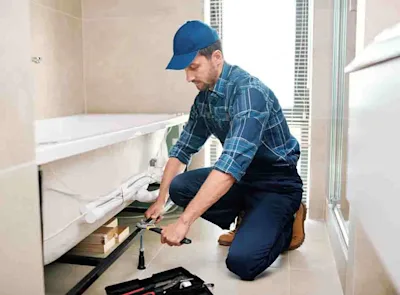
By: Laura Macdonald
Reviewed: Alex Peters
What to do first if it's leaking through the ceiling
The most common causes of a leaking bath
Why the leak location changes the fix
Whether it's a DIY job or a plumber's job
How to protect your home while you wait for help
How to stop it happening again
A leaking bath rarely announces itself clearly. Sometimes it's an obvious drip from a tap, other times it's a damp patch on the ceiling below that gives it away.
Here's how to work out what's causing it and what to do next.
Need a trade? Search now
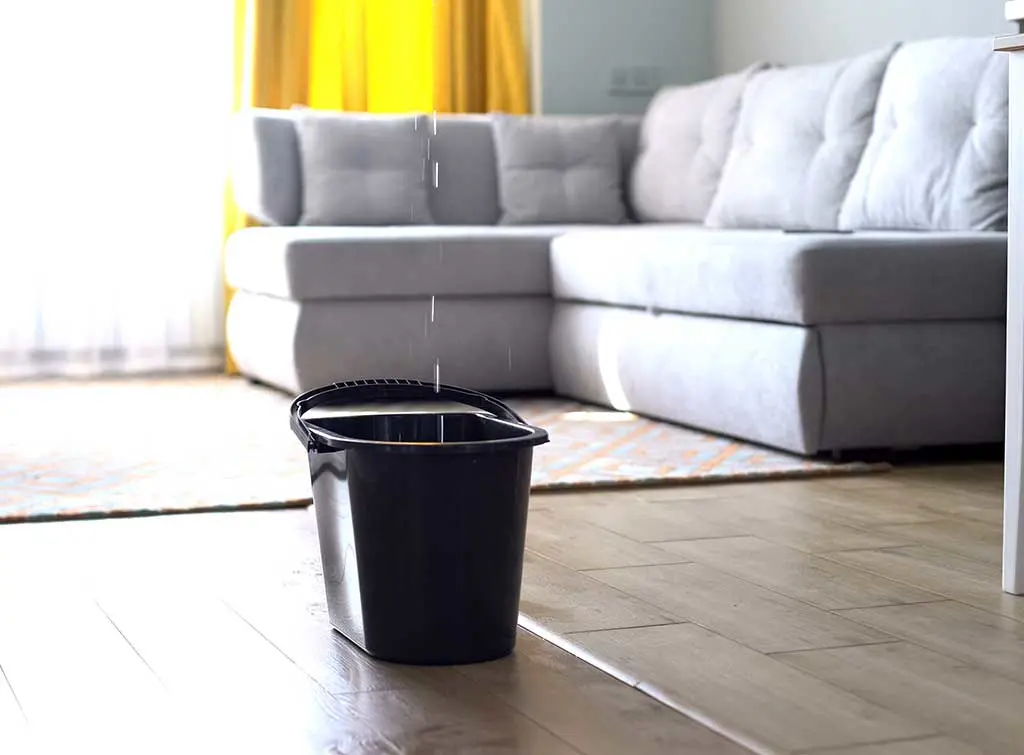
Bathroom leaking through the ceiling? Act fast
If water is coming through the ceiling below your bathroom, this needs immediate attention.
Turn off the water supply to the area to limit further damage
Call a qualified plumber who can identify the cause and carry out the right repair

If you're not sure whether it's your bath specifically or a wider pipework issue, our guide to water leaking from the ceiling covers what else to check.
What's the most common cause of a leaking bath?
There are four common culprits:
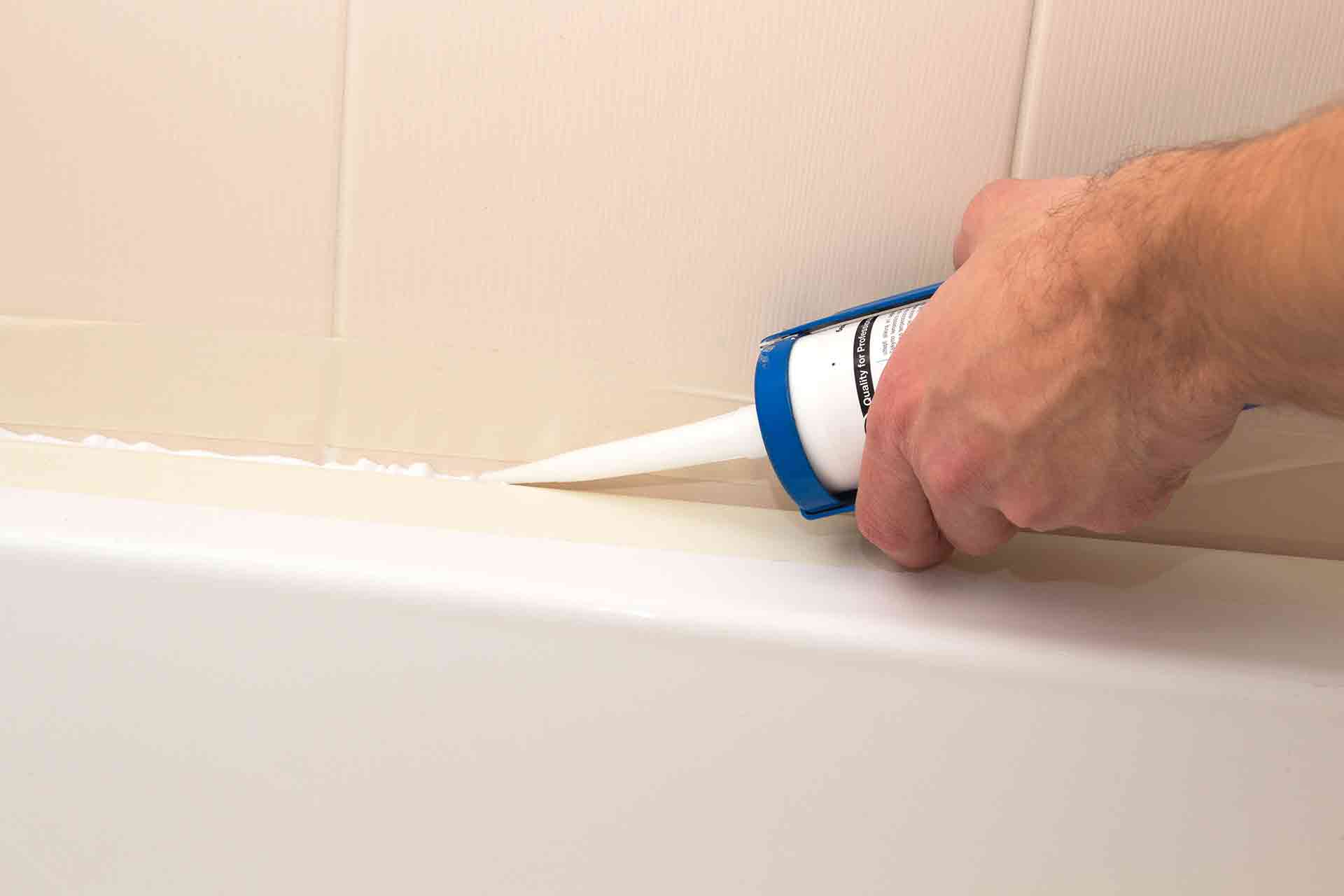
Worn or damaged seals - the sealant where your bath meets the wall has a limited lifespan. Cracks or gaps let water seep through over time. See our guide on how to reseal a bath if this sounds like your problem.
Loose or worn fixtures - taps and spouts can work loose or degrade over time, leaking from their connections.
Cracks in the bath itself - less common, but even a hairline crack can let water seep through and cause damage underneath the bath over time.
Pipe issues - corrosion, wear, or a poorly fitted connection on the pipework beneath the bath can all cause leaks. This one's often only spotted once water starts coming through the ceiling below.
High water pressure can accelerate wear on tap seals and connections, so if you're getting repeat leaks in the same spot, it's worth asking a plumber to check your water pressure isn't the underlying cause.
Why is my bathtub leaking underneath?
A leak underneath the bath usually comes down to one of two things:
Sealant failure - check the condition of the sealant around the bath edges to rule this out
Leaking pipes - the waste pipe, overflow pipe, and P-trap are all potential weak points, whether from a loose connection, damage, or a blockage
Watch for early warning signs too - curling vinyl flooring, lifting tiles, or peeling paint near the bath can all point to a slow leak that hasn't fully surfaced yet.

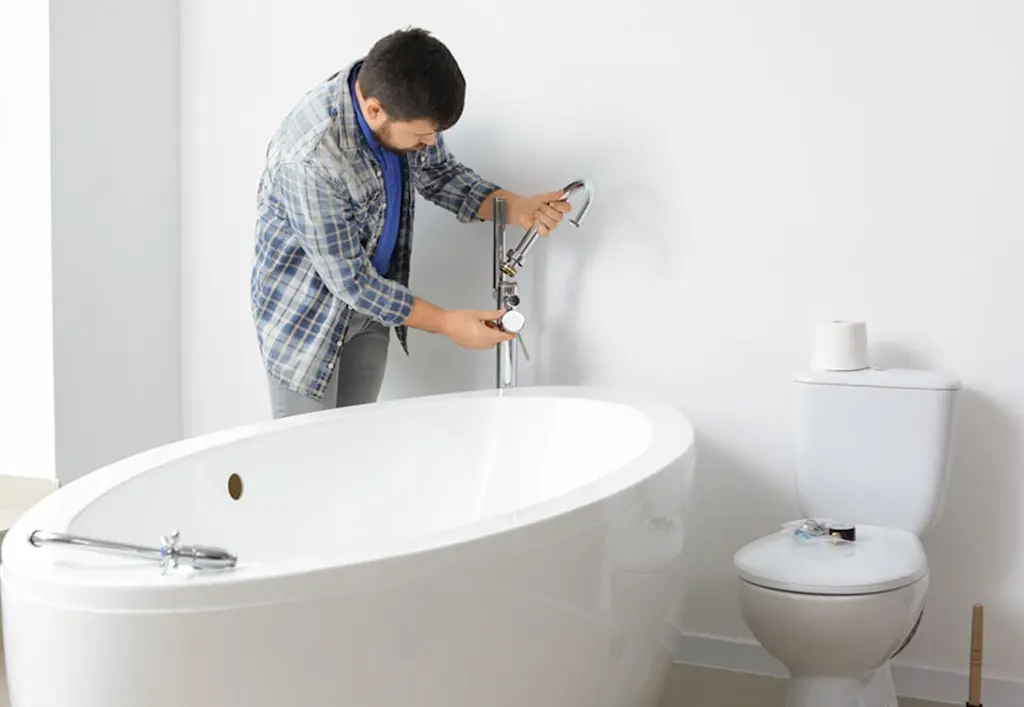
Why is my bath tap dripping?
A dripping bath tap is annoying, and left alone it'll push up your water bill. The usual causes are:
A worn washer - the seal that keeps water contained can dry out or degrade over time
A defective cartridge - found in monobloc taps, controlling flow and temperature together
A damaged O-ring - the small rubber ring sealing the tap's spout
A broken valve seat - if corroded, this can cause leaks around the spout

Fixing common tap problems – what’s wrong and when to call a plumber
Why is it when you have a tap problem it's always at the worst possible time? Let's take a look at the common tap problems and find out what is going wrong with your tap. You may be able to fix it yourself with this guide's help, or know when to call out a professional.
Why is my pop-up bath plug leaking?
If your bath won't hold water properly, the pop-up plug mechanism could be to blame:
Misalignment - the plug isn't seating securely over the hole
A worn gasket - degrades with age, breaking the seal
A faulty mechanism - the internal workings that operate the plug can wear out
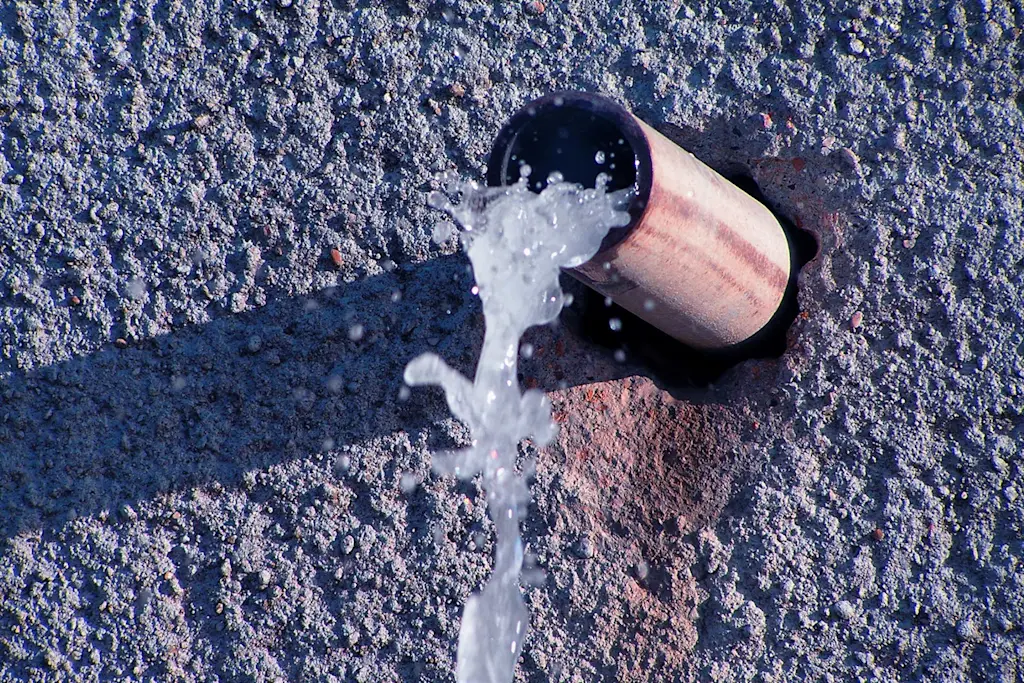
What's causing my bath waste or overflow leak?
The waste pipe carries water away when you pull the plug, and the overflow pipe takes excess water once the bath is full.
Both can develop leaks from a loose connection or damage, and in either case, water escaping here can end up travelling through the ceiling below if left unaddressed.
Need a trade? Search now
What to do while you wait for a plumber
Turn off the water supply to the area and try to identify the source using the troubleshooting above. In the meantime:
Position a waterproof container to catch dripping water
Use towels to mop up any excess
Run a fan or dehumidifier to speed up drying and reduce the risk of mould

Need reassurance? All tradespeople pass up to 12 checks before joining, and we keep checking after.
Find a reliable local plumber near you
Enter your postcode to find a top tradesperson near you
Flowtech Plumbers
10.00
(28 reviews)Services & skills
PlumberBathroom & Kitchen PlumbingPipe FitterBlocked ToiletsUnderfloor Heating InstallationProdigy Plumbing & Maintenance
10.00
(7 reviews)Suggested Services
PlumberPrice on requesttoilets taps & traps Ltd
10.00
(6 reviews)Services & skills
PlumberBlocked BathsPipe FitterShower InstallationTap RepairR G Austin Ltd
10.00
(55 reviews)Services & skills
PlumberGeneral PlumbingUnderfloor Heating InstallationRadiator InstallationRadiator Thermostat Valve RepairPlumbing Circle
10.00
(184 reviews)Services & skills
PlumberGeneral PlumbingWater Mains Specialist (Pipe Replacement, Moling and Lead Pipes)Thermal DynamicsRadiator InstallationAZ Plumbing Contractors Ltd
10.00
(251 reviews)Services & skills
PlumberGeneral PlumbingBathroom & Kitchen PlumbingEmergency Plumber ServiceShower Repair


Checklist: dealing with a leaking bath

Leaking bath checklist
FAQs
This is usually down to the waste pipe, overflow pipe, or P-trap, typically caused by wear and tear, poor connections, damage, or a blockage.
It depends on the cause - a worn tap washer is often a simple DIY fix, but leaks involving pipework are best left to a professional plumber.
This usually means removing the bath panel to access the pipework, then repairing or replacing the affected section and making sure all connections are secure - a job best done by a plumber.
Fans or dehumidifiers help speed up drying. If water has soaked into floorboards, you may need to lift sections to dry out hidden moisture properly.
This usually points to pipework above the ceiling, often related to the bath, and should be looked at by a plumber promptly to prevent further damage.
Yes - even a small, slow leak can cause mould, damaged flooring, or ceiling damage over time if it's left unaddressed.
Yes, bath resealing is a manageable DIY job for many homeowners, though a professional finish will last longer if you're not confident doing it yourself.


See the tradespeople we've checked for your job