HOW-TO GUIDES
How to check your roof
Updated 02/26
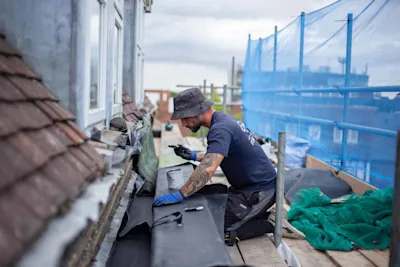
By: Content Team
Reviewed: Alex Peters

It is so important that the roof you have over your head is safe, secure and undamaged. Keep those leaks at bay and catch those issues early with our handy guide to health-checking your roof.
Things to check for
Inspection techniques
Looking at ventilation
Investigating roof tiles
Flashing and seals
Gutters and clearing buildup
Minimising moss growth
Finding a reliable roofer
Roofs certainly take a battering from the worst of our weather. Spring showers, soaring summer temperatures and winter storms all take their toll.
A simple, regular health-check will help keep your home free from leaks and protected from the unpredictable UK weather.
The 6 key things to check on a roof
Roofs aren’t created equally. That’s why it’s important to check that your roof has remained stable for a number of years.
It is important to regularly assess structural integrity. By looking at things such as:
Tiles firmly fitted
No cracks
No ingrowing plants (such as ivy)
No leaks
Seals around windows
No build-up of moss
If you spot any signs of damage, you’ll want to find the right roofer for the job.
Not sure where to start? Look for someone in your area by browsing relevant tradespeople in your area.
Just pop your postcode in the box and start looking now.
Find a local roofer
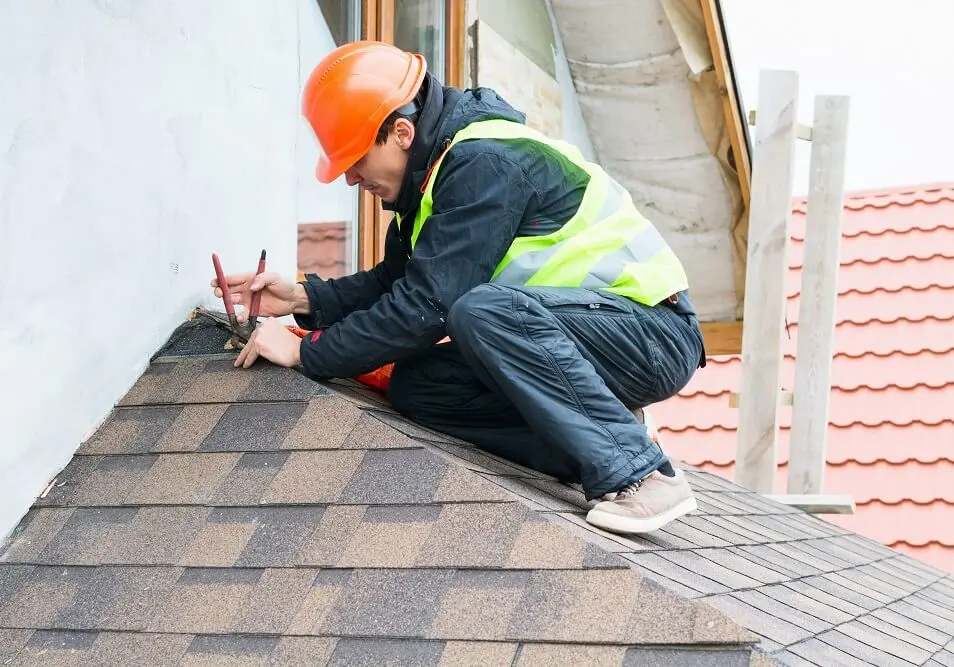
Inspecting the inside
Investigate for visible signs of damage. Start in the loft and look out for:
Any sagging
Water marks
Rot (which will look like dark patches)
Sunlight shining through
You can repair some of the roof yourself.
However, if you notice that something is not right and you are not sure what to do, it’s best to look for your local checked and reviewed roofer on Checkatrade.

From repairs and replacements, through to cleaning services and additions like solar roof panels, take a look at our roofing hub for help with deciding the jobs that need doing above your head.
Checking your ventilation
If your loft is not well-ventilated, moisture and condensation will build up and could damage your roof from the inside.
Check your vents for any blockages such as:
Moss
Leaves
Pests / habitats
Roof insulation
All of these stop the air for escaping. If you find any, use an old paintbrush to remove any build up and the air will soon flow freely again.
Look for loose and damaged roof tiles
Roof tiles are prone to becoming loose, cracked, broken or displaced.
You can inspect any damage yourself if you have the proper safety equipment including:
Extension ladder with a suitable height
Safety harness
700kg breaking strain rope
Soft-sole shoes with grip
If you do not have the relevant safety equipment, we recommend hiring a roofer or a drone surveyor to assess your roof.
Checking the flashing
Flashing is another word for the metal strips which act as a seal. You can find them on your:
Chimneys
Skylights
Satellite dishes
Vents
Other objects on your roof
If the flashing sits flush against the roof with no gaps for water to seep in, and none of the sealing is cracked, it should be OK. It should be fitted with permanently waterproof, 100% silicone sealant.
Flashing can slip over time – so you’ll need to check for any signs of movement and replace anything that looks rusty.
Flashing, roof sealant and caulk can be found in DIY shops, but unless you have the proper safety equipment needed, call in a Checkatrade roofing expert.
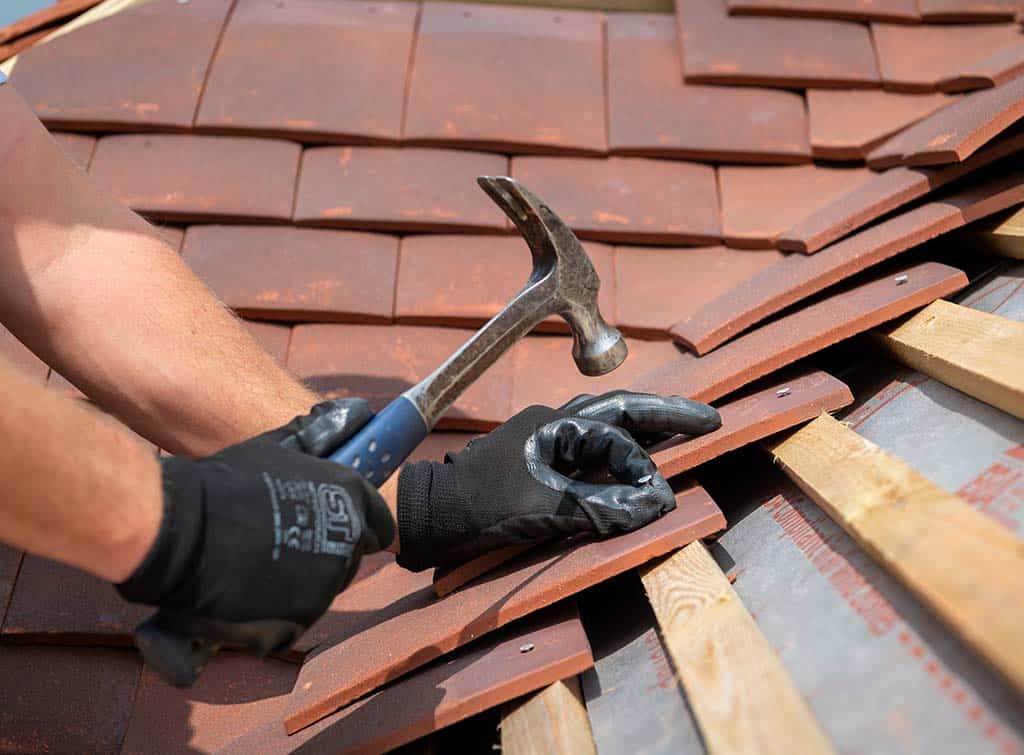
Leaking roof - What to do and who to call
Think you may have a leaking roof? We explain how to handle a roof leak safely, how to tell if it’s an emergency, what usually causes leaks, and how to find the right tradesperson to put things right without delay.
Unblocking gutters
If your guttering is blocked or damaged, it can cause serious damage to your property.
Water can:
Build up
Collect underneath your eaves
Leak and run down the outside walls of your home
Seep into your foundations
Regularly look up at your gutters to check for signs of sagging. When it is raining, you can also check for signs of spillage.

Check for moss growth
Harmless as it might look, moss can be a menace.
It can:
Cause moisture damage
Affect roof tiles
Create issues for wood underneath
Summer helps spread moss, so catch it before it gets out of control.
The best way to remove moss is to allow it to dry out and then use a stiff bristled broom to brush it off.
However, if it’s unsafe for you to reach your roof or your roof is covered in moss, it’s time to speak with a roofing expert for advice.
Find a local roofer
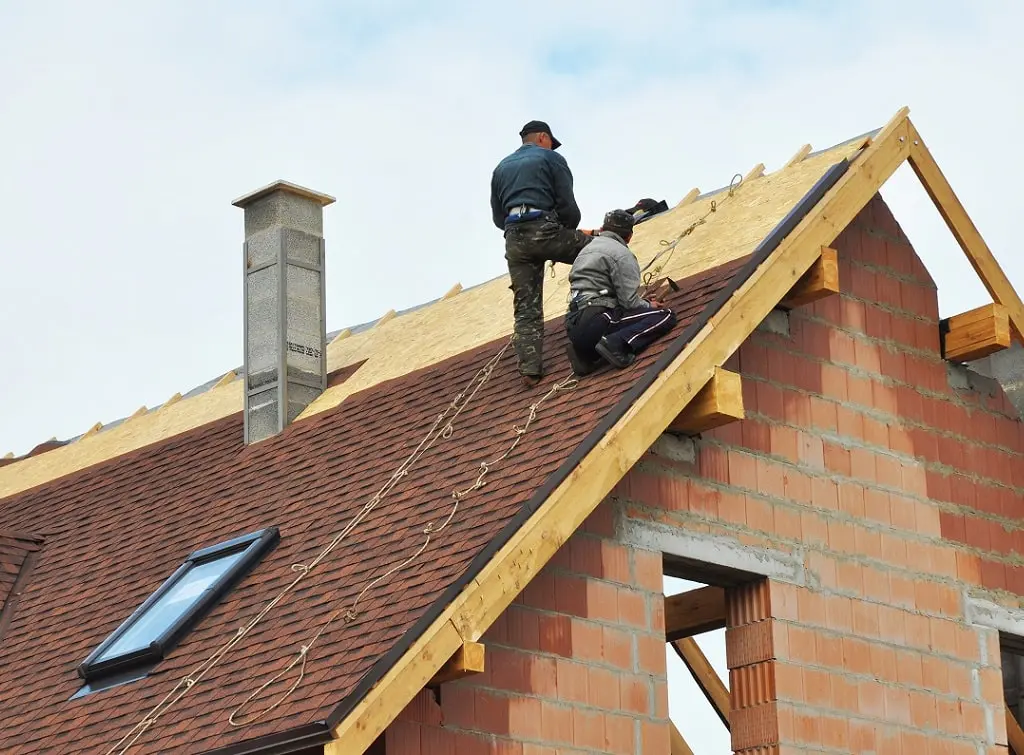
Ways to find a trusted roofer
Timely roof repairs don’t just protect your home – they can also help you avoid bigger, more expensive problems down the line.
All Checkatrade members commit to delivering a high standard of work – and they only become members after passing up to 12 checks.
This includes:
Delivering a high quality of workmanship
Maintaining high standards of personal conduct
Working safely, ethically, and within their skill set
Communicating clearly and honestly
Agreeing costs and contract terms upfront
Encouraging and welcoming customer reviews
Your roof protects everything beneath it, so don’t wait. If you've checked your roof and see something's amiss, contact a tradesperson working in your area to get the job done right.
See the tradespeople we've checked for your job