HOW-TO GUIDES
How to clean uPVC window frames
Updated 08/26
By: Olivia Scammell
Reviewed: Alex Peters
The safest way to clean uPVC without damaging it
What causes frames to yellow or discolour over time
How to shift mould, foam and stubborn stains
What products to avoid completely
How to clean uPVC doors and sills the same way
When it's worth calling in a professional instead
uPVC is popular precisely because it's low-maintenance, but "low-maintenance" doesn't mean "no maintenance."
Left too long, dirt, algae and UV exposure dull the surface and leave it looking tired next to the rest of your home. The good news is that keeping uPVC frames looking their best is a simple job, as long as you use the right products.
This guide covers the safest cleaning method for window frames, doors and sills, how to tackle mould and stubborn stains, and exactly what to avoid so you don't damage the surface.
Hire a local uPVC cleaning expert

How to clean uPVC window frames
You don't need specialist products for routine cleaning. A simple, cost-effective solution made from household items works well for most everyday grime.
You'll need:
A spray bottle
White, unscented vinegar
Warm water
A microfibre cloth
Baby wipes or a damp cloth
Method:
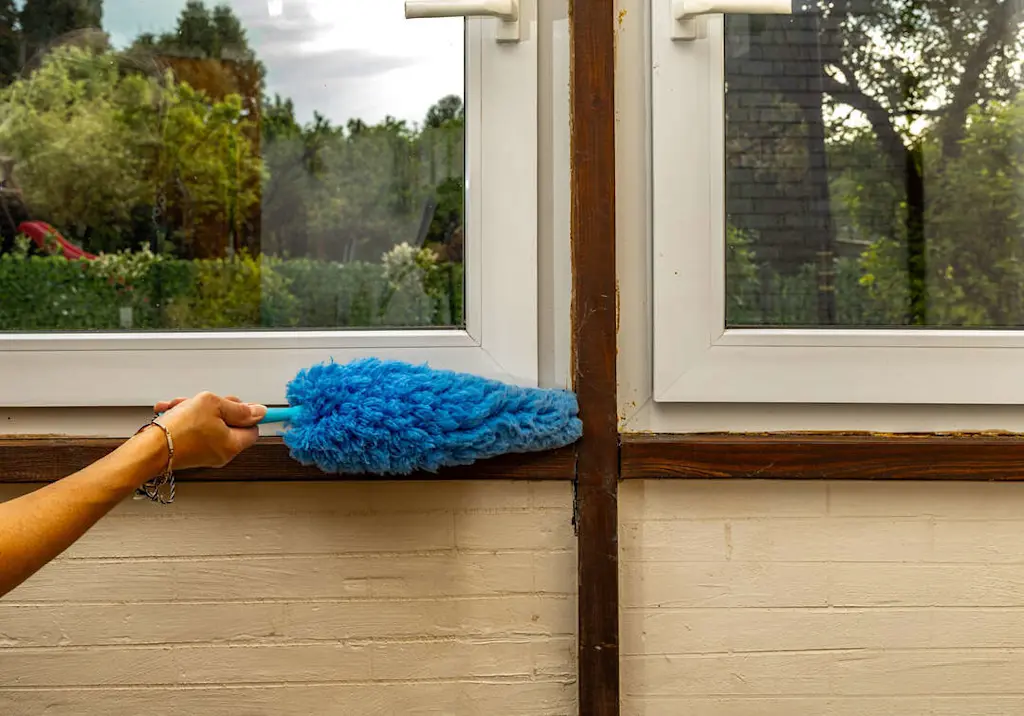
Wipe over the frames with a damp cloth or baby wipes first, to lift the top layer of dust and dirt.
Mix white vinegar with hot water in the spray bottle, using a ratio of around 1 part vinegar to 4 parts water.
Spray onto the frames and leave for 10 minutes to loosen any remaining grime.
Wipe down with a soft cloth soaked in warm water to remove the vinegar solution.
Buff dry with a microfibre cloth.
Avoid cream cleaners and abrasive scrubbers. They may shift dirt quickly, but repeated use scratches the surface of the uPVC, creating tiny grooves that trap dirt even more easily next time.
This is often why older frames "won't come clean" even with a decent scrub, the surface itself has been degraded over the years by the wrong products.
Clean your frames twice a year as routine maintenance. Regular cleaning is far easier than trying to lift months of built-up dirt and UV damage in one go.


Why do uPVC frames yellow or discolour?
White uPVC frames commonly discolour due to UV exposure breaking down the surface layer over time, along with everyday cooking fumes, smoke, traffic exhaust and general weather exposure.
This is worth knowing because it explains why some staining, especially a grey or black tint that keeps returning, won't fully disappear with washing-up liquid alone. It's the plastic itself changing, not just surface dirt sitting on top.
Regular cleaning slows this process down considerably, but once discolouration has set in, you may need a dedicated uPVC restorer or solvent-based cleaner rather than household products to properly lift it.
If you intend to have that look, rather than naturally ageing the uPVC, why not consider cream?

Cream uPVC windows: Everything you need to know
Add a soft, heritage look to your home with cream uPVC windows. Our guide outlines the costs and styles available and why cream uPVC windows are a great alternative to plain white.
How to remove mould from uPVC window frames
If your frames have gone mouldy, particularly around the edges or seals, increase the vinegar ratio in your spray solution.
Leave it to soak for the same 10 minutes, then scrub gently with a soft brush before buffing dry with a microfibre cloth.
If vinegar isn't strong enough, a specialist uPVC cleaning product will usually shift it. These are widely available from DIY retailers and are formulated specifically not to damage the plastic surface, unlike general household mould sprays.

Find uPVC cleaning services near me
Faded, dirty, or discoloured uPVC can make your home look tired — and some areas are simply too high or awkward to clean safely yourself. Find checked trades to clean and restore your uPVC with Checkatrade for a commitment to quality and a job done right.
Removing stubborn stains: paint, foam and plaster
Everyday grime is one thing, but building work around your windows can leave behind marks that need a different approach.
Wet paint: wipe away with warm soapy water and a non-abrasive sponge while it's still fresh.
Dry paint: soak with warm soapy water first, then gently scrape off with a plastic scraper, taking care not to score the surface.
Expanding foam or adhesive residue: never use sandpaper directly on the frame, as it leaves permanent scratch marks. A dedicated solvent frame cleaner applied to a cloth, then gently rubbed or carefully worked with a scraper, is the safer approach. Work in a well-ventilated space, as solvent cleaners have strong fumes.
Plaster splashes: warm water and a non-abrasive cloth will usually shift plaster with a bit of persistence, followed by a proper uPVC frame cleaner to bring back the shine.
Always test any new cleaning product on a small, hidden section of frame first. Some solvent cleaners can affect certain coloured or foiled uPVC finishes differently to standard white frames.

How to clean uPVC doors
The same method works for uPVC doors as for window frames. For the glass panels, switch to warm soapy water and a soft cloth, or a standard glass cleaner, then buff with a microfibre cloth for a streak-free finish.
Wash the whole door down in sections, rinse, and dry thoroughly. Microfibre is worth using throughout, as it's gentle enough not to scratch the frame while still lifting grime effectively.

If your uPVC door or window needs more than a clean, for example a window fitter can assess repairs, while a specialist can handle a full uPVC respray if discolouration has really set in.
How to clean uPVC window sills
Sills tend to collect more dirt than frames simply because they're horizontal, so a quick wipe every few weeks keeps them from building up grime.
Dip a soft sponge or cloth in warm, soapy water.
Wring out and wipe across the sill to lift dirt.
Repeat as needed, then dry with a non-abrasive cloth.
Buff with a microfibre cloth to restore shine.
Find trusted uPVC cleaners near you
How to clean uPVC fascia boards
Fascia boards involve working at height, so unless you have secure access to a stable ladder or scaffold tower, this is a job best left to a professional.
A fascia and soffit specialist has the right equipment to clean these safely and thoroughly.

What NOT to use when cleaning uPVC
uPVC scratches and degrades more easily than it looks, so the wrong product can cause damage that's expensive to put right. Avoid:
Bleach, even though it's tempting for restoring white
Cream cleaners such as Cif or Jif (mildly abrasive with repeated use)
Methylated spirits or white spirit
Nail varnish remover
WD-40
Wire wool, steel wool, or scouring pads
Steam cleaners, which can warp or discolour the surface
Excessive scrubbing pressure

Need reassurance? All tradespeople pass up to 12 checks before joining, and we keep checking after.
When to call a professional
DIY cleaning covers most routine maintenance, but it's worth bringing in a professional if:
Discolouration is widespread rather than a few stained patches
Fascias or upper-storey frames need cleaning at height
Scratches or gouges from previous cleaning need addressing alongside a clean
You'd rather have a full uPVC respray than keep managing yellowing year after year
For a rough sense of what professional cleaning typically costs, our uPVC cleaning prices guide breaks down what to expect based on job size.

Before you clean your uPVC frames
FAQs
Twice a year is a good baseline for most homes, more often if you're near a busy road or coastline, where traffic grime and salt air build up faster.
It's best avoided. High-pressure water can force its way behind seals and beading, leading to leaks or trapped moisture over time. A soft cloth and the vinegar method above is safer and just as effective for routine dirt.
This is usually UV degradation of the plastic surface itself, not just dirt. Regular washing-up liquid or vinegar won't reverse this. A dedicated uPVC restorer, or professional respraying, is the only way to properly address established discolouration.
Diluted white vinegar is generally safe for most uPVC frames and is effective against light dirt and green algae staining, though it won't shift ingrained yellowing or black staining. Always test a small area first, particularly on coloured or foiled finishes.
A stronger vinegar solution, left to soak for 10 minutes before scrubbing with a soft brush, tackles most seal mould. If it keeps returning, the seal itself may need replacing, as damaged or perished rubber traps moisture that keeps feeding the mould.
Sparingly, and with light pressure. They can help lift scuffs, but because they're mildly abrasive, repeated heavy use can dull the surface finish over time, similar to cream cleaners.
No, the frame cleaning method is the same. Just switch to a standard glass cleaner or soapy water for the glass panels themselves, rather than using vinegar solution on glazing.
Most mild cleaners are fine, but avoid solvents, white spirit and strong chemical cleaners directly on rubber seals, as these can dry out and perish the rubber faster, leading to draughts or leaks.



See the tradespeople we've checked for your job