HOW-TO GUIDES
How to remove cladding from a house
Updated 08/26
By: Content Team
Reviewed: Alex Peters

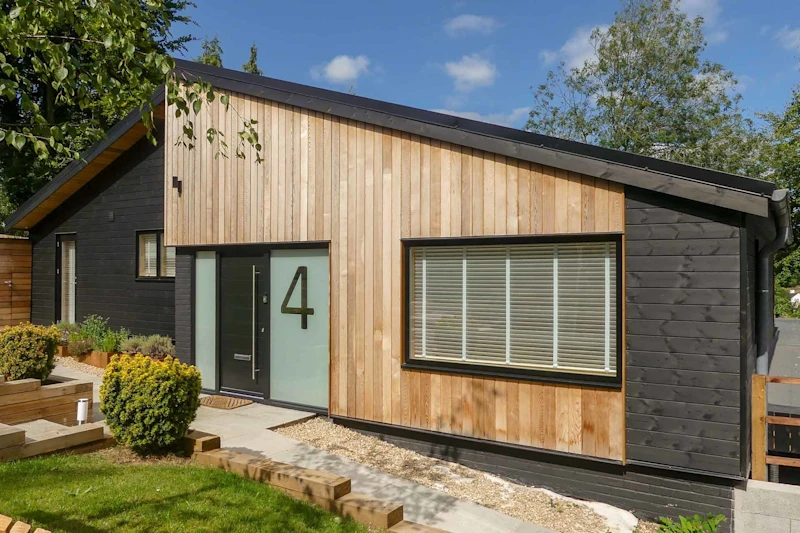
Find out how to remove cladding from your house, whether it's timber, plastic, fake brick or stone, plus when it's a job for a professional builder.
The right tools and approach for your cladding type
How timber, plastic, fake brick and stone cladding differ to remove
Why fire safety rules matter if your property is a flat or high-rise
What's underneath cladding once it's off
When this is a DIY job and when it isn't
Who to call for the trickier removal jobs
Cladding fell in and out of fashion more than once over the decades, and what looked smart when it went up can end up feeling dated, damaged, or simply not to your taste years later.
The right way to take it off depends heavily on the material and how it was originally fixed, so it's worth knowing what you're dealing with before you start pulling boards off the wall.
This guide covers removing timber, plastic, fake brick and stone cladding, plus when to leave it to a professional.
Find a cladding removal specialist

A quick safety note before you start
If you're removing cladding from a house you own and live in, most of what follows is a manageable DIY or builder-led job. But if you're dealing with cladding on a block of flats or a taller residential building, this is a different situation entirely.
Since the Grenfell Tower fire, cladding on flats and high-rise buildings is subject to strict fire safety regulation, and removal or replacement in these buildings usually needs to go through a proper fire risk assessment and a qualified professional, not a DIY approach.
If that's your situation, start with your building's managing agent or freeholder rather than a pry bar.
For a standard house, the main risks are working at height and damaging the wall underneath, both very manageable with the right prep.
Tools you'll need
Extension ladder
Gloves
Safety goggles
Pry bar
Pliers
Reciprocating saw with a metal-cutting blade
Claw hammer (for fake brick)
Chisel
Not confident to even start?


How to remove timber cladding
Position your ladder securely against the wall, making sure it reaches comfortably above the highest board you'll be working on.
Clear the ground below, a wheelbarrow or large container helps keep the site tidy as boards come down.
Put on gloves and goggles.
Slide the pry bar under the first board and gently wiggle it to loosen it from the wall.
Once it's loosened, use the reciprocating saw to cut through any nails holding it in place.
Pull the loose board away and drop it into your cleared area.
Remove any leftover nails from the wall with pliers.
Repeat board by board until the wall is clear.
Remove and safely dispose of any insulation left behind.
Work top to bottom, one section at a time, rather than trying to loosen the whole wall before removing anything. It keeps the site safer and easier to manage.
How to remove plastic cladding
Plastic cladding is generally fixed differently to timber, so the removal method changes slightly.
If you're working indoors, lay down a drop cloth to protect flooring from falling debris.
Position a chisel under the edge of the first panel and gently tap it with a hammer to work it further under the cladding.
Wiggle the chisel to loosen the panel.
Slide a pry bar underneath once there's enough of a gap, and pull the panel away from the wall.
Repeat panel by panel across the wall.

How to remove fake brick cladding
Fake brick cladding gives the look of real brick at a lower cost, but removing it depends entirely on how it was fixed.
Clear the working area and lay down protective sheeting.
Check whether the cladding was nailed or glued on, this changes your approach.
If nailed: use a claw hammer to loosen a corner, then work along pulling nails out as you go.
If glued: a paint scraper is the better tool, working section by section. A chisel and hammer can help loosen more stubborn sections.
Once the wall is clear, scrape away any remaining adhesive residue.
How to remove stone cladding
Stone cladding is the hardest of the four to remove yourself. It's typically fixed with cement, so there's no shortcut, you're chipping away at the mortar between each stone with a hammer, chisel or pry bar until every piece comes free individually.
Because of the physical effort involved and the real risk of damaging the wall underneath, this is genuinely a job best left to a professional builder rather than attempted solo.
What's usually underneath cladding?
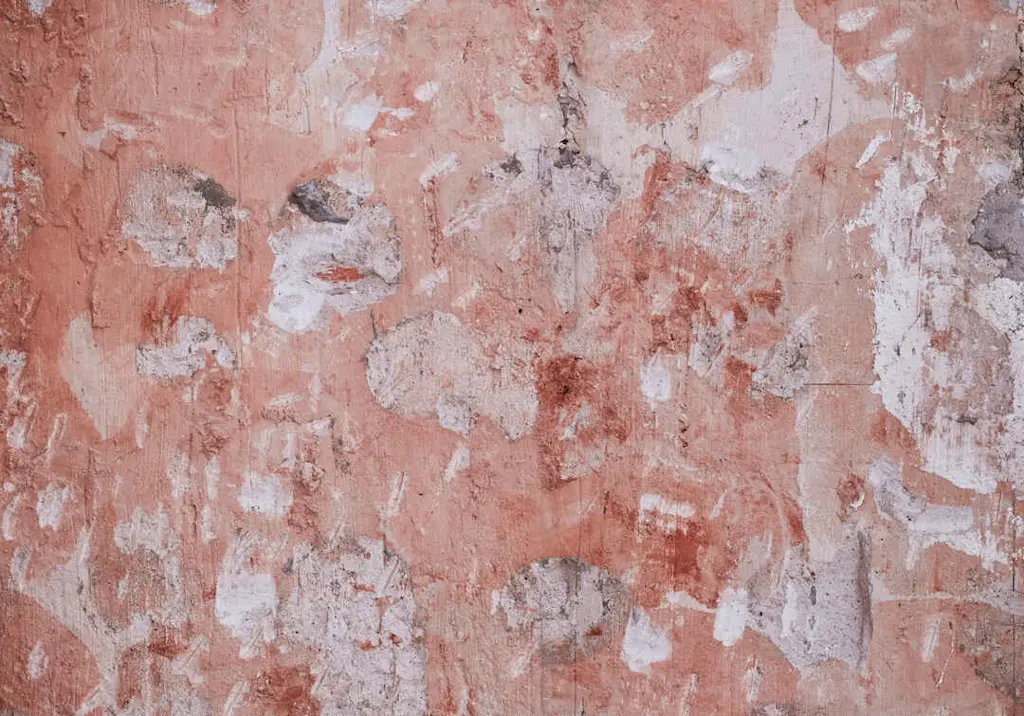
Once cladding comes off, you'll typically find one of a few things: bare brick, block or stone that just needs cleaning and repointing, an insulated timber frame, or a wall in poor condition that was covered up rather than repaired.
It's worth budgeting time (and possibly money) for repairs to whatever's revealed, rather than assuming the wall underneath will be ready to paint or render immediately.
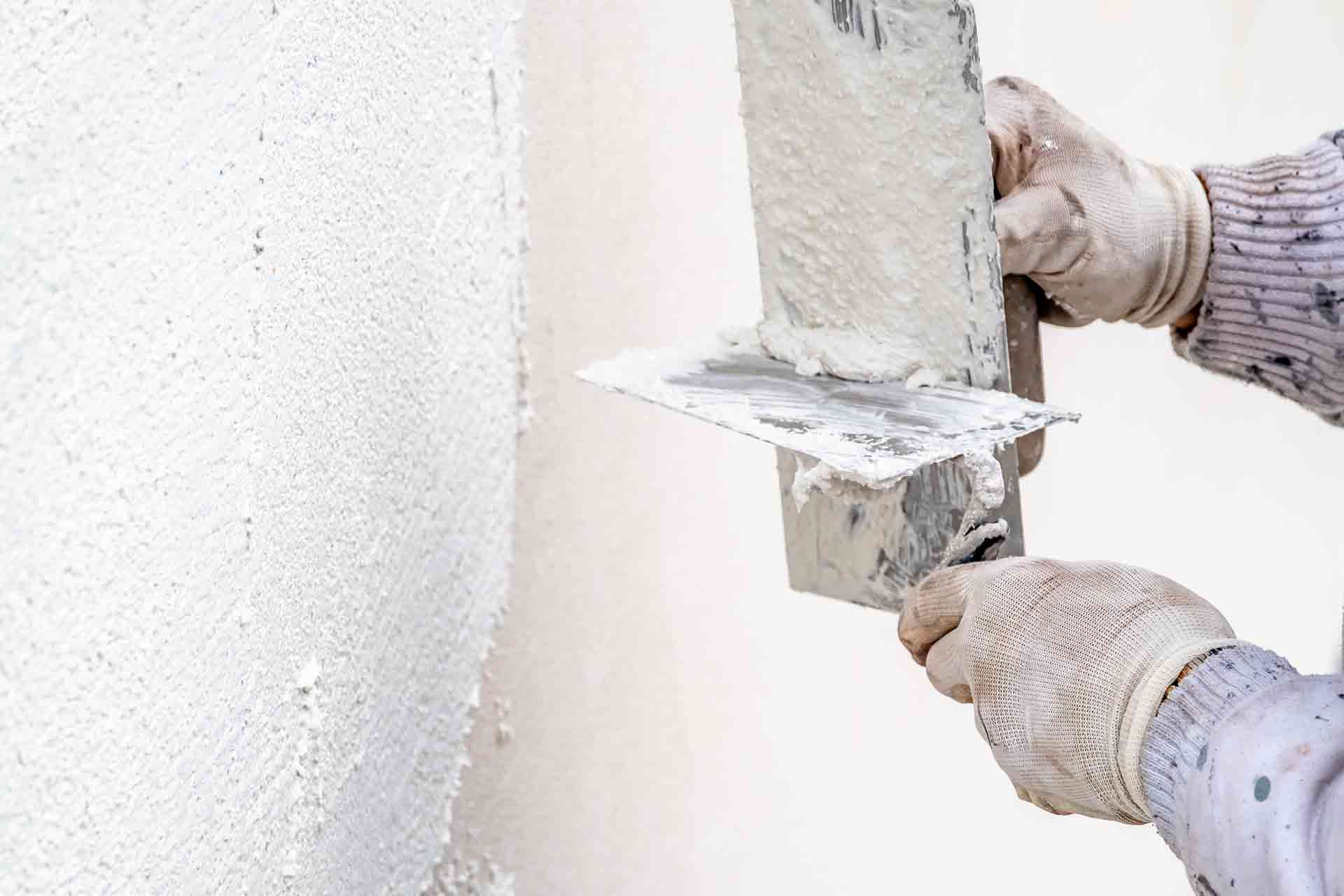
House rendering: Cost breakdown (UK) 2026
Discover how much house rendering costs, what affects pricing, and how to budget accurately using our house rendering cost calculator.
Professional cladding removal
Cladding removal can go wrong quickly if it's not done carefully, damaged brickwork, torn insulation, or a wall that isn't weatherproof afterwards are all common outcomes of a rushed job.
It's also physically demanding and, for stone or larger jobs, genuinely time-consuming.
A general builder is the right trade for most cladding removal jobs, and can also advise on what condition the wall underneath is in and what it'll need next.
Start browsing for checked and reviewed local builders near you
Enter your postcode to find a top tradesperson near you
JR Innovative Building Limited
10.00
(13 reviews)Services & skills
BuilderCladdingCore DrillingGarage ConversionsExtensions / ConversionsCrafted Finish Construction
10.00
(4 reviews)Services & skills
BuilderCladdingWarehouse RackingCar PortsBrick / Concrete Structural RepairsJMC Build LTD
10.00
(13 reviews)Services & skills
BuilderCladdingFoundationsGarden StudiosExtensions / ConversionsHOLTON BUILDING SERVICES LIMITED
10.00
(3 reviews)Services & skills
BuilderCladdingTree HousesConcretingBrick / Concrete Structural RepairsBELDON BUILDING AND MAINTENANCE LTD
10.00
(3 reviews)Services & skills
BuilderCladdingExtensions / ConversionsPeriod Property RestorationMastic Sealant



Need reassurance? All tradespeople pass up to 12 checks before joining, and we keep checking after.
FAQs
Yes, for most timber, plastic and fake brick cladding on a standard house, this is a manageable DIY job with the right tools and a bit of patience. Stone cladding and anything on a flat or high-rise building are the main exceptions.
It's possible in some cases, but generally not advisable. Cladding over cladding can trap moisture, cause hidden damage, and creates problems that are much harder to spot and fix later. Removing the old layer first is the safer approach.
It depends entirely on the material. Timber cladding fixed with nails is relatively straightforward. Fake brick or plastic cladding varies depending on whether it's nailed or glued. Stone cladding, fixed with cement, is consistently the hardest and most time-consuming to remove properly.
For most standard houses, removing and replacing cladding doesn't need planning permission, though it's worth checking if your property is listed or in a conservation area. If you live in a flat or high-rise building, cladding changes are subject to separate fire safety regulation and should go through your building's managing agent rather than being treated as a standalone DIY project.
This depends on the material. Timber can often be recycled or repurposed if it's in good condition. Plastic, stone and general debris usually need to go to a licensed waste facility, check with your local council on disposal rules before you start, especially for larger quantities.
Costs vary widely depending on material, house size and whether you're removing, replacing, or both. Our house cladding cost guide breaks down what to expect for a typical job.
That depends on your budget, the look you want, and how much maintenance you're willing to take on. Timber, uPVC, brick slip and composite cladding all have different upkeep needs and price points, our guide to installing cladding covers the options in more detail.


See the tradespeople we've checked for your job