HOW-TO GUIDES
How to remove graffiti
Updated 08/26
By: Olivia Scammell
Reviewed: Alex Peters

Finding graffiti on your property is never a nice surprise. Whether it's a tag on your garden wall or a full mural across your garage door, the instinct is usually to grab a scrubbing brush and get rid of it as fast as possible.
The trouble is, the wrong method on the wrong surface can do more damage than the graffiti itself.
What to do in the first few minutes of finding graffiti
Which removal method suits brick, wood, metal or glass
Whether DIY cleanup is safe or a professional is needed
How much professional graffiti removal typically costs
Who's responsible for removing it, you, a landlord or the council
How to stop graffiti coming back for good
This guide walks you through how to remove graffiti from brick, render, wood, metal, glass and uPVC, what it costs to bring in a professional, and how to stop it happening again.
Want to skip the hard steps and get a tradesperson to do the job for you? You've come to the right place.
Find a graffiti removal specialist near me

Act fast: what to do in the first 24 hours
Fresh paint is always easier to shift than graffiti that's had days or weeks to cure into the surface, so speed matters. Before you reach for any chemicals, take a few sensible first steps.
Take clear photos of the graffiti, in case you need them for a police report or an insurance claim
Avoid scrubbing straight away, work out what the surface is made of first
Check whether your property is listed or in a conservation area, as this can affect what removal methods are allowed
If you rent, contact your landlord or managing agent before treating anything
If the graffiti is offensive or on a shared/boundary wall, consider reporting it to your local council, as some councils offer free removal from public-facing surfaces
Always test any cleaning product or method on a small, hidden patch first. What works perfectly on one brick can bleach, scorch or discolour the one next to it.
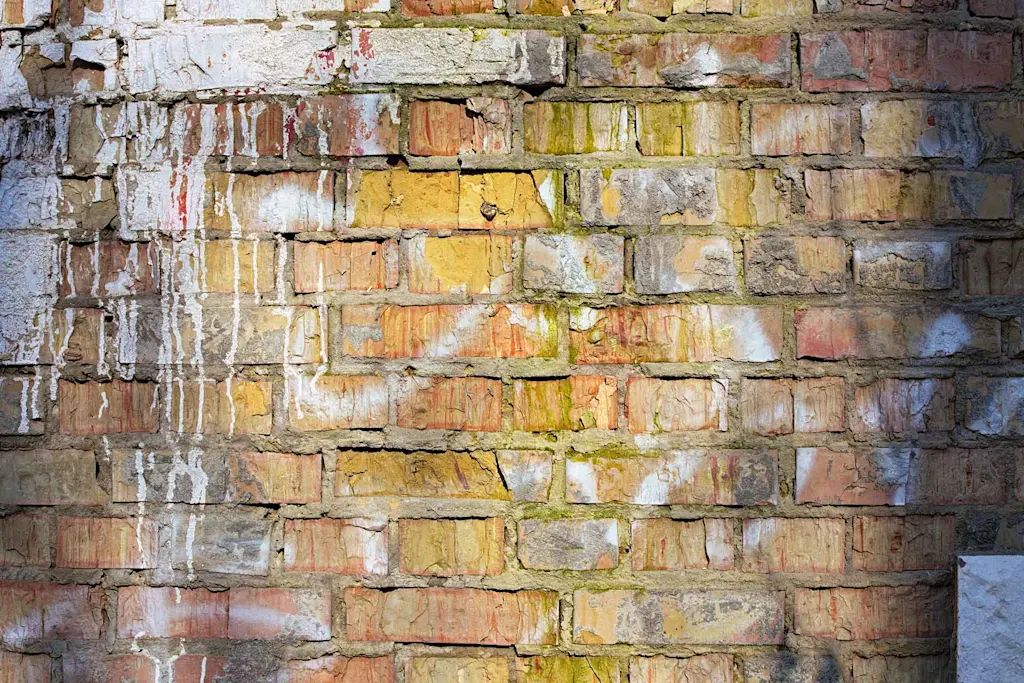
How to remove graffiti from brick
Brick is porous, which is exactly why graffiti is such a headache on it. Paint pigment works its way into the tiny pores in the surface, so a quick wipe rarely does the job, and the wrong technique can leave permanent scarring, known as "shadowing."
It also makes a big difference whether your brick is bare or painted:
Bare brick: a specialist graffiti remover, applied and left to dwell before gentle scrubbing, tends to give the best results without damaging the brick face
Painted or masonry-painted brick: cleaning products can strip a matt masonry paint back to a patchy gloss finish, leaving an obvious mismatch. Repainting the affected section (using a paint with good blocking power) is often the safer option
Here are the main methods used on brick:
Specialist graffiti remover: a solvent-based gel or spray, formulated to break down paint pigment without eating into the brick. Usually the safest DIY option
Power washing: effective, but a high-pressure nozzle can chip or pit soft or old brickwork if you're not careful
Sandblasting: removes graffiti quickly but is genuinely a job for a professional, done badly, it strips the brick's surface and changes its colour permanently
Wire brush: works on tougher marks but is slow, and can scratch soft or reclaimed brick
Hiring a professional: worth it if the graffiti is large, old, or on brick you'd hate to damage
Never mix chemical graffiti removers with bleach or other household cleaning products, the fumes can be dangerous, and the combination rarely improves results.
How to remove graffiti from render, pebbledash and stone
Render, pebbledash and natural stone all behave differently to brick, and it's worth knowing the difference before you start.
Render: modern renders are often more forgiving than brick, but textured or coloured renders can still show shadowing after cleaning. A specialist render cleaner or gentle steam clean is usually safer than high pressure
Pebbledash: the uneven surface traps paint in the gaps between stones, so a soft-bristle scrub with a dedicated remover tends to outperform power washing
Natural stone (sandstone, limestone, granite): acidic cleaners and harsh abrasives can etch soft stone. A poultice, baking soda and water, left to sit for several hours before rinsing off, is a gentler option for delicate stone types
If you're at all unsure what your render or stone is made from, it's worth getting a professional opinion before treating a large area.

How to remove graffiti from wood
Wood is one of the trickier surfaces because removing graffiti often means refinishing the whole panel or fence board, not just the tagged section.
If the wood is already painted, painting over the mark is usually the quickest fix, assuming the paint underneath is in good condition. If it isn't painted, you've got a few options:
A wire brush to physically scrub the graffiti away
Sandpaper or an electric sander, working with the grain
A low-pressure wash (anything over roughly 700 psi risks driving paint deeper into the grain)
A solvent or graffiti remover suited to timber
Whichever method you use, you'll usually need to reseal or repaint the wood afterwards to protect it and even out the finish.
How to remove graffiti from metal
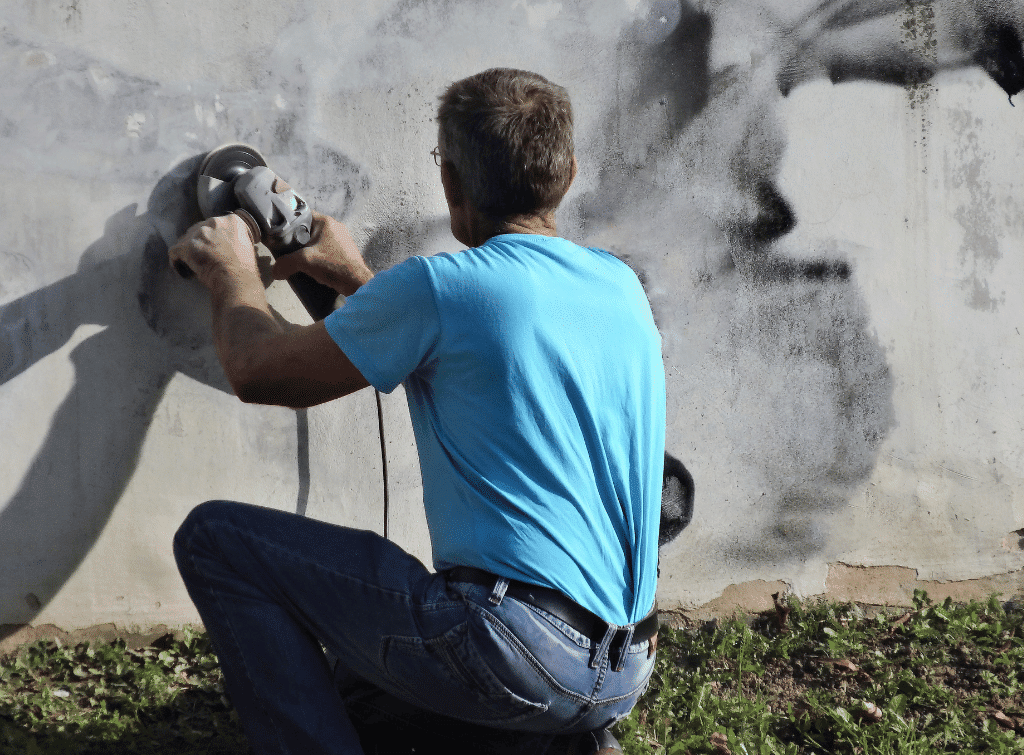
Metal surfaces, gates, shutters, downpipes, garage doors, need a careful approach because the wrong abrasive can scratch through a protective coating and leave the metal exposed to rust.
Painted or powder-coated metal: a graffiti remover suited to metal, followed by gentle rinsing, usually lifts the paint without damaging the coating underneath
Bare or galvanised metal: fine steel or bronze wool can work, but always start with the least abrasive option
Aluminium and stainless steel: these are sensitive to acidic cleaners, so stick to products specifically labelled safe for the metal type
Whatever you use, check the surface for rust or corrosion afterwards, it's a common side effect of harsh cleaning on unprotected metal.

How to remove graffiti from glass and uPVC
Glass and uPVC (window frames, doors, conservatories) both need a gentler touch than masonry.
Glass:
Spray with a standard glass cleaner
Use a fresh, sharp razor blade to carefully scrape the paint away, keeping the blade flat to avoid scratching
A "magic eraser" style sponge can work on lighter marks
Solvents such as nail polish remover can help lift stubborn residue, always in a ventilated space
uPVC:
uPVC scratches more easily than people expect, so avoid anything abrasive. A dedicated uPVC cleaner or a mild solvent on a soft cloth is usually enough, and it's worth checking the manufacturer's care guidance first, since some solvents can dull the finish.
For both surfaces, if the graffiti is on a hard-to-reach window, a shopfront, or a large conservatory roof, hiring a professional is usually the safer call.
Find a graffiti removal specialist near me
How much does professional graffiti removal cost?
Once you've weighed up the risk of DIY against the size of the job, cost is usually the next question. Professional graffiti removal is typically charged per square metre, and the method used affects the price.
Steam cleaning: typically £42 to £135 per m².
Chemical cleaning: similarly priced, typically £42 to £135 per m².
Sandblasting: typically £99 to £150 per m².
Anti-graffiti coating: typically £99 to £180 per m².
Your final price will depend on the size of the area, the surface type, how long the graffiti has been there, and your location. For a full cost breakdown, including call-out fees and what affects the price, take a look at the guide below.

How much does graffiti removal cost in the UK?: 2026 price guide
Graffiti plastered on buildings, fences and other objects can make any neighbourhood look unattractive and neglected and therefore lower the value. If graffiti is left in place, the area can also become a target for more anti-social behaviour. Which is why effective graffiti removal is so important.
Graffiti removal cost calculator
Every property and every graffiti job is a little different, so a general price range only tells you so much.
Checkatrade's AI-assisted pricing tool can give you a more tailored estimate based on your surface type, the size of the affected area and your location.
Job Estimate Calculator

The risks of removing graffiti yourself
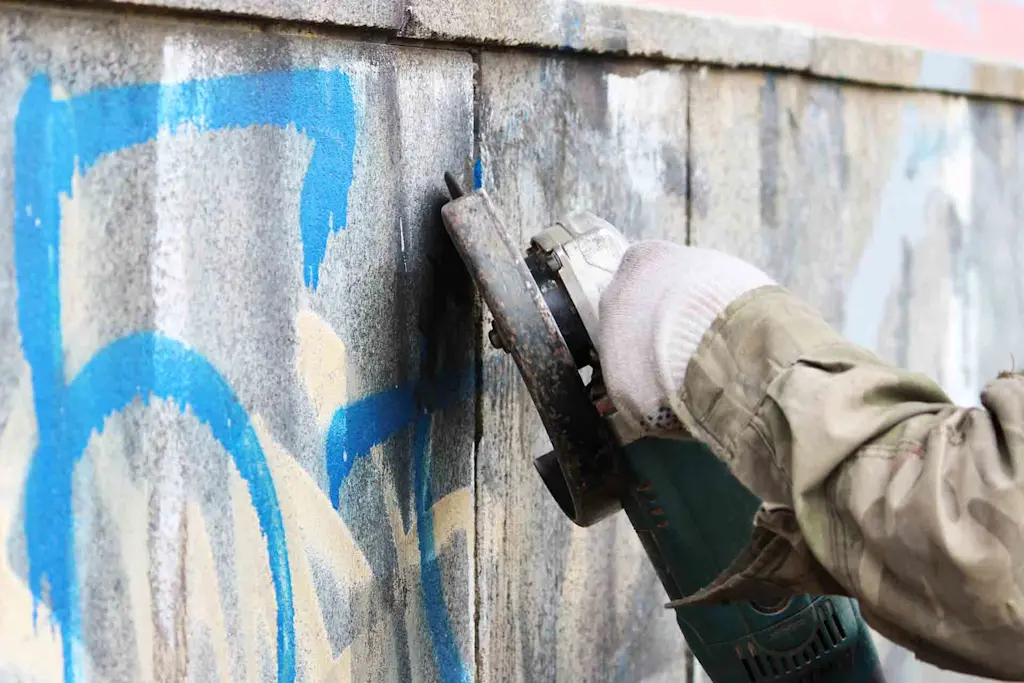
DIY graffiti removal isn't dangerous by default, but it does carry some real risks worth weighing up before you start:
Surface damage: power washing, sandblasting and harsh chemicals can chip, pit or discolour brick, render and stone, damage that's often more expensive to fix than the original graffiti removal would have cost
Incomplete removal: some methods lift the top layer of paint but leave a "ghost" mark or shadow behind, especially on porous surfaces
Personal injury: solvents, chemicals and pressure washers can cause skin, eye or lung irritation if used without gloves, goggles and ventilation
Property damage: overspray from chemicals can affect nearby plants, glass or paintwork if you don't cover the area first
If graffiti covers a large area, is high up, or is on a surface you're worried about damaging (render, natural stone, a listed building), it's almost always cheaper in the long run to bring in a professional the first time.
Whose responsibility is it, and does insurance cover it?
Generally, removing graffiti from your own property is your responsibility, though many councils will remove offensive graffiti from public-facing walls for free, or graffiti on public property such as bus stops and signage.
If you rent, this typically falls to your landlord. Some home insurance policies include cover for vandalism, including graffiti, but this varies significantly between insurers and policies, so it's worth checking your specific terms before assuming you're covered.

Need reassurance? All tradespeople pass up to 12 checks before joining, and we keep checking after.
How to prevent graffiti happening again
If your property has been targeted once, it's worth assuming it could happen again, particularly if it's on a boundary wall, garage or anywhere visible from the street.
A few practical changes can make your property a much less appealing target.
Anti-graffiti coatings create a non-stick barrier on brick, render or metal, so any future graffiti wipes off far more easily
Security lighting removes the cover of darkness that most vandals rely on
CCTV acts as both a deterrent and a way of identifying repeat offenders
Planting spiky hedges or trellis along a boundary wall makes it physically harder to reach
Darker paint colours on exterior walls are, anecdotally, less appealing to graffiti artists than plain pale render
If you're painting over graffiti on wood or render, ask your decorator about a paint with anti-graffiti or "easy-clean" properties, it costs a bit more upfront but saves repeat repainting.
How to find a professional graffiti removal specialist
If you've decided a professional is the safer route, and for anything beyond a small, fresh mark, it usually is, it's worth taking a bit of care over who you hire.
Look for a tradesperson who can tell you upfront what removal method they'll use and why, based on your specific surface.
A good specialist will test on a small area first, protect surrounding plants, glass and paintwork, and talk you through anti-graffiti coating options to reduce the chances of a repeat visit.

Whether you need a CCTV installer to keep an eye on a repeat trouble spot, an electrician to fit outdoor security lighting, a bricklayer to raise or repair a boundary wall, or a gardener to plant a thorny hedge, Checkatrade can match you with checked trades for whichever angle of prevention makes sense for your property.
FAQs
For small, fresh marks on a durable surface, DIY is usually fine if you test on a hidden patch first. For large areas, old graffiti, render, natural stone or anything high up, a professional is the safer and often cheaper option once you factor in the risk of damage.
It can, if the wrong method is used. Power washing and sandblasting are the most likely culprits for chipping or pitting, particularly on soft or old brickwork. A specialist graffiti remover applied gently is generally the lowest-risk option.
This is genuinely one of the trickiest jobs. Cleaning products can turn a matt masonry paint patchy or glossy in the treated area. Many professionals recommend repainting the whole affected section, rather than trying to spot-clean and match the existing finish exactly.
Generally, it's the property owner's responsibility. However, many councils offer free removal of graffiti on public-facing walls or from public property such as street furniture. If you rent, contact your landlord first.
Some policies cover vandalism, including graffiti, but this varies by insurer and by policy. Check your specific terms and conditions, and keep photos of the damage in case you need to make a claim.
It depends on the size and surface, but as a rough guide, professionals typically allow around 1.5 hours per square metre for cleaning, longer for stubborn or old graffiti.
Yes. An anti-graffiti coating creates a barrier that stops paint bonding to the surface, so any future graffiti can usually be wiped or hosed off rather than scrubbed or chemically treated. It's a sensible investment if your property has been targeted more than once.
There's no single fix, but combining an anti-graffiti coating with better lighting, CCTV and a less accessible boundary (hedges, trellis, fencing) covers most of the common triggers, poor visibility, easy access and a blank, unprotected surface.

More Graffiti Remover Articles

See the tradespeople we've checked for your job