HOW-TO GUIDES
How to replace a front door: What you need to know
Updated 09/26
By: Adam Harris
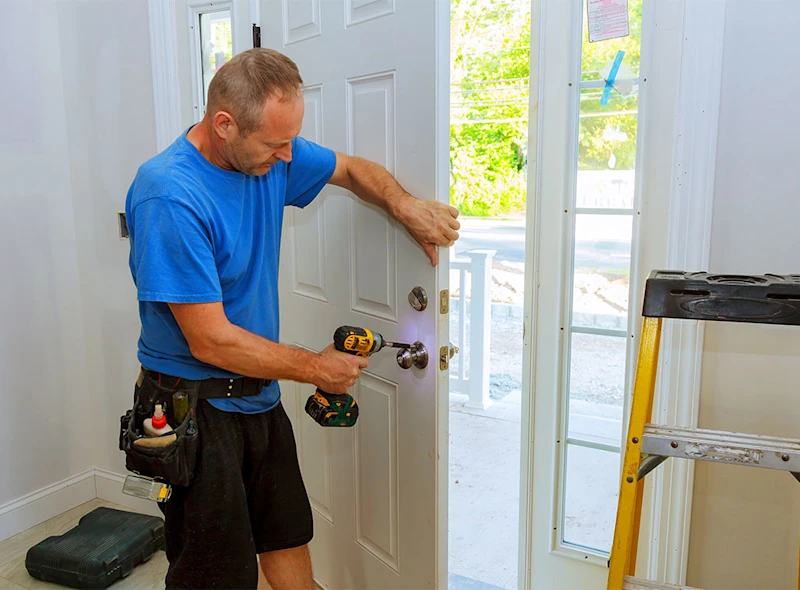
Is your front door swollen, draughty, or just looking tired? Replacing it does more than improve how your entrance and hallway look. A new door:
Upgrades your home's security
Cuts down on heat loss too
But it's also a job with more regulation attached than most people expect. Here’s what you need to know.
Whether replacing your front door is a realistic DIY job
What tools and measurements you'll need
The building regulations that actually apply
Step-by-step how the job is done
What a new front door typically costs
When it's worth calling in a professional installer
Can I replace my front door myself?
Whether you can replace a front door yourself comes down to two things: your DIY confidence and whether you're keeping the same size opening. Let's break it down:
A realistic project for an experienced DIYer if:
You’re fitting a like-for-like replacement into an existing, undamaged frame
You have the right tools for the job
You have a full day to complete the work (rushing the job could leave you needing a professional to put things right)
A job for a professional fitter:
If you're changing the door's dimensions
Replacing the whole frame
Adding side lights
Altering the opening in any way
Thorough planning matters when it comes to replacing a front door. Read our planning guide to replacing a door before you commit to a timeline or budget.
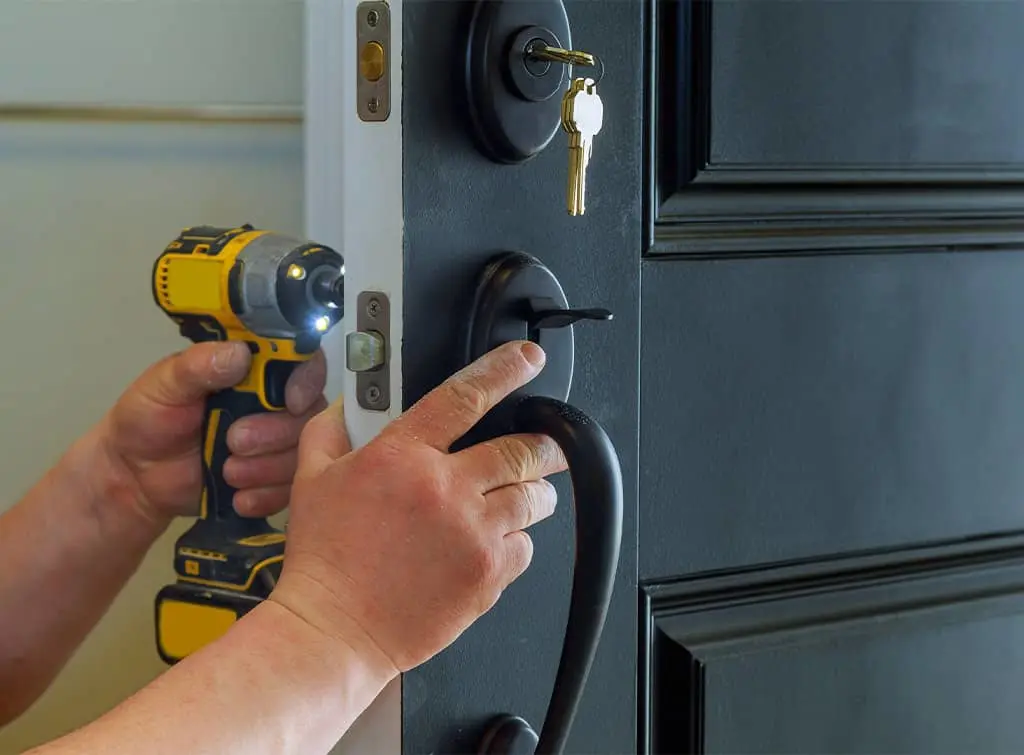
Do I need planning permission or building regulations approval?
Usually you'll need building regulations sign-off but not planning permission. That said, it's easy to mix the two up. Here's the difference:
Building regulations almost always apply, regardless of planning permission. Since 2002, replacement doors have counted as 'controlled fittings', meaning they must meet minimum standards for thermal performance and, where glazed, safety glass requirements.
Planning permission is rarely needed to replace a front door with one of a similar size and appearance. You're more likely to need it if you're changing the door's position, size, or if your home is listed or in a conservation area.
If you go down the DIY route, you may need to notify building control yourself.
If you use a FENSA or an equivalent installer, they can self-certify the work. This means you don't need to apply for building regulations sign-off separately.
Find a door fitter near you
If your home was built after 1999, building regulations generally require a level threshold at the front door for accessibility. It's worth checking this before you order a new door set, especially if you're changing from a raised sill.

What tools do I need to replace a front door?
Confident you've got the DIY skills and time to take on the job yourself? Here's the equipment you'll need:
Spirit level
Caulking gun
Mitre saw
Hammer
Pry bar
Screwdriver set
Tape measure
Stanley knife
Depending on the door set you choose, you may also need polyurethane sealant, expanding foam, and a waterproof membrane, in addition to the screws, nails and trims usually supplied with the door.
More to it than you first thought? Hiring a professional door fitter means you skip buying tools and materials you'll only use once.


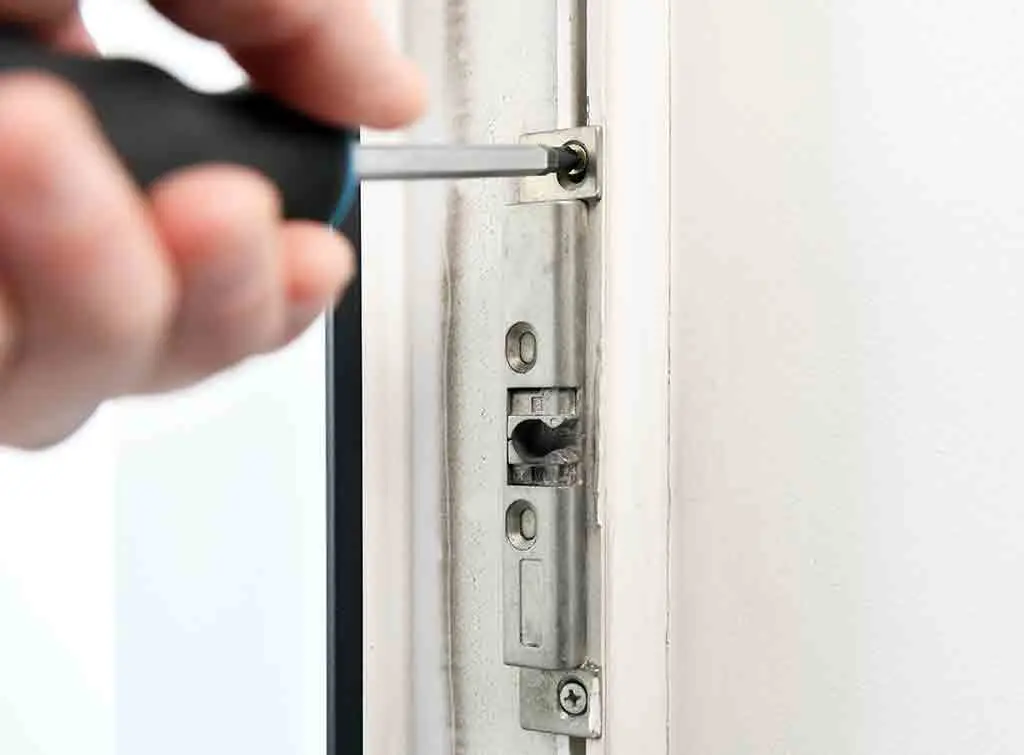
How to replace a front door step-by-step
Still keen to crack on with replacing a front door yourself? Great. Here's the process involved step-by-step:
1. Take accurate measurements
Measure door width, door height, jamb width, and both the exterior and interior opening widths. Precise measurements here make everything downstream easier.
2. Remove the existing door
Carefully unscrew the door from its frame, using a pry bar to remove trim without damaging surrounding brick or plasterwork.
3. Fit the new door
Once the old door is out, you're ready to fit your new external door. Fit the hinges to the existing frame, then hang the new door into place.
4. Seal and insulate
Fill the gap around the door with expanding foam, then fit interior and exterior trim for a neat finish.
5. Weatherproof the frame
Seal around the frame with polyurethane sealant so the finished door is weathertight and opens and closes smoothly.
Looking to replace internal doors, too, as part of a bigger refurbishment job? Our how to hang a door guide is also a handy read.
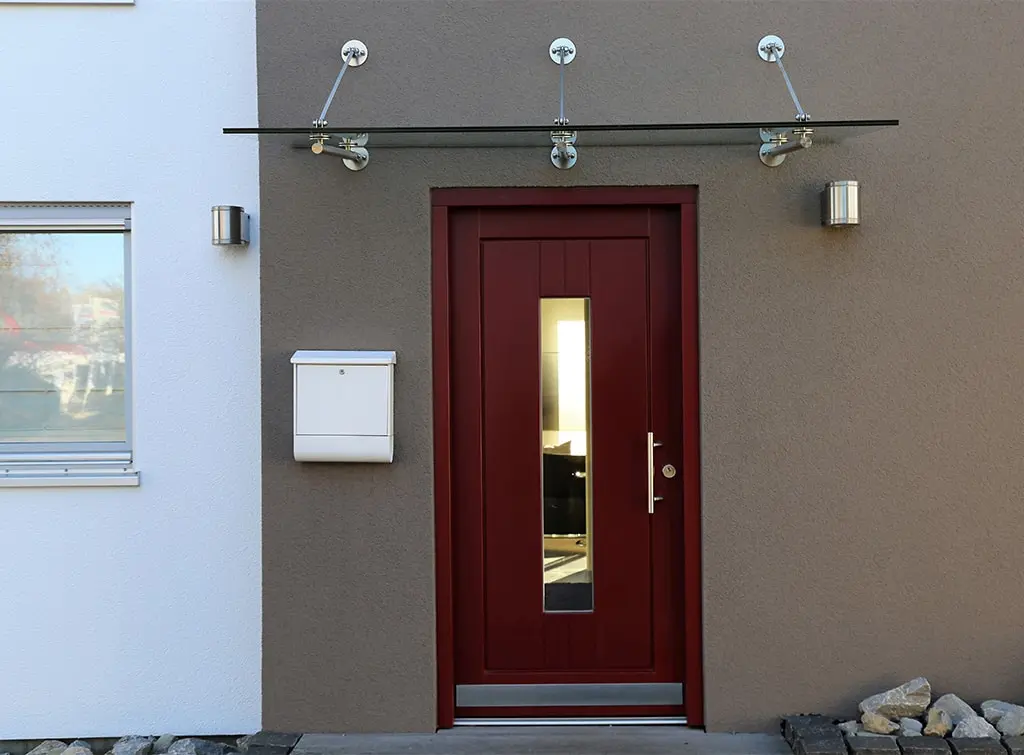
How much does it cost to replace a front door?
Decided to leave replacing a front door to a professional? The cost to supply and fit a timber door is roughly £550 - £1,800.
However, larger jobs involving a new frame, side lights, or bespoke security features will cost more. For a fuller breakdown, see our door installation cost guide.
Door installation costs 2026
If you’re thinking about replacing your old doors, or perhaps you’re renovating or extending your property, then researching door installation costs should be your first step.
Or try our interactive cost calculator for an instant estimate.
Job Estimate Calculator


Decided a professional install is the way forward but haven't figured out what style of front door to go for? Head to our doors hub for guides on uPVC doors vs steel doors and composite doors vs wood doors. We've got all the different door options ticked off.
Hiring a professional
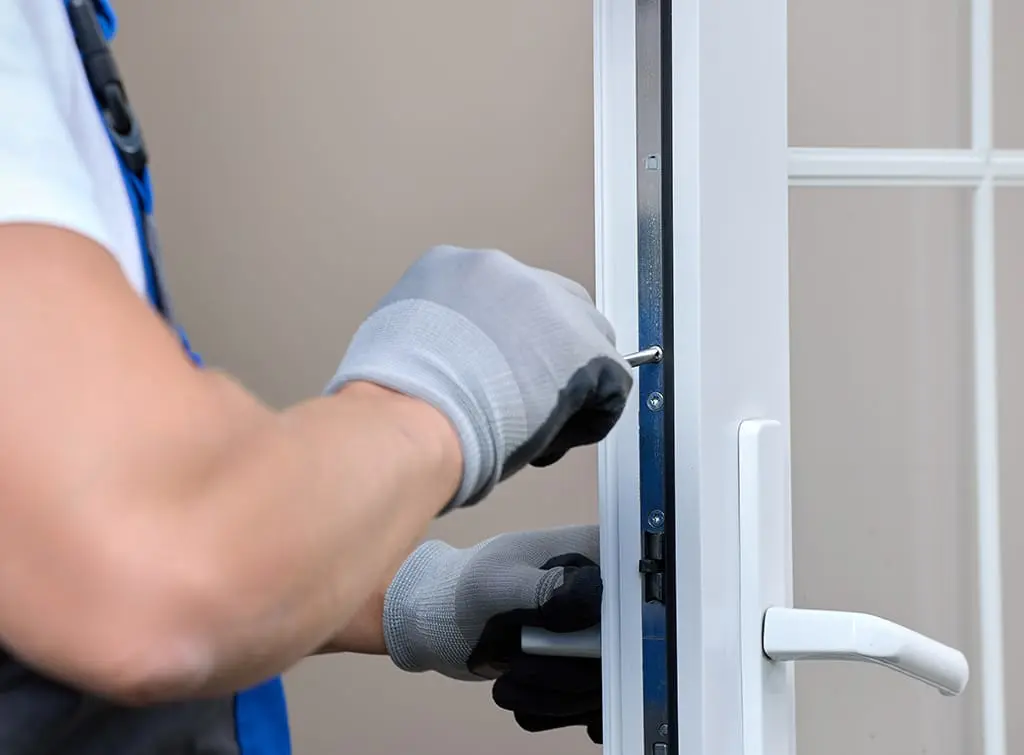
A poorly fitted door can leave your home less secure and less weathertight, so it's worth weighing up the risk before you commit to DIY.
Door replacement carries real risks around security, weatherproofing, and building regulations compliance.
If you'd rather not take those on yourself, find checked door fitters near you below.
Browse checked door fitters working in your area
Enter your postcode to find a top tradesperson near you
Volodymyr Holovchak
10.00
(2 reviews)Services & skills
CarpenterDoor Fitting / HangingBuilt In FurnitureCabinet Makers / Handmade FurnitureJoineryBLC CARPENTRY LTD
10.00
(11 reviews)Services & skills
CarpenterDoor Fitting / HangingRadiator CoversBuilt In FurnitureArchitravesHermitage Build
10.00
(23 reviews)Services & skills
CarpenterDoor Fitting / HangingGeneral CarpentryJoineryBespoke FurnitureAF BUILDING & DECORATING LTD
10.00
(6 reviews)Services & skills
CarpenterDoor Fitting / HangingWooden / Timber StructuresSkirtingLog CabinsLuca P Construction Limited
10.00
(26 reviews)Services & skills
CarpenterDoor Fitting / HangingHandmade Kitchens Designed / InstalledBoat Building / RepairsSkirtingAPPLETON AND ROWLINSON LIMITED
10.00
(31 reviews)Services & skills
CarpenterDoor Fitting / HangingRadiator CoversSkirtingCupboards



Before you replace your front door
FAQs about replacing a front door
A like-for-like front door replacement is achievable for an experienced DIYer. But anything involving a new frame, a different material, or a larger opening is a bigger job. Mistakes can affect your home's security and weatherproofing, so we'd recommend hiring a professional for anything beyond a straightforward swap.
You can replace the door without replacing the frame, as long as the existing frame is in good condition and the new door is measured to fit it precisely. Any inaccuracy in measurement can lead to a door that sticks, doesn't seal properly, or compromises security and thermal performance.
An experienced professional will usually complete a standard front door replacement in 2-4 hours. More complex jobs, such as those involving side lights or bespoke security systems, take longer. As a DIY project, expect it to take a full day.
If you keep the same size, position, and similar appearance, you usually don't need planning permission to replace a front door. But it still needs to comply with building regulations. You're more likely to need permission if you're moving the door, changing its dimensions, or if your property is listed or in a conservation area.
New front doors must meet minimum thermal performance standards, and any glazed sections must use safety glass. Homes built since 1999 also generally require a level threshold. A FENSA-registered installer can self-certify this work for you.
What front door material is best for your home depends on your budget and how much upkeep you want to take on:
Timber has a classic look but needs more maintenance
Composite is durable, low-maintenance, and good for security and insulation
uPVC is usually the most budget-friendly option with low upkeep
A new front door can improve your home's energy efficiency, since modern doors are built to meet current thermal performance standards and typically have far better insulation and seals than older doors. This is especially true of those fitted before 2002.
If you're using a professional installer, they'll typically remove and dispose of the old door as part of the job. But it's worth confirming this is included in your quote. If you're doing it yourself, check with your local council on disposing of large timber or uPVC items, as they often can't go in a standard household bin.
More Door Fitting / Hanging Articles

See the tradespeople we've checked for your job