Blog>Planning Guides>Adding a bay window: Planning your project
Last updated: 25 July 2024

Adding a bay window: Planning your project
Bay windows are a charming way to add space and light to your home. Read our complete guide to adding a bay window including budgeting, permissions and how to find the best tradesperson for the job.
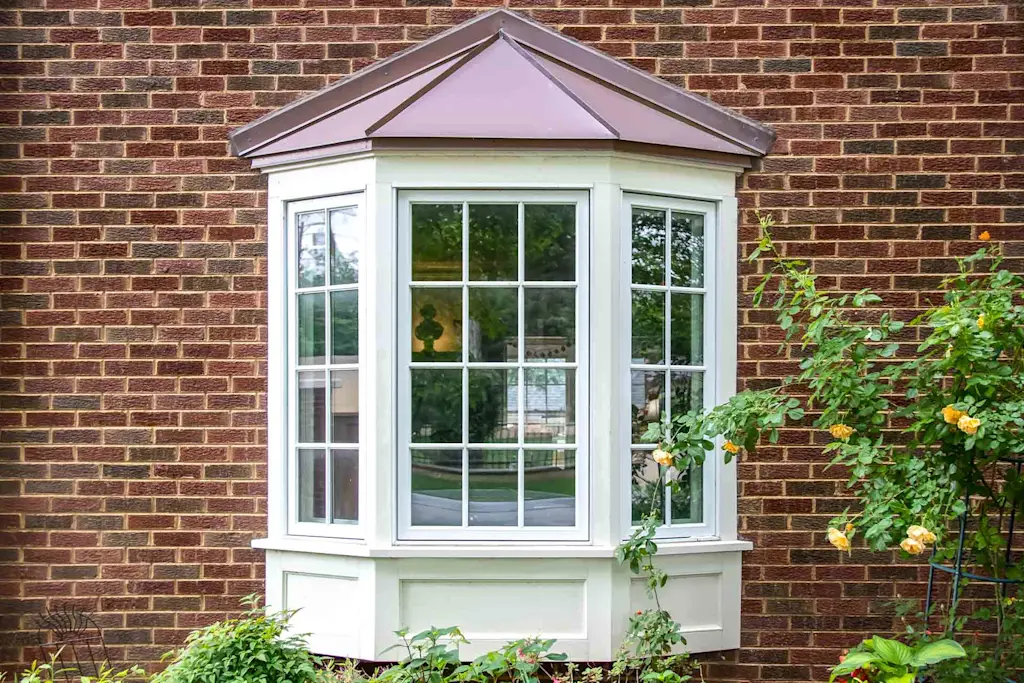
Adding a bay window is an excellent way to inject masses of character into your home. With generous glazing, these protruding windows enhance views, let extra light in, improve ventilation, and add space to the interior of your property.
Not only that, installing a bay window can also add value to your home due to its architectural charm and the way it creates more space inside the home.
Where to start with adding a bay window
Bay windows offer a distinct architectural silhouette to your property. They project outward from the main walls of a property creating an alcove inside.
A bay window is typically made up of a large sash in the centre with two smaller sashes on either side. But there are loads of different styles available to suit your aesthetic.
Upgrading to classic and elegant bay windows can completely transform the appearance of your home.
As such, adding a bay window can be a great investment. But before you start your renovation project, it's important to consider all the factors that come with it.
From costs to local regulations and design options, read on for a masterclass in bay window planning.
Fitting any type of window however, should not be attempted as a DIY project! You will need to hire a professional to install your new bay windows.
Pop your postcode in the search bar below and find bay window specialists we've recommended in your area.
Need a trade? Search now
Different styles of bay window
Bay windows come in a number of different styles to suit the architectural requirements of your home. These include options on size, angle, and window configurations including a wide range of materials and glazing types. Here are the most popular styles:
Traditional canted bay window
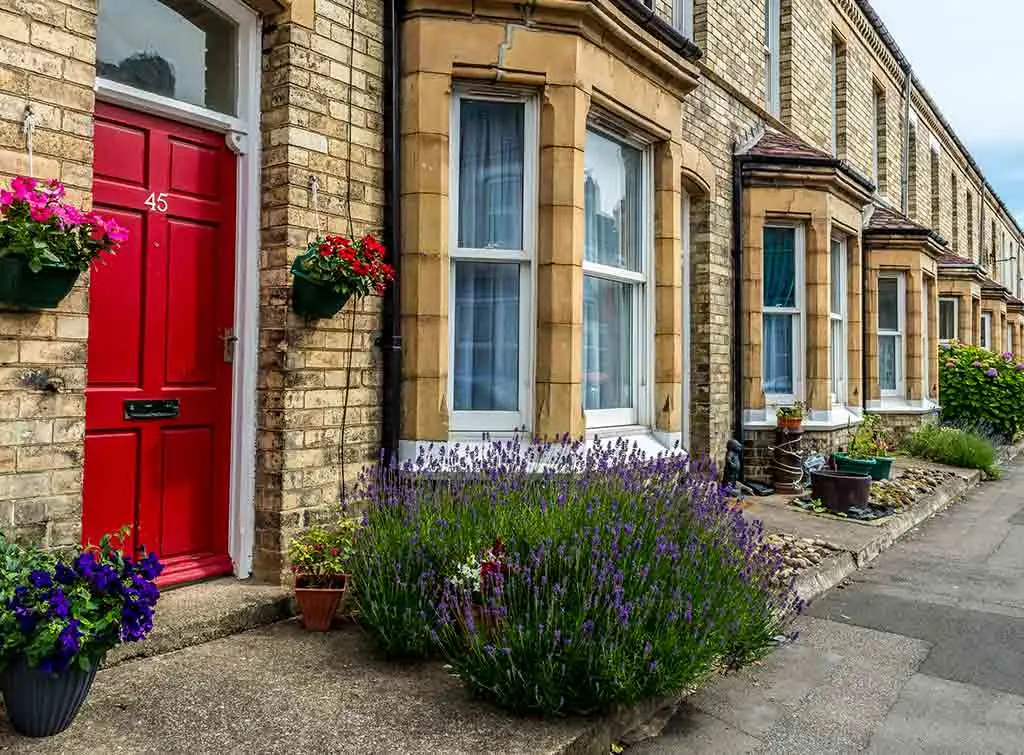
Commonly seen in Victorian and Edwardian homes, the traditional bay window, also known as a canted bay window, has a large central fixed window with two smaller windows positioned at a 30 or 45-degree angle on either side. This popular design creates a projection beyond the front of the property.
Box bay window
As the name suggests, a box bay has a rectangular ‘box’ shape – as opposed to a rounded or curved design. Rather than two angled side panels, a box bay window has a wider central window and two smaller windows set at 90 degrees creating a rectangular shape.
The area they create within the room is therefore also box-shaped, which some homeowners prefer due to the neat straight lines and corners.
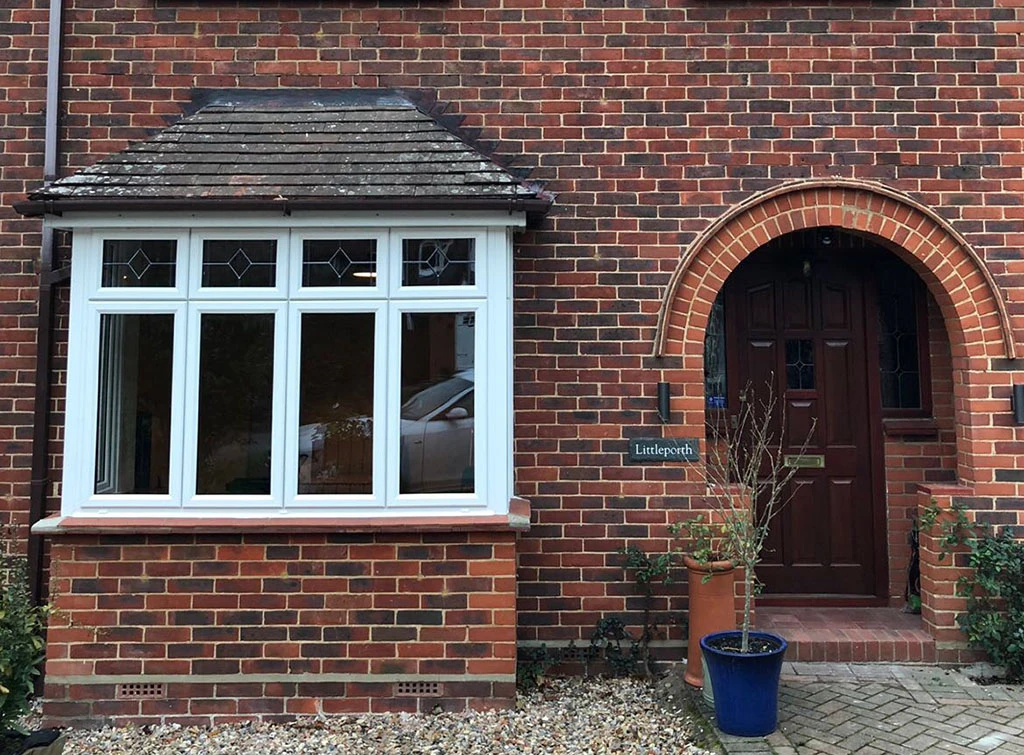
Image supplied by Sheerwater Glass (www.checkatrade.com/trades/sheerwaterglass)\[/caption\]
Bow bay window
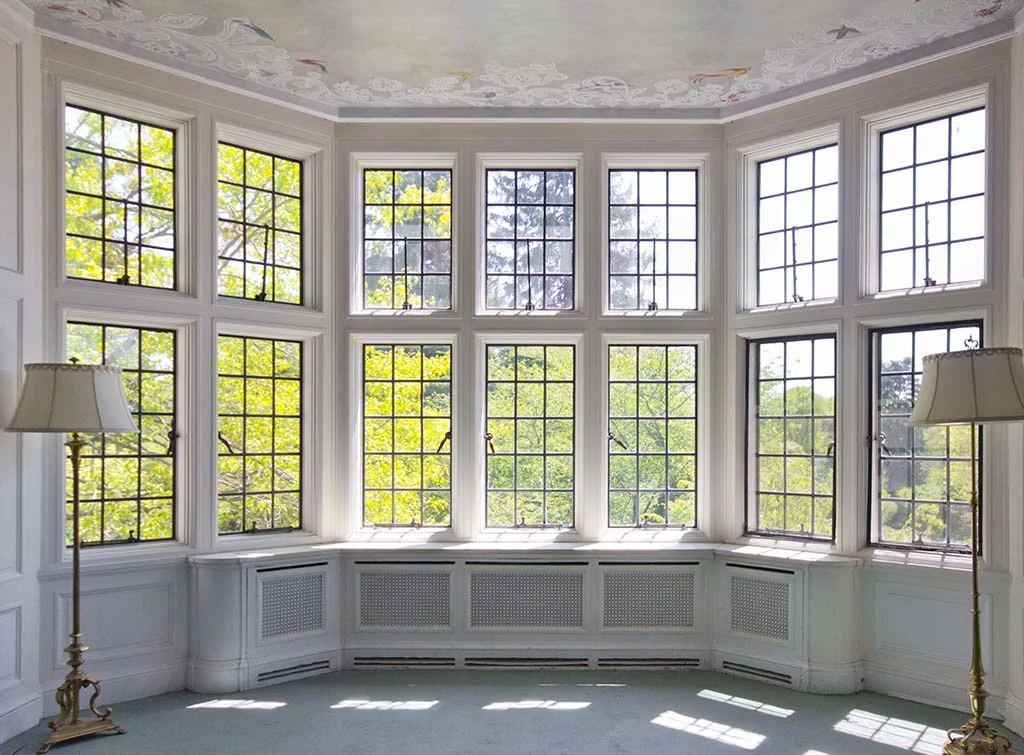
Bow windows have a smooth, curved shape typically made up of four or more sashes joined together at smaller angles.
This creates a curved effect both on the inside and outside of the property. Bow windows typically let in more light than other types of bay window.
Circle bay window
A circle bay is a more modern version of the traditional bow window, where the structure framing the window has a smoother circular design. They became popular for large living rooms and bedroom suites.
Oriel bay window
An oriel window is basically a bay window on an upper part of a property, not usually on the ground floor. Traditionally supported by brackets or corbels, oriel windows gained popularity in properties that wanted to improve the view from upper rooms in the home.
Need a trade? Search now
Bay window materials
It's important to consider the best materials when adding a bay window - both the frame and the type of glass used. Think about budget, durability, maintenance, and how you want the outside of your property to look.
Window frames
There are various types of window frames on the market, each with its own set of pros and cons.
Let’s take a look at the most popular options:
uPVC frames are a popular choice for homeowners due to their low cost, low maintenance needs, and energy efficiency
Timber frames offer a more traditional look and can be painted or stained to match your home’s aesthetic
Aluminium frames are highly durable with slim profiles customisable in a range of colours and finishes
Composite frames look like wooden window frames but are made from a combination of wood, vinyl, and fibreglass. This makes them more durable and lower-maintenance
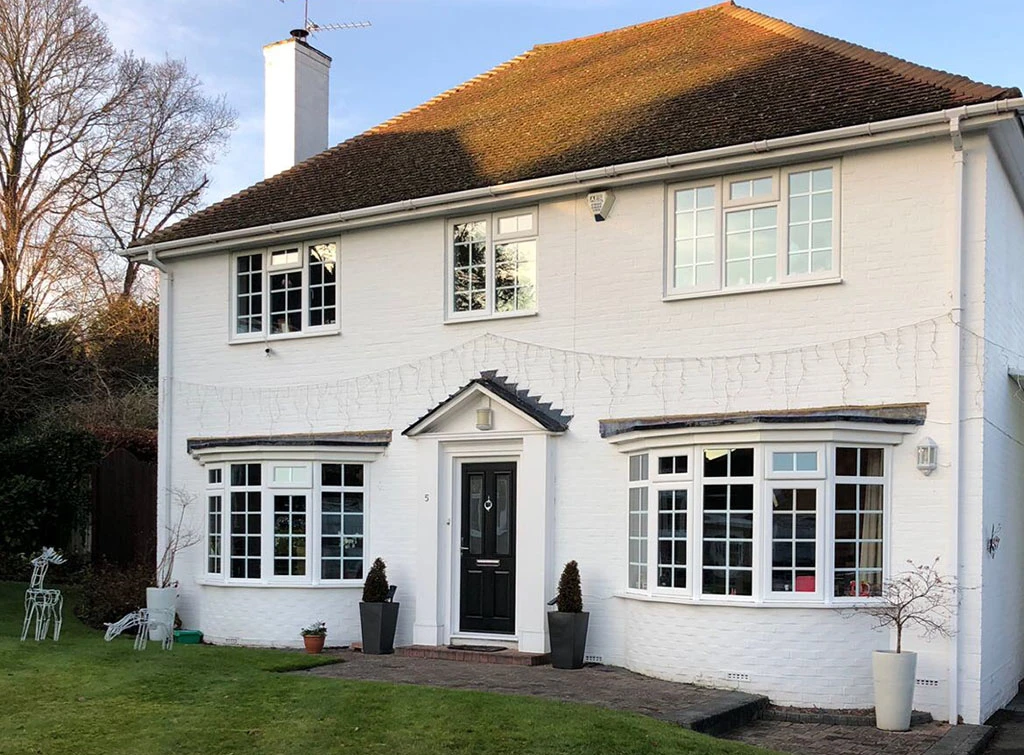
Image supplied by Sheerwater Glass. Visit their member profile here: https://www.checkatrade.com/trades/sheerwaterglass\[/caption\]
Glass
There are several glass options that can be used in a bay window, which can affect energy efficiency, safety, and security.
The most common glass options are listed below:
Single pane glass is the most basic type of window glass, but it’s not very energy-efficient and lets heat escape easily
Double-glazed windows have two panes of glass separated by a small gap that’s filled with an insulating gas (e.g. Argon). This type of glass is way more energy-efficient and helps reduce your heating bills
Triple-glazed windows have three panes of glass and provide even more insulation than their double-glazed cousins
Safety glass is designed for greater resilience while providing an extra layer of security for your home
Acoustic glass helps reduce noise pollution
Self-cleaning glass makes cleaning your windows easier
Decorative glass can be customised to meet your design requirements and include leaded, stained, or patterned glass
Frosted glass is typically used in windows in rooms that need more privacy, such as bathrooms or downstairs spaces in homes on busy roads. It obscures the view through the window while allowing natural light to enter the room
Tinted glass reduces the amount of light and heat being transmitted via a window. It is popular for windows exposed to a high amount of glare from the sun. Tinted windows will help to reduce the strength of the UV rays entering a room
Do I need planning permission for a bay window?
You will not need planning permission if you’re upgrading existing bay windows with new frames.
However, you’ll need to contact your local planning authority if you’re planning to swap flat windows with a bay window. Bay windows are classed as an extension as they protrude away from your property’s walls.
Usually, you only need planning permission when installing bay windows at the front of your property. Fitting the windows on the side or back of your home can usually be done without planning permission. It is always best to contact your council if you’re unsure whether you need planning permission or not.
While not all installations require planning permission, all windows must comply with building regulations. You can make sure your bay windows meet these legal safety standards by hiring a qualified window installer.
Need a trade? Search now
Pros and cons of bay windows
If you're still undecided about adding a bay window to your property, let's take a closer look at the pros and cons.
Pros
Here's why bay windows are a popular homeowner renovation:
They increase the amount of natural light in your home
They add kerb appeal and value to your home
They can add charm and character to the property
They extend the interior space of a room and make it feel more spacious
Durable options available can last for years and are generally low-maintenance
A huge range of styles, colours, and designs to choose from
Cons
Some disadvantages of bay windows include:
A higher price tag than the cost of flat windows - both the installation and extra window materials required
Lower energy efficiency due to larger glazed area
Less privacy when a bay is installed at the front of a property that faces onto a road. Although window treatments can solve this
Higher maintenance and can suffer from structural problems
Need for more complicated hardware including arched curtain poles, longer curtains, etc

Need reassurance? All tradespeople pass up to 12 checks before joining, and we keep checking after.
Styling a bay window
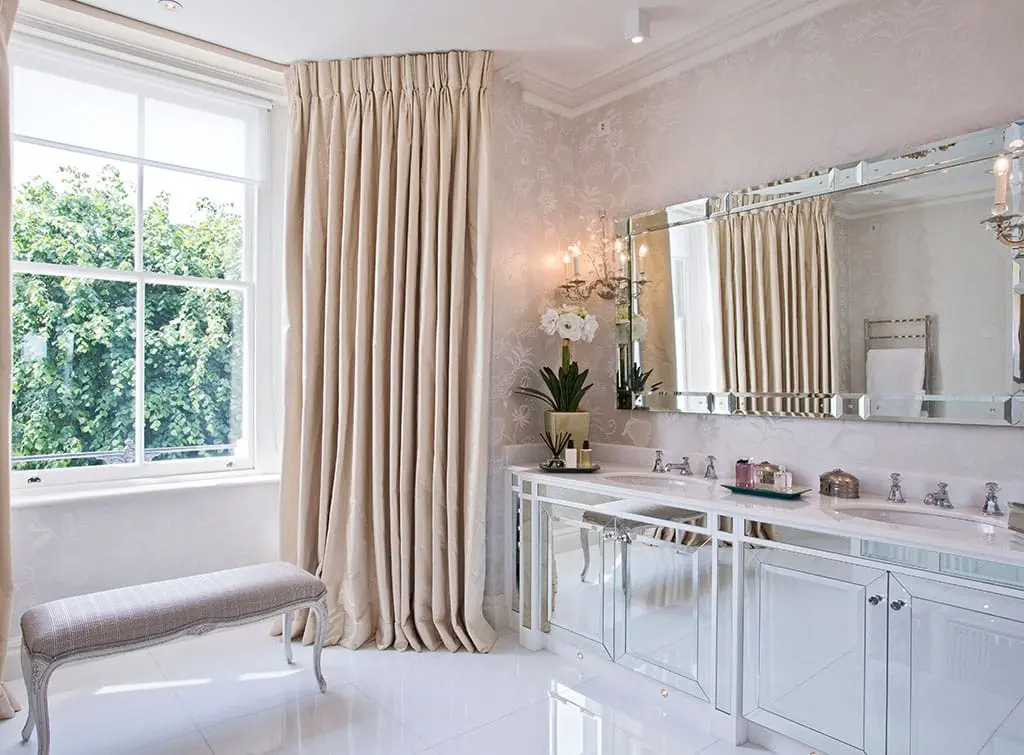
Due to their shape, straight curtain poles can’t be used with bay windows. Instead, you will need a curved rail – which can be more difficult to find in specific sizes and styles than a straight pole. You'll also need larger curtains.
Saying that there are so many great ways to style a bay window. Here are five of our favourites:
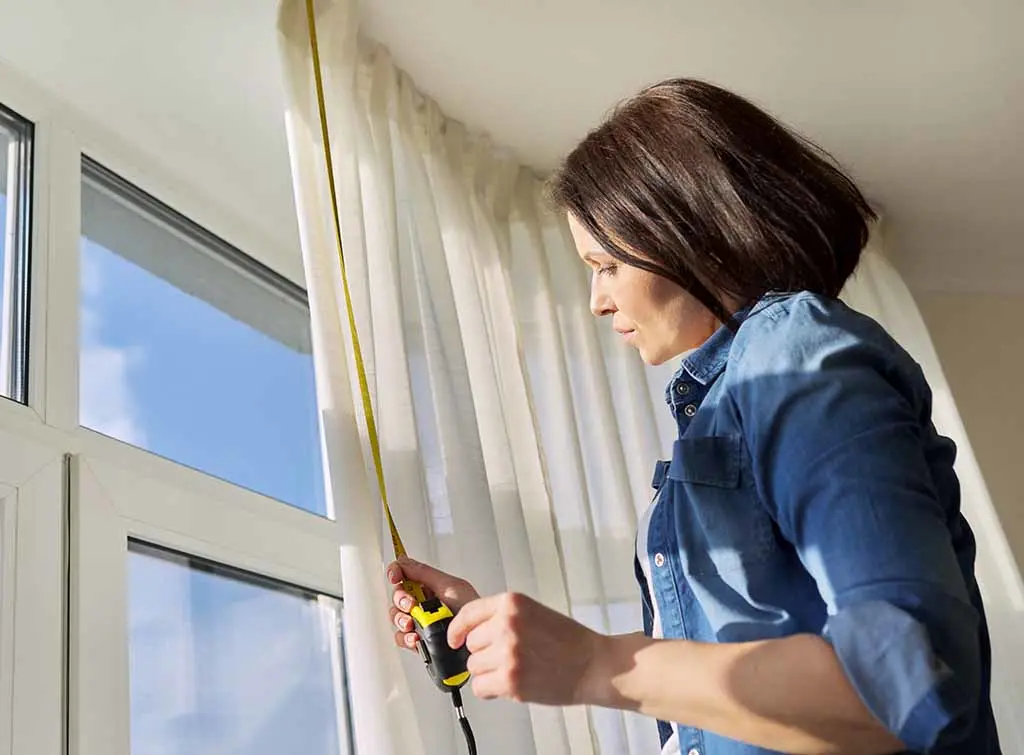
1. Maximise natural light with sheer curtains
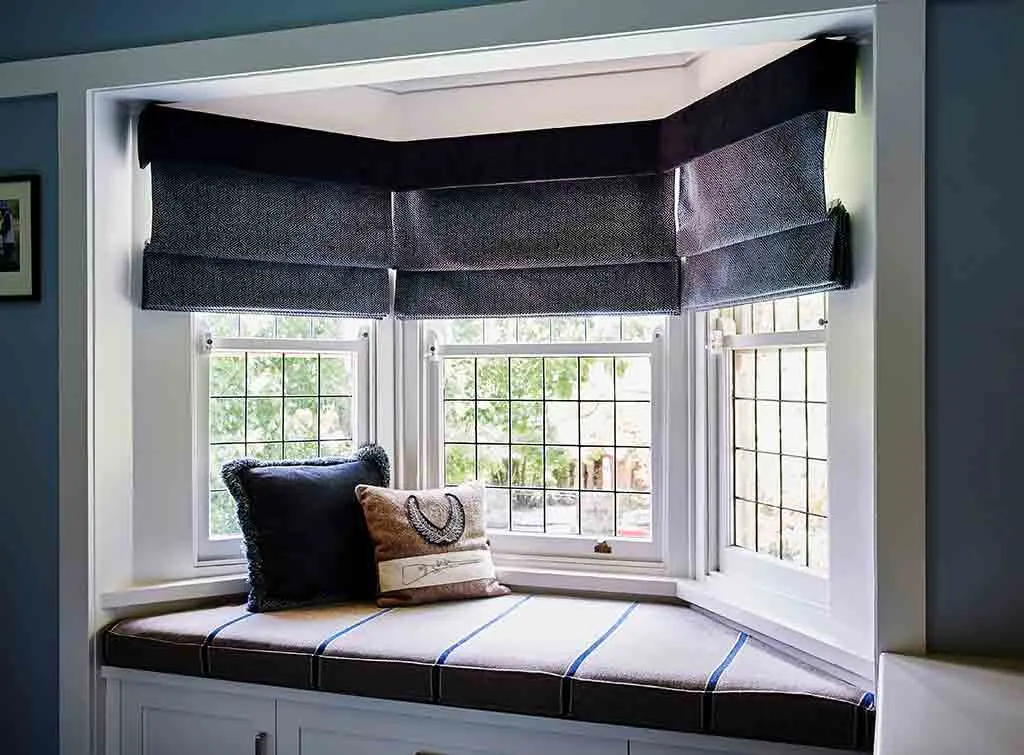
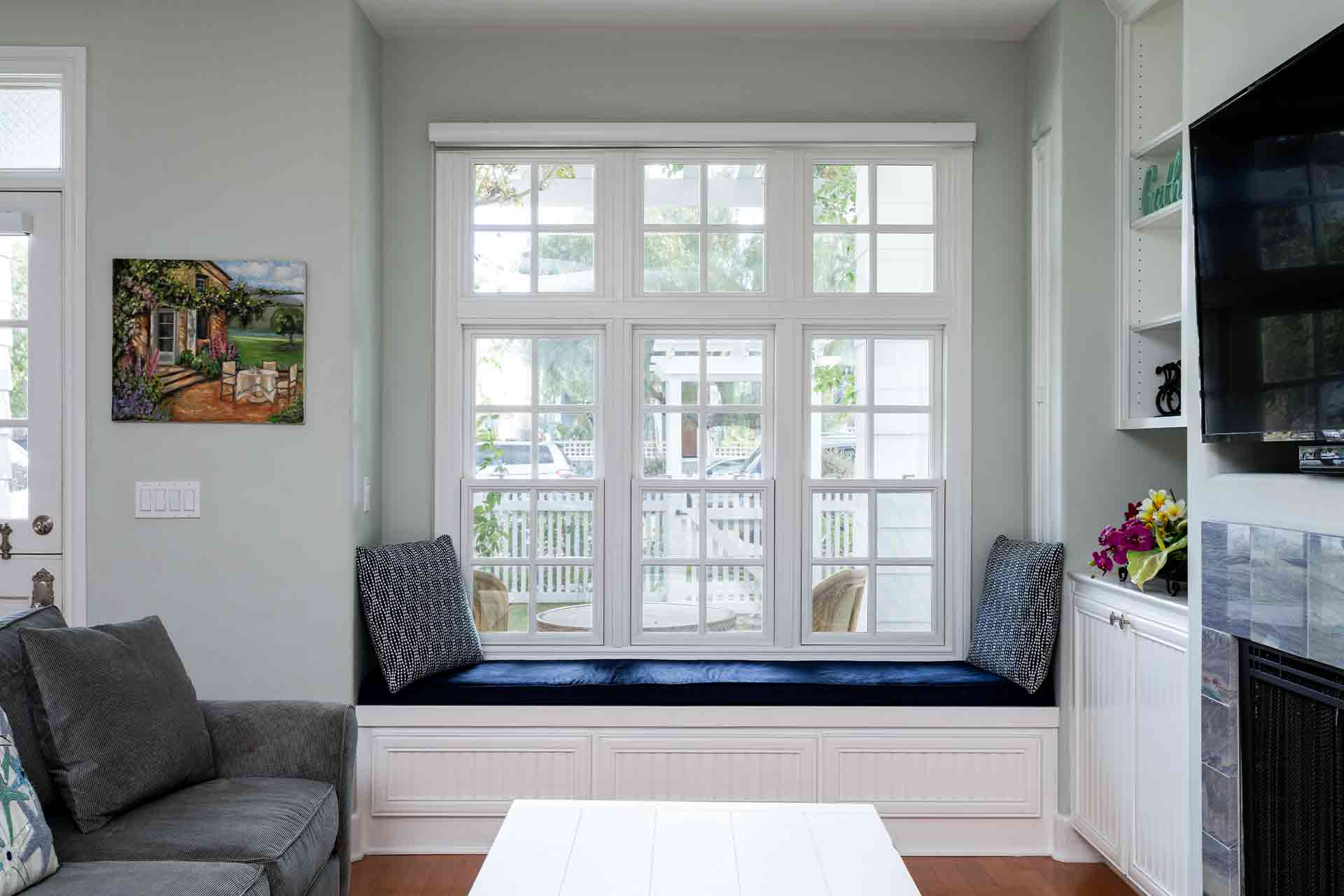
2. Build in a bay window seat for extra seating and storage
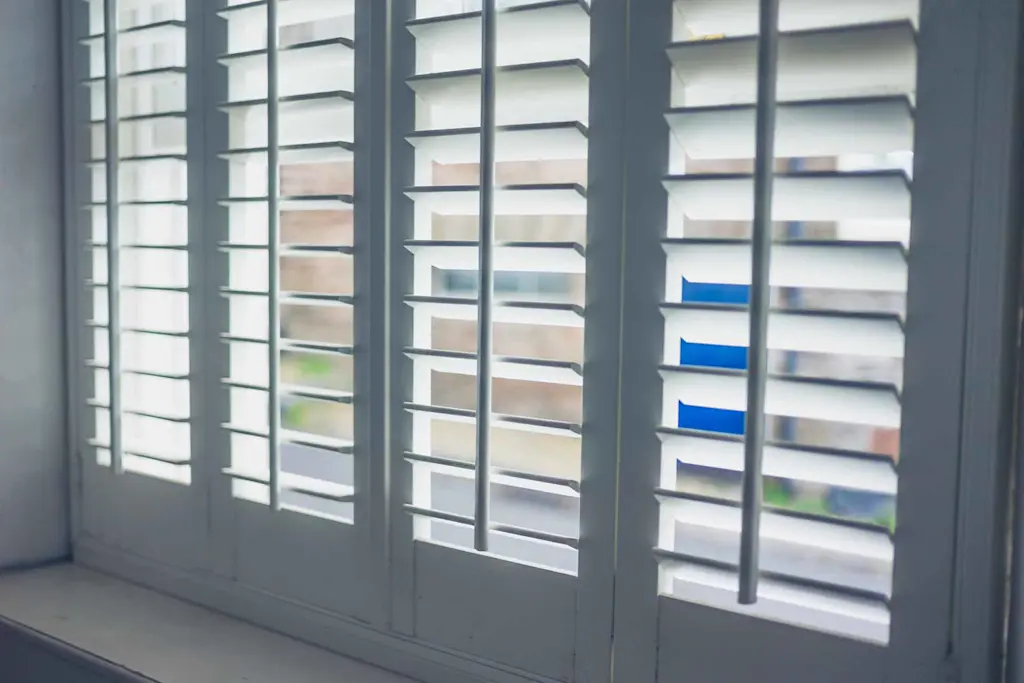
3. Try half-height shutters for the best of both worlds
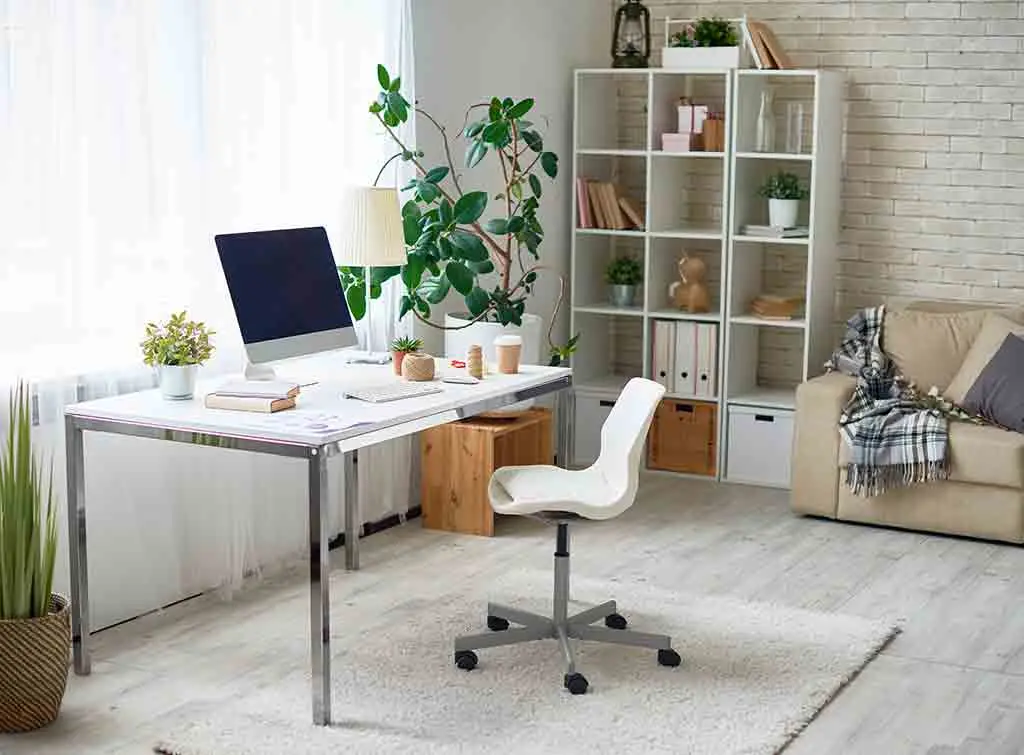
4. Create a light-filled work-from-home office
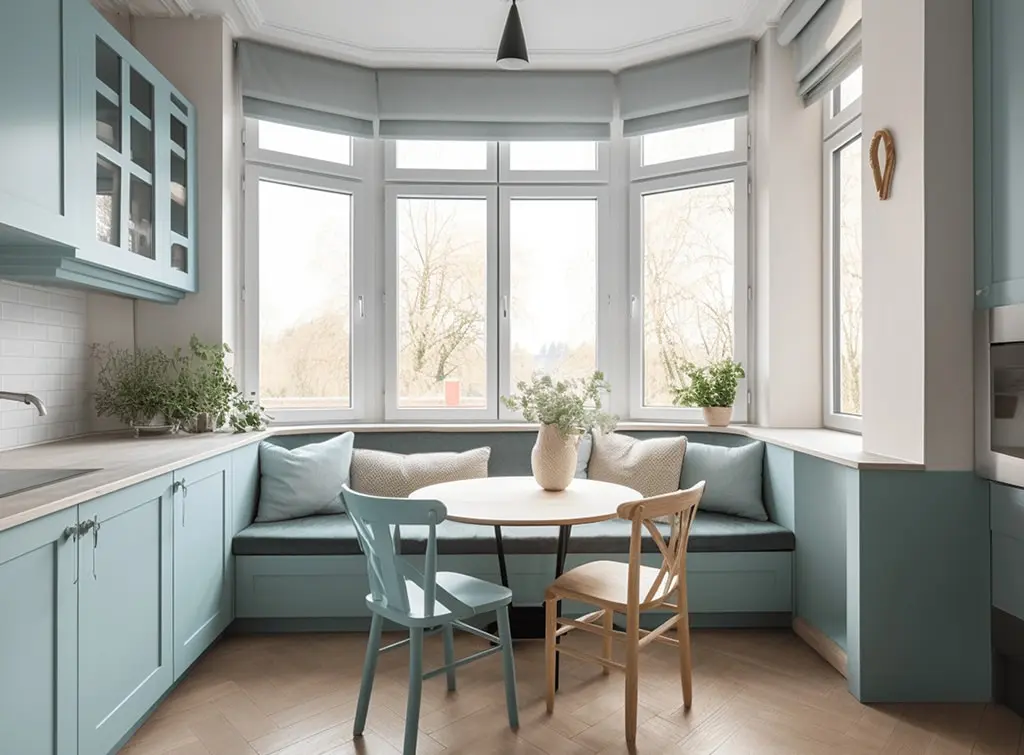
5. Convert your bay into a dining space
6. Make a statement with luxe curtains
How much do bay windows cost?
The price of bay window installation can vary, depending on several factors. They include:
Property type - a flat typically has one bay window while a detached property has between two and four
Size and style of window, such as box, bow, circle, oriel
Number of window panes required
Frame material - uPVC is more cost-effective than timber, for example
Glazing - do you want double glazing, triple glazing, or decorative/specialist glass
Your location - installation fees vary throughout the UK
You can expect to pay an average of£2,000 for a bay window replacement.
The average cost of a 3-section bay window is £1,250- this increases to £1,650 for four sections.
If you already have bay windows in your home and are looking to replace them, the average bay window replacement cost is around £2,000.
Do bear in mind that these costs are for white uPVC windows.
Head to our bay window installation cost guide for a full breakdown of current prices.
Additional costs to consider
If you're renovating the windows of a period property then it's important to replicate the moulding styles, to retain the original heritage style. This is likely to cost more but will be reflected in the house value
Extra security features or upgraded hardware will add to the overall budget
Any costs of remedial work needed for the brickwork below the window
Keep in mind that the cost of bay windows will vary based on the manufacturer and supplier used, so it is advisable to request quotes from several suppliers to get an average price for bay windows.
Need a trade? Search now
Finding the right professionals
Finding reliable, experienced tradespeople can help your project run smoothly.
They can guide you through the process to make sure your bay window meets your brief and any legal requirements.
Always look for reputable and highly recommended professionals, including bay window fitters and builders.
Top tips for finding the right tradespeople include:
Get multiple written quotes
Ask for recommendations from friends and family
Get references or check reviews
Look for examples of their past work
Only hire an insured tradesperson in case of accidental damage
Ask what warranties or satisfaction guarantees your tradespeople offer
Ready to hire a recommended professional and get your bay window installation off to a great start? Use our free search feature and find a local, reputable, tradesperson in your area.
Need a trade? Search now
More Bay Windows Installation Articles


See the tradespeople we've checked for your job