Blog>Planning Guides>Planning your driveway resurfacing project
Last updated: 18 July 2024

Planning your driveway resurfacing project
If your driveway is showing cracks, chips, potholes and stains, it's time to resurface it. Here's how to plan your driveway resurfacing project and give your property the kerb appeal it deserves.
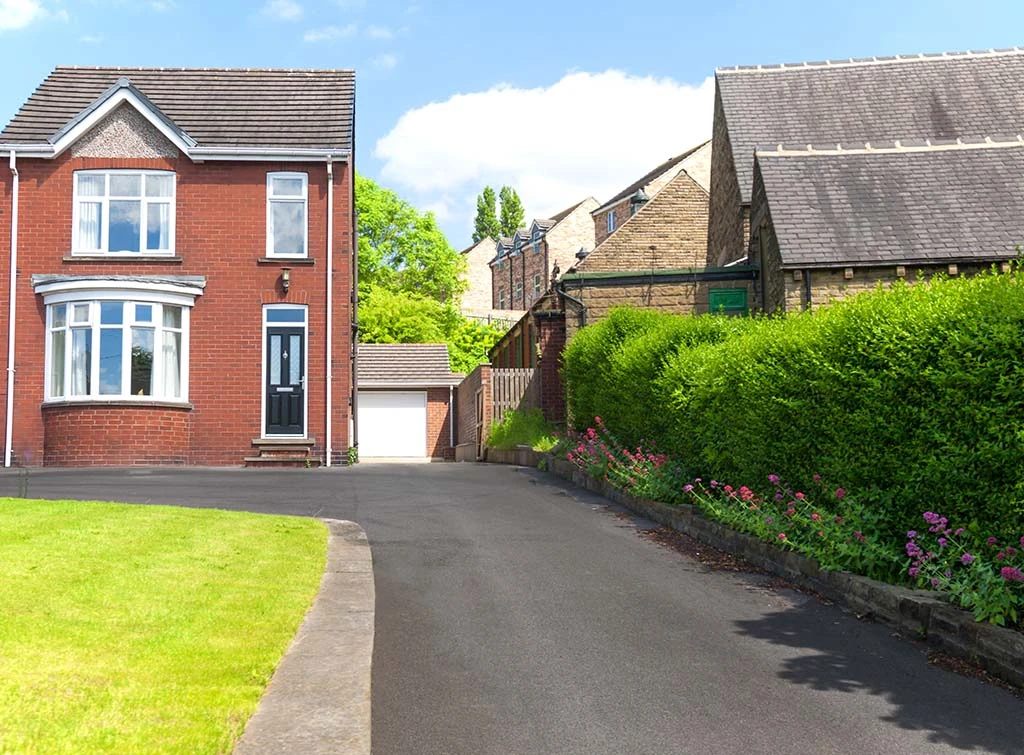
Driveways are a hardworking part of your property. But over time they can start looking a little worse for wear. That's why more and more homeowners are planning a driveway resurfacing project to make their driveway look brand new without a complete overhaul.
Here's how to plan your driveway resurfacing project and the expected costs.
What is driveway resurfacing?
Driveway resurfacing is an increasingly popular repair job that helps homeowners restore their driveways without the expense and hassle of demolishing and replacing them.
By covering an existing driveway with a new layer of material—such as tarmac or asphalt—driveway resurfacing can solve widespread damage and make it look like new.
It's a great way to extend the life of your driveway and create a good looking, functional and safe entry to your property.
In this planning guide, we outline what’s involved in driveway resurfacing and the costs involved.
Find a local tradesperson
How does driveway resurfacing work?
Driveway resurfacing typically involves removing debris, patching any cracks or potholes, and adding a new layer of asphalt, concrete, or other material.
Here's what to expect when you hire a driveway resurfacing professional:
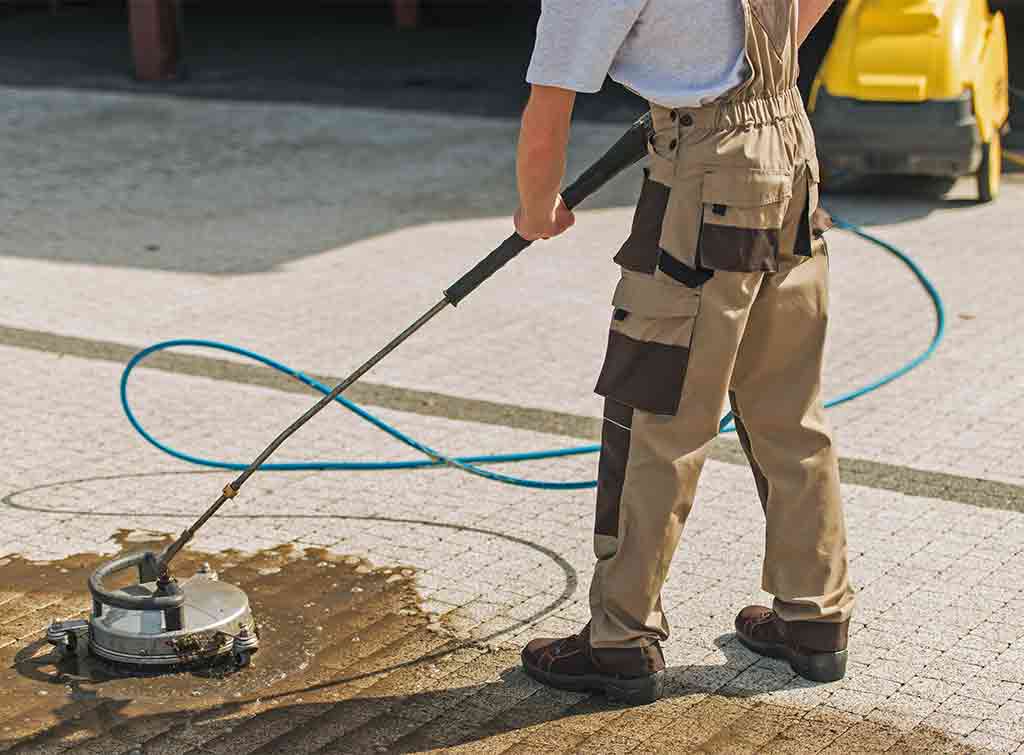
Resurfacing starts with a thorough wash to remove any dirt, debris, oil stains, algae and weeds and to ensure that the new surface sticks
Weeds and debris are removed first, followed by a good sweep with a wire brush, broom, and/or leaf blower
Next, cracks are filled and flattened with a putty knife or trowel
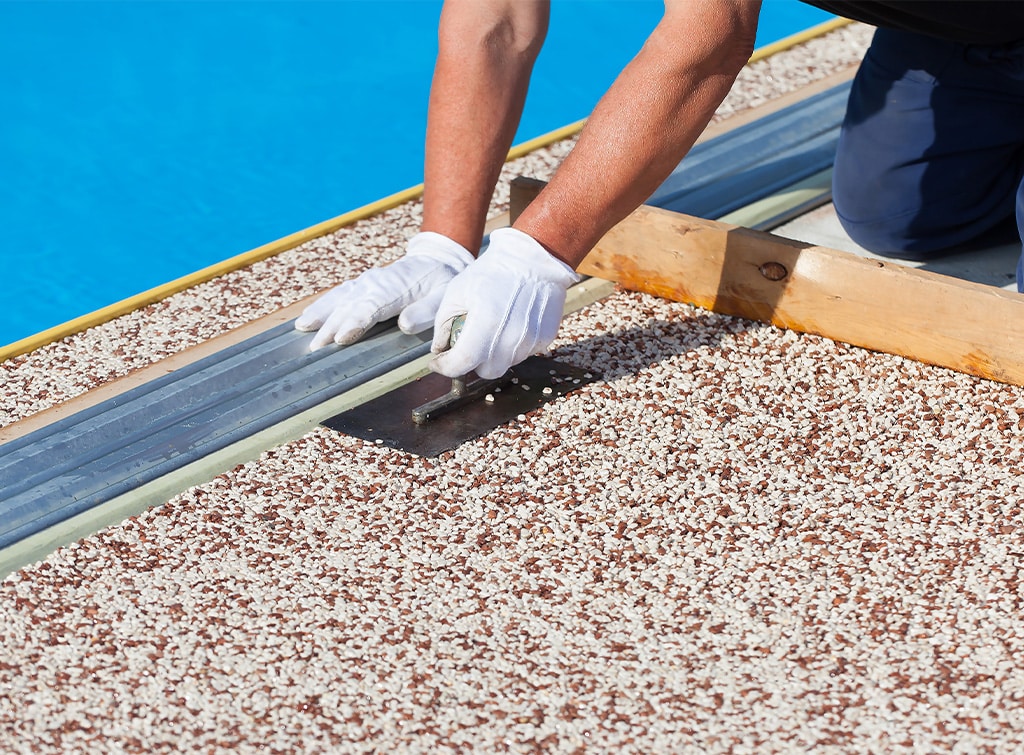
The final step is the resurfacing. The material is poured and spread onto your driveway to create a smooth and seamless surface and left to dry
After 48-72 hours, the newly resurfaced driveway is ready to use
Because resurfacing costs much less than completely replacing a driveway, and since it helps protect the slab underneath, both asphalt and concrete resurfacing are two popular types of driveway repair.

Signs you need to resurface a driveway
If your driveway isn't looking great or functioning how it should be, resurfacing an existing driveway can give it a fresh new look.
Here are five signs you need driveway resurfacing:
Stained and worn surfaces
Your driveway is part of your property's calling card. It's one of the first things people notice, especially prospective buyers. That's why you want it to look and function at its very best.
Unfortunately, daily vehicle use, oil spills, and harsh weather can all impact different driveway materials. The result can be a grimy and worn driveway with a dull, faded, or stained surface.
Poor water drainage
Driveways should efficiently drain water, preventing puddles, flooding and surface damage.
If you spot water pooling or flowing in unexpected directions, this can indicate an issue. Poor driveway drainage can lead to erosion, cracks and even structural damage over time, so it's not something to ignore.
Resurfacing with proper sloping and drainage solutions can prevent these issues and ensure a longer lifespan for your driveway.
Surface cracks
Cracks in a driveway surface are not only unsightly, but if left to worsen, they can lead to more significant issues. Weather fluctuations and the weight of vehicles can cause cracks to widen and increase driveway repair costs.
Resurfacing your driveway with durable materials conceals existing cracks and stops new ones from forming.
Potholes
Large, deep potholes are another telltale sign that your driveway may need resurfacing repair. Potholes are not just an eyesore—they're also a safety hazard.
Water penetration, icy conditions and heavy traffic can cause potholes. However, choosing high-quality materials during resurfacing will reinforce the structural integrity of your driveway and prevent future potholes from forming.
Algae growth
Moss and weed growth are safety hazards as they can often create slippery surfaces. Algae growth can also make your driveway look messy and exacerbate problems like cracking.
Resurfacing your driveway with materials resistant to algae can prevent this issue from recurring and provide a safer environment for homeowners, visitors, and vehicles.
Find a local tradesperson
Different types of driveway
Once you've decided to resurface your drive, you need to consider which materials to use.
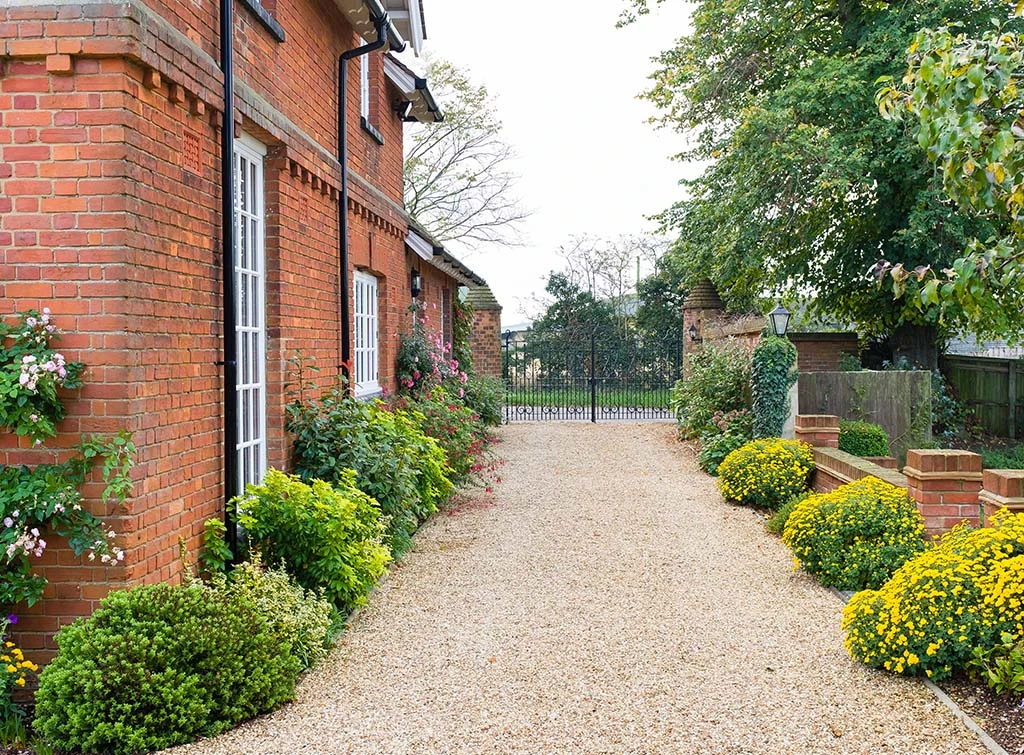
Gravel and stone driveways
Gravel, which is often referred to as chipping, is a popular solution for driveway surfacing.
The more you pay, the more consistent the stones are in size, shape, and colour—and almost certainly a bit smoother. The common sizes are 10 and 20mm widths.
Pros of gravel driveways
Gravel is noisy, so is great for security as you can hear who’s coming
It comes in a range of colours to suit different properties
Aesthetically pleasing and associated with high-value homes
Relatively cheap and quick to install
Cons of gravel driveways
It can be challenging to roll bins over
Needs maintenance to manage stones
Unable to be used on slopes
Block paving driveways
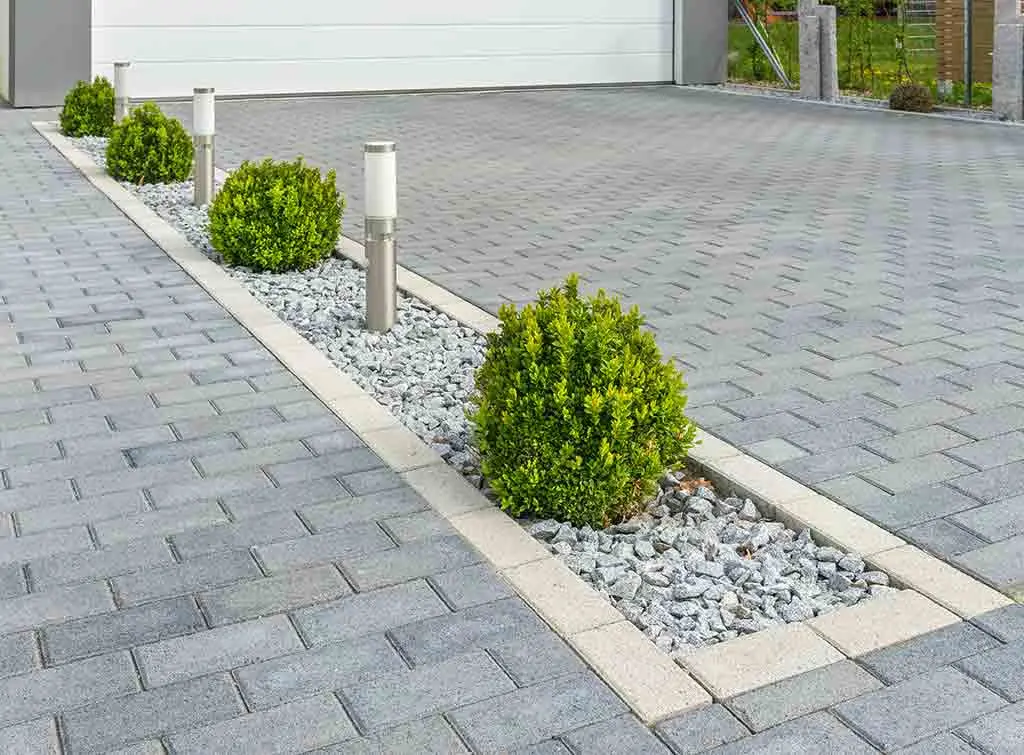
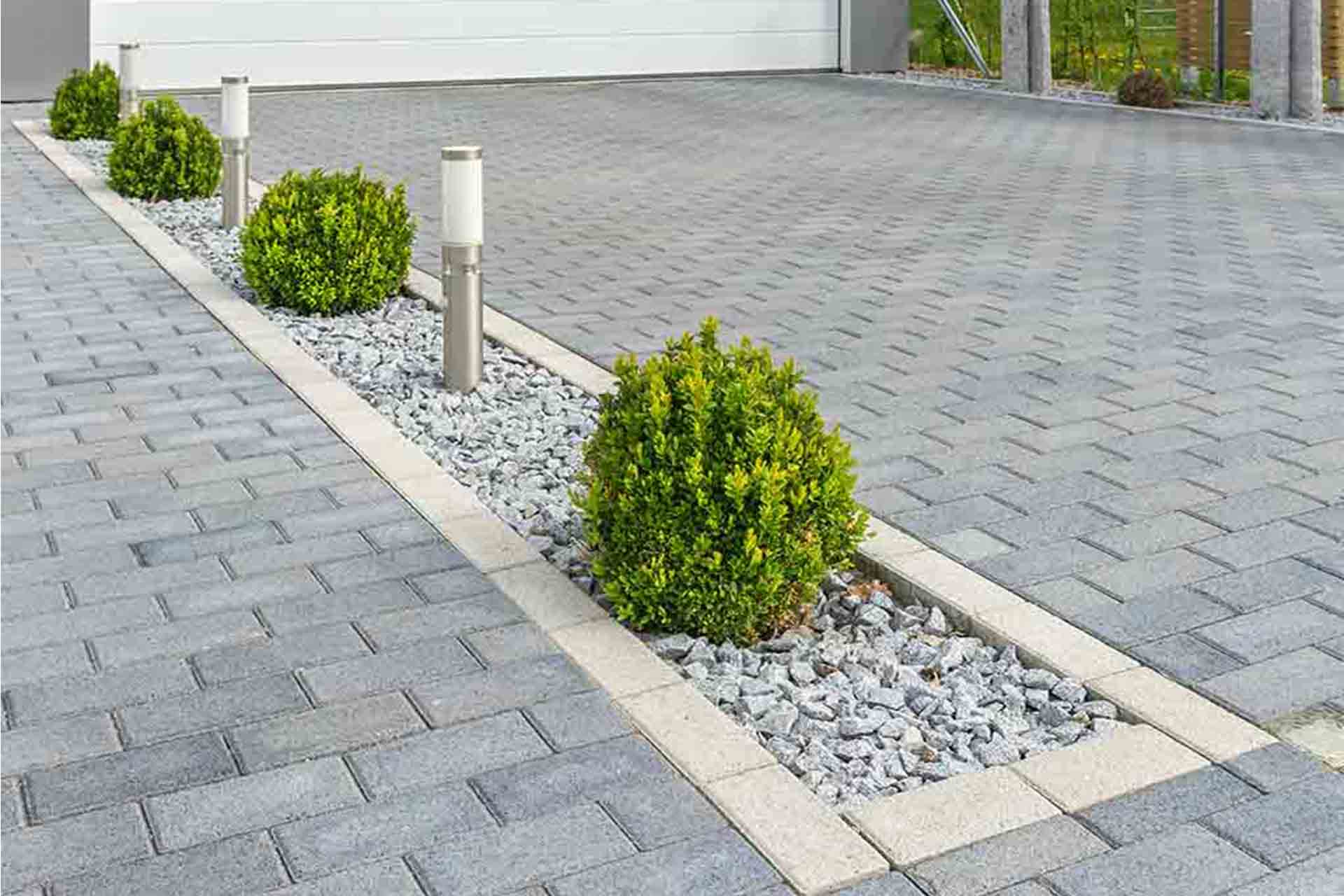
Block paving consists of either stone, concrete, or clay pavers laid on top of a compressed hardcore and then a sand bed. It is suitable for pathways and driveways and has been an increasingly popular hard landscaping choice since the 1980s.
Pros of block paving
There is a huge range of design options in terms of colour, shape and style – from monotone to multi-colour
Different materials offer different price points to suit your budget
Long-lasting and, if installed well, low maintenance – small areas can be patch repaired if necessary
Cons of block paving
Labour-intensive and, therefore expensive to install
The final finish and quality depend on the individuals installing the paving
The quality of some cheaper materials can be poor, meaning the colour will fade over time
Tarmac driveways
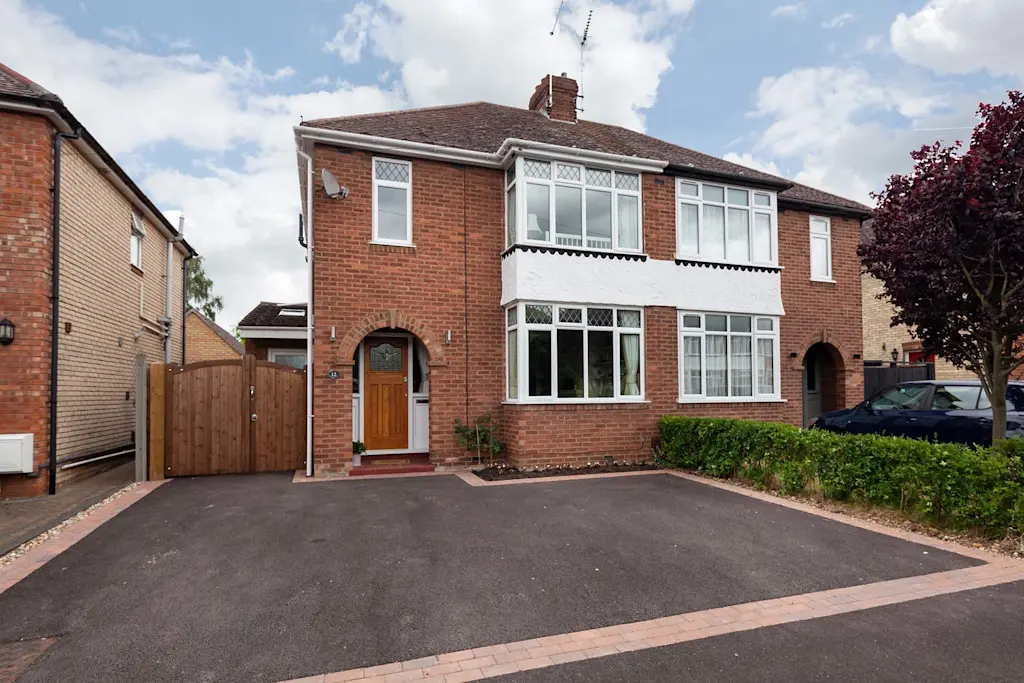
Tarmac consists of small stones mixed with tar. It was commonly used as a road surfacing construction, but now the majority of what we presume is tarmac is asphalt concrete, which is a mix of small stones and bitumen.
Pros of tarmac driveways
Relatively cheap to lay
Uniform in appearance and can be used on slopes
Low maintenance if subject to relatively low traffic
Cons of tarmac driveways
It can look overly uniform in large areas
Resin driveways
Resin driveways consist of gravel bound together by a resin, to get the look of gravel without movement. They’re increasingly popular as a porous, low maintenance option.
Pros of resin driveways
Variety of finished looks dependent on the gravel you choose
Long-lasting solution
Porous surface so compliant with SUDS (Sustainable Urban Drainage System)
Cons of resin driveways
Expensive
Can require maintenance to keep moss growth off
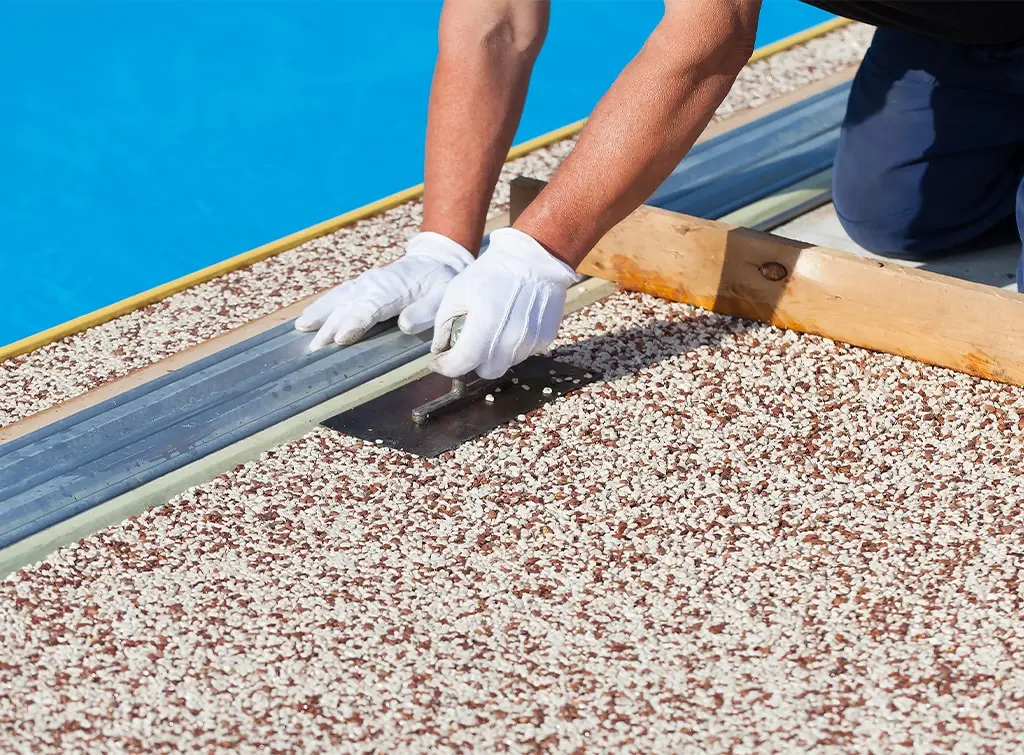
Concrete driveways
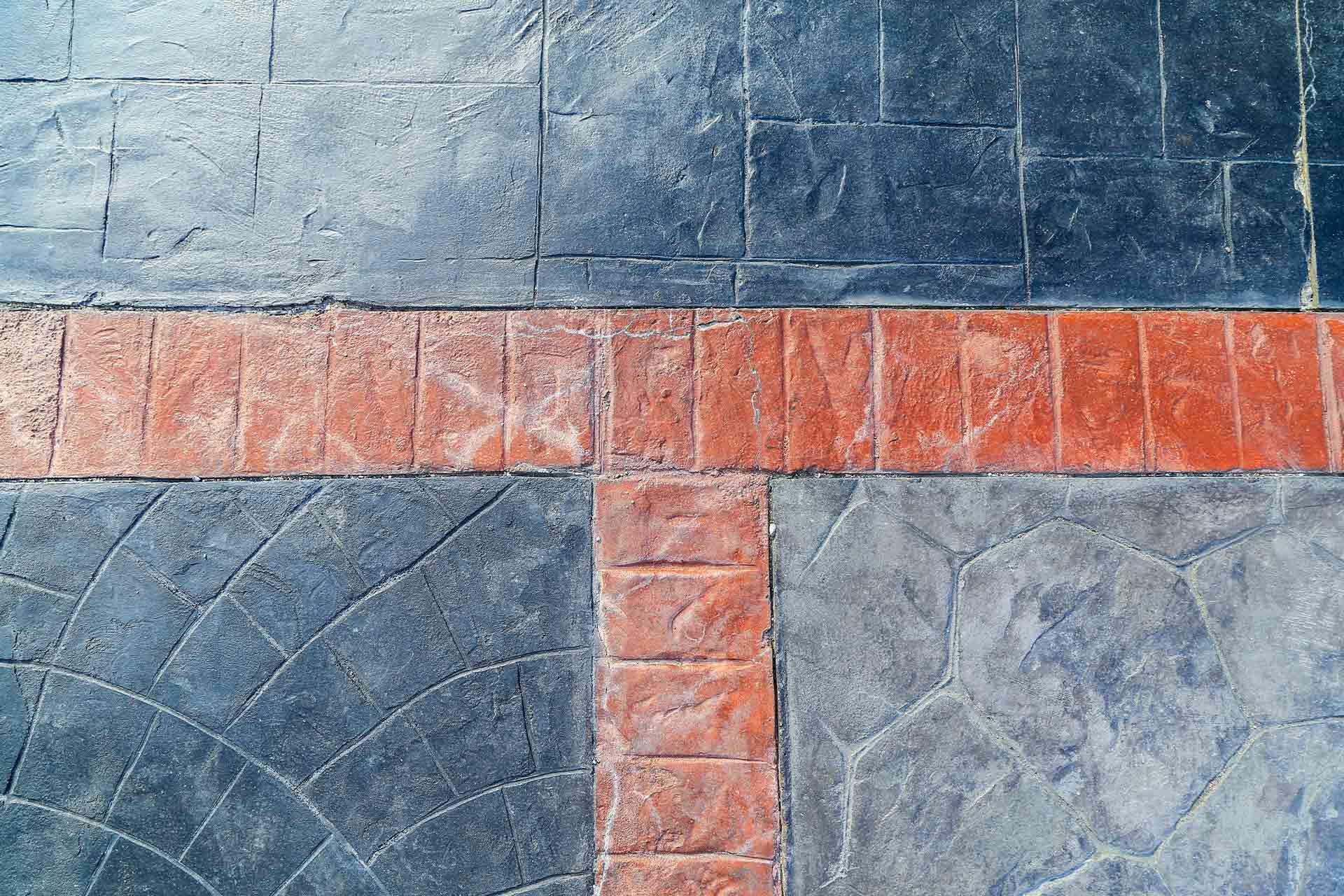
Concrete ‘imprint’ driveways are increasingly popular to replicate the look of block paving without the difficulties of installation – often in pre-coloured designs.
Pros of concrete driveways
Cheaper than block paving
Variety of colours and patterns
Long-lasting
Cons of concrete driveways
Appearance is difficult to maintain over time
Can be prone to cracking
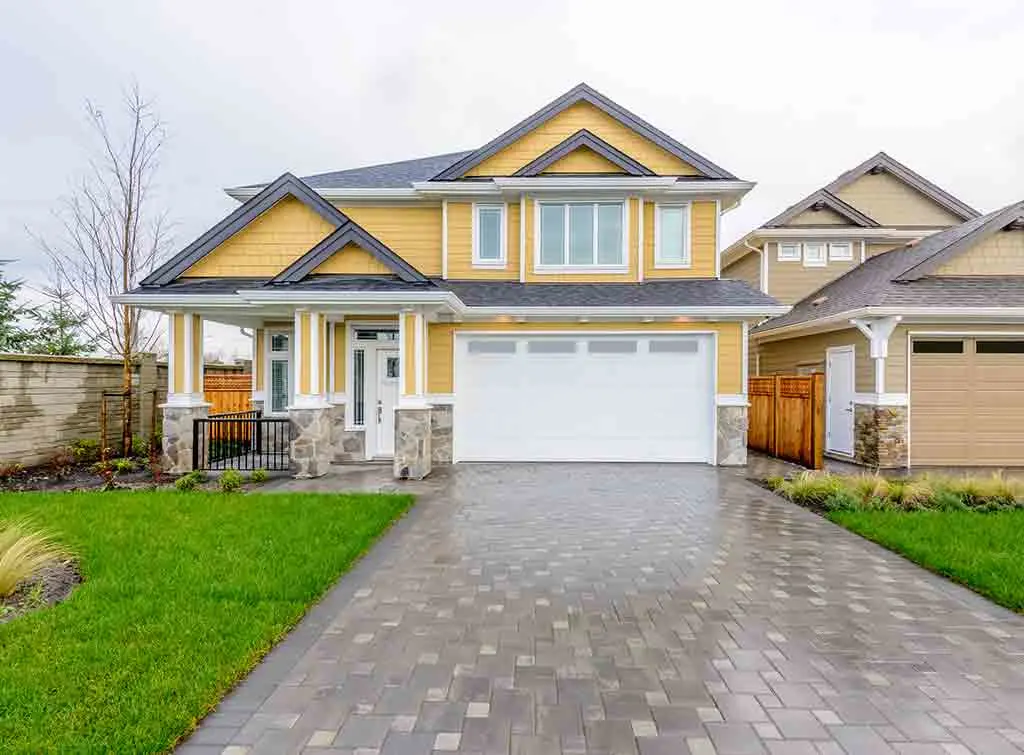
For inspiration, head to our driveway ideas.

Driveway ideas for maximum kerb appeal
We outline a selection of inspiring front driveway ideas, the benefits of each, and the key considerations to make when planning this exciting home renovation project.
Planning considerations
Climate
In the UK, driveways struggle with flooding and water damage, so think about how your driveway will cope with rainwater.
Drainage
In 2008, new planning regulations stated that surface water should not be allowed to run from your drive onto the highway. Instead, levels should be set up and adjusted to allow surface water to fall towards flowerbeds and drainage channels.
Sustainable Urban Drainage Systems (or SUDS)
These were introduced to combat flash flooding caused by non-permeable concrete and tarmac. Resin-bound, porous asphalt and gravel driveways are SUDS compliant. Concrete block permeable paving has also been developed, which is SUDS compliant and allows water to pass through gaps between the concrete blocks into the permeable sub-base.
Ground preparation
A secure, free-draining earth base beneath the subbase is essential. The subbase must be free from cracks to preserve the structural integrity of the surface.
Digging below the DPC
Your driveway should be 150mm below your home's damp proof course (DPC). Ideally, the ground should slope away from your house. If that's impossible, you must introduce drainage channels to move the surface rainwater away from the house.
Laying a kerb
Laying an edge restraint or kerb will keep the new driveway structure in position. This needs a suitable subbase made up of DT Type 1 (MOT) hardcore, shaped to the gradient required and then compacted to form a solid base.
Find a local tradesperson
Driveway resurfacing costs
The cost of driveway resurfacing will depend on the groundwork and the material chosen.
Generally, gravel is the cheapest material, with resin and concrete being the most expensive. You should budget between £60 per m².
How much does a driveway cost in the UK in 2026?
Whether you’re building a new driveway or looking to replace an existing one, approaching the project properly and making the right choices is the key to achieving a driveway that not only sets your house off beautifully but also lasts a lifetime.
What is the cheapest type of driveway?
In most cases, tarmac is the cheapest form of driveway.
Expect to pay between £50–£130per m² for a new tarmac driveway.
What is cheaper – asphalt or concrete?
Asphalt is usually cheaper – printed concrete can cost between £80–£100 per m².
FAQs
Which driveway type is best for my home?
The size of your budget and driveway are two of the most important factors. These will help you narrow your options down. Of course, style and functionality are important, but you should also consider how much time you will need to maintain it.
Although planning permission isn't usually required, check with your local council, especially regarding SUDS. A surfacing company should be able to advise you on this.
Also, consider the purpose of your driveway: is it a functional necessity or a way to add value to your property?
What do I need to do to my driveway?
Are you wondering if you need to have anything specific in place before installing your driveway?
Make sure you:
Plan for drainage
Check whether you need planning permission
Apply for a dropped kerb if you need one
Assuming you have the relevant permissions in place, you can then go ahead and get your new driveway installed.
Is driveway resurfacing a DIY job?
If you're not experienced in this type of work, it's recommended that you hire the help of a professional driveway company. They will have the right tools and materials, and also a good understanding of the entire process including surface preparation and picking the best materials for the job.
Moreover, they can also provide advice on other aspects of driveway maintenance, such as drainage control.
Find a local tradesperson
More Driveways / Patios / Paths Articles
See the tradespeople we've checked for your job