EXPERT ADVICE
Leaking roof - What to do and who to call
Updated 02/26
By: Laura Macdonald
Think you may have a leaking roof? It’s normal to worry — even a small leak can lead to damp, damaged insulation, and expensive repairs if it’s not dealt with.
The UK’s climate — particularly during prolonged, wind-driven autumn and winter rainfall — can expose weak spots in roofing that might otherwise go unnoticed.
If you think your roof is leaking, you'll find everything you need to know right here.
Is it an emergency? Learn how to spot the signs that require urgent action
What to do first: Simple steps to reduce damage before a roofer arrives
What causes roof leaks: From slipped tiles to flashing failures and gutter problems
Who to call (and what it might cost): When to contact a professional and what to expect next
Is a leaking roof an emergency?
If you’ve spotted a small stain or damp patch that isn’t actively dripping, it’s not usually an emergency — but it does still need checking. Roof leaks rarely improve on their own.
A leaking roof is usually an emergency if:
Water is pouring in, or dripping heavily through ceilings or light fittings
The ceiling is bulging, sagging, or looks close to giving way
The roof structure is exposed to wind or rain (e.g., missing tiles after a storm)
There’s any risk water is reaching electrics (lights, sockets, fuse box)
If any of the above apply, contact a professional roofer immediately.
Find emergency roof leak repair near you
Search for trusted emergency roofing services near you with Checkatrade. Simply enter your postcode below to find checked and reviewed emergency roofers covering your local area.
Find roofers your neighbours recommend
First steps: what to do when you find a roof leak
If you discover a leak, focus on damage control, not repairs:
Move possessions and furniture out of the affected area
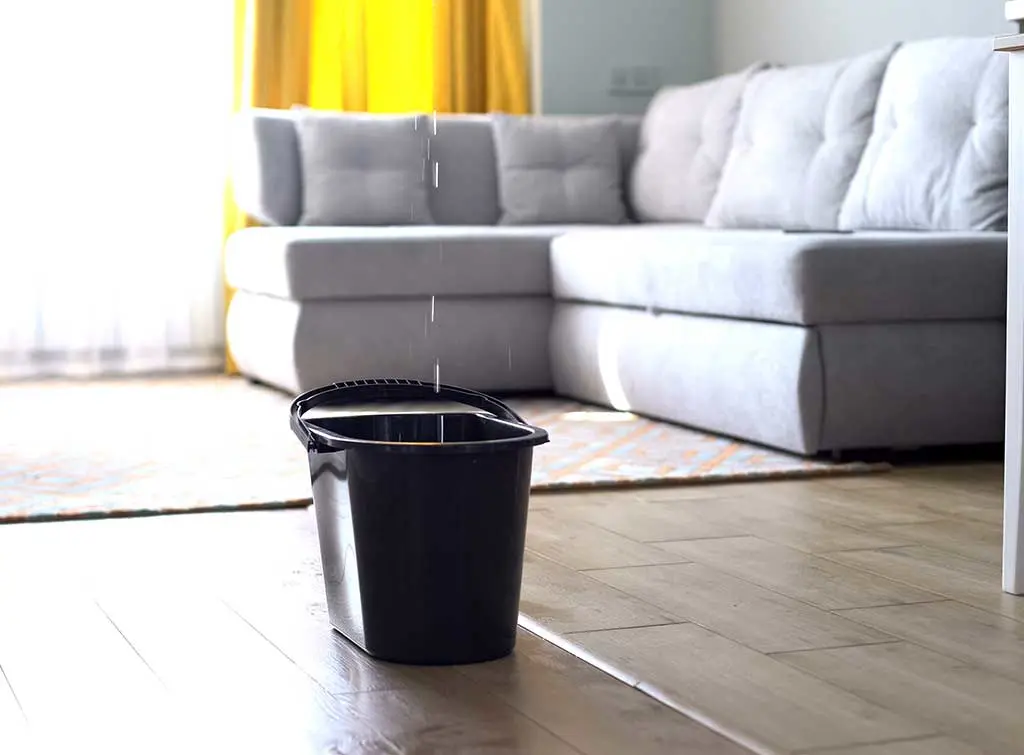
Contain the water with a bucket or container (a towel in the bottom can reduce dripping noise)
Protect flooring with plastic sheets if you can
Take photos (useful for insurers and for describing the issue to a roofer)
If water could be near electrics, turn off power to the affected area at the consumer unit if it’s safe to do so
If the ceiling is holding trapped water (a bulge), avoid standing underneath it. If you’re unsure, wait for a professional rather than attempting anything that could cause collapse or injury.
What causes a leaking roof?
Common causes of a leaking roof include:
Broken, slipped, or missing tiles/slates (often after wind and storms)
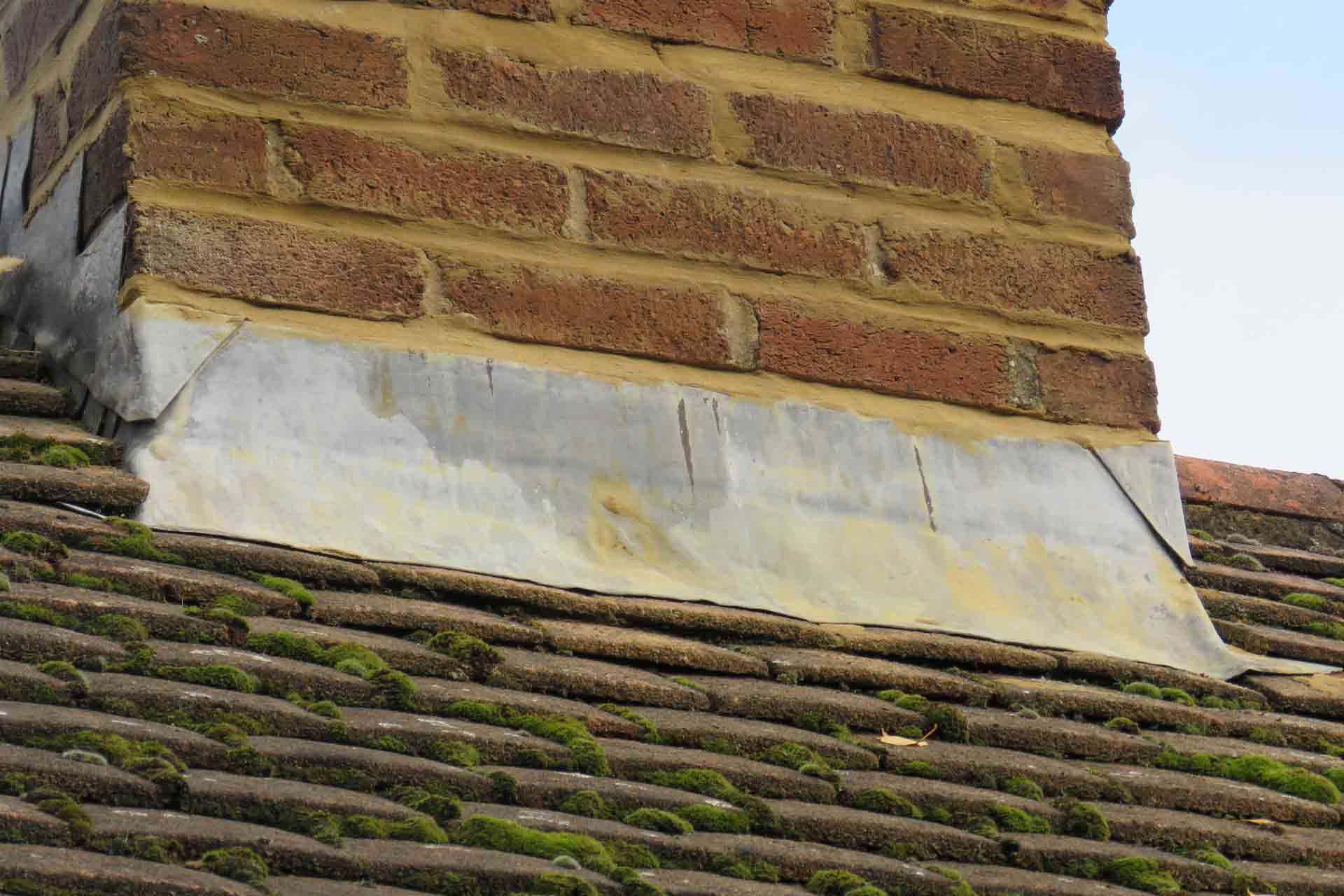
Damaged flashing around chimneys, roof joins, or abutments
Blocked or broken gutters causing water to overflow into roof edges
Worn roofing felt/underlay (age and gradual deterioration)
Cracked seals around roof vents, skylights, or pipe penetrations
Extended periods of heavy or wind-driven rain can really test these vulnerable areas.
In the UK, repeated cycles of rainfall followed by drying can gradually weaken seals and flashing — which is why a leak sometimes appears after several days of bad weather rather than during the first shower.
The visible drip inside your home isn’t always directly below the entry point — water can travel along timbers and membranes before it shows.
How to detect a roof leak safely
You can look for a few clear signs without climbing onto the roof (which is high-risk and can make damage worse):
Check ceilings and walls
Look for:
Water stains or brown marks
Damp patches that grow after rainfall
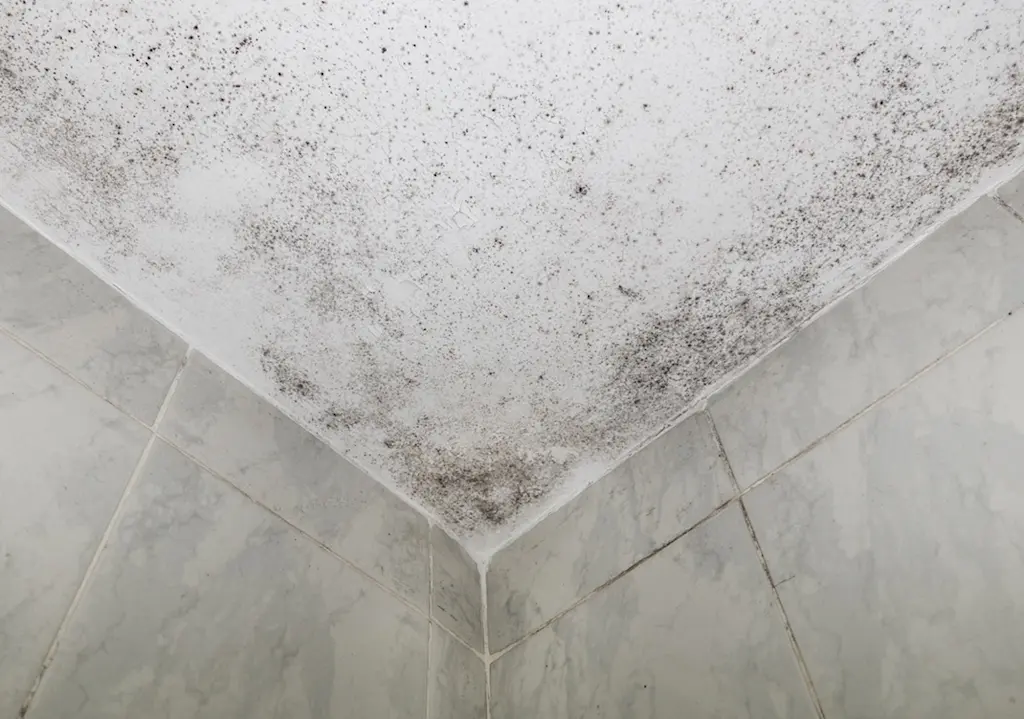
Peeling paint, bubbling plaster, or mould smells
Look in the loft (if it’s safe)
If you can access your loft safely:
Use a torch to look for damp timbers, wet insulation, or visible drips
Note whether it’s worse after heavy or wind-driven rain
If you do detect the signs of a leaking roof, circle the area with a piece of chalk and take measurements from key marker points such as chimney stacks or vents so you can pinpoint the leak from the outside.
Check from ground level outside
From the ground (or an upstairs window):
Look for missing tiles/slates, sagging areas, or obvious storm damage
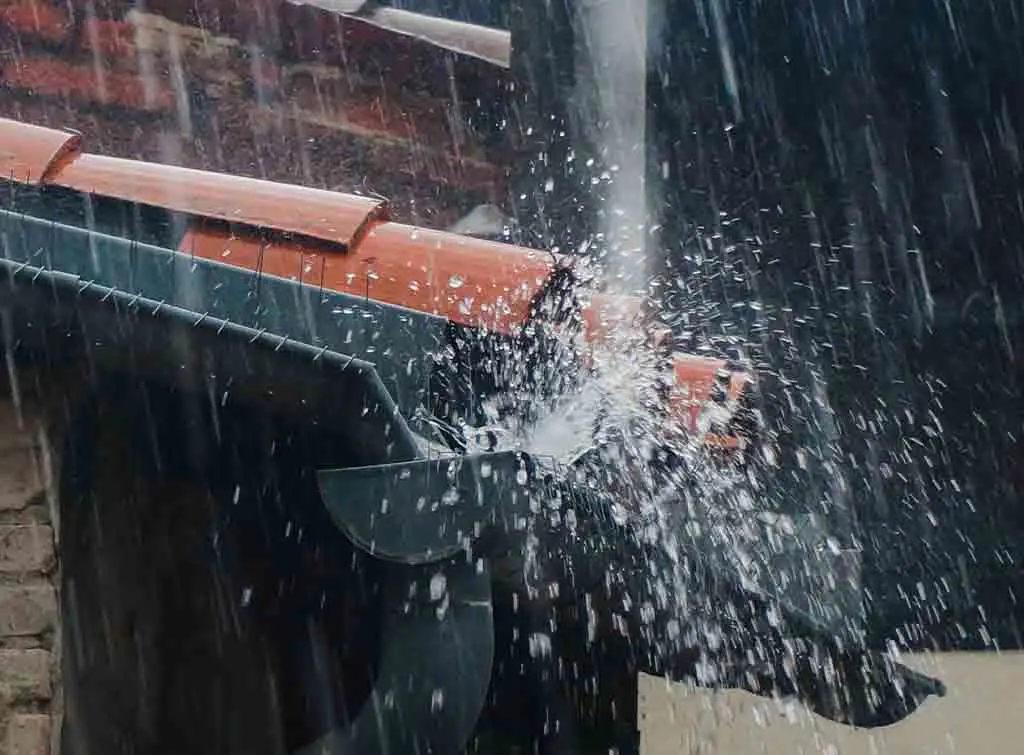
Look for overflowing gutters or damaged downpipes
4 telltale signs your roof is leaking
Water stains on ceilings or upper walls
Dripping or damp that appears after rainfall
Damp marks on outside walls near roof joins
Mould or persistent musty smells, especially in upper rooms or loft spaces
Flat roof leaks: why they’re harder to trace
Flat roof leaks can be tricky because water can travel across the surface and through layers before it appears inside.
Here are the signs to look for:
Dark damp patches on ceilings
Pooling water or ‘ponding’
Sagging, dips, or areas that look soft
Debris rings (a clue that water has been sitting)
If access is difficult or the roof is slippery, it’s safer to call a professional rather than attempting an inspection.

Conservatory roof leaks: common weak points
Conservatories are exposed to sun, wind, and heavy rain — so seals and joins can degrade over time.
If you're experiencing a conservatory leak, check (from inside):
Corners and where roof panels meet
The join where the conservatory meets the house (often linked to flashing issues)
Before doing any DIY, check whether:
Your conservatory is still under warranty
The leak relates to storm damage (which may affect insurance cover)

What not to do if your roof is leaking
It can be tempting to try a quick fix, but avoid these common mistakes:
Don’t climb on the roof, especially in wet or windy weather
Don’t try to permanently seal the leak from inside — it can redirect water elsewhere and worsen hidden damage
Don’t ignore small leaks — long-term moisture can damage insulation, timbers, plaster, and air quality
Who to call about a roof leak
In most cases, your first call should be a professional roofer. They can:
Diagnose the entry point (including flashing and membrane issues)
Check surrounding areas for secondary damage
Carry out repairs designed to stop the leak returning

What a roofer will usually do to fix a leaking roof
Rather than a single ‘one-size’ repair, roof leak fixes typically fall into categories like:
Replacing or re-securing damaged tiles/slates
Repairing or replacing flashing
Addressing guttering issues that are forcing water into the roofline
Fixing membrane/felt issues identified during inspection
Checking vulnerable joins (chimneys, valleys, abutments)
How much does roof leak repair cost?
Roof leak repair costs in the UK vary depending on the extent of the damage and the type of roof.
As a general steer:
Minor tile repairs (pitched roof): from around £110–£160 per m² (clay tiles)
Emergency call-out fees: typically around £350
Extensive pitched roof repairs or renovation: can run into the thousands, particularly if structural work is required
For other roof types:
Conservatory roof repairs: often range from around £120–£170 per m² for polycarbonate (repair costs depend on size and construction)
Flat roof repairs: bitumen flat roof repairs may cost around £100–£140 per m², plus labour (often £280–£360 per day)
Costs increase if:
Structural timbers are damaged
Large sections of roofing need replacing
Scaffolding or access equipment is required
Our roof repair cost guide has detailed pricing information to help you plan for what to expect.
Every roof is different, which is why an inspection is usually the only way to understand the true scope of repair — or whether replacement makes more sense.
Is a leaking roof covered by insurance?
Whether a leaking roof is covered by insurance depends on the cause:
Insurance may cover sudden, unexpected events (for example storm damage)
Insurance usually won’t cover wear and tear or lack of maintenance
If you’re unsure, take photos and check your policy wording carefully — insurers often want evidence of cause and extent.

Leaking roof checklist
Find a roofer near you
A roof leak can affect your home’s structure, insulation, and indoor air quality — getting the right help quickly can make a big difference.
Before you book, take a quick look at our roofer hiring guide. It helps you spot the pros from the cowboy — reminding you to check they're fully insured, have a track record of verified reviews from real local jobs, and have passed a thorough background check.
Then, search your postcode to compare checked, reviewed roofers near you with Checkatrade and request quotes with confidence.
Find roofers your neighbours recommend
FAQs
How urgent is a small roof leak?
Even small roof leaks should be checked promptly. Unfortunately, a slow leak can still cause damp, mould, and damage to insulation or timbers over time.
Can a roof leak stop on its own?
In reality, it’s unlikely a roof leak will stop on its own. Leaks often worsen with repeated rainfall and temperature changes, even if they seem to 'disappear' temporarily.
What’s the most common cause of roof leaks?
Damaged tiles/slates, flashing problems, and overflowing gutters are among the most common causes of roof leaks.
Should I go into the loft if my roof is leaking?
Only go into your loft to check a roof leak if it’s safe and dry underfoot. Use a torch, avoid touching electrics, and don’t climb onto the roof itself.
Should I call a roofer or a general builder for a roof leak?
For roof leaks, start with a roofer for diagnosis and repair. They’re best placed to find the entry point and stop the leak returning.

See the tradespeople we've checked for your job