HIRING GUIDES
Hiring a good local roofer
Updated 03/26
By: Olivia Scammell
Reviewed: Laura Macdonald
Whether you need a roof repair, replacement, or routine maintenance, choosing the right roofer is really important. Your roof protects your home from the weather every day, so it’s worth taking a little time to make sure the work is done properly.
Most roofing jobs go smoothly when the right person is hired. But poor workmanship or rushed repairs can lead to:
Leaks
Structural damage
Extra costs later on
This guide explains what roofers do, what to look for before hiring, how quotes typically work, and the practical steps that help homeowners choose with confidence.
What roofers do and when you may need one
What to check before hiring a roofer
The stages of a roofing project
How roofing quotes and costs work
Questions to ask before agreeing to work
Common mistakes homeowners make when hiring roofers
Quick checks: what to look for before hiring a roofer
If you’re comparing roofers, these simple checks can help you choose someone reliable and avoid common problems later on.
Before hiring a roofer, check that they:
Have experience with your type of roof or repair
Provide a written quote explaining what’s included
Hold public liability insurance
Can show recent customer reviews or examples of work
Clearly explain the work and expected timescales
Offer a guarantee or warranty for completed work
Knowing what to check before you agree to work can help you feel confident in your decision about who to hire.
What does a roofer do?
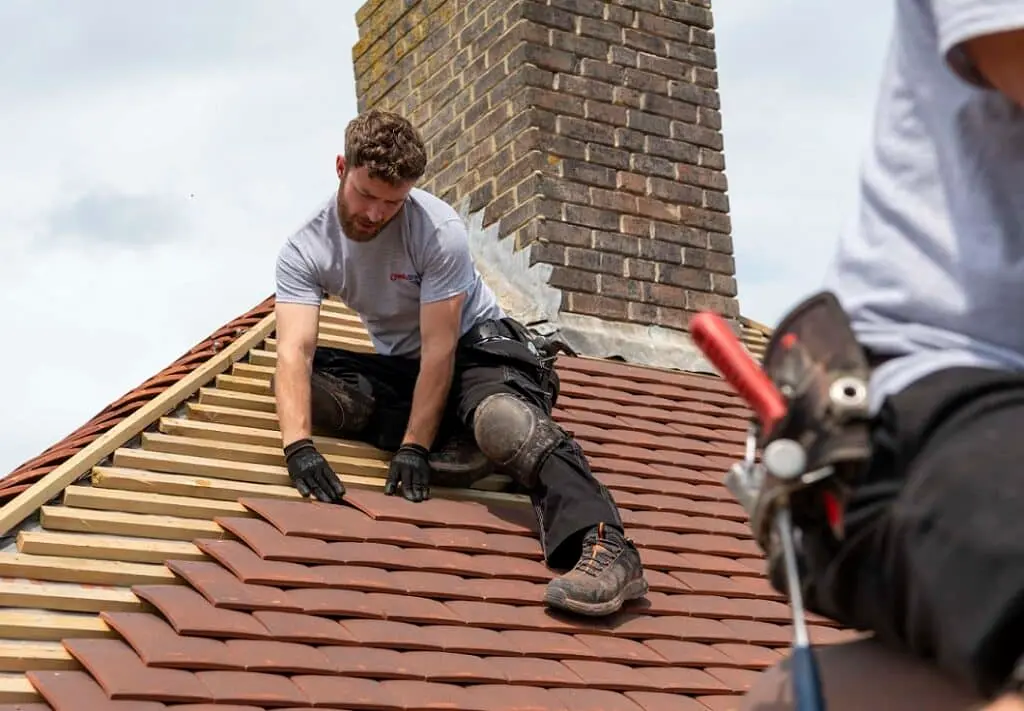
A roofer installs, repairs, and maintains roofs to keep homes weatherproof and structurally sound.
The scope of their services may include:
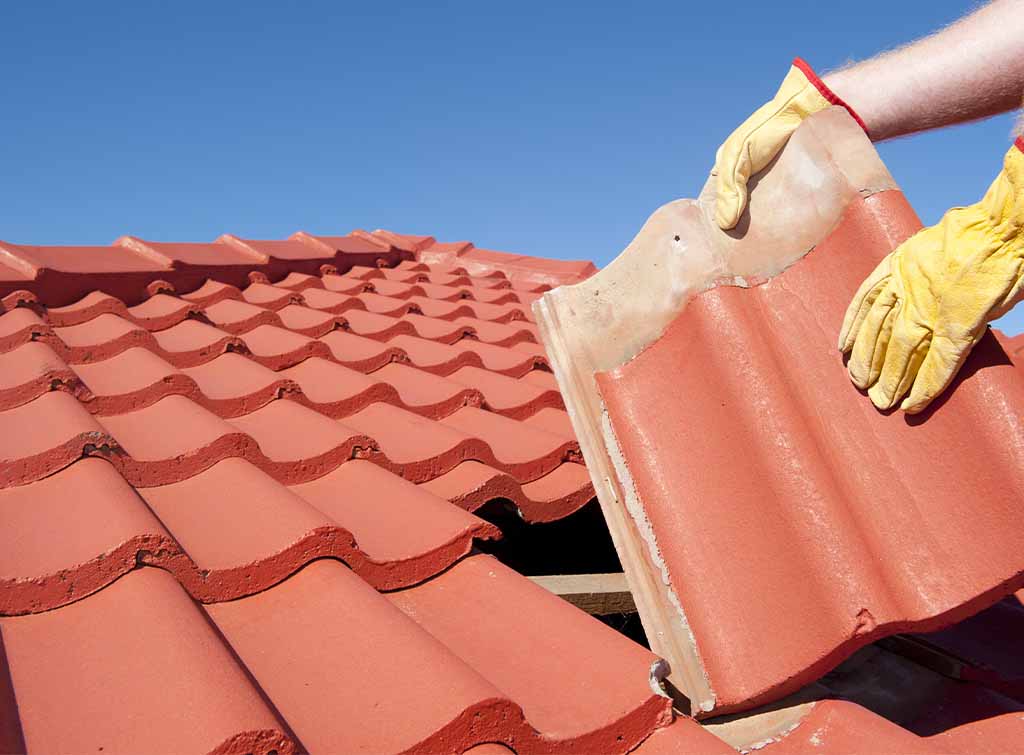
Repairing damaged or missing tiles
Fixing leaks or storm damage
Replacing roof coverings or felt
Installing gutters, fascias, and soffits
Carrying out routine maintenance and inspections
Some roofers specialise in particular materials, such as slate, tiles, flat roofs, or modern systems like fibreglass or rubber roofing.
If you're in need of emergency roof repairs, look for this service on their Checkatrade profile.
Find a roofer near you
When should you call a roofer?
Some roofing issues can wait for routine maintenance, but others need a quicker response. Acting early often stops small problems turning into more expensive repairs.
Common roofing jobs homeowners hire for
As we've just mentioned, many homeowners hire roofers for routine repairs, maintenance, and improvements to keep their property protected. These include jobs such as:
Repairing leaks or damaged tiles
Replacing worn roofing materials
Fixing guttering or flashing
Repairing storm or wind damage
Installing insulation or ventilation improvements
Carrying out roof inspections or maintenance
When do you need an emergency roofer?
Then there are the times when you might need an emergency roofer, for example, if you experience:
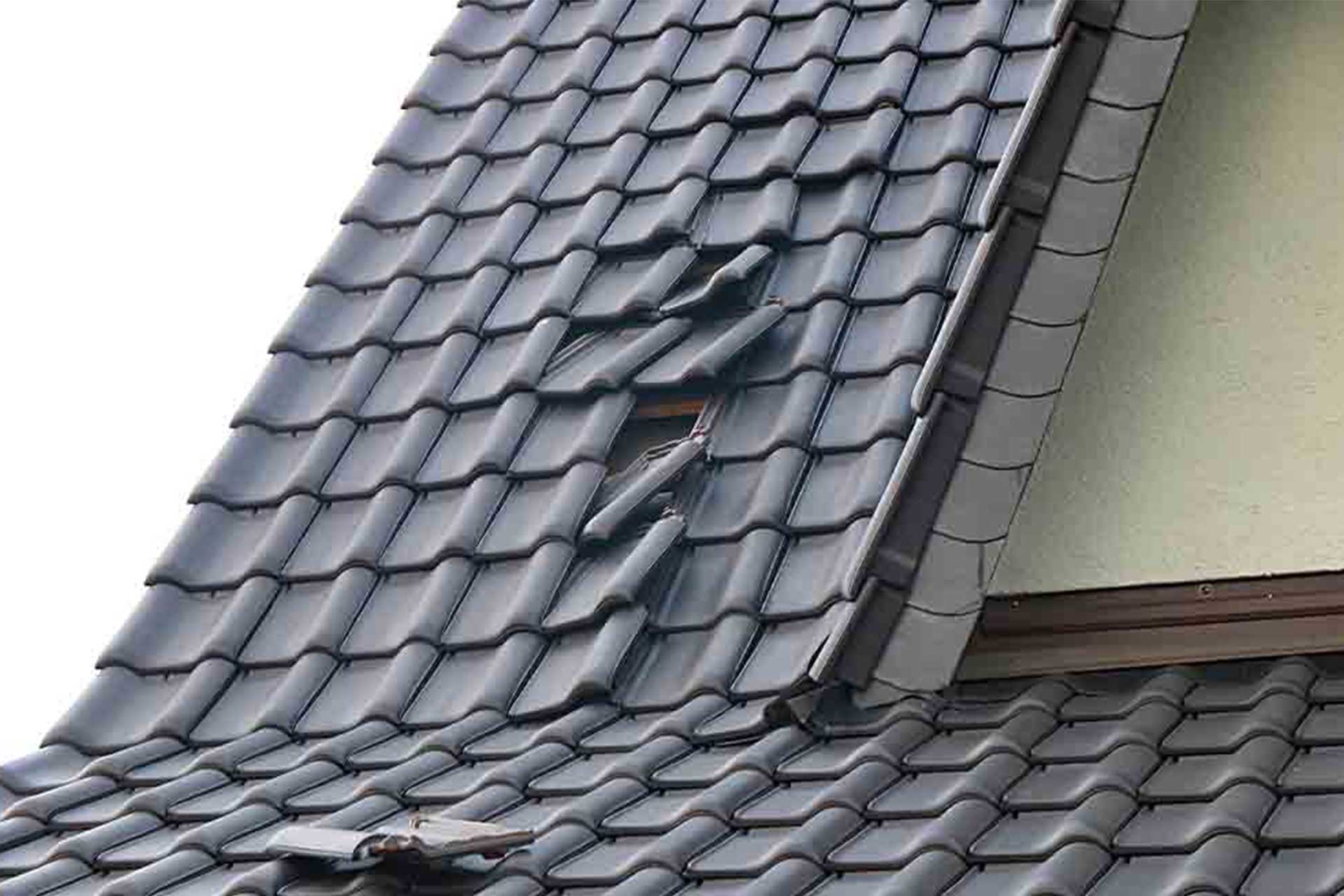
A sudden roof leak during heavy rain
Storm damage or fallen debris
Missing tiles exposing the roof structure
Water entering the loft or ceilings
Structural damage after severe weather
Emergency repairs are often temporary fixes designed to make the property safe until permanent work can be scheduled.
Skills and experience to look for in a roofer
A combination of experience and practical knowledge matters when hiring a roofer.
Roofing work is often carried out at height and exposed to the elements, so attention to detail and safe working practices are essential.
Look for roofers who can demonstrate:
Experience with similar roofing work
Clear explanations of how repairs will be completed
Knowledge of building regulations where relevant
Safe working practices and proper equipment
Reliable communication throughout the job
Qualifications and industry accreditations
Some roofers may also hold recognised training, apprenticeships, or membership of industry schemes. While not always required, these can give you additional reassurance when comparing contractors.
The National Federation of Roofing Contractors (NFRC): membership of a professional association often indicates a commitment to industry standards and ongoing technical guidance
The Roofing Competent Person Scheme (RCPS): if you’re replacing more than 50% of your roof, hiring an RCPS roofer can help simplify building regulations compliance and avoid the need for separate certification
RoofCERT: a recognised accreditation for roofing contractors. Roofers must demonstrate technical knowledge, health and safety awareness, and proven competence to achieve and maintain certification

On Checkatrade, you'll only find trades who meet our high standards and pass up to 12 checks.
Questions to ask before hiring a roofer
Before you agree to any work, consider asking a few ‘qualifying questions’:
Can you explain the problem and how it will be fixed?
What materials will you use?
How long will the work take?
Will you provide a written quote or estimate?
Do you offer a guarantee for the work?
Who will carry out the work on site?
What happens if additional problems are discovered?
Will waste materials be removed after completion?
These conversations will help set expectations, avoid uncertainty, and build trust before work begins.
A reputable roofer will inspect your roof properly before giving a quote. They should be able to explain the problem clearly and show photos of the issue and the finished work.
We check the reviews on Checkatrade are from real people, and that trades meet our high standards.
The stages of a roofing project
Initial enquiry and surveys
The first step is getting a roofer out to take a look. They'll assess your roof, spot any issues, and start thinking about the best way to tackle the job.
What happens during this stage?
Once you make contact, a roofer will typically arrange a visit to inspect your property. They'll check for signs of damage, wear, or structural problems, both on the roof itself and, where possible, in the loft space below.
After the survey, they'll talk you through what they've found, often with photos to back it up, and discuss the options available to you.
What to expect
A roofer should:
Arrive at the agreed time
Introduce themselves and explain the survey process
Ask about any specific concerns you have
Conduct an examination of your roof
Take measurements and photographs
Discuss their findings with you in clear, non-technical language
Explain possible solutions and next steps
How to prepare
To get the most out of your initial survey:
Note down any specific problems you've noticed
Collect any documentation about your existing roof if available
Clear access to the property and loft if possible
Prepare questions about your roofing options
Consider your budget and timeline constraints
Understanding quotes and hourly rates
The cost of roofing work depends on several factors including the size of the roof, the materials used, access to the property, and the complexity of the repair.
As a rough guide:
Minor repairs may cost a few hundred pounds
Larger repairs or replacements can cost significantly more
Emergency callouts may involve additional charges
Getting more than one quote helps you understand what a fair price looks like and compare like-for-like services.
Check whether the quote includes VAT, as this can add around 20% to the total cost. A deposit is usually reasonable, but it’s generally best not to pay the full amount upfront. Make sure payment terms are clearly set out in writing before work begins.
You can also look at our roofing cost guides to get an idea of typical prices for common roofing jobs:
A written quote should clearly explain:
The scope of work
Labour and material costs
Equipment or scaffolding costs
Waste removal
Estimated start and completion dates
Any guarantees or warranties
Any call-out or inspection fees
Comparing a few itemised quotes makes it easier to understand value, rather than comparing the price alone.
During roofing works
A typical roofing installation or major repair follows these steps:
Setup and preparation - Delivery of materials, setting up scaffolding, and placing protective coverings around your property
Removal of old roofing - If applicable, removing existing materials down to the roof deck
Inspection and repairs - Examining the roof deck for damage and making necessary repairs
Installing underlay - Applying the water-resistant layer beneath the main roofing material
Installing new roofing - Applying the main roofing material (tiles, slates, etc.)
Flashing and detail work - Installing flashing around chimneys, vents, and other roof penetrations
Final touches - Ridge capping, guttering, and other finishing elements
Clean-up - Removing debris, waste, and equipment from the site
During the active work phase, you can expect:
Noise during working hours - roofing involves hammering, cutting, and movement of materials
Workers on and around your property, including on the roof and in your garden
Delivery and removal of materials and equipment
Some disruption to your daily routine, particularly if you work from home
Regular updates from your project manager or lead contractor
Please note that roof tiles need to be fixed with nails, and it is likely that if 50% or more of the roof is to be replaced, then a Building Control application will be required.
Even with the best planning, unexpected issues can arise during roofing work:
Hidden damage may be discovered once old roofing is removed
Weather conditions might cause delays
Material delivery issues could affect the schedule
Professional roofers should immediately communicate any such issues, explaining the implications and discussing solutions with you before proceeding with additional work.
You have the right to pause work to obtain further quotes if additional work is identified, ensuring you can make an informed decision before committing to extra costs.
Additional work identified once the project has started is highly likely to require the tradesperson to provide the customer with information about their statutory cooling-off period and an additional, revised written quote to reflect the changes/additional work.
It is important that homeowners do not feel rushed or pressured into agreeing to additional work – some victims of rogue traders have felt they had no choice but to allow further, more extensive work because the requirement for it was only communicated once their roof was no longer weatherproof or tiles had been removed.
Roofing aftercare
Once the work is done, there are a few important steps to wrap things up and make sure your new roof is built to last.
Final inspection
Once all work is complete, a thorough inspection should be conducted:
Visual inspection of all roofing elements and workmanship
Checking for proper installation of all materials
Ensuring all flashings and weatherproofing details are correctly installed
Verifying that ventilation systems are functioning properly
Confirmation that all debris has been removed and the site is clean
Payment
A reasonable time should be allowed for payment following completion of works, rather than a tradesperson demanding full payment immediately upon completion. This, particularly if coupled with threats to remove materials if payment is not received, is highly likely to be a criminal offence.
Documentation and warranties
Upon completion, you should receive important documentation:
Manufacturer warranties for materials
Workmanship warranty from your contractor
Maintenance recommendations and guidelines
Final invoice and receipt for payments
Building control certificates if applicable
Before and after photos if available
Maintenance guidance
Your roofing contractor should provide advice on maintaining your new roof:
Recommended inspection schedule (typically 1-2 times per year)
Guidance on cleaning gutters and downpipes
Warning signs to watch for that might indicate problems
Advice on keeping trees trimmed away from the roof
Instructions for safe access if applicable
Follow-up support
Professional roofing companies typically offer:
A process for reporting any issues that might arise
Clear warranty claim procedures
Scheduled follow-up inspection options
Ongoing support for questions or concerns
Common mistakes when hiring a roofer
Most roofing problems can be avoided by taking a few simple precautions before work begins.
Some of the common mistakes homeowners make when hiring a roofer include:
Hiring based on price alone
Agreeing to work without a written quote
Not checking insurance or reviews
Ignoring early signs of roof damage
Rushing decisions after storm damage
Taking time to read verified customer reviews, ask questions and compare quotes carefully can help avoid unnecessary stress later on.
Before hiring a roofer, make sure they have a physical address and a phone number. You need to be sure they’ll be around for the long term and aren’t just 'passing through' — especially if your only interaction is them knocking on your door. On Checkatrade, we do all the important checks for you — so you can be confident of hiring reputable, trusted trades.

Can you do roofing work yourself?
Some minor maintenance tasks, such as clearing debris from gutters, may be suitable for confident DIYers.
However, most roofing work creates safety risks and often calls for specialist tools and training. It involves:
Working at height
Handling heavy materials
It's often not worth the risk. Poor repairs can also lead to leaks, structural damage, or insurance issues.
Hiring an experienced roofer is usually the safest and most reliable option for anything beyond simple maintenance.

Hiring a roofer checklist
Find a trusted roofer near you
Finding a reliable roofer used to mean relying on word of mouth or taking a chance on the first name you came across. Today, it’s much easier to compare tradespeople and make an informed decision.
When you use Checkatrade, you can compare roofers who are:
Checked - Every Checkatrade member must pass up to 12 checks and commit to upholding the Checkatrade Standard
Reviewed - Over 6.2 million reviews have been published on Checkatrade on everything from communication, tidiness, timekeeping, and quality of work
Guaranteed - When you book through Checkatrade, your job is covered by our guarantee, up to £1,000 (T&Cs apply)
Enter your postcode to compare reputable roofers working locally to you and request quotes with confidence.
Browse checked local roofers in your area
Enter your postcode to find a top tradesperson near you
Roofer UK Network Limited
10.00
(47 reviews)Services & skills
RooferLeadworks InstallationHot Melt Roofing InstallationPolycarbonate Roofing InstallationRidged Tiles InstallationHomebuttons Ltd
10.00
(101 reviews)Services & skills
RooferBalcony Roofing InstallationRidged Tiles InstallationGreen Roofing RepairGlass Roof InstallationHybrid Roofing
10.00
(52 reviews)Services & skills
RooferLeadworks InstallationDormer / Roof WindowsSealoflex Roofing InstallationConservatory Roof ConversionsWorld of Roofing
10.00
(135 reviews)Services & skills
RooferLeadworks InstallationMoss RemovalDry Ridge InstallationFlat Roofing RepairRidgeline Property Maintenance
10.00
(37 reviews)Services & skills
RooferLeadworks InstallationBalcony Roofing InstallationMoss RemovalRoof ReplacementPrime Fix Roofing
10.00
(11 reviews)Services & skills
RooferAsphalt Roofing InstallationLiquid Plastic Roofing InstallationMetal Roofing RepairSlate Roofer Repair


Hiring a roofer FAQs
To check whether a roofer is reliable, look for consistent customer reviews, clear communication, written quotes, and proof of insurance. Reliable roofers are usually willing to explain their work and answer questions openly.
Getting at least three roofing quotes will help you compare prices, understand what’s included, and choose the best value option for your needs.
Most quotes are valid for 30-90 days, after which material prices may change. Always check the validity period on your quote.
Roofers should have public liability insurance to cover accidental damage or injury during the job.
A reasonable deposit is common for roofing work, especially for larger projects. However, paying the full amount upfront is usually not recommended.
The timeline for roofing work depends on the size and complexity of the job. Small repairs may take a few hours, while larger projects can take several days or longer.
If your roof starts leaking suddenly, try to minimise damage by containing the leak if it is safe to do so, and contact a roofer as soon as possible. Prompt action can prevent further damage to your home.
Weather delays are common with roofing projects. Ask your roofer what contingency plans are in place and when the work will be rescheduled if conditions aren’t safe.
Some homeowners prefer to make final payment for roofing work until after the first rainfall to confirm there are no leaks. You can discuss this with your roofer, but always make sure payment terms are clearly agreed in writing before work begins.
Roofing work usually takes place during normal working hours, but it’s sensible to confirm the schedule in advance so you know what to expect and can plan around any disruption.
For larger roofing projects, there may be a project manager or lead roofer overseeing the work. Having a clear point of contact makes it easier to ask questions and resolve issues quickly.
Some roofing companies use subcontractors, especially for larger jobs. It’s reasonable to ask who will be carrying out the work and whether they are covered by the same insurance and guarantees.
Most reputable roofers offer the initial survey and quote free of charge. Always confirm this when making the appointment.
A survey usually takes between 30 minutes to an hour, depending on the size and complexity of your roof. It's highly recommended that you're present so the roofer can discuss their findings with you directly and answer any questions you may have. If urgent issues are found, the roofer should clearly explain the risks and may offer temporary solutions until full repairs can be scheduled.

See the tradespeople we've checked for your job