Blog>Trade>Starting a Business>How to become a handywoman
Last updated: 18 December 2024

How to become a handywoman
Are you thinking of becoming a handywoman? Whether you’re starting out or looking for a career change, this guide is for you. Find out what you need to start out!
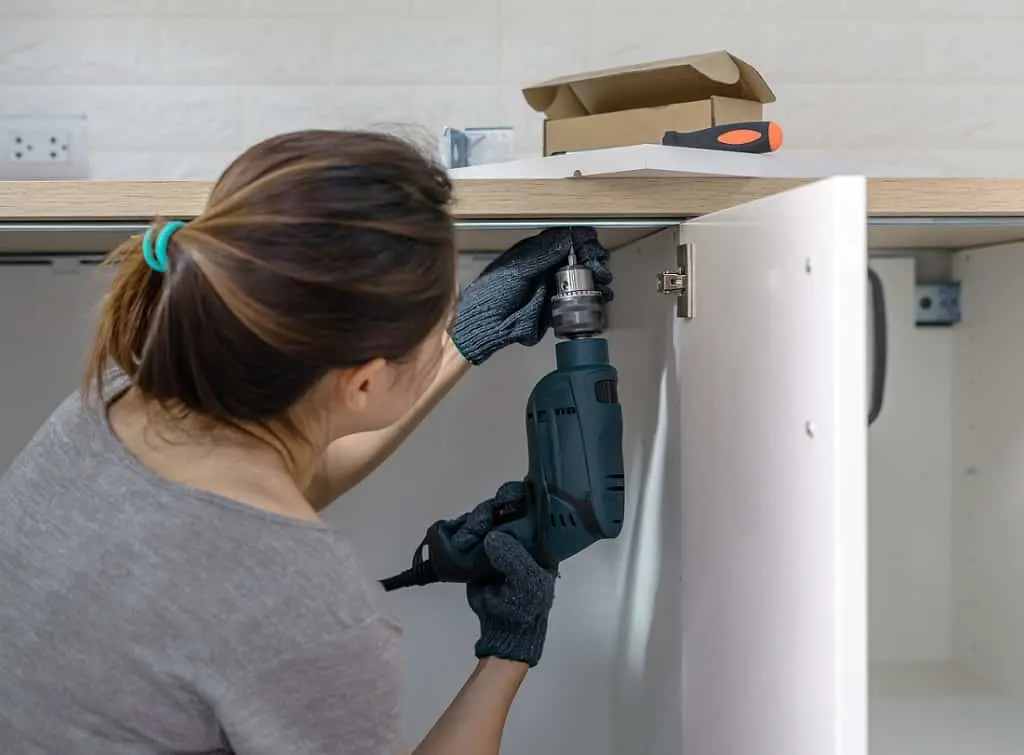
Popular ways to become a handywoman
There are several paths to becoming a handywoman in the UK. So you can choose the route that best suits your circumstances and preferred learning style.
Below are the most common options for handyperson training to help you become a handywoman…
Apprenticeships
If you’re a fan of hands-on learning then an apprenticeship is the perfect way to gain practical experience.
As an apprentice, you will:
Work under the guidance of an experienced handyperson
Learn a range of skills that you need for the job
Usually work for a business that offers handyperson services
Get on the job experience with general maintenance, carpentry, and other trade services
Carry out some classroom-based learning through a local college or training provider
Being a handywoman apprentice is ideal if you’re eager to earn while you learn. However, it can take 1-3 years to train – which is longer than some other training options.
On-the-job training
Like an apprenticeship, on-the-job training will offer you the chance to earn and learn – only with a less formal and more flexible approach.
This is a great way to become a handywoman if you’re a quick learner. You can progress quickly, learn a range of skills, and increase your earnings.
If you decide to go for on-the-job training to become a handywoman, you can expect to:
Work alongside an experienced handyperson who will show you the ropes and teach you the skills you need
Start as an assistant, gradually taking on more responsibilities over time
Pick up skills through hands-on learning as you work on different jobs
The key to on-the-job training is finding a handyperson who’s willing and able to mentor you. You need someone who can invest their time and energy in your training.
Keep in mind that on-the-job training provides valuable experience but it may not come with a formal qualification, which may limit your career progression.
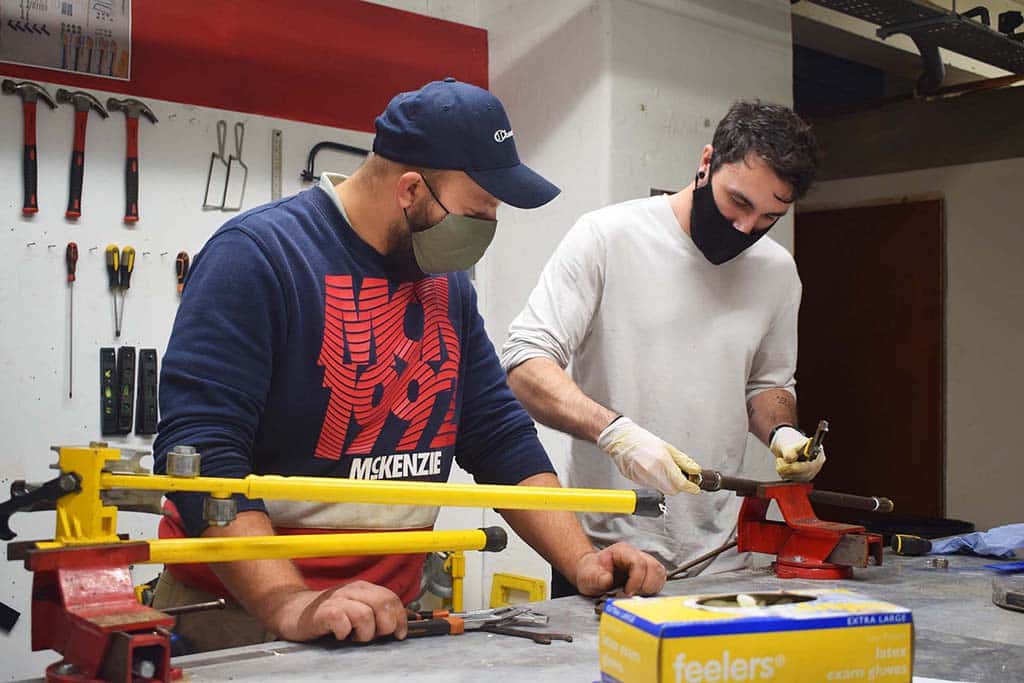
Official trade qualifications in the UK
Now is a great time to be a tradesperson in the UK. Because becoming a qualified tradesperson has never been more accessible. Getting official trade qualifications sets you up with the right skills to do the job well. Plus, it shows potential customers that you’re dedicated to your trade. Types of
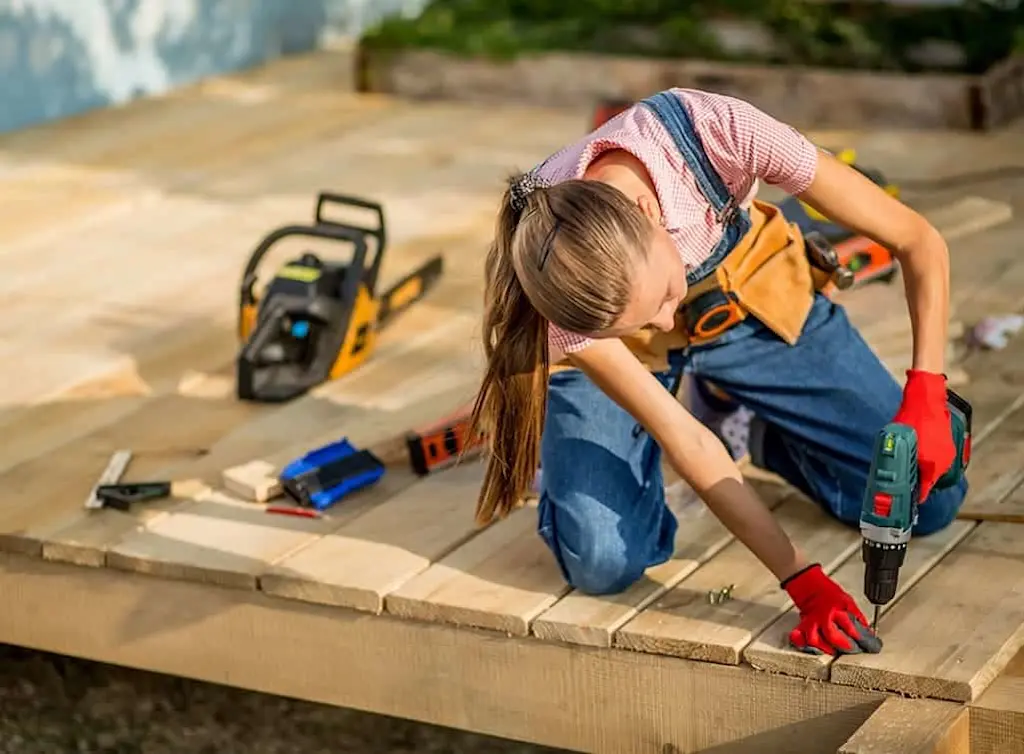
Training courses
If you prefer to learn in a more structured environment, then courses at a local college or learning centre might suit you best. Handyperson training courses exist to help meet a growing gap of skilled tradespeople - regardless of sex or gender.
Formal courses are also useful if you enjoy learning theory before applying it in practice. And they’re great for learning specialist skills, such as plumbing or carpentry.
Many colleges in the UK offer handywoman-related courses – from short, part-time evening classes to full-time diplomas and NVQs (National Vocational Qualifications) in:
Carpentry
Plumbing
Electrical work
General maintenance and DIY skills
However, be aware that college courses typically require a financial investment, so you’ll need to plan how to support yourself during your studies.
When you're ready for work
Join Checkatrade and get your business off to a great start
Which training option is best?
Not sure which path to take? We recommend taking some time to research the options available in your area, considering the costs and your future earning potential.
Whichever route you choose, gaining as much practical experience as possible will prepare you for a successful career as a handywoman.
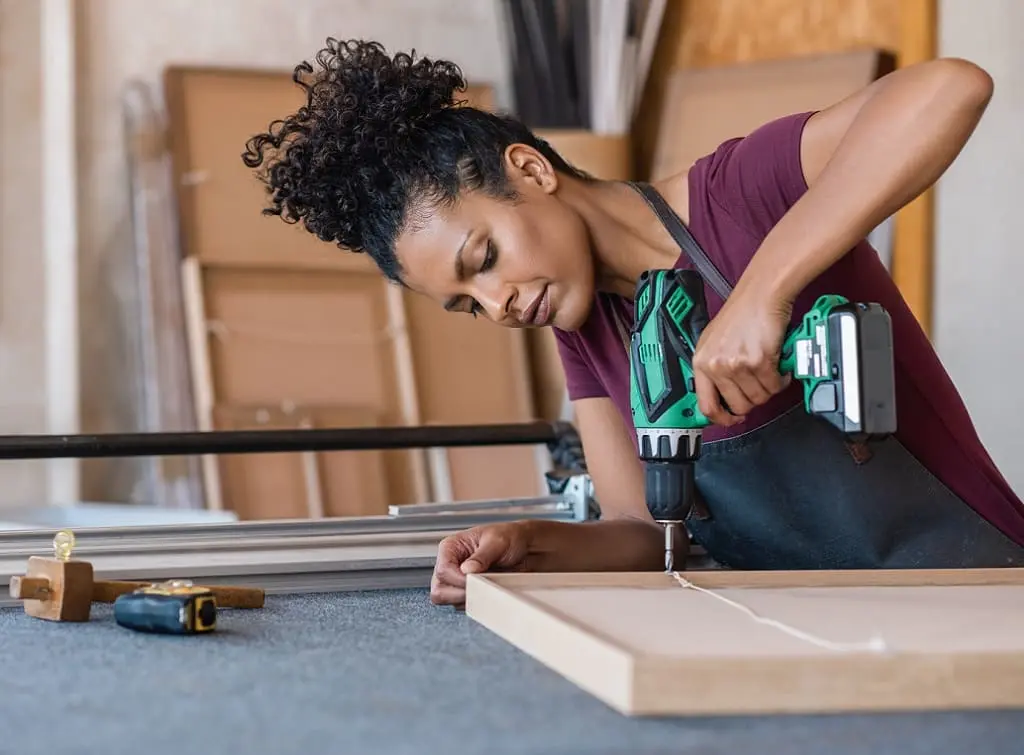
How long does it take to become a handywoman?
There’s no fixed timeline for becoming a handywoman or handyperson. It will depend on the way you train and how quickly you learn.
Gaining formal qualifications for your new profession can take anywhere from 1 to 3 years, depending on how many skills you want to acquire in that time.
Handywoman job description
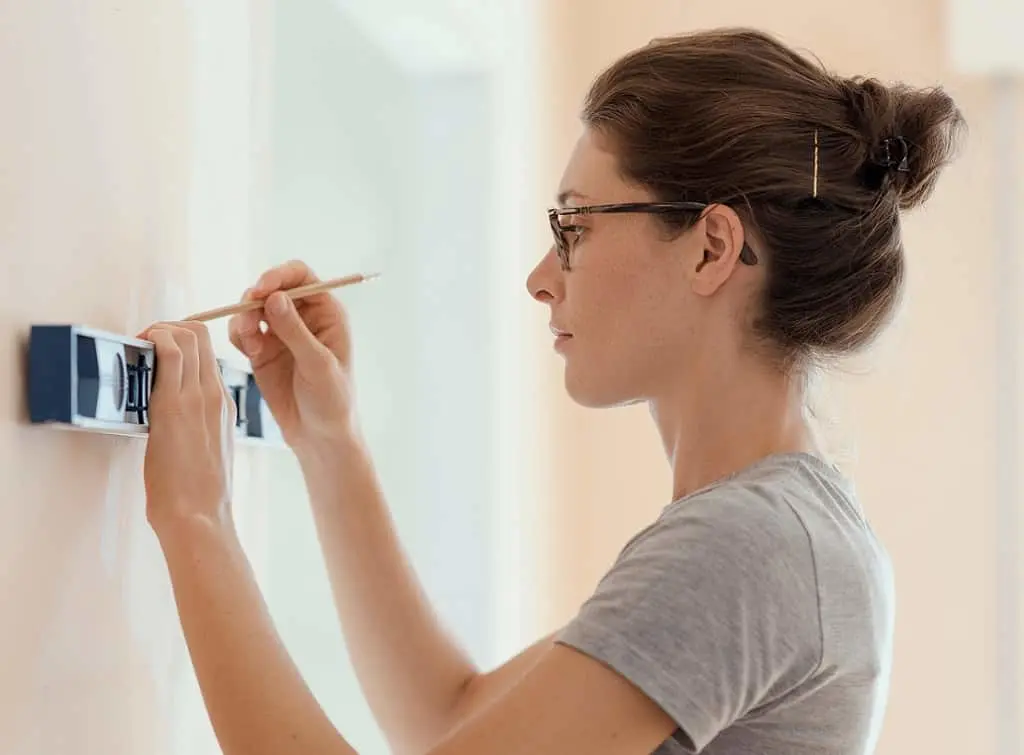
Before you embark on your career as a handywoman, it’s good to know what the day-to-day job will involve.
The reality is that no two days will be the same. Being a handyperson, you’ll cover a huge variety of jobs for your clients.
That means there doesn't tend to be a fixed job description, as such. But here are some of the most common jobs that you might do as a handywoman:
Assemble furniture or equipment
Mount and install TVs and audiovisual equipment
Put up shelves and pictures
Change light bulbs and ensure other fixtures and fittings are in good working order
Clear and make minor repairs to gutters
General painting and decorating
Garden maintenance
Small-scale renovations, such as updating bathroom or kitchen fixtures
Over time, you might find that you want to specialise in certain types of handyperson jobs. That way you can do more of the jobs that you love.

How to start a handyperson business
If you’re a jack-of-all-trades, it’s likely you’ll be a highly skilled tradesperson who’s valued for your versatility. Homeowners usually have an endless list of improvements and repairs to do. They just don’t always have the skills! Starting a handyman business in the UK could be a very lucrative
Skills needed to be a handywoman
To become a successful handywoman in the UK, you’ll need a combination of practical and personal skills. If you're already a dab hand at DIY, then ever better!
Practical skills
Here are some of the common practical skills you’ll need as a handywoman:
General maintenance
Minor plumbing repairs
Building and installing furniture
Proficiency with power tools (e.g., drills, sanders, grinders, saws)
General garden maintenance
Basic carpentry
Knowledge of health and safety standards
Ability to use modern technology (to find, manage, and communicate with clients effectively)
Personal skills
A successful handywoman will benefit from having the following personal skills:
Communication skills – Strong communication helps you understand customer needs, explain solutions, and build good relationships
Admin and organisation – Keeping track of your work and managing your time efficiently will help you succeed as a tradesperson
Problem-solving – Fixing issues is at the heart of being a handywoman, so a problem-solving attitude is crucial
Time management – You may have multiple jobs each day, so managing your time well is essential for providing high-quality service
Ability to take criticism – Accepting feedback and using it to improve your work will serve you well
Flexibility and adaptability – Every day and job will be different, so it pays to be adaptable
By combining these practical and personal skills, you’ll be well-equipped to offer your customers first-rate handyperson services.
Checkatrade members get more for their money
Save money on business essentials with your Checkatrade membership
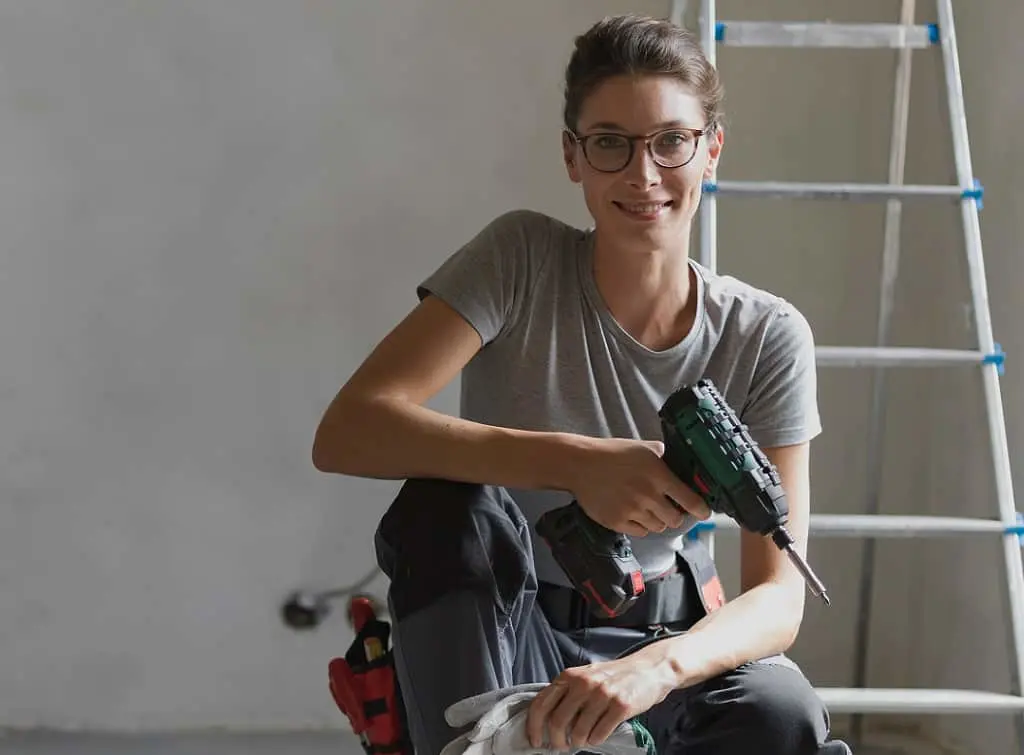
How much does a handywoman earn in the UK?
If you’re thinking about becoming a handywoman, it’s important to know what you can expect to earn.
As a rough guide, here are some average earnings for a handyperson in the UK:
| Level | Per hour | Per day | Per year | Estimated business costs* | Approximate take home pay |
|---|---|---|---|---|---|
| Apprentice | £5.28 | £42.24 | £9,271.68 | £0.00 | £9,138.76 |
| Newly qualified | £7.49 | £59.92 | £13,152.44 | £0.00 | £12,437.34 |
| Employed | £12.00 | £96.00 | £24,960.00 | £0.00 | £20,466.48 |
| Sole trader | £35.00 | £280.00 | £51,626.40 | £6,453.30 | £34,113.63* |
| Business owner (Ltd company) | £50.51 | £404.08 | £74,504.27 | £13,038.25 | £47,852.71* |
| *includes estimated business expenses such as vehicle, fuel, tools and insurance. You should always consult an accountant. | |||||
| Last updated: May 2024 Our costs are ballpark averages - get a local tradesperson to quote now | |||||
Find out more about how much you can expect to earn in our guide to handyperson earnings.