QUESTIONS
How to get a copy of your electrical safety certificate (BS7671)
Updated 06/26
By: Sarah P
Reviewed: Alex Peters
The easiest way, and your first port of call, should be to get a copy of your electrical certificate BS7671 from the registered electrician who did the work initially.
Contact the original electrician first
Check NICEIC, NAPIT, or ELECSA records
No single online database exists
Indemnity policy if certificate is lost
New EICR accepted by most solicitors
Landlords must renew every five years
Find a checked and reviewed electrician on Checkatrade
When you're selling a home, remortgaging, or a landlord managing a rental, one document tends to cause a disproportionate amount of stress: the electrical safety certificate.
If yours has gone missing - or you never received one in the first place - this guide walks you through exactly how to track it down, who to contact, and what to do if it can't be found.
Find an electrican near me
What is an electrical safety certificate (BS7671)?
The term "electrical safety certificate" is used loosely, but it usually refers to one of two separate documents - and it's worth knowing the difference before you start chasing the wrong one.
Electrical Installation Certificate (EIC)
This is issued by the electrician who carried out notifiable electrical work - for example, installing a new circuit, replacing a consumer unit, or completing any electrical work in a kitchen, bathroom, or shower room. It confirms the new work complies with BS7671, the UK's national wiring regulations standard.
You may also see it called a Domestic Electrical Installation Certificate (DIEC) or simply a BS7671 certificate.
Electrical Installation Condition Report (EICR)
This is a periodic inspection of an existing electrical installation - a full assessment of all fixed wiring, sockets, the consumer unit (fuse board), earthing, and bonding.
An EICR is what landlords are legally required to have, and what solicitors or buyers may request when a property changes hands.
If you're selling and a solicitor asks for an "electrical safety certificate", clarify which document they mean. For most sales, they'll accept either a valid EIC for the specific works carried out, or a satisfactory EICR for the whole property.

Check out our electrician hub for all the information you need in one place. There's everything from the cost of adding plug sockets to hanging a chandelier!
How to get a copy of your electrical certificate (EIC)
If you had notifiable electrical work done and can't find your certificate, here's where to look.
Step 1 - Contact the electrician or company
Your first call should be to the electrician or electrical company that did the work. They are required to keep copies of any EICs they've issued. Even if some time has passed, most reputable companies retain records. If they can provide a duplicate, that's your quickest route.
Step 2 - Find your Part P building regulations certificate
For notifiable work in England, the electrician should also have notified the work to a Part P competent person scheme. This triggers a separate building regulations compliance certificate, issued by the scheme and sent to you by post.
The main schemes are:
NICEIC
NAPIT
ELECSA
Step 3 - What if the company has ceased trading?
If the original company is no longer in business, you can still trace the Part P certificate through the relevant scheme. You'll need:
The approximate date the work was completed
The name and any details of the original company
Your full property address
Contact NICEIC, NAPIT, or ELECSA and explain the situation. They hold records of all notifiable work submitted by their registered members, even for companies that have since closed.
If you're not sure which scheme the electrician belonged to, NICEIC is the largest and covers the majority of registered electricians in England and Wales. Accreditation is also highlighted on a Checkatrade member profile.
Is there an online database for electrical certificates?
This is one of the most common questions - and the honest answer is: not a single central one.
Unlike FENSA for windows, there is no universal online portal where all electrical certificates are stored. Each competent person scheme (NICEIC, NAPIT, ELECSA) holds its own database of notifiable work registered by its members.
If the work was never notified to a scheme - which is more common than people realise - there will be no record anywhere.
TIP: Accreditations and affiliations held by Checkatrade tradespeople are highlighted on their member profiles.

On Checkatrade, you'll only find trades who meet our high standards and pass up to 12 checks.
What if no certificate can be found?
If you've exhausted all the above routes and still can't locate a certificate, you have two options.
Option 1 - Building regulations indemnity policy
If the work was done but the certificate is lost or was never issued, a buyer's solicitor may accept a building regulations indemnity insurance policy in its place. This is a one-off insurance policy that protects the buyer (and future owners) against the risk of the local authority taking action over non-compliant work.
Your conveyancing solicitor can arrange this, and it's often the most practical solution when a sale is in progress. Costs are typically modest - usually a few hundred pounds.
An indemnity policy only works if the issue hasn't already been flagged by the local authority. Once you've contacted the council about the missing certificate, an indemnity policy is no longer available.
Option 2 - Commission a new EICR
The alternative - and often the more reassuring route for everyone involved - is to commission a new Electrical Installation Condition Report (EICR). This assesses the current condition of the full electrical installation and is widely accepted by solicitors and local authorities in place of an original EIC.
A satisfactory EICR provides confidence that the electrics are safe today, regardless of what paperwork was or wasn't issued when the original work was done.
Find an electrican near me
How much does an EICR cost?
If you need to commission a new EICR, here's what to budget for based on Checkatrade data.
Property type | Typical cost (inc. VAT) |
EICR (residential) | £100–£250 |
Landlord flat | from around £100 |
Landlord house | £250+ |
Electrician hourly rate | £55 per hour |
An EICR cost is a fraction of what a failed property sale or a fine for non-compliance can cost. It's worth doing properly and using a vetted, qualified electrician.

Electrical safety check costs: Price breakdown 2026 (UK)
From electrical safety checks to electrical installation condition reports, these test can help keep your loved ones safe and secure. Find out the full costs here.
What do EICR condition codes mean?
If you already have an EICR and are trying to understand what it says, here's a quick guide to the condition codes used.
C1 - Danger present: Immediate action required. The installation poses a risk to safety.
C2 - Potentially dangerous: Urgent remedial work needed before the report can be considered satisfactory.
C3 - Improvement recommended: Not immediately dangerous, but should be addressed.
FI - Further investigation required: An issue needs closer examination before a code can be assigned.
An EICR is only considered satisfactory if it contains no C1 or C2 codes. If yours shows either of these, you'll need to arrange remedial work before the report is valid.
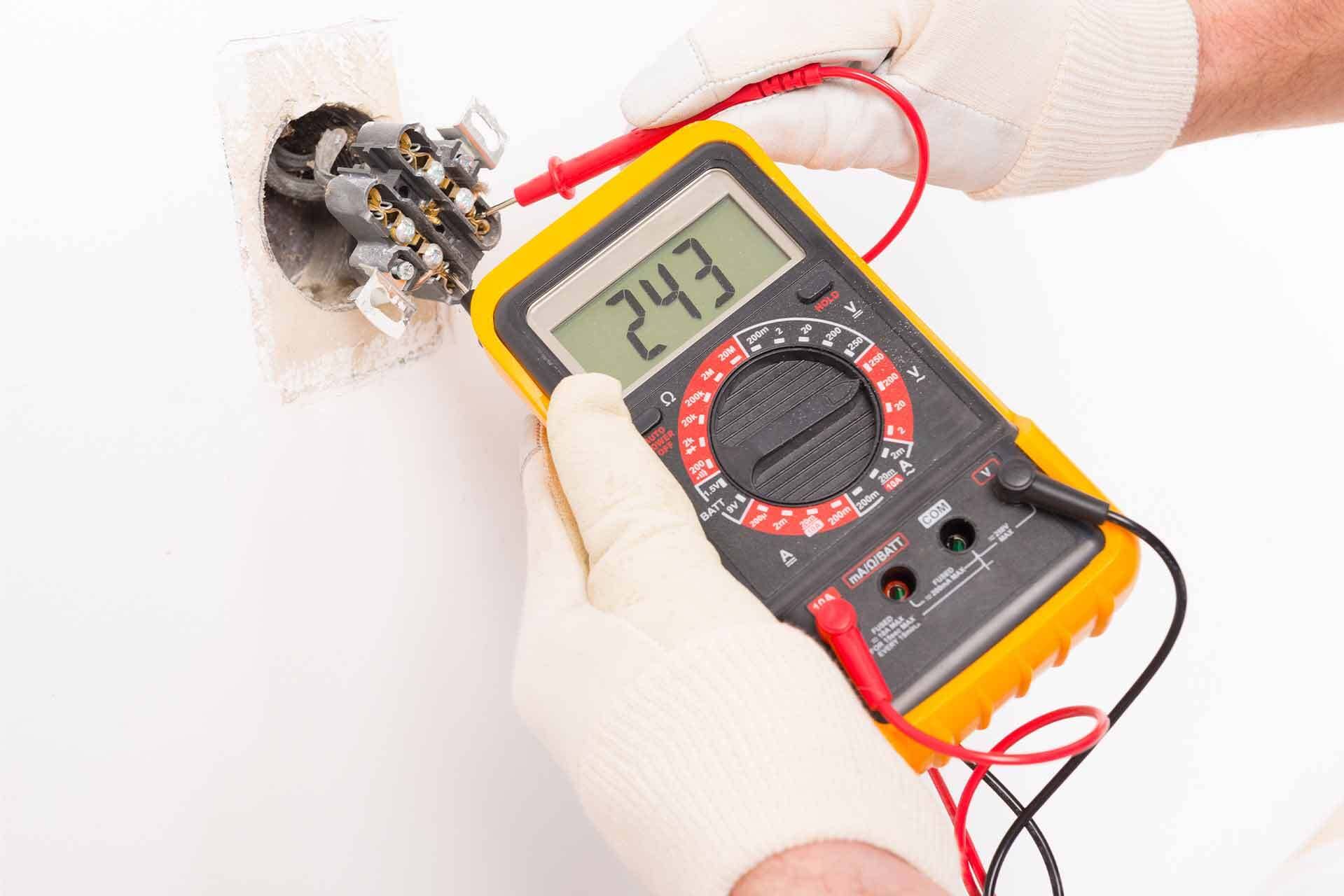
Electrical installation condition report near me
An electrical installation condition report – or EICR – can help to make sure your electrics are safe. Here’s all you need to know about electrical installation condition reports near you – from how much they cost to who can carry one out. Want to find the best specialist for an EICR report near
Electrical safety certificates for landlords
If you're a landlord in England, the rules around electrical certification are more specific - and carry real legal weight.
Since April 2021, all residential landlords in England must have a valid EICR for any property they rent out. This is required under the Electrical Safety Standards in the Private Rented Sector (England) Regulations 2020.
What landlords must do:
Have an EICR carried out by a qualified and registered electrician
Renew it at least every five years (or sooner if the previous report recommends it)
Provide a copy to each tenant within 28 days of the inspection
Give new tenants a copy before they move in
Supply a copy to the local authority within seven days if requested
If the notifiable electrical work has also been done - such as a new circuit or consumer unit replacement - an EIC is required for that specific work in addition to the EICR for the wider installation.
For more detail on your obligations, read our guide to landlord electrical safety certificates and landlord electrical responsibilities.
Failure to comply can result in fines of up to £30,000, and may invalidate landlord insurance in the event of a fire or electrical incident.

Do I need an electrical safety certificate when selling my home?
There is no legal requirement to provide an EIC or EICR when selling a residential property. However, buyers' solicitors routinely ask for them - particularly if electrical work has been carried out since the property was built.
If you can't provide the original EIC for notifiable work, the buyer's solicitor may request one of the following:
A copy of the Part P building regulations compliance certificate
A satisfactory EICR for the full installation
A building regulations indemnity policy
It's worth checking what documentation you have well before you go to market, so you're not scrambling to source it mid-sale.
Planning ahead for an electrical safety check is good practice before selling.

Planning for an electrical safety check
An electrical safety check primarily helps to ensure the safety of your property and its occupants. Whether you're a homeowner or landlord, our complete guide outlines everything you need to know about the process.
Regional differences - England, Wales, Scotland, and Northern Ireland
The rules around notifiable electrical work and Part P compliance differ depending on where you are in the UK.
England: Notifiable work is governed by Part P of the Building Regulations. Most domestic electrical work in kitchens, bathrooms, and new circuits must be notified.
Wales: The Building Regulations also apply, but the list of notifiable works under Part P is broader than in England.
Scotland: Notifiable work must comply with the Scottish building standards system. A registered installer or the local authority must approve electrical work carried out under a building warrant.
Northern Ireland: There are currently no statutory requirements for domestic electrical installation work equivalent to Part P. However, requirements for privately rented properties are expected to be introduced.
How to find a qualified electrician
Whether you need an EICR carried out, want to trace a certificate, or need remedial work done, it's important to use a registered and qualified electrician.
Look for electricians who are registered with:
NICEIC - the UK's largest electrical registration body
NAPIT - another approved competent person scheme
ELECSA - part of the Certsure group alongside NICEIC
On Checkatrade, every electrician has been through up to 12 checks before they can list with us - including verification of qualifications and insurance. You can read verified reviews from real jobs and get quotes with confidence.
Start browsing local electricians
Enter your postcode to find a top tradesperson near you
DB Electrical Services
10.00
(71 reviews)Services & skills
ElectricianElectric Vehicle Charger InstallationSmoke AlarmsFuseboard / Consumer Unit RepairEmergency LightingAC Electrical (Surrey) Ltd
10.00
(66 reviews)Services & skills
ElectricianElectrical ContractorsEmergency LightingElectric HeatingLighting DesignBlue Lantern Electrical Services Ltd
10.00
(284 reviews)Services & skills
ElectricianElectric Boiler InstallationFuseboard / Consumer Unit RepairElectric ShowersElectric RadiatorsFox Electrical Install Ltd
10.00
(119 reviews)Services & skills
ElectricianElectrical ContractorsElectric Boiler InstallationSmoke AlarmsStorage HeatingLuxtric Ltd
10.00
(5 reviews)Services & skills
ElectricianElectric CookersElectric ShowersElectrical Heater RepairElectric Range CookersWhat Electrics! Ltd
10.00
(66 reviews)Services & skills
ElectricianElectrical ContractorsGarden LightingElectric CookersHot Tub Wiring



Electrical safety certificate checklist
Before you start chasing your certificate, run through this checklist:

Electrical safety certificate checklist

Frequently asked questions
What is the difference between an EIC and an EICR?
An EIC (Electrical Installation Certificate) is issued when new notifiable electrical work is completed - it confirms the new work complies with BS7671. An EICR (Electrical Installation Condition Report) is a periodic inspection of an existing electrical installation. They cover different things and are used in different situations.
Is there a central database where I can find my electrical certificate online?
No. There is no single central database for all electrical certificates in the UK. Each competent person scheme (NICEIC, NAPIT, ELECSA) holds its own records for work registered by its members. If the work was never properly notified, no record will exist anywhere.
What if the electrician who did the work is no longer trading?
You can still try to trace the Part P certificate through the relevant scheme - NICEIC, NAPIT, or ELECSA. They hold records of all notifiable work submitted by registered members, even from companies that have since closed. You'll need the company name, approximate date of the work, and your full address.
Can another electrician issue a replacement certificate for work they didn't do?
No. It is not legal for an electrician to certify work they didn't carry out themselves. The only legitimate options if no certificate can be found are to trace the original through the relevant scheme, take out a building regulations indemnity policy, or commission a new EICR for the full installation.
Do I need an electrical certificate to sell my house?
Not legally, but buyers' solicitors often request one. They will typically accept a valid EIC for any notifiable work, a satisfactory EICR for the full installation, or a building regulations indemnity policy if no certificate is available.
How long is an electrical safety certificate valid for?
An EIC is valid for the specific notifiable work it covers and doesn't expire in the same way as an EICR. An EICR is typically valid for five years for rental properties, and up to ten years for owner-occupied homes - though the report itself may recommend a shorter interval if issues are found.
Does an EICR replace an EIC?
Not exactly. An EICR covers the condition of the existing installation as a whole; an EIC covers specific notifiable new work. If a solicitor is asking for evidence that a specific piece of work (such as a new consumer unit) was done correctly and notified, an EICR alone may not satisfy that requirement. Speak to your solicitor about which document they need.
How much does it cost to get a new EICR done?
Based on Checkatrade data, a residential EICR typically costs between [Electrician rates: B4]. For landlords, costs start from around [Electrician rates: D6] for a flat and [Electrician rates: E6]+ for a house. See our full electrical safety check cost guide for more detail.
HWhat is notifiable electrical work?
Notifiable work is any electrical work that must be reported to a competent person scheme or local authority under the Building Regulations. In England, this includes installing a new circuit, replacing a consumer unit, and any electrical work in a kitchen, bathroom, or shower room. The rules differ slightly in Wales and Scotland.
Do landlords need both an EIC and an EICR?
A landlord needs a valid EICR renewed every five years. If notifiable electrical work has also been carried out - such as a new circuit or consumer unit replacement - an EIC is required for that specific work as well. The two documents cover different things and one does not replace the other.
See the tradespeople we've checked for your job