QUESTIONS
Plaster boards screwed directly to masonry walls - what to do?
Updated 07/26
By: Tommy Writer
Reviewed: Alex Peters

Plaster boards shouldn't be screwed directly into masonry walls. Ideally, you want to create a cavity between the plaster boards and the wall itself, either by using a timber frame or a layer of adhesive.
Why plasterboard shouldn't be fixed directly to masonry
Whether your boards need removing or can be saved
The right way to fix plasterboard to brick or block
What damp, mould or uneven walls are telling you
How much it typically costs to put right
How to avoid the problem when boarding a wall yourself
If you've noticed plasterboard screwed straight onto a brick or block wall, it's worth sorting out sooner rather than later. It's a common shortcut, but it skips a step that protects your walls from damp, cold and an uneven finish.
Here's how to spot the problem, what's causing it, and the proper ways to fix it.
Find a trusted plasterer today
Why you shouldn't screw plasterboard directly to masonry
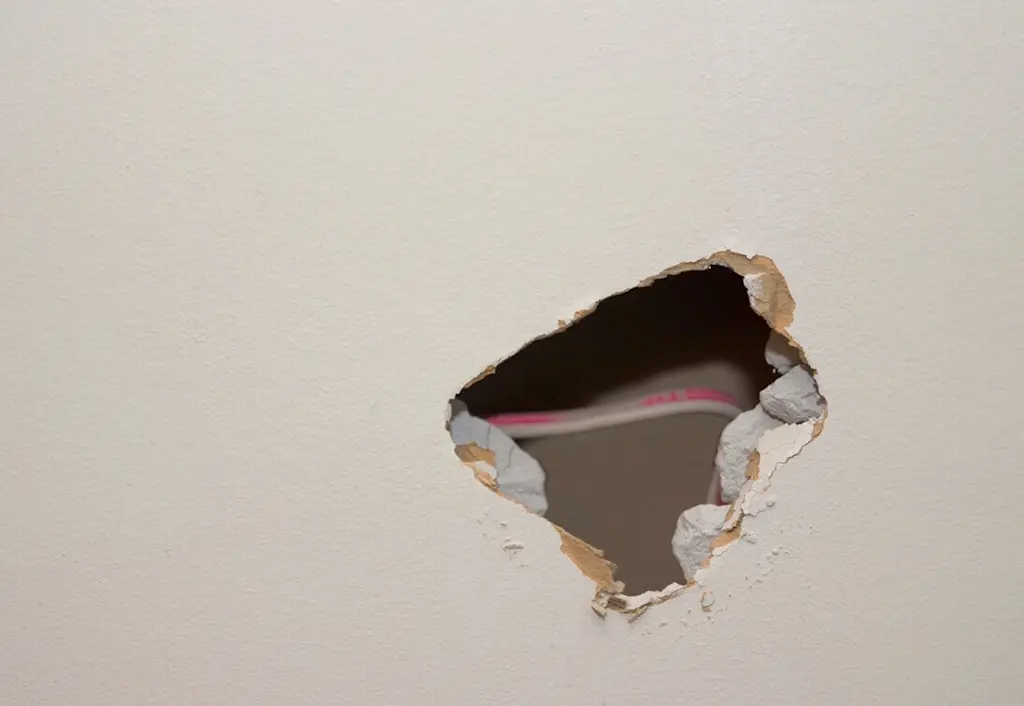
Plasterboard should never be fixed straight onto brick, block or any other masonry surface. The board needs a cavity between itself and the wall, created either with timber battens, a stud and lining system, or dabs of plasterboard adhesive.
Skip that gap and you're storing up problems.
Masonry walls are rarely perfectly flat, they can hold moisture, and they conduct cold straight through to whatever's fixed against them. Plasterboard fixed directly on top inherits all three issues.
If you're not sure whether your wall has been dot and dabbed or fixed directly, tap the board. A hollow, slightly springy sound usually means there's a cavity behind it. A dull, solid thud suggests it's sitting flush against the masonry.
What goes wrong when boards are fixed directly to a wall
An uneven finish
Brick and block walls are rarely dead flat. Without a cavity to correct for that, the plasterboard follows every dip and bump in the masonry underneath.
Screws can also pull straight through the board if they're driven into a high spot with nothing to give.
Damp coming through
Masonry absorbs moisture more readily than most people expect, especially in older solid-wall properties or anywhere render or pointing has failed.
Without a cavity to break that path, any dampness in the brickwork transfers straight into the plasterboard.
Condensation and mould
A cold masonry wall pulls heat away from the room. Without an air gap or insulation layer, that cold reaches the surface of the plasterboard, encouraging condensation and, over time, mould.
This is a particular risk on external walls in older or poorly insulated homes.
A specific warning for breeze block and aerated block
Standard drywall screws generally shouldn't be driven straight into aerated or breeze block at all.
The lightweight, porous construction doesn't hold a fine-thread screw reliably, whatever cavity method you're using.
If you're dealing with block rather than solid brick, it's worth having a plasterer or builder confirm the right fixings before any work goes ahead.

Can the boards be saved, or do they need replacing?
This depends on whether there's any cavity at all behind the boards.
If there's already a small gap
Even an inaccessible one from a failed or inconsistent dot and dab job - it's sometimes possible to stabilise the boards in place rather than stripping the wall back.
A plasterer can drill a series of small holes through the board, at the edges and in the middle, and inject expanding adhesive foam into the void. Once it's cured, the holes are filled and skimmed over, and the board is properly bonded to the wall.
If the boards are genuinely flush against solid masonry
Wth no cavity anywhere, this foam-fix approach won't work. The boards need to come off and be refitted properly. It's more disruptive, but it's the only way to guarantee the wall doesn't develop damp or mould problems later.
A plasterer will be able to tell you within a few minutes which category your wall falls into.
Don't assume a professional-looking skim finish means the fixing underneath is sound. Plenty of directly-screwed boards get skimmed and painted before the problem is spotted, usually when damp patches or hairline cracking show up months later.
The right ways to fix plasterboard to a brick or block wall
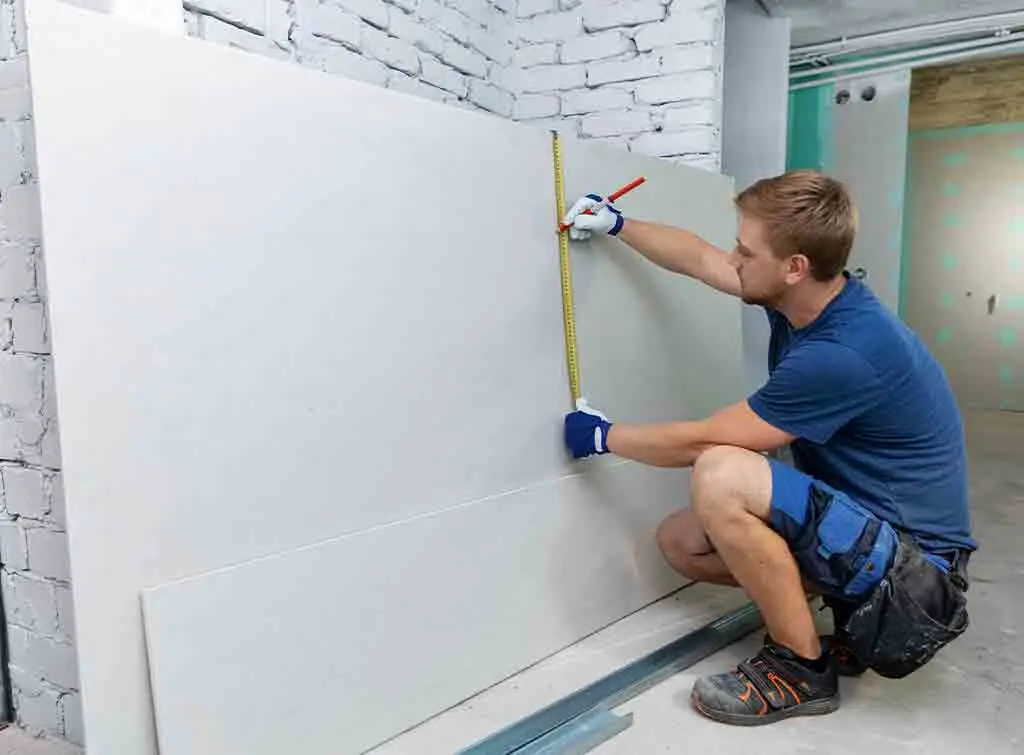
There are three accepted methods, and which one suits your job depends on the wall condition, budget and finish you're after.
Dot and dab
The most common method for fixing plasterboard directly to masonry, minus the "directly" part.
Dabs of drywall adhesive are applied to the wall in a grid pattern, the board is pressed on and levelled, and the adhesive dries to form a thin cavity between board and brick.
Make sure the brick wall is clean, dry and free of dust or loose material
Apply drywall adhesive to the brickwork in dabs, following a standard spacing pattern
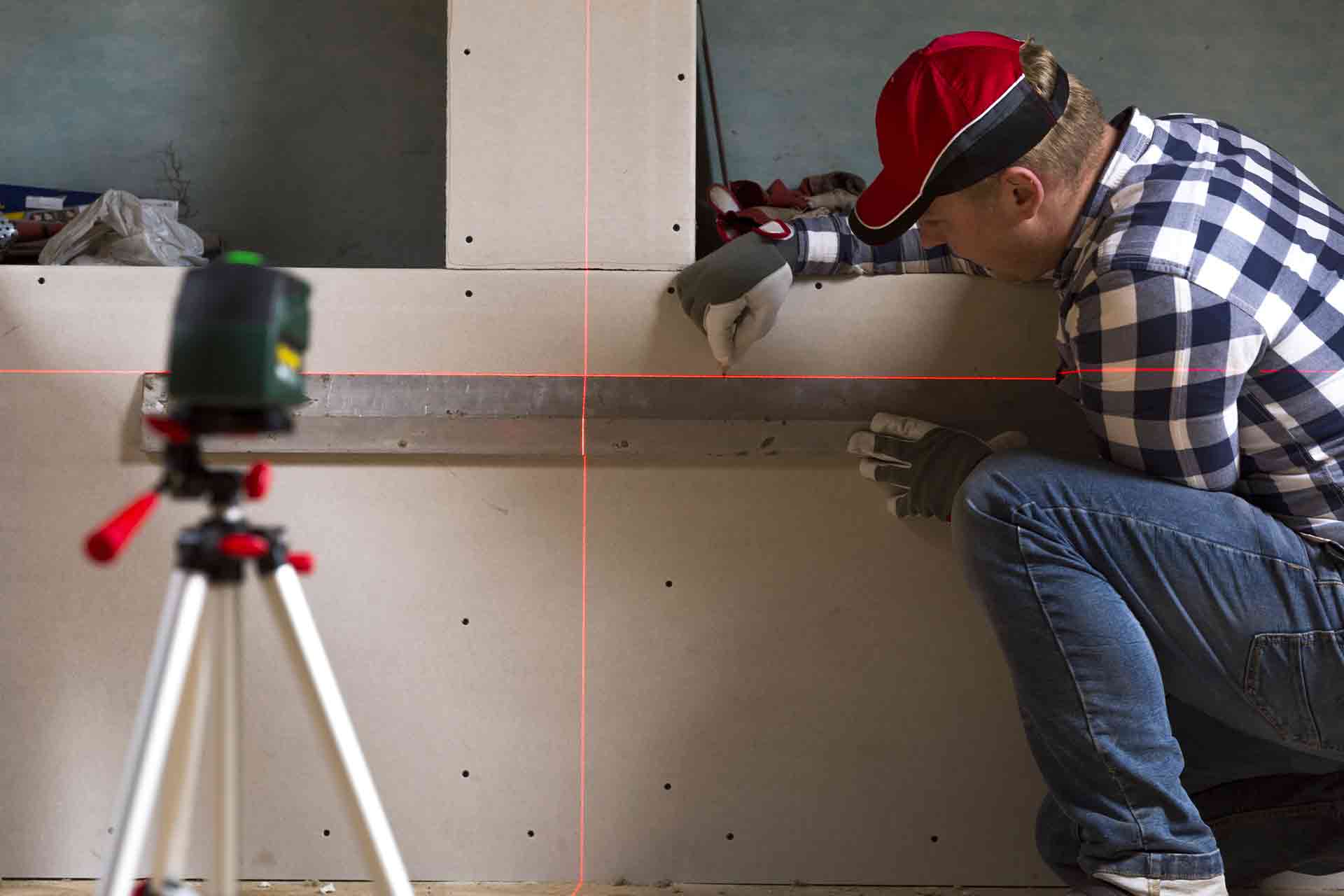
Push the plasterboard against the dabs and level it using a spirit level
Leave the adhesive to fully cure, typically 3-4 hours before any further work, longer before skimming
It gives a flat, fast finish and the small cavity it creates cuts the risk of damp and mould reaching the board.
Timber battens
Battens are fixed to the wall first, either horizontally, vertically or in a full frame, and the plasterboard is then screwed to the timber rather than the brick. This creates a larger, more consistent cavity than dot and dab, which makes it a better option on older solid-wall properties where damp and cold are more of a concern.
It's worth treating the battens against rot and considering a vapour barrier behind them in damp-prone rooms.
Plasterboard adhesive foam
An expanding foam adhesive applied directly to the wall or the back of the board. It works in a similar way to dot and dab but can be quicker to apply and is sometimes preferred for smaller repair jobs or awkward areas where dabbing isn't practical.
Not sure what it could cost to get something sorted?
Job Estimate Calculator

What does it cost to put right?
Costs vary depending on how much of the wall needs stripping back, whether there's damp to treat first, and the size of the room.
Rather than quote a figure that goes stale, it's worth checking Checkatrade's live cost guides, which are kept up to date with current pricing:
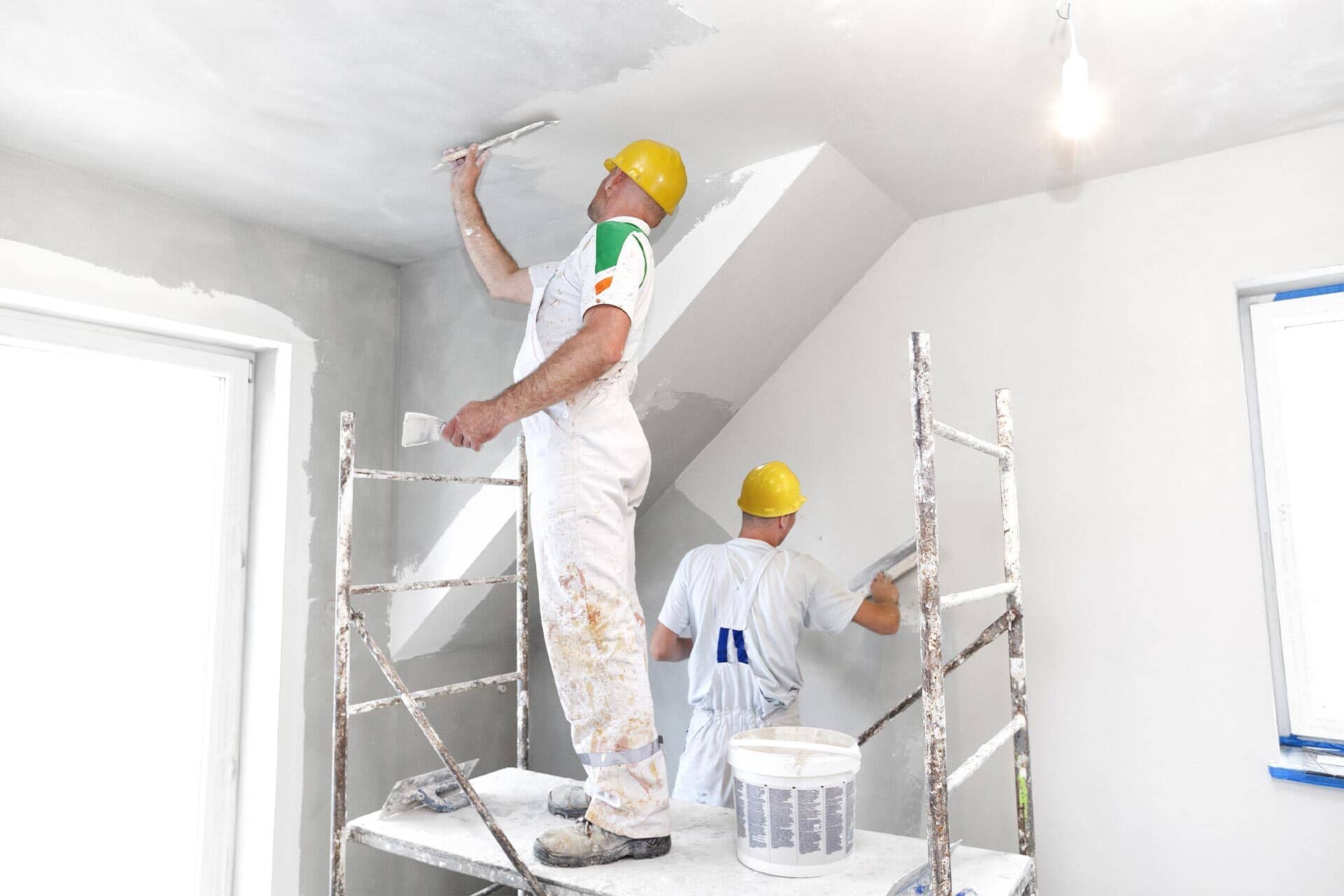
Cost to plaster a room: Price breakdown 2026
Wondering what the average cost to plaster a room is? Find out about all the costs and factors that could impact your quote – whether you're tackling an extension, new build, or replastering existing walls in your home.
Finding the right tradesperson for the job
This isn't a job to leave to guesswork, particularly if there's any damp involved or the wall turns out to be breeze block rather than brick.
A plasterer will assess the wall, confirm the right fixing method, and make sure whatever's done now won't need redoing in a few years.
Before booking anyone, it's worth reading our guide on what to check and ask before hiring a plasterer, and what other jobs are worth doing before the plastering stage if you're renovating a room from scratch.
Find a reliable local plasterer

On Checkatrade, you'll only find trades who meet our high standards and pass up to 12 checks.
Checklist before you start
Before you fix or replace plasterboard on a masonry wall...
Check whether a cavity already exists behind the boards
Rule out breeze block before choosing a fixing method
Check for damp before boarding over the wall
Choose dot and dab, battens, or foam adhesive
Allow full curing time before skimming
Get a plasterer to confirm the wall condition first

FAQs
Is it ever OK to screw plasterboard straight into brick?
No. Even where the wall looks flat and dry, screwing plasterboard directly to masonry with no cavity leaves it vulnerable to damp, cold transfer and an uneven finish.
A cavity of some kind, whether from dabs, battens or foam adhesive, is always needed.
Can I fix the problem without removing the boards?
Sometimes. If there's already some gap between the board and the wall, a plasterer may be able to inject expanding foam adhesive through drilled holes to bond the board properly, then make good the holes.
If the boards are completely flush to the wall, they'll need to come off.
How do I know if my wall is brick or breeze block?
Breeze block is lighter, more porous and often has a rougher, greyer surface than fired brick. If you're not sure, a plasterer or builder can confirm it quickly, and it changes which fixings are safe to use.
Does dot and dab work on damp walls?
Dot and dab reduces the risk of damp reaching the plasterboard compared with direct fixing, but it won't solve an existing damp problem. Any damp in the brickwork needs treating before boards go up, whichever method you use.
How long does adhesive need to dry before I can skim?
As a general guide, drywall adhesive used in dot and dab needs at least 3-4 hours to set before further work, but it's best to leave it overnight before skimming to be safe. Always check the manufacturer's guidance for the specific adhesive used.
Will removing and refitting plasterboard damage the boards?
Boards fixed with dot and dab or on battens can often be carefully removed and reused if they're in good condition.
Boards that have been screwed directly to masonry are more likely to be damaged during removal, so budget for the possibility of needing new boards.
Do I need a plasterer or could I do this myself?
Dot and dab and batten fixing are both achievable as a competent DIY job on a small area. For full rooms, damp-affected walls, or anywhere breeze block is involved, it's worth getting a plasterer in to avoid costly rework.
What's the difference between plastering directly onto brick and using plasterboard?
Plastering straight onto brick (sometimes called render and set) gives a strong, solid finish but takes longer and uses more material.
Plasterboard with a skim finish is quicker and cheaper to install and is the more common choice for most modern renovation work.
Find a checked and reviewed plasterer
Enter your postcode to find a top tradesperson near you
J P Bathrooms
10.00
(3 reviews)Services & skills
PlastererInsulated RenderingSkimmingTape & JointingLath PlasteringGoody Screeding
10.00
(67 reviews)Services & skills
PlastererPlasteringRenderingSkimmingScreedingEWI Specialist Ltd
10.00
(105 reviews)Services & skills
PlastererPlasteringRenderingSkimmingSpray Rendering- M
Mckenna Plastering Services
10.00
(91 reviews)Services & skills
PlastererCovingMonocouche RenderingPebble Dashing / Rough CastingRendering Level Plastering & Building
10.00
(98 reviews)Services & skills
PlastererCovingFlat CeilingsInsulated RenderingDry Lining- A
Absolutely Plastered
10.00
(71 reviews)Services & skills
PlastererCovingPlaster MouldingsPolished PlasteringPlastering




See the tradespeople we've checked for your job