COST GUIDES
Cellar conversion cost (2026 guide)
Updated 09/26
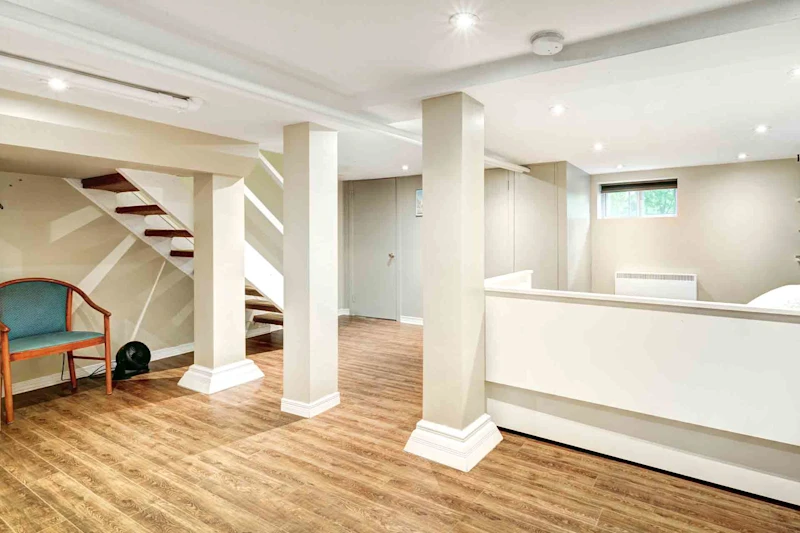
Read on to see what affects the price and how to get accurate quotes from checked builders, or visit our basement and cellar conversion hub for more on turning your basement into usable space.
Fast Facts
Typical cost: £1,600 per square metre.
Biggest pricing factor: whether you're converting an existing cellar or excavating a new one - excavation costs significantly more per square metre.
Compliance to check: you may need a party wall agreement or planning permission if you're excavating a new cellar.
Cellar conversion cost
| Types of conversion | Cost + VAT (Range low - high) | Average cost | |
|---|---|---|---|
| Cellar conversion cost | £1,000–£2,200 per square metre | £1,600 per square metre | |
| Cost to excavate a new cellar and underpinning | £1,920–£3,680 per square metre | £2,800 per square metre | |
| Last updated: October 2026 Our costs are ballpark averages - get a local tradesperson to quote now | |||
It is no secret that cellar conversion costs can be expensive, but with all the associated benefits, it is wise to consider. In areas where space is at a premium, such as London, they can add far more value to a home than they cost.
The final price you pay will be influenced by a number of factors, but the average cost of cellar conversion is £1,600 per square metre.

Costs by conversion job
Average cost of cellar conversion
Converting a cellar can be costly, however not as costly as excavating an entirely new cellar. You should always plan to spend more time and money if you are adding a new cellar due to the extensive structural alterations that will be required.
Comparing the average cost of a cellar conversion at £1,600 per square metre and the cost of excavating a new cellar at £2,800 per square metre the difference in price is clear.
For a full breakdown, see our guide to the cost to finish a basement.
Victorian cellar conversion cost
Victorian homes often had cellars for storing coal or wood that would be used to heat water and power open fires. These were very common, and many are still in place today. Converting a Victorian cellar to a living space would be charged at the same standard rate of a basement conversion for other types of property.
The average Victorian cellar conversion cost is £1,600 per square metre.

Common uses for cellar conversions
Any basement conversion opens up endless possible uses for the new space. It is important to carefully consider how to utilise your new cellar as it can be expensive to refit an entire room if you change your mind.
Below are some of the most common options to make use of your new basement:
Office
Gym
Bathroom
Swimming pool
Living room
Games room
Utility room
Annexe
Home cinema

Benefits of basements
It is surprising just how many benefits come with adding a cellar conversion. Generally, the large upfront cost of adding a new basement is easily offset by the potential of your new space.
The following are some of the excellent benefits to be gained:
Extra storage space: think of how much tidier and less crowded your home would be with a whole extra room for storage. You could install a walk-in wardrobe, a utility room or even a wine cellar.
New room: cellars offer extra storage space, but you could also add a whole new room to your property such as an office or a home gym.
Increase property value: with an additional room, your house will become much more appealing to buyers.
No space for other extensions: if you do not have a large garden or your house is terraced, you may not have any space for traditional types of extension. In this case, a basement or loft conversion would be a great alternative as they do not affect the outside of your home.
An extra bedroom: if your family is growing, you may need more space for a new bedroom. Creating a basement annexe or bedroom is a great option for a teenager looking for privacy.
Alternative to moving: if you love your current home and want to avoid the hassle and cost of moving, a cellar conversion can give you the extra space you need.

Find a builder covering your area
At Checkatrade, we check, verify and approve all of our members. All of the tradespeople in our directory meet our high quality standards and are regularly reviewed on everything from punctuality to professionalism.
Use our quick and easy request a quote feature to get builders near you to contact you directly. Before they do, have the following ready:
The size of the cellar or space you want to convert
Your intended use (office, gym, wine cellar, annexe, etc.)
The current condition of the space
Whether you have an existing cellar or need excavation
Once you've found a builder for the main structural work, you might need a few other tradespeople to finish the job.
Find your local builder today

How to convert a cellar
Not only can you install a new cellar beneath your home, but you can also extend under your front and rear garden. This can give you an impressive amount of space which could be used for multiple rooms or a huge room, for example, if you want to install a swimming pool.
Generally, a basement conversion will follow the below steps. Although, please note if you already have a cellar, you can skip the first step:
Excavating the space
Adding extra structural support
Adding plumbing, gas and electrics
Adding flooring and plastering the walls
Decorating, plus adding lighting and heating
For a step-by-step guide, read how to convert a cellar step by step.

Hiring a basement remodeller: Your complete guide
Here’s what you need to know if you’re considering hiring a basement remodeller.
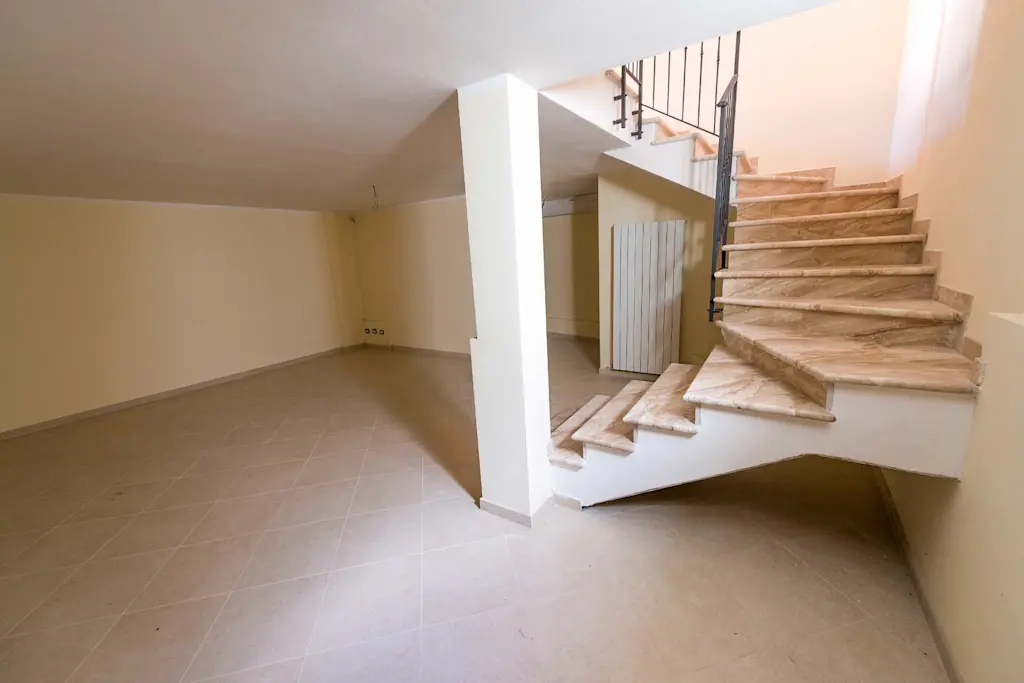
What affects the cost of a cellar conversion
With such a grand project, the total amount you will pay can be affected by the following factors:
Converting or excavating: excavating an entirely new cellar will be much more expensive than converting an existing cellar. Lowering a basement floor is another cost to factor in for some projects.
Size of area to be converted: the larger the area of your new basement, the greater your cellar conversion cost.
The new purpose of the cellar: the intended purpose of your cellar can affect the level of renovation it requires. For example, a utility cellar does not need to adhere to the same building regulations as a living space. The more extensive your basement renovations are, the higher the price you will pay.
Quality of materials used: higher quality materials are more durable and long-lasting but will incur extra costs.
Extra structural support needed: depending on the current support your home has, you may need additional structural support or underpinning to make your basement fit for purpose. This will increase the total basement conversion cost.
Plumbing, gas and electric works: you will need plumbing, gas and electrics installed in your basement, depending on its intended use. These services will be charged at a premium.
Adding lighting and heating: cellars can be dark and chilly without proper lighting and heating. These essential additions will incur extra costs.
The current condition of the cellar: cellars that are in poor condition will need extra works to bring them up to a liveable standard, at an additional price.
Decoration and flooring: budget for any decoration and flooring you wish to add to your new basement. For tips, see our guide to painting basement walls.

Can I convert a basement myself?
Unsurprisingly, converting a basement is not a simple and speedy job. Before deciding whether to undertake the conversion yourself, remember that:
Basement conversions are complex, arduous and time-consuming.
It may be an impossible task for those who are not physically able.
Professionals will have experience and knowledge with tips on how to make the most of the space.
If not done correctly and safely, a basement conversion can lead to injury and structural damage to your home.
You will likely need specialist tools and safety gear.
As this is such an extensive process, we would recommend hiring a basement remodeller rather than attempting it yourself. To find a local, reputable tradesperson in your area and get a personalised cellar conversion quote, use our free search feature.
Cellar conversion cost: job estimator tool
Want a tailored estimate? Use our job estimator tool below to get a personalised cellar conversion cost based on your space and project requirements.
Job Estimate Calculator


Cellar conversion hourly rates
It's not often that you'd be quoted an hourly rate for a cellar conversion project. Instead, you're most likely to be quoted per square metre or for the project as a whole. That said, here are some of the rates that you might need to consider as part of your cellar conversion:
Structural engineer cost - £100 to £200 per hour
Plumber cost - £40–£60 per hour
Electrician hourly rate - £50 per hour
Painter and decorator prices - £250–£350 per day
Cellar conversion cost checklist

Cellar conversion checklist
Before contacting a tradesperson, here's what to check:
Cellar conversion key takeaways
A cellar conversion can make space for a new room, add value to your home and prevent the need to move home.
Cellar conversion costs can be relatively high and are dependent on a number of factors.
A new basement can be used as a gym, a bedroom or even a swimming pool.
Taking on a cellar conversion as a DIY job can put you and your home in danger.
If excavating a new basement you will probably need planning permission.
Cellar conversion cost FAQs
If you are converting an existing basement, unless you are making structural changes, you will not need planning permission. If on the other hand, you are excavating a new basement you are very likely to need planning permission.
Unfortunately, this is not a quick project and it will usually take several months to complete. The timescale can be affected by the size and type of conversion.
Yes, in most cases. A cellar conversion adds usable living space without extending your home's footprint, and it's often cheaper per square metre than an above-ground extension in areas where land is tight, such as London. The value it adds depends on your area and how the space is finished.
Cementitious tanking is usually the most affordable waterproofing method for a cellar conversion, though the right choice depends on how wet the space is and what you're using it for. See our cellar waterproofing cost guide for a full price breakdown.
A well-finished cellar conversion can add value to your home, particularly in areas where space is at a premium. How much depends on your location, the finish quality and what the space is used for - a local estate agent can give you a more accurate view for your street.

More Basement / Cellar Conversions Articles



See the tradespeople we've checked for your job