COST GUIDES
Converting front garden to driveway: Cost breakdown 2026
Updated 06/26
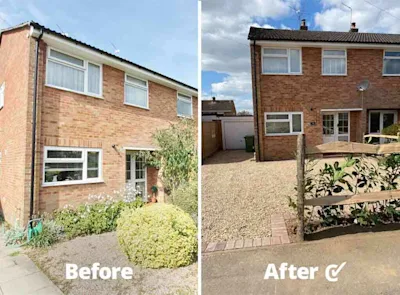
Excavation and site preparation:
Expect to pay around £1,400 to remove the existing garden and prepare the ground for a new driveway
Drainage costs:
Suitable drainage can add around £3,000 to the project but is often essential for compliance and long-term performance
Dropped kerb costs:
If you don't already have one, a dropped kerb and associated permissions typically cost around £2,500
Planning rules:
Many driveway projects won't need planning permission, provided the surface is permeable or includes suitable drainage
Turning a front garden into a driveway can be a practical way to create off-road parking, especially if finding a space outside your home is becoming increasingly difficult.
But while the finished result may look simple, there's often much more involved than removing a lawn and laying a new surface. Groundworks, drainage, foundations and access arrangements can all impact the overall project cost.
This guide explains the typical costs involved in converting a front garden into a driveway, the factors that affect pricing, and the additional expenses worth budgeting for before work begins.
How much does it cost to convert a front garden into a driveway?
In many cases, most of the cost of converting a front garden into a driveway comes from preparing the site properly.
Excavation, drainage and foundations are essential if you want a driveway that remains level, drains correctly and lasts for years without sinking or cracking. This part of the project typically costs around £5,500.
Material costs for your driveway surface (e.g. tarmac, gravel, resin, block paving or concrete), plus the cost of dropping the kerb and related permissions, are additional costs.
| Item (labour & materials) | Cost low - high | Average cost |
|---|---|---|
| Removals/excavation of original garden | £1,000–£2,000 | £1,400 |
| Drainage | £2,000–£4,000 | £3,000 |
| Foundations/sub-base | £750–£1,500 | £1,100 |
| Tarmac | £2,500–£4,500 | £3,500 |
| Block paving | £3,500–£5,500 | £4,500 |
| Resin bound | £4,000–£6,000 | £5,000 |
| Concrete pattern (imprinted) | £3,000–£5,000 | £4,000 |
| Gravel | £1,000–£3,000 | £2,000 |
| Dropped kerb & planning permission | £1,500–£5,000 | £2,500 |
| Last updated: June 2026 Our costs are ballpark averages - get a local tradesperson to quote now | ||
The final cost you'll pay will largely depend on the size of the area, the driveway material you choose, whether a dropped kerb is required, and the condition of your existing garden.
Our costs are based on a 50m² driveway, which is the average size of a double driveway in the UK.
Data verified by our professional estimators
Estimators are CIOB & RICS members
Get a quote for converting a front garden into a driveway
Every front garden is different. Some can be converted relatively easily, while others may need significant excavation, drainage upgrades or additional permissions before work can begin.
So that you know what you're paying for, request written, itemised quotes from a selection of checked local contractors. The quotes should clearly explain:
Excavation and waste removal
Drainage work
Foundations and sub-base preparation
Driveway installation costs
Dropped kerb costs
Planning-related costs, where applicable
VAT, if applicable
Comparing itemised quotes can help you understand exactly what's included and avoid unexpected costs later on.
Find checked driveway installers working in your area and request a quote.
Find checked driveway installers near you
Costs at a glance
For a double driveway (approx. 50m²), you can expect to pay:
Excavation and removal: £1,400
Drainage: £3,000
Sub-base: £1,100
Gravel driveway: £2,000
Tarmac driveway: £3,500
Imprinted concrete driveway: £4,000
Block paving driveway: £4,500
Resin bound driveway: £5,000
Dropped kerb and permissions: £2,500
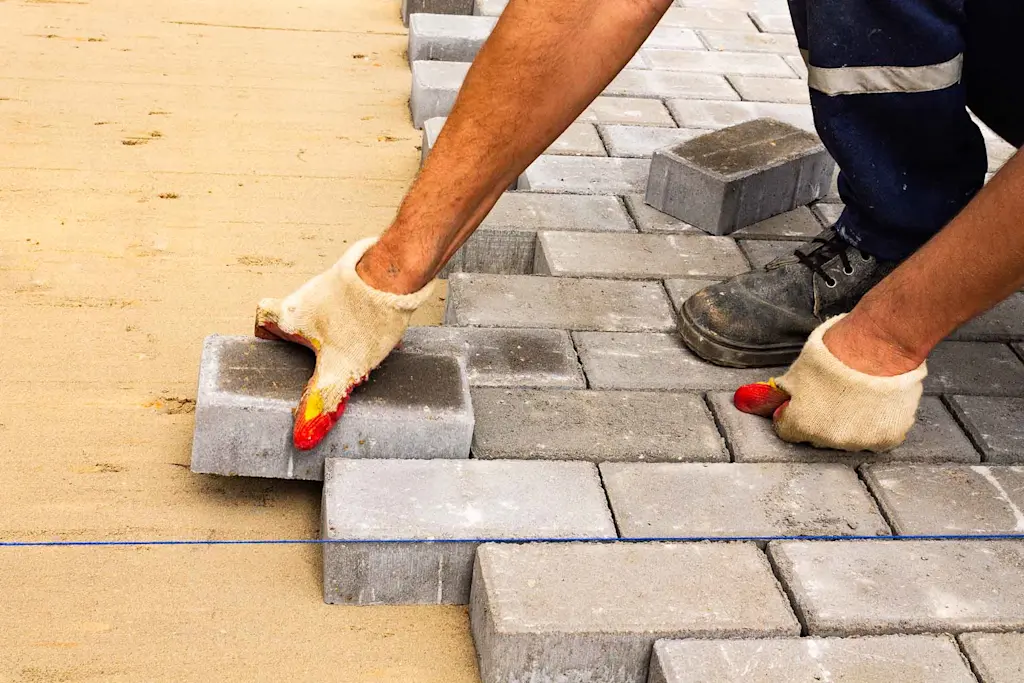
Project costs when converting a front garden into a driveway
Converting a front garden into a driveway involves several stages, each contributing to the overall project cost.
Excavating and removing the existing garden
Average cost: £1,400
Before a driveway can be installed, the existing lawn, planting and topsoil usually need to be removed.
This stage often involves excavation, waste removal and preparing the area ready for foundations and drainage. The larger the area, the more material there is to remove.
Drainage costs
Average cost: £3,000
Good drainage is one of the most important parts of any driveway project.
Without suitable drainage, water can pool on the surface or create issues elsewhere around your property.
Depending on the material you choose, you may need drainage channels, soakaways or other drainage solutions to meet current regulations.
Adequate drainage is a must for a new driveway, especially if you've chosen an impermeable surface such as concrete or tarmac.
Sub-base and foundations
Average cost: £1,100
The sub-base sits underneath the visible driveway surface and provides strength and stability.
It's not the most exciting part of the project, but experienced driveway installers will often tell you it's the part that matters most. A poorly prepared sub-base can lead to sinking, movement and costly repairs later on.
Driveway surface costs
Once the groundworks are complete, your chosen driveway material can be installed.
Based on a new 50m² front driveway, typical costs include:
Gravel driveway surface: around £2,000
Tarmac driveway surface: around £3,500
Imprinted concrete driveway: around £4,000
Block paving driveway: around £4,500
Resin bound driveway: around £5,000
For a more detailed breakdown of driveway material costs, take a look at our driveway resurfacing cost guide.
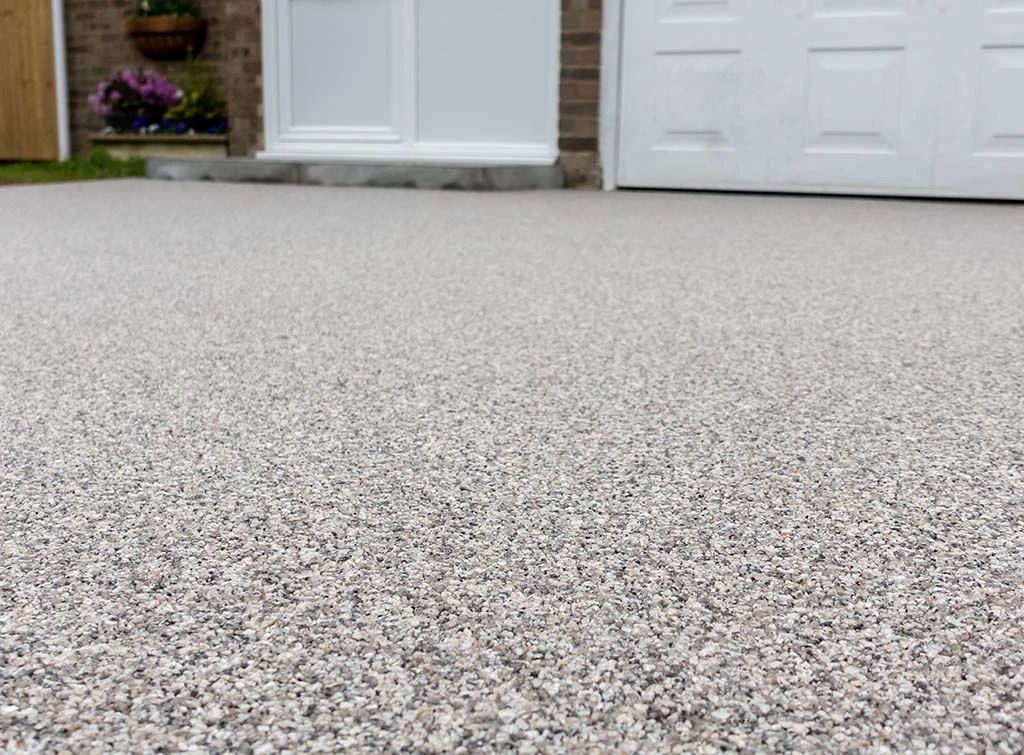
Dropped kerb and permissions
Average cost: £2,500
If you don't already have a dropped kerb outside your property, you'll usually need one before you can legally drive onto your new driveway.
The exact cost will depend on your local authority requirements and whether additional work is needed, such as relocating street furniture, manhole covers or any other obstructions.
Our dropped kerb cost guide has more detailed information on this part of the project.
To install a dropped kerb, you'll normally need approval from your local authority before work can begin.
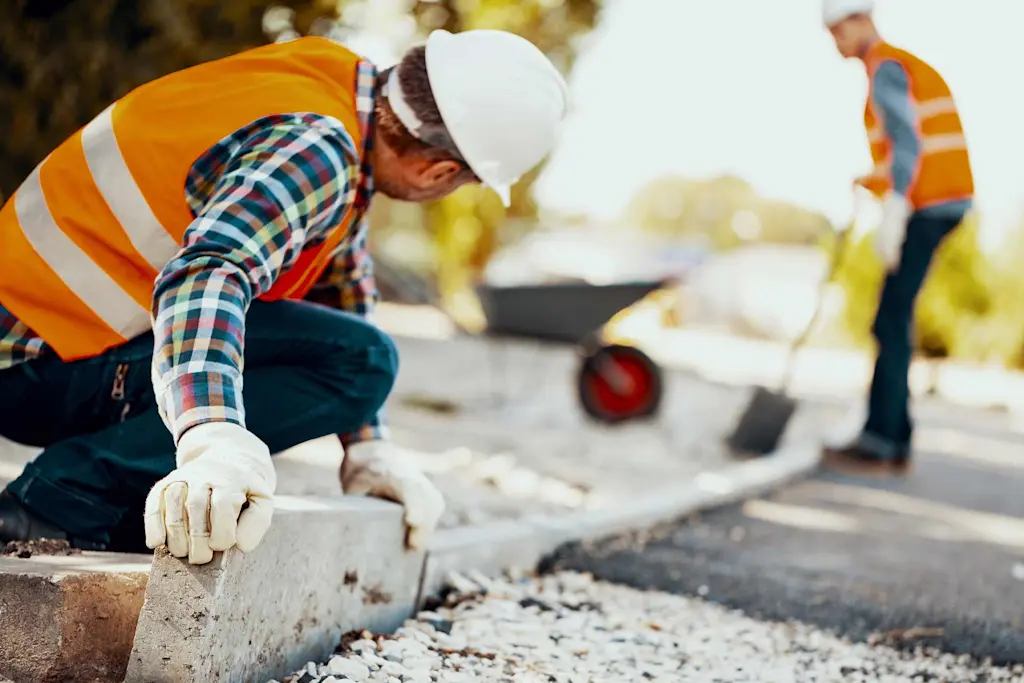
What affects the cost of converting a front garden into a driveway?
Several factors can influence the final cost of creating a new front driveway in place of a garden.
Size of the area: Larger driveways require more excavation, materials and labour
Existing garden conditions: A simple lawn is generally cheaper to remove than a garden with mature planting, walls, trees or existing structures
Drainage requirements: Some projects require more extensive drainage solutions than others
Driveway material: Gravel is typically the lowest-cost option, while resin-bound and block paving tend to sit at the higher end of the scale
Access to the property: Restricted access can make excavation and installation work slower and more labour-intensive
Dropped kerb requirements: Not every property already has a dropped kerb in place, which can add significantly to the overall budget
Local authority requirements: Some councils have specific requirements relating to access, drainage or dropped kerb installations

On Checkatrade, you'll only find trades who meet our high standards and pass up to 12 checks.
Additional costs to budget for
The driveway itself isn't always the only cost involved.
Additional expenses for this project can include:
Planning applications
Tree or shrub removal
Additional drainage works
Relocating manhole covers
Retaining walls
Moving street furniture
Access equipment
Groundworks are often where unexpected costs arise. Until excavation begins, it's difficult to know exactly what's beneath the surface. Existing services, drainage issues or hidden obstructions can sometimes increase the scope of work, so it's wise to have a contingency fund.
What should be included in a driveway quote?
A detailed quote should clearly set out:
Excavation work
Waste removal
Sub-base preparation
Drainage provisions
Driveway materials
Labour costs
Dropped kerb costs, where applicable
VAT, if applicable
It's also worth checking what's excluded. Landscaping, gates, walls and decorative planting are often priced separately.
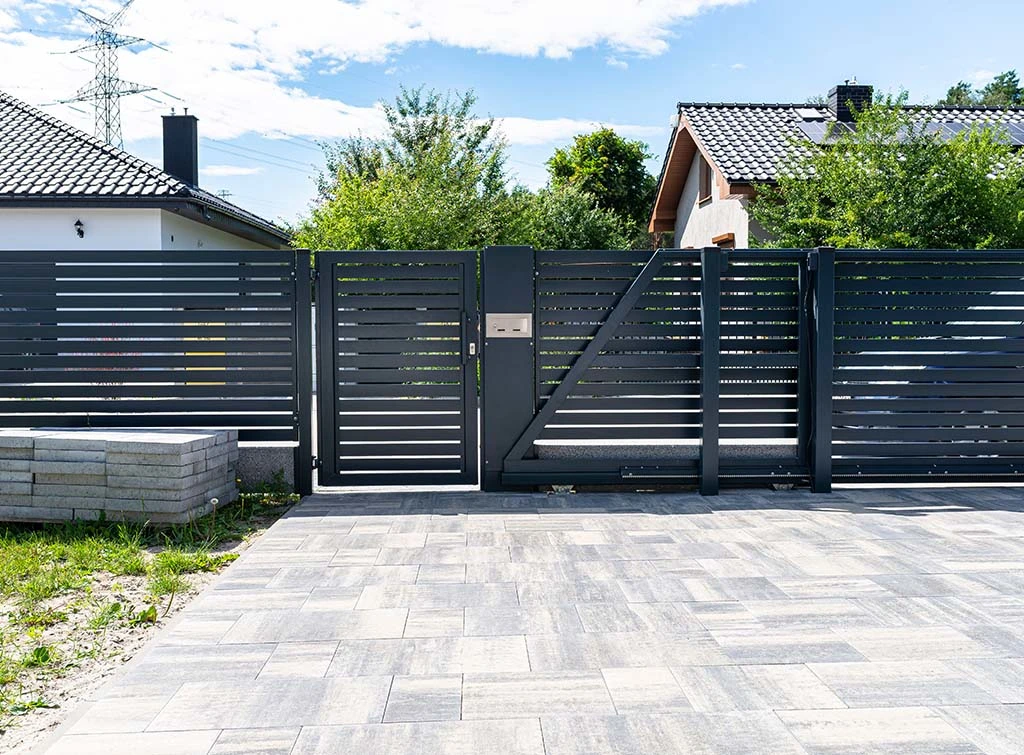
Do you need planning permission to convert a front garden into a driveway?
In many cases, planning permission isn't required to convert a front garden into a driveway.
However, if your driveway is larger than 5m² and uses a non-permeable surface, planning permission may be needed unless suitable drainage measures are installed.
If your property is listed or located within a conservation area, it's worth checking with your local authority before work begins.
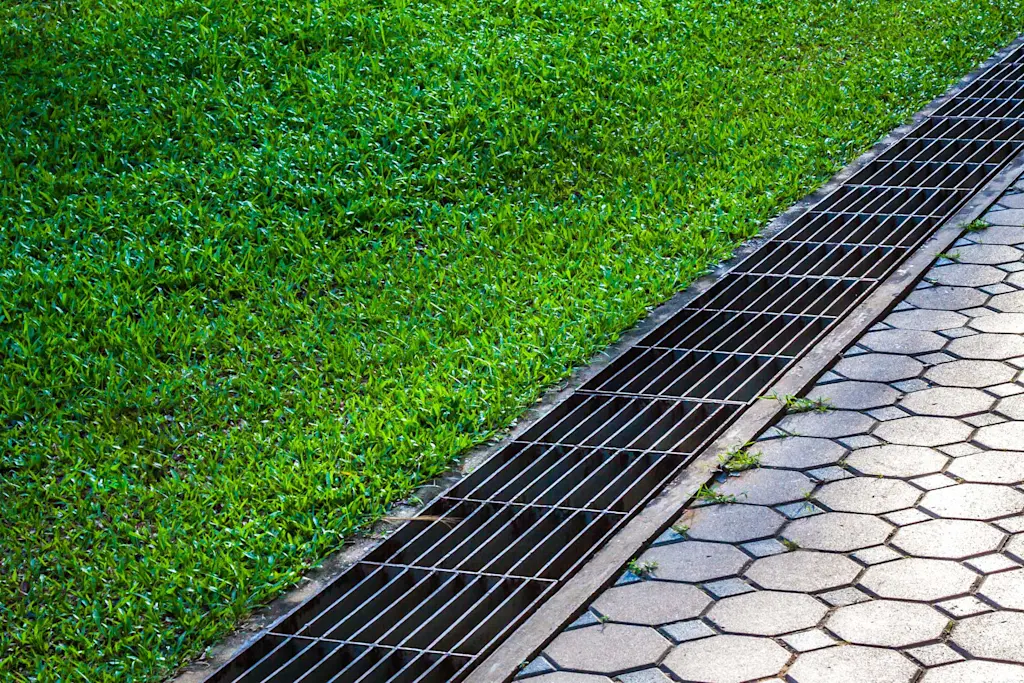
What is a SuDS-compliant driveway?
SuDS stands for Sustainable Drainage Systems.
A SuDS-compliant driveway allows rainwater to drain naturally into the ground or an approved drainage system, helping reduce pressure on public drainage networks.
Permeable surfaces such as gravel and many resin-bound driveways are commonly used to help meet SuDS requirements.
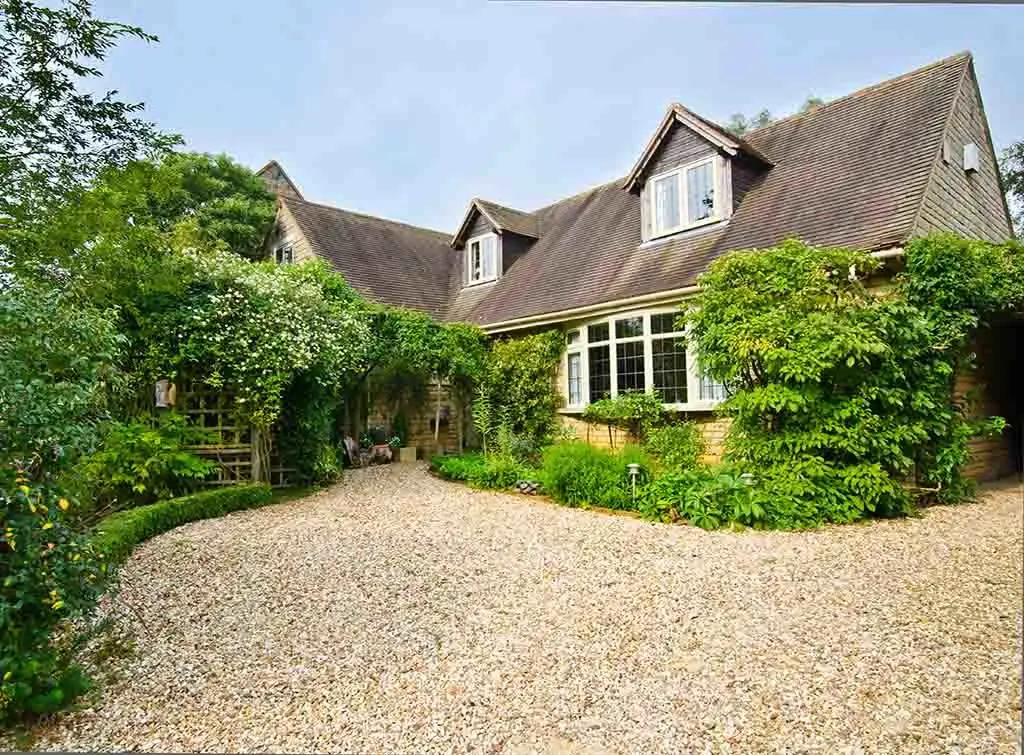
How long does it take to convert a front garden into a driveway?
The timescale depends on the size of the project, the amount of excavation required, weather conditions and the driveway material being installed.
Most projects involve several stages, including excavation, drainage work, sub-base preparation and installation of the final surface.
You should also expect some disruption while work is underway, particularly if access to your property is temporarily restricted during construction.
We check the reviews on Checkatrade are from real people, and that trades meet our high standards.
Front garden to driveway cost calculator
Our cost calculator can help provide a rough estimate before you start gathering quotes.
Your total cost will usually depend on the size of the area in m², the driveway material you choose — whether that’s gravel, tarmac, block paving, brick or resin — groundworks and excavation work, drainage needs and whether a dropped kerb is required.
Enter the size (m²):
Choose material
Item | Avg Unit Cost | Your Cost |
|---|---|---|
£50.00 per m² | ||
£50.00 per m² | ||
£70.00 per m² | ||
£50.00 per m² | ||
£30.00 per m² | ||
£48.00 per m² | ||
£96.00 per m² | ||
£35.00 per m² |
Additional services
Item | Avg Unit Cost | Your Cost |
|---|---|---|
£50.00 per m² | ||
£28.00 per m² | ||
£23.00 per m² | ||
£1,650.00 each |
Your new driveway could cost approximately:
£0.00
Working with professional estimators, we collate cost estimates for the common home improvement and repair jobs in the UK. All the costs are estimates only and for accurate costs for your particular requirements, you are encouraged to reach out to professional tradespeople to receive a quote for your job. Read our disclaimer for more information.
The calculator offers a guide price only. For an accurate quote, it’s always best to ask a checked local driveway installer to assess the site properly.
Find checked driveway installers near you
Can you convert a front garden into a driveway yourself?
Some people may be tempted to tackle parts of the project themselves, particularly the removal of plants or garden features.
However, creating a driveway involves much more than just laying the top surface. Drainage, foundations and compliance requirements all need to be considered carefully.
Mistakes at the groundwork stage can be expensive to rectify later, which is why many homeowners choose to use an experienced driveway installer.

How to turn a front garden into a driveway
Turning a front garden into a driveway usually involves more than simply removing a lawn and laying a new surface.
In most cases, the project includes:
Excavating the existing garden
Installing suitable drainage
Preparing a solid sub-base
Laying your chosen driveway material
You may also need:
A dropped kerb to allow vehicle access from the road
To comply with planning and drainage requirements
The exact process will depend on the size of your garden, the ground conditions and the type of driveway you choose, which is why it's worth getting advice and quotes from experienced driveway installers before work begins.
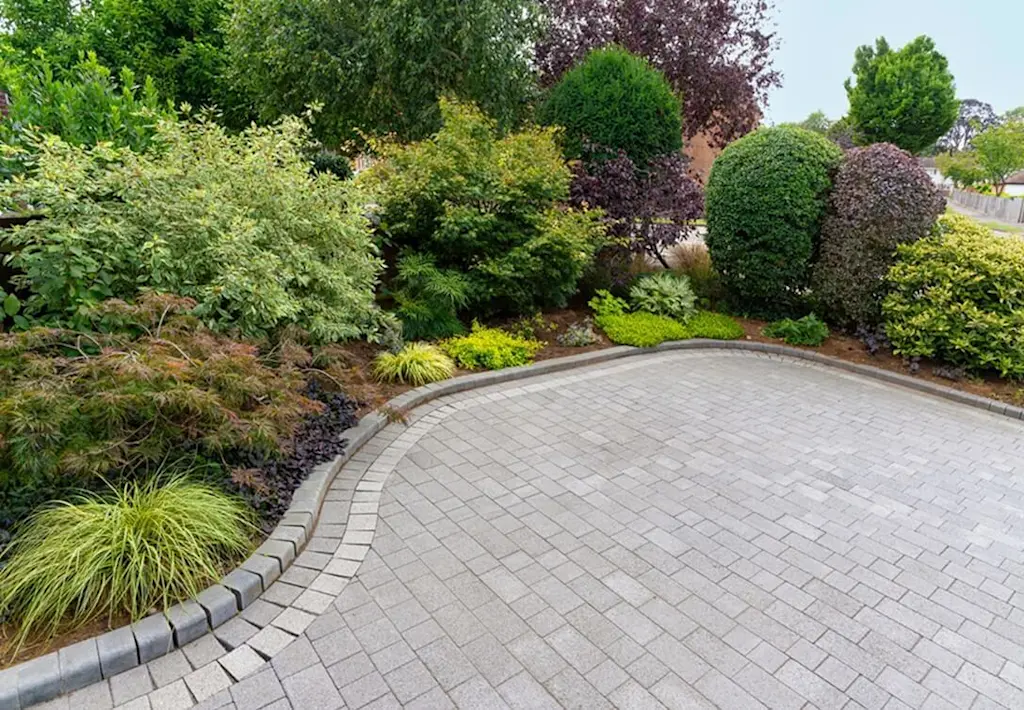

Front garden to driveway cost checklist
When should you speak to a driveway installer?
It's worth speaking to a driveway installer if:
Street parking is becoming difficult
You want secure off-road parking
You're considering improving kerb appeal
You're planning to sell your home in the future
You're unsure about permissions or drainage requirements
Getting advice early can help you understand what's possible and avoid costly changes later on.

Find a driveway installer near you
Converting a front garden into a driveway is a significant project, and getting the foundations right is just as important as choosing the final surface.
Comparing quotes from checked local driveway installers is one of the best ways to understand what represents good value for your project.
Find driveway installers working in your area
Enter your postcode to find a top tradesperson near you
MNB Paving Ltd
10.00
(82 reviews)Services & skills
Driveways / Patios / PathsBlock PavingEmergency Driveways / Patios / Paths ServiceGravel / Shingle DrivewaysPermeable PavingR & Xhika Groundworks
10.00
(22 reviews)Services & skills
Driveways / Patios / PathsPatios / PavingResin Bound SurfacingResin Bond SurfacingBonded Aggregate SurfacingMaster Value
10.00
(3 reviews)Services & skills
Driveways / Patios / PathsBlock PavingRoad MarkingsBonded Aggregate SurfacingPermeable PavingALD Construction & Landscaping Ltd
10.00
(114 reviews)Services & skills
Driveways / Patios / PathsBlock PavingPermeable PavingGravel / Shingle DrivewaysResin Bond SurfacingL Building & Landscaping Ltd
10.00
(67 reviews)Services & skills
Driveways / Patios / PathsBlock PavingGrittingPatios / PavingEmergency Driveways / Patios / Paths ServiceBS Landscapes
10.00
(108 reviews)Services & skills
Driveways / Patios / PathsBlock PavingResin Bond SurfacingPermeable PavingDriveway Repair


FAQs
How much does it cost to convert a front garden into a driveway?
The cost of converting your garden into a driveway depends on the size of the area, driveway material, drainage requirements and whether a dropped kerb is needed. Most projects involve excavation, foundations, drainage and installation costs too.
Do I need planning permission to turn my front garden into a driveway?
Planning permission isn't usually needed for this project, provided the driveway is permeable or suitable drainage is installed. Larger non-permeable driveways may require planning permission.
How much does a dropped kerb cost?
The average cost of a dropped kerb and permissions is around £2,500, although prices vary depending on local authority requirements.
Does a driveway add value to a house?
A driveway can add convenience, improve kerb appeal and potentially increase property value, particularly in areas where off-road parking is limited.
What is a SuDS-compliant driveway?
A SuDS-compliant driveway allows water to drain naturally into the ground or an approved drainage system rather than flowing directly into public drains.
How long does it take to convert a front garden into a driveway?
The timescale varies depending on the size and complexity of the project, but most garden to driveway conversions need to allow time for excavation, drainage, foundations and driveway installation.
Can I convert my front garden into a driveway myself?
While some preparation work may be suitable for experienced DIYers, most homeowners choose to use a professional driveway contractor because of the drainage, excavation and compliance requirements involved.
Is gravel the cheapest driveway option?
In most cases, gravel is one of the lowest-cost driveway materials and is naturally permeable, which can help reduce drainage and planning requirements.
Do I need a dropped kerb to create a driveway?
In most cases, yes. If you want to drive a vehicle from the road onto your new driveway, you'll usually need a dropped kerb (also known as a vehicle crossover). This creates a safe access point and helps protect the pavement and underground services. Approval is normally required from your local authority before a dropped kerb can be installed.
What is a SuDS-compliant driveway?
A SuDS-compliant driveway is designed to allow rainwater to drain naturally into the ground or a suitable drainage system, rather than running directly into public drains. Common SuDS-compliant driveway materials include gravel and many resin-bound surfaces. Using a permeable driveway can sometimes reduce the need for planning permission.
Can I convert part of my front garden into a driveway?
Yes. Many homeowners choose to convert only part of their front garden into a driveway while keeping some planting, lawn or landscaping. This can provide off-road parking while maintaining kerb appeal and green space. The overall cost will depend on the size of the area being converted, the driveway material chosen and whether a dropped kerb is required.
Does converting a front garden into a driveway add value?
So is it worth turning your front garden into a driveway?
As well as the obvious benefit of creating off-street parking, it can also offer greater security for your vehicles, lower your vehicle insurance premiums, and save money on parking permits.
But more than that, a driveway could add between 5-10% to the value of your home.
More Driveways / Patios / Paths Articles


See the tradespeople we've checked for your job